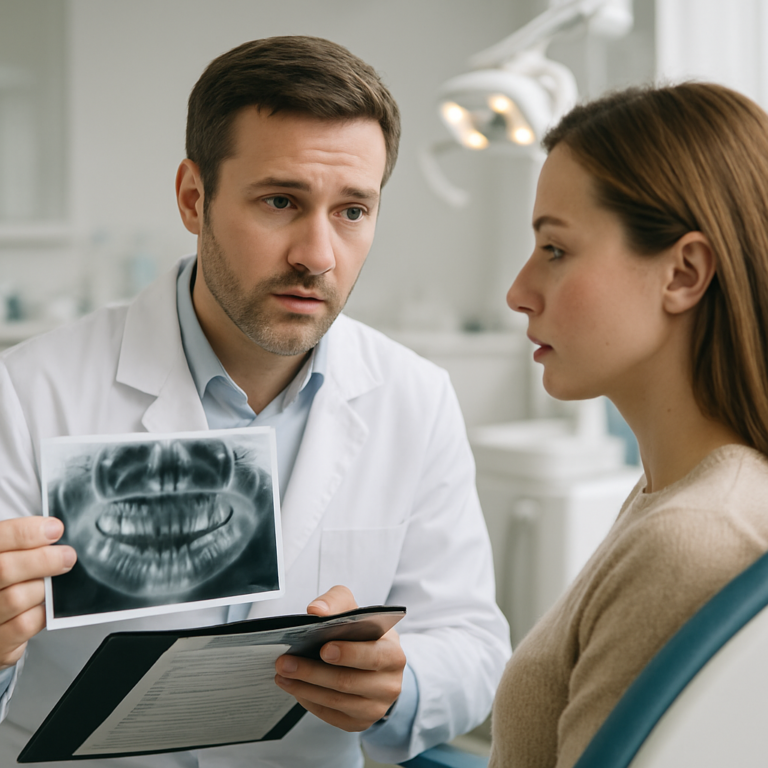
Introduction to London Root Canal Operation The London Root Canal Operation is a critical procedure designed to save teeth that are severely decayed or infected. This treatment, often feared by many, is actually a straightforward process that involves the removal of the pulp from the interior of the tooth, followed by cleaning and sealing the …

Introduction to London Root Canal Operation

The London Root Canal Operation is a critical procedure designed to save teeth that are severely decayed or infected. This treatment, often feared by many, is actually a straightforward process that involves the removal of the pulp from the interior of the tooth, followed by cleaning and sealing the space to prevent future infections. Understanding the intricacies of the London Root Canal Operation can help demystify the procedure and alleviate patient anxiety.
During the operation, local anaesthesia is administered to ensure that patients experience minimal discomfort. The dentist then creates an access point in the tooth to remove the infected pulp. This meticulous approach is crucial, as it not only preserves the tooth structure but also promotes healing. Post-treatment, patients may be advised to return for a crown placement, reinforcing the tooth’s structural integrity following the London Root Canal Operation.
In London, reputable clinics utilise advanced technology to enhance the precision and efficiency of the procedure. Digital imaging and rotary endodontics are frequently employed to ensure optimal outcomes, minimising the risks associated with traditional methods. Dentists in the capital are well-trained in the latest techniques, making the London Root Canal Operation a reliable option for those facing dental challenges.
Ultimately, a successful root canal treatment not only alleviates pain but also restores functionality to the affected tooth, contributing to overall oral health. Patients are encouraged to seek professional advice at the first sign of dental issues, as early intervention can make all the difference in the effectiveness of treatments like the London Root Canal Operation.

Understanding Swelling and Discomfort
Experiencing swelling and discomfort is a common aspect of dental procedures, particularly following treatments such as a London Root Canal Operation. Patients may find themselves questioning the reasons behind these sensations, as well as the duration they can expect them to last. Understanding these aspects is crucial in managing expectations and ensuring a smoother recovery process.
Swelling can be attributed to the body’s inflammatory response, which is triggered by the dental treatment. During a London Root Canal Operation, the dentist may need to access the inner pulp of the tooth, which can cause irritation to the surrounding tissues. This irritation is not only normal but also a sign that the body is beginning to heal. Discomfort may also arise from the local anaesthesia wearing off, leading to sensations that can fluctuate in intensity in the days following the procedure.
It is essential for patients to adhere to post-operative care instructions provided by their dentist. Ice packs can be applied to the affected area to mitigate swelling and provide relief from discomfort. Furthermore, over-the-counter pain relief may assist in managing any pain experienced after a London Root Canal Operation. Should swelling or pain persist beyond a few days, it is advisable to consult with the dental professional to rule out any complications.
In conclusion, understanding the typical responses to procedures like a London Root Canal Operation can empower patients, allowing them to navigate their recovery with greater confidence. For further information on dental care and recovery methods, visit this resource.
Common Causes of Swelling After a Root Canal
Following a London Root Canal Operation, patients may experience swelling, a common occurrence that can stem from various underlying factors. Understanding these causes is crucial for both practitioners and patients alike.
Firstly, the procedure itself can lead to inflammation of the surrounding tissues. During a London Root Canal Operation, the removal of infected tissue and the cleaning of the root canal can irritate the area. This irritation often results in swelling as part of the body’s natural healing process.
Infections are another significant cause of post-operative swelling. If any bacteria remain in the canal after the procedure, they can trigger an inflammatory response, leading to increased swelling. It is vital for dental professionals to ensure that all infected material is thoroughly removed during the London Root Canal Operation to minimise this risk.
Allergic reactions to anaesthetics or materials used during the procedure may also contribute to swelling. Some patients might have sensitivities to certain dental products, causing localised inflammation.
Lastly, patients must consider their overall health and any pre-existing conditions, as these can affect healing times and exacerbate swelling. For instance, individuals with compromised immune systems may experience more pronounced swelling following a London Root Canal Operation.
In conclusion, while swelling can be a common aftereffect of endodontic procedures, understanding its causes helps in managing expectations and improving post-operative care. Dental professionals should educate their patients about these potential outcomes to ensure a smooth recovery.
Expected Timeline for Recovery
Understanding the expected recovery timeline following a London Root Canal Operation is crucial for both patients and dental professionals. Typically, the initial phase of healing occurs within the first few days post-procedure. Patients may experience mild discomfort and swelling, which can be effectively managed with over-the-counter analgesics. It is essential for patients to adhere to their dentist’s post-operative care instructions to facilitate a smoother recovery.
Within a week, most individuals find that the acute symptoms subside significantly. By the end of this period, normal activities can generally be resumed, although some might still avoid strenuous activities to ensure optimal healing. It is during this timeframe that regular follow-up appointments with the dental professional become vital. These appointments allow the dentist to assess the success of the London Root Canal Operation and address any potential complications early on.
In the following weeks, the body continues to heal, and the treated tooth regains its strength. Patients should remain vigilant for any unusual symptoms, as these could indicate issues that require further intervention. Typically, full recovery can be expected within a month, depending on individual health factors and adherence to care guidelines.
In conclusion, while the recovery from a London Root Canal Operation is generally straightforward, understanding the timeline and following professional advice are key to ensuring that patients return to optimal dental health. For comprehensive insights into the field of dentistry, visit this relevant link.
Proven Tips for Managing Swelling
Managing swelling effectively is crucial for ensuring a swift recovery, particularly after procedures such as a London Root Canal Operation. This condition, often resulting from inflammation, can be uncomfortable and may hinder healing if not addressed properly. First and foremost, applying a cold compress to the affected area can significantly reduce swelling. It is advisable to do this for 15-20 minutes at a time, ensuring not to apply ice directly to the skin.
Hydration plays a pivotal role in recovery. Consuming ample fluids aids in flushing out toxins and reducing inflammation post-London Root Canal Operation. Additionally, diet should not be overlooked; incorporating anti-inflammatory foods such as berries, fatty fish, and leafy greens can promote healing. It is also beneficial to avoid processed foods high in sugars, as these can exacerbate swelling.
Furthermore, elevating the head while resting can assist in minimising swelling, especially during the night. For patients who have undergone a London Root Canal Operation, adhering to prescribed medication is essential, as anti-inflammatory medications can alleviate discomfort and swelling effectively.
Lastly, keeping follow-up appointments with your dental professional is vital to monitor the healing process. If swelling persists or worsens, it is important to seek advice promptly. By implementing these strategies, you can manage swelling effectively and support your recovery following a London Root Canal Operation.
Cold Compress Techniques
In the realm of dental procedures, effective pain management is paramount, particularly during intricate treatments such as the London Root Canal Operation. The application of cold compress techniques serves as a valuable adjunct to traditional methods of analgesia. These techniques not only alleviate discomfort but also help minimise swelling and inflammation post-procedure.
To employ cold compresses effectively, one must first ensure that the pack is not directly applied to the skin; wrapping it in a thin cloth is advisable to prevent frostbite. The ideal duration for application is around 15 to 20 minutes, followed by a break of the same duration. This cycle can be repeated multiple times in a day, particularly after a London Root Canal Operation, to maximise the benefits.
Furthermore, understanding the timing is crucial. Cold compresses are most effective when used immediately after the procedure, aiding in the reduction of any swelling that might occur following the London Root Canal Operation. Patients should be educated on the importance of adhering to these guidelines, as improper use can potentially exacerbate discomfort rather than alleviate it.
In conclusion, cold compress techniques represent an essential component of post-operative care, particularly for procedures like the London Root Canal Operation. By integrating such techniques with conventional pain management strategies, dental professionals can significantly enhance patient comfort and satisfaction, paving the way for smoother recovery processes. Thus, those in the dental field should consider these methods not merely as supplementary, but as integral to comprehensive patient care.
Over-the-Counter Pain Relief
In the realm of healthcare, the availability of effective over-the-counter options plays a crucial role in managing pain. Many individuals experiencing discomfort often turn to these remedies before seeking professional advice. When it comes to specific procedures like the London Root Canal Operation, understanding the right pain relief methods can significantly enhance the patient’s experience.
Typically, non-prescription medications such as ibuprofen and paracetamol are readily accessible and can alleviate mild to moderate pain associated with dental procedures. However, it is essential to approach self-medication with caution, particularly in the context of surgical interventions like the London Root Canal Operation. Patients are encouraged to consult healthcare professionals to determine the most suitable pain relief strategy tailored to their individual needs.
Post-operative discomfort following a London Root Canal Operation can vary greatly among patients, and thus, a one-size-fits-all approach to pain relief is rarely effective. Professionals often recommend that patients keep track of their pain levels and adjust their medication accordingly. Furthermore, using alternative therapies in conjunction with over-the-counter medications can enhance pain management outcomes.
In summary, while over-the-counter pain relief options are invaluable in providing immediate comfort, particularly after procedures such as the London Root Canal Operation, it is imperative to seek professional guidance to ensure safe and effective usage. By doing so, patients can enjoy a smoother recovery and a more manageable pain experience.
Lifestyle Adjustments Post-Operation
Following a medical procedure, particularly a London Root Canal Operation, patients often face the necessity of making specific lifestyle adjustments to ensure optimal recovery. The transition from the operating table to everyday life can be challenging, and understanding the nuances of post-operative care is vital for a smooth healing process.
In the immediate aftermath of a London Root Canal Operation, it is crucial to adhere to your dentist’s recommendations regarding activities. Patients should avoid strenuous exercise and maintain a calm environment, as excessive movement can cause discomfort or complications. Additionally, dietary modifications may be necessary. Soft foods are advisable in the first few days to reduce irritation to the treated area, allowing for proper healing without unnecessary strain on the teeth and gums.
Hydration is equally important. While it might be tempting to indulge in favourite beverages, it is recommended to avoid hot drinks that could exacerbate sensitivity. Instead, opt for lukewarm or cool fluids that can aid in hydration without causing discomfort.
Pain management is another critical aspect following a London Root Canal Operation. Over-the-counter pain relief can be effective, but it’s essential to consult with your dentist regarding the appropriate medication and dosage. Consistently monitoring your symptoms and reaching out to your dental professional with any concerns will also ensure a smoother recovery.
Ultimately, making these lifestyle adjustments not only promotes healing but also enhances the long-term success of your London Root Canal Operation. Engaging in open communication with your dental team will empower you to navigate this recovery phase with confidence.
Dietary Recommendations
In today’s health-conscious society, dietary recommendations play a pivotal role in maintaining overall well-being. A balanced diet is essential not just for general health but also for specific medical conditions. For instance, individuals undergoing a London Root Canal Operation must pay particular attention to their nutritional intake. Following the procedure, it is crucial to consume soft foods that are easy to chew and swallow, as the mouth may be sensitive and inflamed.
Post-operative care should include a focus on hydration and nutrient-dense options. Foods rich in vitamins and minerals can aid healing, supporting the body’s recovery after a London Root Canal Operation. It is advisable to incorporate smoothies, soups, and yoghurts into one’s diet, as these can provide essential nutrients without straining the affected areas. Avoiding hard, crunchy, or overly spicy foods is key, as these can exacerbate discomfort during the recovery phase.
Furthermore, maintaining oral hygiene while adhering to dietary recommendations is vital. Patients should continue to brush their teeth gently and rinse with warm salt water, but should be cautious not to irritate the operated area. Consulting with a healthcare professional or a nutritionist can provide tailored advice to ensure optimal recovery following a London Root Canal Operation. Ultimately, understanding the connection between diet and recovery can significantly enhance one’s healing process and promote long-term dental health. Taking these dietary considerations into account not only supports recovery but also contributes to overall well-being.
Maintaining Oral Hygiene
Maintaining good oral hygiene is essential for overall health and well-being. Regular brushing and flossing, combined with professional dental care, can significantly reduce the risk of dental issues such as cavities and gum disease. For those facing more serious concerns, procedures like the London Root Canal Operation may become necessary. This treatment is designed to save a tooth that is badly decayed or infected, ensuring it remains functional and healthy.
Ensuring proper oral hygiene helps in preventing the need for extensive treatments like the London Root Canal Operation. By adhering to a daily routine of brushing twice and flossing regularly, individuals can help keep their teeth and gums in optimal condition. Furthermore, regular dental check-ups play a crucial role in catching potential problems before they escalate. Dental professionals can identify early signs of decay or infection, often preventing the necessity of a London Root Canal Operation.
In addition to brushing and flossing, the use of mouthwash can provide added protection by reducing plaque and fighting bacteria. However, it is crucial to remember that these practices do not replace the need for professional interventions when issues arise. In cases where a tooth is severely compromised, the London Root Canal Operation serves as a vital procedure, allowing patients to preserve their natural teeth and maintain their smile.
Ultimately, prioritising oral hygiene can dramatically reduce the occurrence of dental emergencies, minimising the likelihood of needing extensive treatments such as the London Root Canal Operation. With commitment to daily care and regular dental visits, one can enjoy long-lasting dental health.
When to Seek Professional Help
Recognising when to consult a professional can be pivotal in managing dental health, especially when facing complex procedures. The London Root Canal Operation is one such instance where expert intervention is essential. It is crucial to seek professional help if you are experiencing persistent tooth pain, swelling, or sensitivity, as these symptoms may indicate that a root canal is necessary. Ignoring these signs could lead to exacerbated issues, potentially resulting in tooth loss or more severe infections.
Moreover, individuals who have been referred for a London Root Canal Operation by their general dentist should understand the importance of acting promptly. Delaying treatment not only prolongs discomfort but can complicate the procedure further. Professionals specialising in this field are equipped with advanced techniques and technology to ensure a successful outcome, minimising the risks involved.
Additionally, if you are unsure about the diagnosis or the need for a London Root Canal Operation, it is wise to seek a second opinion from a specialist. This step can provide clarity and confidence in the treatment plan proposed, ensuring that you are fully informed about your options.
In essence, recognising the right time to seek professional assistance can significantly influence your dental well-being. A timely London Root Canal Operation performed by an experienced practitioner can alleviate pain, prevent further complications, and ultimately preserve your natural teeth for years to come. Prioritising these decisions is paramount for maintaining optimal oral health.
Conclusion: Ensuring a Smooth Recovery
The path to recovery following dental procedures, particularly those as intricate as a London Root Canal Operation, is paramount for both practitioners and patients alike. Ensuring a seamless recuperation involves multifaceted strategies that prioritise patient comfort and optimal healing. Firstly, adequate post-operative care must be communicated clearly to patients. This includes understanding potential discomfort associated with a London Root Canal Operation, as well as recognising the signs of complications that may require further attention.
Moreover, practitioners should implement a robust follow-up system. Regular check-ins can significantly alleviate patient anxiety, fostering an environment where concerns are promptly addressed. This proactive approach not only deepens patient trust but also contributes to a higher success rate for procedures like the London Root Canal Operation. Additionally, providing educational resources tailored to individual patient needs can empower them in their recovery journey, equipping them with knowledge about maintaining oral hygiene post-treatment.
Finally, collaboration with dental hygienists and specialists can enrich the recovery process. As a team, they can devise comprehensive care plans that accommodate any unique circumstances surrounding the London Root Canal Operation. By adopting these practices, dental professionals not only enhance the quality of care but also ensure that patients experience a smoother transition back to their daily lives. Ultimately, the goal is to foster a supportive environment that champions both physical healing and emotional reassurance, paving the way for positive patient experiences in the realm of dental health.