Introduction to London Dental Implants In recent years, the landscape of dental care in London has witnessed significant advancements, particularly in the realm of restorative dentistry. One of the most notable innovations is the surge in popularity and efficacy of London Dental Implants. These implants offer a reliable solution for individuals suffering from tooth loss, …

Introduction to London Dental Implants

In recent years, the landscape of dental care in London has witnessed significant advancements, particularly in the realm of restorative dentistry. One of the most notable innovations is the surge in popularity and efficacy of London Dental Implants. These implants offer a reliable solution for individuals suffering from tooth loss, providing both aesthetic appeal and functional benefits.
The procedure for installing London Dental Implants typically involves the surgical placement of titanium posts into the jawbone, which act as artificial tooth roots. This not only allows for a natural-looking restoration but also helps preserve the integrity of the jawbone, which can deteriorate following tooth loss. As the demand for these implants grows, patients are often overwhelmed by the myriad of choices available.
Choosing the right dental professional for London Dental Implants is crucial, as the success of the procedure largely depends on the skill and expertise of the practitioner. Dentists in London are increasingly adopting cutting-edge technologies, such as 3D imaging and computer-assisted design, to enhance the precision and outcome of the surgery.
Furthermore, patient education plays a vital role in the process. Understanding the benefits and potential risks associated with London Dental Implants can empower individuals to make informed decisions regarding their dental health. Overall, the integration of advanced techniques and comprehensive care is setting a new standard for dental restoration in the capital, making it an exciting time for both practitioners and patients alike.
What Are Dental Implants?
Modern dentistry has revolutionised the way we approach tooth replacement, with dental implants standing out as a premier solution for those missing teeth. These titanium posts are surgically embedded into the jawbone, acting as sturdy anchors for artificial teeth. Unlike dentures or bridges, which can often be uncomfortable and require adjustments, dental implants offer a permanent solution that integrates seamlessly with the existing dental structure.
Patients considering London Dental Implants will find that this procedure not only restores functionality but also enhances aesthetics, promoting confidence in personal appearance. The process begins with a comprehensive assessment, ensuring that the jawbone is healthy enough to support the implant. Following this, a meticulous surgical procedure is conducted, often accompanied by a healing period that allows the implant to fuse with the bone — a process known as osseointegration.
For those seeking insights into this transformative dental option, London Dental Implants clinics provide extensive consultations, often detailing the expected outcomes and addressing any concerns. The longevity of dental implants is another attractive feature; with proper care, they can last a lifetime, making them a worthwhile investment for oral health.
Patients are encouraged to explore options available at local practices. For more information on the benefits and procedures associated with London Dental Implants, visit this link. Ultimately, choosing dental implants signifies not just a commitment to improved oral health but also to a renewed sense of self-confidence and quality of life.
Why Choose London for Your Implants?
For those considering dental implants, the decision of where to undergo the procedure is paramount. London offers an unparalleled combination of expertise, state-of-the-art technology, and patient care that makes it a leading destination for dental implants. Renowned for its highly qualified professionals, the city boasts specialists with extensive training and experience in the field of London Dental Implants. Many practitioners have studied and worked internationally, bringing a wealth of knowledge to their practices.
Furthermore, the advanced dental clinics in London are equipped with the latest innovations in implant technology, ensuring that patients receive top-tier treatment. This includes the use of advanced imaging techniques and cutting-edge materials, which contribute to the longevity and success rate of London Dental Implants. Patients can expect a comprehensive consultation process, where tailored treatment plans are designed to meet individual needs, thus ensuring optimal outcomes.
Moreover, the emphasis on patient comfort and care in London’s dental clinics cannot be overstated. Many practices offer a calming environment and a commitment to pain management, making the implant procedure as comfortable as possible. This dedication to patient satisfaction is a key factor that distinguishes London Dental Implants from those offered elsewhere.
In summary, choosing London for dental implants means opting for a blend of expertise, innovation, and exceptional patient care, making it a wise decision for anyone seeking a reliable and effective solution to their dental needs. With its rich resources and highly trained professionals, London stands as a premier choice for anyone considering London Dental Implants.
Understanding Swelling and Discomfort
Swelling and discomfort are common concerns in various medical and dental contexts, often arising from different underlying causes. In dentistry, particularly with procedures such as implants, these symptoms can be indicative of the body’s natural healing response. For instance, following the placement of London Dental Implants, patients may experience localized swelling as a normal reaction to surgery. This initial inflammation is crucial as it facilitates the healing process, but understanding the nuances of swelling can significantly affect patient management and comfort levels.
To differentiate between normal post-operative swelling and signs of complications, practitioners must assess the degree and duration of discomfort. Mild swelling is generally expected, peaking within 48 hours before gradually subsiding. However, persistent or severe swelling may signal an infection or other complications requiring prompt attention. It is vital for patients to be educated on the typical recovery trajectory associated with London Dental Implants, ensuring they know when to seek further advice.
In addition, pre-emptive measures, such as applying ice packs and adhering to prescribed medication, can mitigate discomfort and support a smoother recovery process. Educating patients about these aspects not only alleviates anxiety but enhances their overall experience with dental care. For more comprehensive insights into dental procedures and their implications, you may visit this informative link. Ultimately, understanding the relationship between swelling, discomfort, and the healing process is essential for both practitioners and patients navigating the journey of London Dental Implants.
Common Causes of Swelling
Swelling can occur for a variety of reasons, often indicating an underlying issue that requires attention. One common cause is inflammation, which typically arises as part of the body’s immune response to injury or infection. For instance, dental issues can lead to significant swelling in the gums or surrounding tissues, making it crucial for individuals to seek professional advice. In such cases, London Dental Implants can provide a viable solution for those experiencing tooth loss or severe dental problems, as they are designed to restore both function and aesthetic appearance.
Another frequent cause of swelling is fluid retention, which can be attributed to dietary factors, hormonal changes, or certain medical conditions. This can lead to general swelling in the extremities or face, which can be particularly distressing. Consulting with healthcare professionals is essential for effective management and treatment.
Allergies may also play a significant role in causing swelling. Reactions to foods, medications, or environmental factors can trigger an inflammatory response that manifests as swelling in various parts of the body. Individuals who experience such symptoms may benefit from seeking advice on potential treatments, including options like London Dental Implants for those with dental-related allergies.
Moreover, chronic diseases, such as heart or kidney disorders, can lead to persistent swelling, necessitating a comprehensive approach to treatment. It’s vital to address these health concerns holistically. In the realm of dental health, seeking expert guidance, especially in London Dental Implants, can significantly mitigate complications arising from dental issues, ensuring both health and peace of mind.
Expected Discomfort Levels After Surgery
Understanding what to expect after dental surgery is crucial for patient satisfaction and recovery. Following procedures such as implants, it’s normal to experience varying levels of discomfort. Factors influencing these sensations include the complexity of the surgery, individual pain thresholds, and post-operative care. For example, patients undergoing London Dental Implants may find the initial recovery period slightly uncomfortable due to swelling and sensitivity in the gums. However, this discomfort is generally manageable with prescribed pain relief and adhering to aftercare instructions.
Many practitioners highlight that while some discomfort is expected, it usually subsides significantly within a few days. Those who opt for London Dental Implants can often return to their daily activities relatively quickly, provided they follow the guidelines set by their dental professionals. It’s essential to communicate openly with your dentist about any concerns regarding pain management and recovery timelines.
Moreover, employing techniques such as ice packs and maintaining a soft diet can greatly alleviate discomfort levels during the initial healing phase. Patients who prepare adequately for the aftercare associated with London Dental Implants tend to experience a smoother recovery. Understanding these factors not only sets realistic expectations but also empowers individuals to manage their recovery effectively. Ultimately, being informed about the expected discomfort can lead to a more positive experience following dental procedures.
Effective Solutions for Managing Swelling
Effective management of swelling is crucial in various medical and dental scenarios. Particularly within the realm of oral health, understanding the underlying causes and implementing appropriate interventions can significantly enhance patient outcomes. Commonly, swelling may occur as a result of surgical procedures or dental implants. Consequently, after undergoing London Dental Implants, patients often encounter varying degrees of inflammation, necessitating effective management strategies.
The initial step in combating swelling involves ice application, which serves to constrict blood vessels and reduce inflammation. Patients are advised to apply cold compresses intermittently during the first 48 hours post-procedure. Furthermore, maintaining an elevated head position can aid in minimising swelling, allowing gravity to assist in fluid drainage.
In conjunction with physical methods, pharmacological interventions play a vital role. Non-steroidal anti-inflammatory drugs (NSAIDs) are commonly recommended to alleviate discomfort and reduce swelling following London Dental Implants. Such medications not only address pain but also target the inflammatory response, enhancing the healing process.
Moreover, oral hygiene should not be neglected, as maintaining a clean surgical site is essential for preventing infection and subsequent swelling. Patients are encouraged to use gentle rinses and avoid mechanical disruptions in the initial healing phase.
In summary, a multifaceted approach to managing swelling post-London Dental Implants is paramount. By implementing cold therapy, judicious use of medication, and maintaining proper oral hygiene, healthcare professionals can significantly improve recovery experiences for their patients. Understanding these strategies is essential for any practitioner involved in dental care or oral surgery.
Ice Therapy: The First Line of Defence
In the realm of modern dentistry, particularly within the context of restorative procedures, cold therapy has emerged as a pivotal method for alleviating discomfort and promoting healing. This innovative approach, often referred to as cryotherapy, utilises ice packs or cryo-units to reduce inflammation and numb pain, thus serving as a vital first response post-treatment. For those undergoing procedures such as London Dental Implants, the immediate aftermath can be accompanied by swelling and sensitivity. Employing ice therapy effectively mitigates these symptoms, ensuring a smoother recovery trajectory.
Moreover, ice therapy is not solely beneficial in the short term; its consistent application can enhance overall outcomes for patients receiving London Dental Implants. By reducing blood flow to the treated area, it helps in minimising swelling while simultaneously promoting an environment conducive to healing. Dentists frequently recommend this technique as an integral part of recovery protocols, thereby empowering patients with knowledge on self-care measures that can significantly influence their comfort levels.
Furthermore, dental professionals across London advocate the integration of ice therapy into the post-operative care regimen for London Dental Implants. This practice not only enhances patient satisfaction but also reinforces the importance of holistic recovery strategies. As the dental field continues to evolve, it is essential for practitioners to remain abreast of such innovative techniques that encourage effective healing. Ultimately, ice therapy stands out as a foundational tool, enhancing recovery experiences and ensuring that patients can return to their daily activities with minimal disruption.
Medication: What You Need to Know
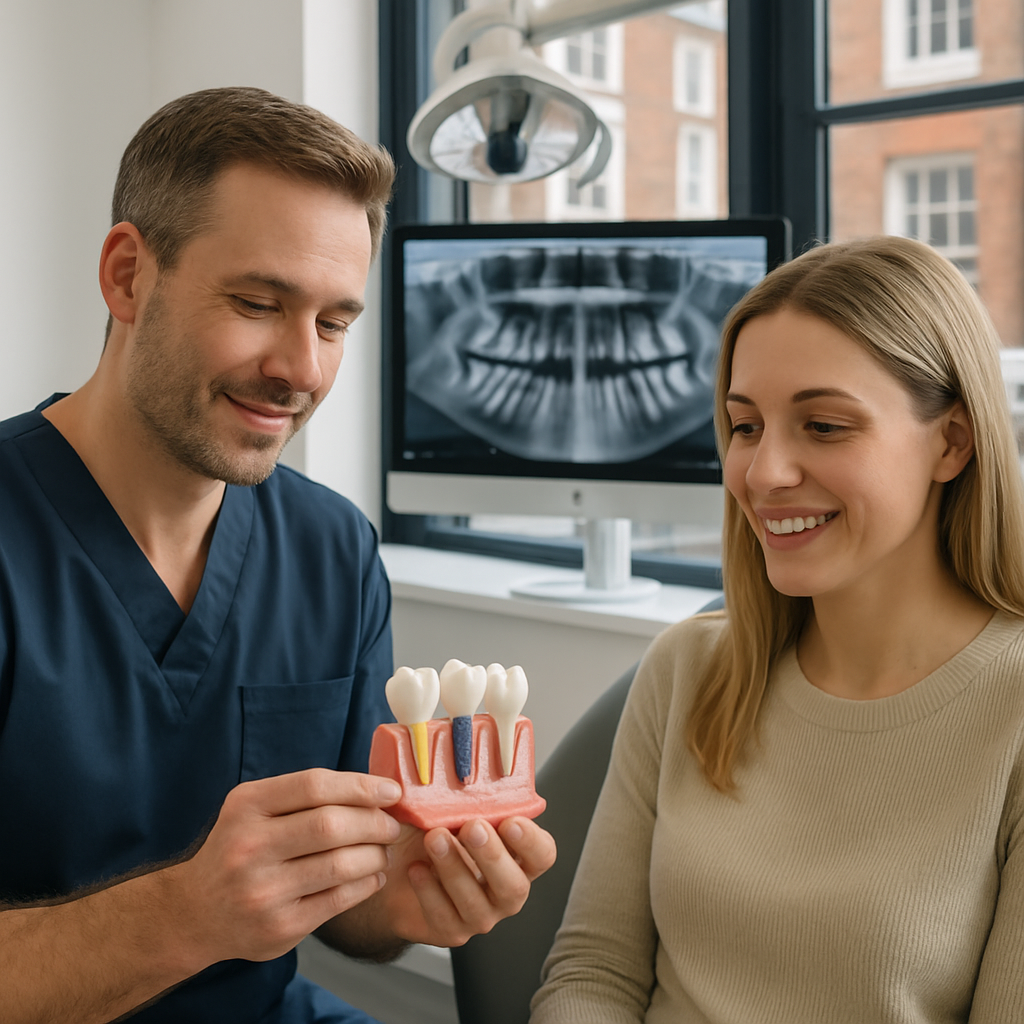
Understanding the intricacies of medication is vital for both healthcare professionals and patients alike. In the realm of dental care, the use of medication can greatly enhance patient outcomes, particularly concerning procedures like London Dental Implants. Effective pain management and infection control are paramount in ensuring a smooth recovery process. Patients should be informed about the types of medication that may be prescribed post-surgery, which commonly includes analgesics and antibiotics.
Moreover, it’s crucial to emphasise the importance of adhering to the prescribed dosage and duration. Non-compliance can lead to complications that may undermine the success of procedures such as London Dental Implants. Patients must be aware of potential side effects and interactions with other medications they may be taking. This is where the role of the dental professional becomes indispensable; educating patients not only about the medications themselves but also about their significance in the healing process.
Additionally, pre-operative medication management, such as the use of anxiolytics for anxious patients, can facilitate a more comfortable experience leading up to the procedure. This aspect is particularly relevant in the context of London Dental Implants, where patient comfort is crucial.
In conclusion, effective communication about medications is essential in the dental field. Ensuring that patients fully understand their medications can significantly improve their overall experience and outcomes, particularly in procedures as intricate as London Dental Implants. By prioritising education and adherence, healthcare professionals can foster better health practices and enhance patient satisfaction.
Elevation and Rest: Importance for Recovery
In the realm of physical recovery, the significance of both elevation and rest cannot be overstated. Elevation, particularly for individuals undergoing surgical procedures or those battling inflammation, aids in reducing swelling and promoting efficient blood circulation. This is especially pertinent for patients considering London Dental Implants, as proper post-operative care can significantly impact healing outcomes. By elevating the affected area, individuals can facilitate lymphatic drainage and mitigate discomfort, fostering a more conducive environment for recovery.
Rest, on the other hand, plays an equally crucial role. Engaging in restorative practices allows the body to allocate energy towards healing and regeneration. For those who have recently undergone dental procedures, such as London Dental Implants, it becomes essential to refrain from strenuous activities that may jeopardise the delicate healing process. By prioritising rest, patients can ensure that the body responds optimally to the surgical intervention, reducing the risk of complications and enhancing overall satisfaction with the procedure.
Both elevation and rest are integral to a holistic recovery strategy, particularly in the context of dental surgery. As practitioners in the field of London Dental Implants continue to emphasise the importance of post-operative care, patients must also adopt a proactive role. Understanding the synergy between these two elements can lead to quicker recovery times and improved surgical outcomes, empowering patients to embrace their new smiles with confidence. Thus, incorporating practices that promote elevation and rest is not merely a recommendation but a necessity for anyone undergoing significant dental procedures.
How to Alleviate Discomfort After Implants
Experiencing discomfort after dental implants is a common concern among patients, but there are several effective strategies to mitigate these sensations. Following the placement of London Dental Implants, patients may encounter swelling, tenderness, or general unease in the treated area. To alleviate these symptoms, it is vital to adhere to post-operative care instructions provided by your dental professional.
One of the most recommended approaches is the application of ice packs to the outside of the face for the first 48 hours. This method effectively reduces swelling and numbs the area, thereby minimising pain. Over-the-counter analgesics, such as ibuprofen or paracetamol, can also be beneficial in managing discomfort. It is crucial, however, to consult with your dentist regarding appropriate medication, especially if you are taking other prescriptions.
Maintaining a soft diet is another essential aspect of recovery after London Dental Implants. Foods such as yogurt, mashed potatoes, and soups not only ease the process of eating but also prevent irritation to the surgical site. Furthermore, staying hydrated ensures that your body heals efficiently.
Rest is equally important; engaging in light activities while avoiding strenuous exercise can facilitate a smoother recovery. Regular follow-ups with your dental provider are vital to ensuring that the healing process is on track. Should discomfort persist or worsen, promptly seeking professional advice is imperative. An informed approach to aftercare can significantly enhance your recovery experience following London Dental Implants and ensure a successful outcome.
Dietary Adjustments: Foods to Eat and Avoid
Making informed dietary adjustments is crucial for maintaining optimal oral health, particularly for those considering or undergoing procedures like London Dental Implants. Incorporating nutrient-rich foods can significantly enhance healing and promote long-term success. For instance, high-protein foods such as lean meats, fish, beans, and dairy products are essential as they support tissue repair and regeneration. Additionally, vitamins and minerals play a pivotal role; foods rich in vitamin C, such as citrus fruits and leafy greens, can strengthen gums and enhance overall oral health.
Conversely, certain foods should be approached with caution. Sugary snacks and beverages can contribute to tooth decay and gum disease, potentially jeopardising the longevity of dental procedures, including London Dental Implants. Sticky foods, which cling to teeth, can also pose a risk if not adequately managed. Moreover, acidic items, like sodas and citrus juices, can erode enamel and further complicate one’s dental health.
To ensure the best outcomes, it’s advisable to prioritise hydration. Water is not only essential for overall health but also assists in rinsing away food particles and bacteria. Following dental work, particularly invasive procedures such as London Dental Implants, adhering to a balanced diet rich in the aforementioned nutrients can significantly influence recovery time and effectiveness. Engaging with a dental professional or nutritionist is recommended to tailor dietary plans that sync with individual health needs and dental objectives, ensuring a holistic approach to oral care.
Oral Hygiene: Maintaining Cleanliness Post-Surgery
Ensuring proper oral hygiene after a surgical procedure is paramount for recovery and overall dental health. After undergoing surgery, patients may experience swelling, discomfort, or altered sensation, making traditional oral care routines challenging. For those considering or having recently undergone procedures facilitated by London Dental Implants, adhering to specific hygiene protocols can significantly influence the healing process.
Firstly, it is advisable to wait at least 24 hours before resuming regular brushing, particularly around the surgical site. Instead, a gentle rinse with warm salt water can help to keep the area clean and reduce inflammation. This not only assists in maintaining cleanliness but also promotes healing, especially for patients who have received implants through London Dental Implants.
In addition to managing immediate hygiene concerns, it is crucial to avoid certain foods that could disrupt the surgical site. Soft foods are recommended initially, as they are less likely to irritate the area. Additionally, using an antiseptic mouthwash can offer extra protection, ensuring that harmful bacteria do not compromise the integrity of the implant provided by London Dental Implants.
Regular follow-up appointments are also essential. These visits allow dental professionals to monitor the healing progress and provide tailored advice on hygiene practices suited to individual needs. Being proactive in maintaining oral cleanliness post-surgery is vital, particularly for those investing in procedures from esteemed providers like London Dental Implants. By following these guidelines, patients can significantly enhance their recovery experience and contribute to the long-term success of their dental implants.
When to Contact Your Dentist
Understanding when to reach out to your dental practitioner is crucial for maintaining optimal oral health. Regular check-ups are paramount, but certain situations necessitate immediate contact. For instance, if you experience sudden tooth pain, swelling, or bleeding gums, these could be indicators of an underlying issue requiring urgent attention. Procrastination in addressing these symptoms can lead to more severe complications, making timely intervention essential.
Additionally, if you have undergone any procedures, such as London Dental Implants, it is advisable to consult your dentist if you notice unusual discomfort or signs of infection. Post-operative care is a significant aspect of recovery, and your dentist will provide guidance tailor-made for your situation. Moreover, if you have concerns about your implants, such as difficulty in chewing or changes in sensation, do not hesitate to reach out for professional advice.
Routine maintenance and care should not be overlooked either. If it has been more than six months since your last visit, it’s wise to schedule an appointment. Regular check-ups can help detect issues early, potentially preventing the need for more invasive treatments later.
In summary, knowing when to contact your dentist can save you from developing more serious dental problems. Whether it’s a routine inquiry or a reaction to recent procedures such as London Dental Implants, staying proactive with your dental health ensures that you maintain a bright smile for years to come. Always remember, your dentist is there to help you navigate any dental challenges you may face.
Conclusion: Ensuring a Smooth Recovery Experience
Navigating the complexities of dental procedures can often be daunting for patients, particularly when it comes to ensuring a smooth recovery experience. The role of professionals in the realm of London Dental Implants is pivotal; they not only provide the technical expertise required for the surgical aspect but also offer invaluable support during the recovery phase. A well-orchestrated aftercare plan can significantly ease the transition for patients, alleviating concerns and promoting confidence in their decisions.
Effective communication is essential throughout the recovery process. Patients should be thoroughly informed about what to expect post-surgery, including potential discomfort and the importance of adhering to prescribed guidelines. This approach not only empowers patients but also fosters a sense of partnership between them and their dental care providers. Furthermore, the utilisation of high-quality materials and techniques in London Dental Implants contributes to a more predictable and smoother recovery, reducing the risk of complications significantly.
Regular follow-up appointments can also play a crucial role in achieving a seamless recovery experience. These check-ins allow dental professionals to monitor healing progress, address any emerging issues, and reassure patients, thereby enhancing their overall satisfaction. Ultimately, the commitment to patient care during the recovery phase reflects the broader ethos of dental practices specialising in London Dental Implants. By prioritising patient comfort and wellbeing, practitioners can help ensure that this vital journey is as pleasant and effective as possible, leading to long-term success and patient loyalty.