Introduction to Dental Fillings Dental fillings play a crucial role in restorative dentistry, particularly for addressing cavities and tooth decay. When a tooth is compromised by decay, a filling serves to restore its integrity and function. In London, a prominent choice for restorative solutions is the London Dental Filling, which embodies both the latest advances …

Introduction to Dental Fillings

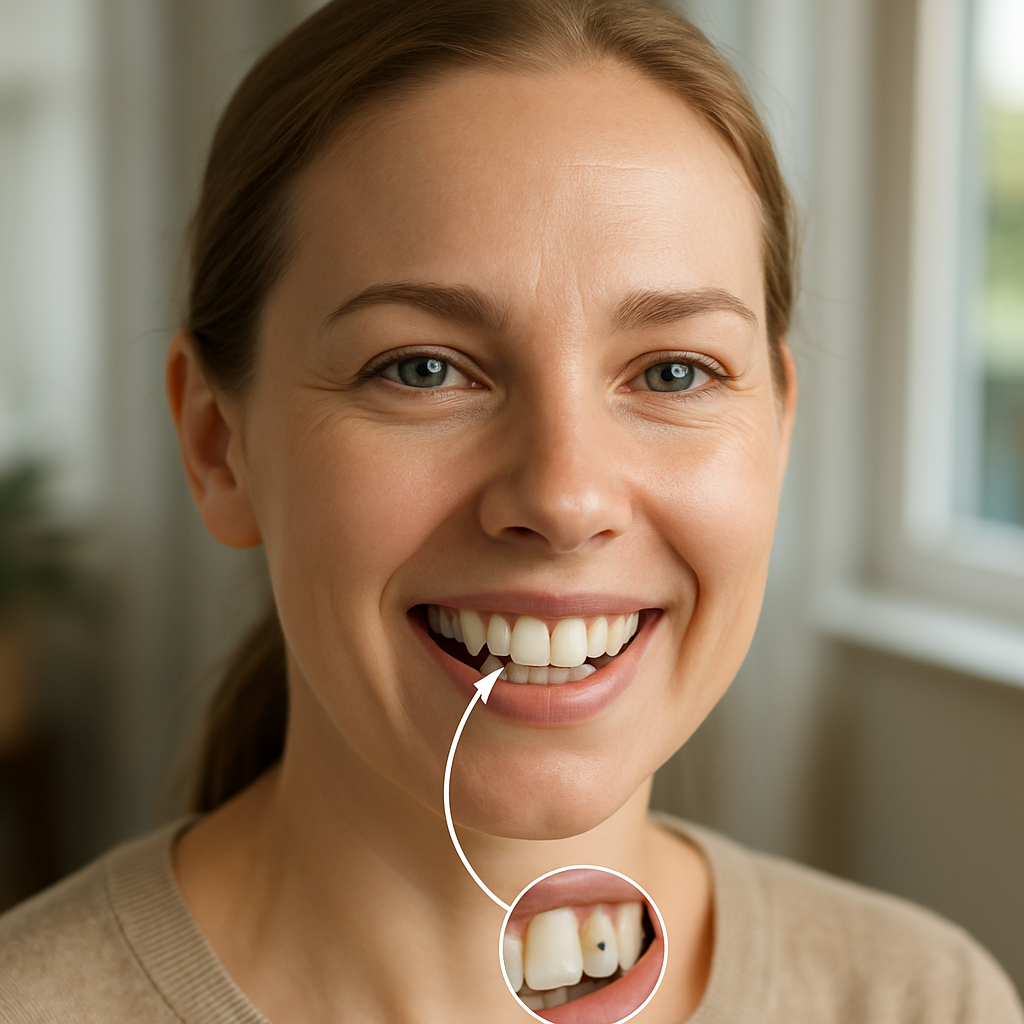
Dental fillings play a crucial role in restorative dentistry, particularly for addressing cavities and tooth decay. When a tooth is compromised by decay, a filling serves to restore its integrity and function. In London, a prominent choice for restorative solutions is the London Dental Filling, which embodies both the latest advances in dental materials and techniques.
Fillings can be composed of various materials, including composite resins, amalgam, and gold. The selection often depends on factors such as the location of the tooth, the extent of decay, and patient preference. In London, dental practitioners are increasingly utilising composite fillings due to their aesthetic appeal and ability to blend seamlessly with natural tooth colour. Patients seeking a London Dental Filling can expect a procedure that is both efficient and minimally invasive, typically completed within a single visit.
Moreover, advancements in dental technology have enabled the use of digital imaging and laser dentistry, which enhance precision during the filling process. This is particularly important in a city like London, where patients prioritise not only functionality but also cosmetic results. Educating patients about the importance of timely intervention can significantly influence oral health outcomes, thereby reducing the need for extensive procedures in the future.
Ultimately, the choice of a London Dental Filling should be made in consultation with a qualified dental professional, who can provide tailored advice based on individual needs and circumstances. By choosing the right filling material and maintaining regular dental check-ups, patients can ensure the longevity of their dental restorations and overall oral health.
Importance of Aftercare for Dental Fillings
Aftercare following dental fillings is an essential aspect of maintaining oral health and ensuring the longevity of the procedure. Proper aftercare not only helps in promoting healing but also plays a significant role in preventing complications that could arise from neglecting post-treatment guidelines. In the bustling city of London, where dental practices such as London Dental Filling clinics thrive, understanding the importance of this aspect becomes increasingly vital.
Patients should be informed about the necessary steps they need to take post-treatment, such as avoiding hard or sticky foods immediately after the procedure. It is also crucial to maintain impeccable oral hygiene, as this aids in preventing any potential infections or decay around the filling. Regular check-ups at a reputable London Dental Filling practice ensure that any issues are addressed promptly, thus safeguarding the patient’s oral health.
Moreover, patients must be aware of the signs that may indicate complications, such as persistent pain or sensitivity in the filled tooth. Timely intervention from professionals in London Dental Filling clinics can make a substantial difference in outcomes. Educating patients on the significance of aftercare will not only improve their overall satisfaction with their dental work but also foster a deeper understanding of their oral health.
For more detailed information on aftercare practices and to ensure your dental health is in expert hands, visit this resource. By taking these necessary precautions, patients can enjoy the benefits of their dental fillings for years to come, thus reinforcing the importance of diligent aftercare.
Common Types of Dental Fillings in London
Dental fillings have become an integral part of restorative dentistry, particularly in urban centres like London. Understanding the various types available can help patients make informed decisions regarding their dental care. One of the most common materials used is composite resin, which offers a natural appearance, blending seamlessly with teeth. This is particularly beneficial for those seeking aesthetic solutions, as London Dental Filling practices often prioritise cosmetic outcomes alongside functionality.
Another popular choice is amalgam, known for its durability and cost-effectiveness. This type of filling is composed of a mixture of metals, making it ideal for posterior teeth where biting pressure is greatest. While not as aesthetically pleasing as composite options, amalgam remains a staple in many London Dental Filling clinics due to its longevity and strength.
Ceramic fillings, made from porcelain, offer an excellent alternative for those concerned about aesthetics but willing to invest more. They provide a natural look while being both strong and resistant to staining. These are increasingly recommended by London Dental Filling professionals for patients looking for a balance between durability and appearance.
Lastly, glass ionomer fillings are unique in their ability to release fluoride, which can help protect the tooth from further decay. Ideal for patients with a high risk of cavities, these fillings may not be as durable as other materials but are a valuable option in specific cases.
In conclusion, the variety of fillings available in London allows individuals to choose according to their needs, whether it be aesthetics, durability, or dental health. Consulting with a London Dental Filling expert can help clarify the best options tailored to individual circumstances.
What to Expect After Your Filling Procedure
Following a dental filling procedure, it is common to experience a range of sensations and minor changes as your mouth adjusts to the restoration. Initially, you may feel some numbness in the treated area due to the local anaesthetic used during the procedure. This sensation typically subsides within a few hours, but it is crucial to avoid chewing or biting on the side of the filling until the numbness has completely worn off to prevent accidental injury to your tongue or cheeks.
Once the anaesthesia has worn off, you may notice some sensitivity in the filled tooth, particularly when consuming hot or cold beverages. This is a normal response as the tooth adapts to the presence of the filling material. If discomfort persists beyond a few days, it is advisable to consult your dentist, as this may indicate that the filling is not correctly aligned or that further treatment is necessary.
In the context of London Dental Filling procedures, it is also important to maintain proper oral hygiene to ensure the longevity of your filling. Regular brushing, flossing, and scheduled check-ups are essential practices that help prevent decay from recurring in the filled tooth. Additionally, partaking in a balanced diet can contribute to overall dental health, particularly in the immediate aftermath of receiving a filling.
Should you wish to gain more insights into the various aspects of dental care, including fillings, explore this comprehensive resource. Remember, proactive dental care post-treatment is vital for ensuring that your dental fillings remain effective and your smile stays healthy.
10 Key Aftercare Tips for London Dental Filling
Following a London Dental Filling procedure, it is crucial to adhere to specific aftercare guidelines to ensure optimal healing and long-lasting results. Initially, it is advisable to avoid chewing on the side of the filling for at least 24 hours. This precaution helps in preventing any displacement or damage to the newly filled area. Additionally, one should be cautious with hot food and beverages, as the anaesthetic used during the procedure can dull sensation, resulting in potential burns.
Maintaining excellent oral hygiene is paramount. Gently brushing the filled area, along with flossing, is essential to prevent plaque accumulation. However, it is prudent to wait for at least 24 hours before flossing around the newly treated tooth to allow the filling to set properly.
Regular follow-up appointments with your dentist are vital to monitor the integrity of the London Dental Filling. If any discomfort or unusual sensitivity persists beyond a few days, it is imperative to consult your dental professional.
Additionally, it’s beneficial to avoid highly acidic or sticky foods that can compromise the filling’s durability. Staying hydrated and incorporating a balanced diet aids in overall oral health.
Finally, utilising a non-alcoholic mouthwash can help keep your mouth clean without irritating the filling. By following these aftercare tips, you can ensure the longevity of your London Dental Filling and maintain a healthy, beautiful smile.
Tip 1: Follow Your Dentist’s Instructions
Maintaining optimal dental health is paramount, and one of the most effective ways to achieve this is by adhering closely to your dentist’s guidance. Regular consultations and follow-up appointments ensure that any issues are addressed promptly, particularly for procedures such as London Dental Filling. After receiving this treatment, it is crucial to follow your dentist’s post-procedure instructions meticulously. This may include maintaining a specific diet, practising good oral hygiene, and avoiding certain activities that could jeopardise the integrity of the filling.
For instance, if your dentist advises you to steer clear of hard foods for a few days following your London Dental Filling, it is wise to comply. Such recommendations are designed to allow the filling to set properly and prevent unnecessary damage. Additionally, your dentist may prescribe antibiotics or analgesics to manage pain or prevent infection. Taking these medications as instructed can significantly enhance your recovery process.
Moreover, regular check-ups post-treatment play a vital role in monitoring the longevity of your London Dental Filling. Your dentist will evaluate the filling’s condition and determine if any adjustments are necessary. Ignoring these instructions or neglecting follow-up appointments can lead to complications that may require more extensive treatment and, potentially, additional expenses.
In conclusion, following your dentist’s instructions is not merely a suggestion; it is an essential aspect of ensuring the success of your dental treatments, especially when it comes to procedures like London Dental Filling. Prioritising this guidance will pave the way for a healthier smile and more robust oral health overall.
Tip 2: Avoid Hard and Sticky Foods
When considering dietary choices for dental health, it is essential to avoid certain types of foods that can compromise the integrity of your dental fillings. Hard and sticky foods pose significant threats, particularly for those who have recently undergone dental restoration. The pressure exerted on dental fillings during the consumption of such foods can lead to discomfort and in some cases, the failure of the filling itself.
The nature of hard foods can lead to cracking or dislodging fillings, which is especially pertinent when considering London Dental Filling procedures. Patients should be cautious with items such as hard candies, nuts, and even raw vegetables, as these can exert undue pressure on dental work. On the other hand, sticky foods, including toffees and certain types of bread, can cling to fillings and create an environment conducive to decay, particularly if oral hygiene practices are not meticulously followed.
It is advisable to consult your dentist for tailored recommendations following any London Dental Filling treatment. They can provide guidance on how long to avoid specific foods and suggest safer alternatives to maintain both your fillings and overall dental health. Furthermore, adopting a diet low in hard and sticky foods not only preserves the longevity of your London Dental Filling but also contributes to better oral health in the long term. By making informed choices and adhering to professional advice, patients can ensure their dental investments are protected and remain functional for years to come.
Tip 3: Maintain Oral Hygiene Practices
Maintaining optimal oral hygiene is essential for preventing dental issues, especially in urban settings like London. Regular dental check-ups and cleanings play a pivotal role in identifying potential problems before they escalate. When it comes to London Dental Filling, understanding the importance of oral hygiene practices cannot be overstated. Consistent brushing and flossing not only keep your teeth clean but also help prevent cavities and the need for fillings.
Moreover, using fluoride toothpaste strengthens enamel and combats decay. For individuals in London, where lifestyle choices may contribute to oral health problems, incorporating mouthwash into daily routines can further enhance cleanliness and reduce plaque. It is crucial to remember that neglecting oral hygiene can lead to more severe conditions, necessitating treatments such as London Dental Filling.
Regularly replacing your toothbrush—ideally every three months—ensures effective cleaning. Additionally, maintaining a balanced diet, rich in vitamins and minerals, supports gum health and reduces the likelihood of dental procedures. When faced with dental concerns, engaging with professionals who specialise in London Dental Filling ensures that you receive the highest standard of care tailored to your needs.
Ultimately, fostering a proactive approach to oral hygiene not only preserves your smile but also minimises the reliance on restorative treatments. By prioritising these practices, residents can protect their dental health and enjoy a vibrant, confident lifestyle. In conclusion, whether you’re in need of London Dental Filling or simply wish to maintain your dental health, consistent oral hygiene is the foundation for a lifetime of healthy teeth.
Tip 4: Manage Discomfort with Over-the-Counter Pain Relief
Managing discomfort effectively is crucial for individuals undergoing procedures such as London Dental Filling. Over-the-counter pain relief can play a significant role in alleviating any discomfort that may arise during the recovery period. It is essential to select appropriate analgesics tailored to your needs, as this can make a substantial difference in your overall experience.
Non-steroidal anti-inflammatory drugs (NSAIDs), such as ibuprofen, are often recommended for managing pain after dental work. Their dual action not only reduces pain but also combats inflammation, which can be particularly beneficial following a London Dental Filling. Paracetamol is another widely used option that provides effective pain management for many patients. However, it is advisable to consult with your dental professional regarding the best choice for your specific situation, especially if you have pre-existing health conditions.
Timing is also critical when it comes to administering pain relief. Taking medication pre-emptively, before discomfort arises, can significantly enhance your comfort levels. For some patients, intermittent doses may provide the best results during the initial recovery phase after a London Dental Filling.
Lastly, always adhere to the recommended dosage and guidelines to avoid potential side effects. If discomfort persists despite adequate pain management, returning to your dental professional is vital to ensure that everything is healing correctly. By effectively managing discomfort with over-the-counter options, patients can focus on recovery and return to their daily routines sooner, making the experience of London Dental Filling more tolerable.

Tip 5: Stay Hydrated but Avoid Hot Beverages
Maintaining proper hydration is paramount, particularly in the context of oral health. While it may be tempting to indulge in hot beverages, professionals suggest steering clear of them for optimal dental wellbeing. Hot drinks can elevate the temperature in the oral cavity, potentially leading to increased sensitivity or discomfort, especially for those who have recently undergone procedures like London Dental Filling.
When considering hydration, water remains the best choice. It not only helps wash away food particles and bacteria but also aids in maintaining the necessary moisture levels in the mouth, preventing dry mouth, which can exacerbate dental problems. After a London Dental Filling, patients should be particularly cautious, as the healing process can be sensitive to temperature fluctuations.
Moreover, many hot beverages contain acids or sugars that can erode enamel, further complicating recovery. Choosing cooler alternatives, such as iced herbal teas or simply chilled water, can provide the necessary hydration without the associated risks of hot drinks.
Finally, for individuals who have undergone treatments like London Dental Filling, consulting with a dental professional about dietary choices is wise. They can offer tailored advice on maintaining hydration without compromising dental health. In summary, while staying hydrated is essential, opting for cooler beverages over hot ones aligns with best practices for those engaged in dental care, especially after a London Dental Filling procedure. Prioritising oral health in this manner can lead to a more comfortable and speedy recovery.
Tip 6: Schedule a Follow-Up Appointment
Establishing a follow-up appointment is crucial for ensuring patient satisfaction and achieving optimal treatment outcomes in dentistry. After a procedure such as London Dental Filling, it is imperative to assess the patient’s healing process and address any concerns they may have. By scheduling a follow-up, dental professionals can confirm that the filling is functioning as intended and that no complications have arisen, which fosters trust and reinforces patient loyalty.
Moreover, a follow-up appointment provides an opportunity for practitioners to educate patients about proper oral hygiene and maintenance following their treatment. This is particularly important for those who may be unfamiliar with the implications of having a London Dental Filling. Through this engagement, dentists can clarify any misconceptions and encourage adherence to post-treatment care routines.
In addition, a dedicated follow-up can significantly enhance the overall patient experience. Patients often appreciate when their dental provider takes the time to check on their progress. This not only reassures them about their oral health but also opens a channel for dialogue, allowing practitioners to gather feedback on their services. Engaging patients in this manner can lead to valuable insights that may improve future dental practices.
In summary, scheduling a follow-up appointment is not merely a procedural formality; it is a pivotal aspect of comprehensive dental care. For practitioners focused on London Dental Filling, this step can elevate their practice by promoting better patient outcomes and fostering long-lasting relationships with their clientele.
Tip 7: Watch for Allergic Reactions
In any dental practice, vigilance for allergic reactions is paramount, particularly in procedures involving materials such as fillings. When considering London Dental Filling, professionals must remain alert to the possibility of patients exhibiting sensitivities to certain dental materials. Common allergens include metals such as nickel, which may be present in some dental amalgams, as well as various resins used in composite fillings.
It’s essential for practitioners to conduct thorough medical histories and to ask pointed questions regarding any known allergies before proceeding with treatment. This diligence could prevent adverse reactions that may compromise patient safety and satisfaction. In cases where patients have a history of allergies, opting for hypoallergenic materials could be a prudent choice when performing London Dental Filling procedures.
Moreover, it is advisable to remain informed about the latest developments in dental materials, as innovations often lead to the introduction of safer alternatives. Educating patients on the materials used in their treatments can also foster transparency and alleviate concerns regarding allergies.
In the event of an allergic reaction, a swift response is critical. Having protocols in place for managing such incidents ensures the safety of patients receiving London Dental Filling. This includes the availability of emergency medications and trained staff prepared to handle these situations. Ultimately, by prioritising the identification and management of allergies, dental professionals can enhance the quality of care provided and ensure a positive experience for their patients seeking London Dental Filling treatments.
Tip 8: Be Mindful of Sensitivity
In the realm of dental care, particularly when discussing procedures such as London Dental Filling, it is essential to approach the topic with a heightened awareness of sensitivity. Patients seeking dental treatment often carry existing anxieties related to their oral health, and this can be exacerbated by misconceptions around procedures like fillings. Consequently, professionals in the field must adopt a compassionate and understanding tone when communicating with patients.
When discussing London Dental Filling, practitioners should be mindful of the terminology used. Simple, clear language can demystify the process, making it less daunting for patients. Moreover, recognising individual sensitivities—whether they pertain to fear of pain or previous negative experiences—can foster trust and encourage open dialogue.
Moreover, the technique of active listening plays a pivotal role in alleviating anxiety. Ensuring that patients feel heard and understood not only enhances their comfort levels but also empowers them to ask questions regarding their treatment. This is particularly relevant in the context of London Dental Filling, where patients may have specific concerns about the procedure’s implications and aftercare.
Furthermore, following up with patients post-procedure can further demonstrate sensitivity. A simple check-in can provide reassurance and confirm that they are recovering well, thus reinforcing a positive relationship. In summary, by prioritising sensitivity in discussions about London Dental Filling, dental professionals can cultivate a supportive atmosphere that encourages patient confidence and satisfaction.
Tip 9: Avoid Eating Immediately After the Procedure
After undergoing a dental procedure, particularly a London Dental Filling, it is critical to allow your body the necessary time to recover. One of the key recommendations post-treatment is to avoid eating immediately after the procedure. This guideline is not just a matter of comfort; it is essential for optimising the success of the filling and ensuring your long-term oral health.
When a London Dental Filling is placed, your teeth and gums may be sensitive, and the anaesthetic used can also temporarily numb your mouth. Eating too soon can lead to accidental biting of the cheek or tongue, which may result in further discomfort or injury. Moreover, consuming food or beverages can interfere with the hardening process of the filling material, potentially jeopardising the effectiveness of the procedure.
It is advisable to wait at least two hours before introducing any solids or liquids, particularly if you have received local anaesthetic. During this time, the filling can set properly, ensuring that your bite aligns correctly and that the restoration functions optimally. Additionally, this waiting period allows any initial discomfort to subside, making for a more pleasant post-procedure experience.
In summary, patience is vital following a London Dental Filling. Abiding by the advice to refrain from eating immediately after your treatment can significantly enhance your recovery and the longevity of your dental work. Always consult your dentist for personalised advice tailored to your specific circumstances.
Tip 10: Know When to Contact Your Dentist
Knowing when to reach out to your dentist is crucial for maintaining optimal oral health. Many individuals underestimate the importance of timely dental visits, often waiting until discomfort or visible issues arise. Regular check-ups are essential, but specific signs necessitate immediate attention.
One common reason to contact your dentist is persistent tooth pain. Ignoring discomfort can lead to more significant problems, potentially requiring procedures like London Dental Filling. Additionally, if you notice any swelling or bleeding in your gums, it is wise to consult a professional. Such symptoms may indicate gum disease, which can escalate if not treated promptly.
Another critical moment to seek dental advice is when you experience sensitivity to hot or cold substances. This could signify underlying decay or fractured teeth, both of which might require a London Dental Filling to restore your tooth’s health and functionality. Furthermore, if you have recently undergone any dental treatment, it’s prudent to reach out if you experience anything unusual, as follow-up care is essential for a successful recovery.
Lastly, if you observe any changes in your oral cavity, such as lesions or unusual growths, do not hesitate to contact your dentist. Early intervention is key in these cases and may prevent serious complications down the line. Remember, whether you’re dealing with minor issues or significant concerns, professionals are equipped to handle your needs, including the necessary procedures like London Dental Filling to ensure your dental health remains uncompromised.
Conclusion: Ensuring Long-Lasting Results from Your Filling
To achieve long-lasting results from your dental filling, it is imperative to understand the importance of post-treatment care and regular dental check-ups. The longevity of London Dental Filling largely hinges on maintaining optimal oral hygiene and adhering to your dentist’s recommendations. Following the procedure, patients are often advised to avoid particularly hard or sticky foods for a period, as this can help prevent early wear and tear on the filling.
Moreover, routine dental visits are essential. Regular check-ups not only allow for the monitoring of the integrity of your London Dental Filling but also facilitate the timely detection of any potential issues. During these appointments, your dentist can assess the condition of the filling and advise on necessary maintenance or replacements, ensuring that your investment in oral health remains intact for years to come.
In addition to professional care, personal dental practices play a significant role. Brushing twice daily and flossing are fundamental to protecting your fillings and overall dental health. Using a fluoride toothpaste can provide additional protection against decay surrounding the London Dental Filling.
Ultimately, the key to ensuring the longevity of your dental fillings lies in a balanced approach that combines professional guidance with personal diligence. By committing to a proactive oral health routine and engaging in open communication with your dental care provider, you can maximise the durability of your London Dental Filling while enjoying the benefits of a healthy and radiant smile.