
Introduction to London Dental Filling In the bustling city of London, ensuring optimal dental health is a priority for many residents, making London Dental Filling services indispensable. These treatments are integral not only for restoring function but also for preserving the aesthetics of natural teeth. Dental fillings are typically employed to address cavities caused by …

Introduction to London Dental Filling
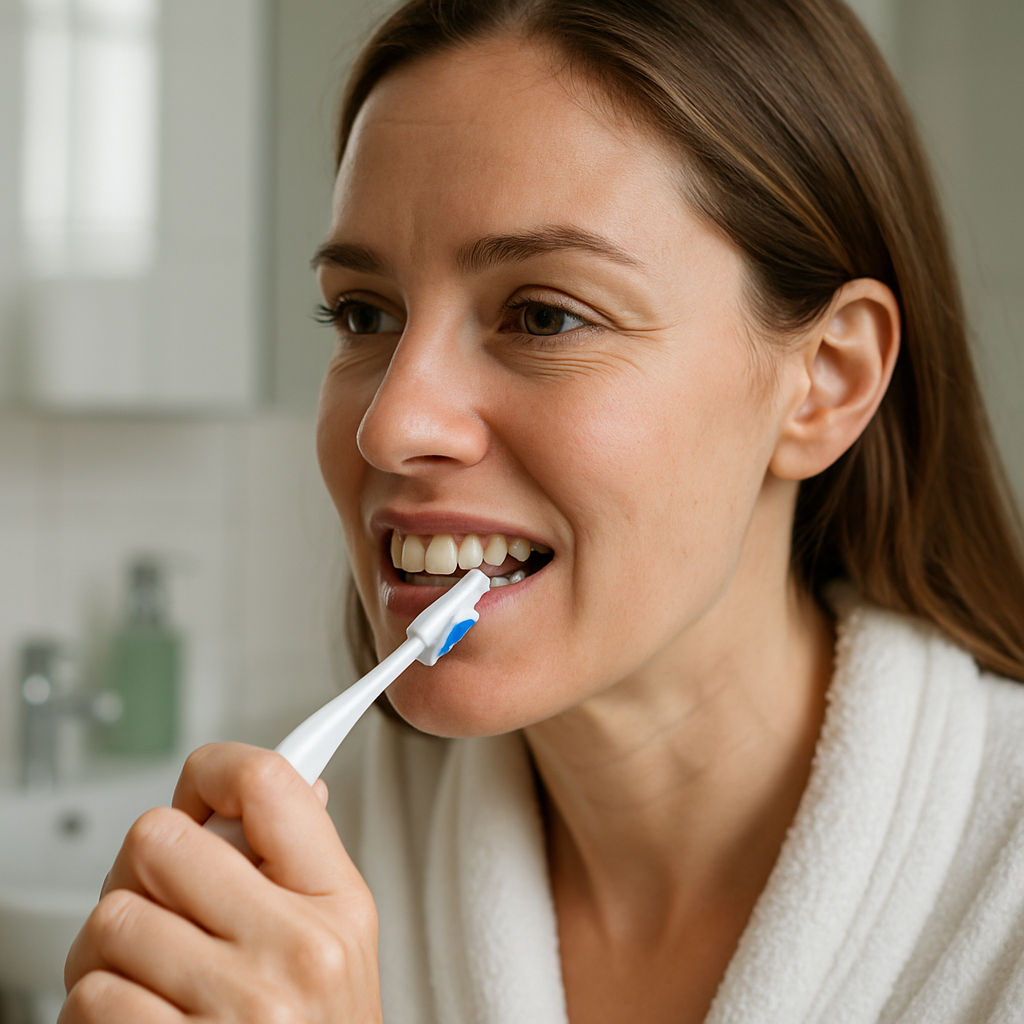
In the bustling city of London, ensuring optimal dental health is a priority for many residents, making London Dental Filling services indispensable. These treatments are integral not only for restoring function but also for preserving the aesthetics of natural teeth. Dental fillings are typically employed to address cavities caused by decay, trauma, or wear, thereby enhancing the longevity of teeth and preventing further complications.
The London Dental Filling procedures vary widely, with options including amalgam, composite resin, and porcelain materials, each chosen based on individual patient needs and preferences. Composite fillings, for example, are particularly popular due to their ability to blend seamlessly with the natural tooth structure, making them an ideal choice for visible areas. Moreover, advancements in technology have led to the development of more durable and long-lasting materials, ensuring that patients receive the highest quality care.
It’s essential for practitioners in London Dental Filling services to maintain a thorough understanding of the latest methodologies and materials. Continuous professional development enables dentists to provide tailored solutions that not only meet but exceed patient expectations. As dental technology evolves, the emphasis on minimally invasive techniques and biocompatible materials has become increasingly significant, reflecting a shift towards more patient-centred care.
Ultimately, understanding the intricacies of London Dental Filling is crucial for both practitioners and patients. It fosters informed decision-making, ultimately leading to improved dental health and enhanced quality of life for countless individuals throughout the capital.
Importance of Oral Hygiene Post-Filling
Maintaining impeccable oral hygiene following any dental procedure is crucial, particularly after a London Dental Filling. Fillings are designed to restore the structure and function of a tooth affected by decay, yet the area around the filling remains vulnerable to plaque accumulation and subsequent complications if not cared for properly.
The first and foremost step is to ensure that the filling itself has fully set before engaging in rigorous oral hygiene practices. Most dentists recommend a waiting period of at least 24 hours post-procedure. During this time, gentle brushing around the filled area helps prevent irritation and promotes healing. Utilising a fluoride toothpaste can be particularly beneficial, as it provides additional protection against decay.
Flossing is equally essential, especially around the margins of the London Dental Filling where food particles tend to accumulate. If plaque is allowed to form, it can lead to further decay or even the loss of the filling. Rinsing with an antiseptic mouthwash can also aid in reducing the bacterial load in the mouth.
Regular follow-ups with your dentist are vital to monitor the integrity of the filling. A well-maintained filling can last for many years, but neglecting oral hygiene can jeopardise its longevity. For those interested in understanding more about the implications of dental health, consulting with professionals is advisable. More information can be found at this resource.
In summary, the importance of diligent oral hygiene practices post-filling cannot be overstated, particularly for those who have recently undergone London Dental Filling procedures. By prioritising cleanliness, patients can ensure that their dental health remains robust and resilient in the long term.
Understanding Your Dental Filling
When considering dental procedures, understanding the nature and purpose of fillings is essential for maintaining optimal oral health. Fillings are crucial for treating cavities and restoring the integrity of your teeth. In London, dental filling methods vary widely, depending on materials and personal preferences. The most common types include amalgam, composite resin, and ceramics, each offering distinct advantages for durability and aesthetics.
In the heart of London Dental Filling practices, professionals assess not only the extent of decay but also the patient’s lifestyle, ensuring a tailored approach to treatment. For instance, composite fillings are often preferred for their natural appearance, making them ideal for visible areas, while amalgam fillings are celebrated for their strength and longevity, particularly in molars that endure significant chewing forces.
It is vital to engage in a discussion with your dentist about the best option suited to your needs. A thorough examination will determine the most effective type of London Dental Filling for your situation. Additionally, advancements in dental technology mean that procedures are more efficient and less daunting than ever before, with many patients experiencing minimal discomfort.
Post-treatment care is equally important. Maintaining good oral hygiene and scheduling regular check-ups will prolong the life of your London Dental Filling. By staying informed about your options and engaging with your dental care provider, you can ensure that your dental fillings not only restore your smile but also contribute to your overall dental health.
Immediate Care After Your Appointment
Following your dental appointment, it is essential to adhere to proper care protocols to ensure optimal recovery and results, particularly following procedures such as London Dental Filling. Firstly, it is recommended to avoid consuming hot foods or beverages for at least 24 hours, as sensitivity may persist, and the anaesthetic used might cause a delay in your response to temperature stimuli. This precaution helps to prevent accidental burns or discomfort.
Furthermore, post-operative care should include maintaining oral hygiene, but with a gentle approach. Brushing your teeth is crucial, but be cautious around the treated area to avoid dislodging the filling. Instead, opt for a soft-bristled toothbrush to minimise irritation. If you experience any discomfort or swelling, over-the-counter pain relief can be beneficial, but consult your dentist if pain persists beyond a few days.
Additionally, it is advisable to limit your intake of hard or sticky foods, as they may compromise the integrity of the London Dental Filling. Staying hydrated and rinsing your mouth with saltwater can promote healing and reduce the risk of infection. Should you notice any unusual symptoms, such as excessive pain, swelling, or changes in the filling, it’s important to contact your dental professional immediately.
Overall, appropriate aftercare is pivotal not just for the success of your London Dental Filling, but also for your overall oral health. For more comprehensive insights into dental care practices, consider exploring this relevant link. Keeping up with these guidelines will ensure your dental health remains in excellent condition.
Daily Oral Hygiene Routine
A comprehensive daily oral hygiene routine is essential for maintaining optimal dental health and preventing issues such as cavities and gum disease. This routine should ideally incorporate brushing, flossing, and regular dental check-ups, including assessments for potential treatments like London Dental Filling. Brushing twice a day with a fluoride toothpaste helps remove plaque and food particles that can contribute to tooth decay.
Flossing is equally vital, as it targets areas between the teeth that a toothbrush cannot reach. Neglecting these spaces can lead to the formation of cavities, necessitating interventions such as a London Dental Filling. It is advisable to use a gentle technique to avoid damaging the gums during flossing, thereby fostering better gum health.
In addition, using an antibacterial mouthwash can serve as a complementary step in your routine, further reducing plaque and maintaining fresh breath. Regular visits to a dentist are crucial; they can provide tailored advice and perform preventative treatments to avoid more complex procedures, including those involving London Dental Filling.
By establishing and adhering to this routine, one can significantly reduce the likelihood of dental problems, ultimately leading to a radiant smile and improved overall health. Remember, the key to success lies in consistency and the willingness to adapt as per professional guidance, ensuring that those inevitable visits for a London Dental Filling become less frequent.
Brushing Techniques for Filled Teeth
Maintaining optimal oral hygiene is crucial, especially for individuals with dental fillings. Understanding effective brushing techniques is essential to safeguard both the integrity of the filling and the surrounding tooth structure. It is widely acknowledged that improper brushing can lead to plaque accumulation and potential decay, particularly in areas adjacent to a London Dental Filling. Therefore, employing a soft-bristled toothbrush is advisable, as it minimizes the risk of damaging the filling while ensuring a thorough clean.
When brushing, one should angle the toothbrush at approximately 45 degrees towards the gum line to effectively disrupt plaque and food particles that may accumulate around the edges of a London Dental Filling. Gentle, circular motions are preferable over aggressive back-and-forth strokes, which can be harmful. It is essential to pay particular attention to the areas where the filling meets the tooth, as this is where bacteria are likely to gather. Additionally, using fluoride toothpaste can bolster the enamel around the filling, offering further protection against decay.
Regular dental check-ups are vital for those with fillings, and practitioners often recommend that patients discuss their brushing techniques during these visits. A well-executed brushing routine not only helps maintain the longevity of a London Dental Filling but also contributes to overall oral health. Incorporating these techniques into daily practice can make a significant difference in both the aesthetics and functionality of dental work, leading to a more confident smile. Ultimately, a proactive approach in dental care ensures that London Dental Fillings remain effective for years to come.
Choosing the Right Toothpaste
Selecting the appropriate toothpaste is crucial for maintaining oral health and preventing dental issues. With a plethora of options available on the market, it can be overwhelming to determine which product best suits individual needs. One key factor to consider is the inclusion of fluoride, a vital ingredient that helps to strengthen enamel and protect against cavities. For those with specific concerns, such as sensitivity or gum disease, specialised formulations can provide targeted solutions.
In the heart of the city, many dental professionals often recommend toothpaste that aligns with their practices. For instance, if one is seeking treatment like London Dental Filling, it is advisable to consult your dentist regarding the most suitable toothpaste that complements your dental care routine. Products that offer additional benefits, such as whitening or plaque control, can also be advantageous, especially for those aiming to enhance their smile while maintaining oral hygiene.
Furthermore, it’s essential to pay attention to the flavours and textures of toothpaste, as these can influence regular use. A pleasant taste can encourage more consistent brushing habits. If your dental professional in London suggests London Dental Filling due to cavities or decay, they may also highlight specific toothpaste options that can aid in recovery and prevention.
Ultimately, choosing the right toothpaste should be a decision made with careful consideration of personal dental health needs and professional advice. When in doubt, engaging with a local dentist familiar with your dental history can ensure you select a product that supports long-term oral wellness, especially if you are undergoing procedures like London Dental Filling.
Flossing: Best Practices
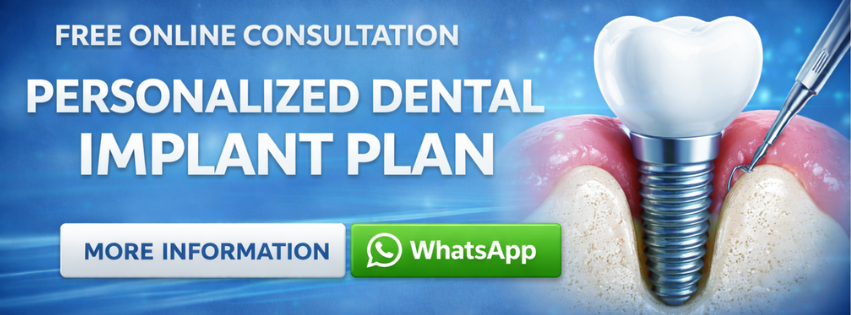
Maintaining optimal oral hygiene is crucial for overall health, and one of the cornerstone practices is flossing. This simple yet effective technique aids in the removal of food particles and plaque from between the teeth, where toothbrushes often cannot reach. To ensure the best results, proper techniques and consistency are key.
When beginning, it’s essential to use around 18 inches of dental floss, wrapping the ends around your middle fingers, which grants you greater control. Gently guide the floss between your teeth using a sawing motion, taking care not to snap it into the gums. Curve the floss around each tooth in a C-shape to effectively remove debris, ensuring that you floss both sides of every tooth, including the back molars.
For those with specific dental concerns, consulting a professional is advisable. For example, if you’re considering procedures such as a London Dental Filling, your dentist can provide tailored advice on how to enhance your oral hygiene routine, including flossing techniques that may benefit you post-treatment. Regular visits to your dentist are equally important to monitor any changes in your dental health, especially if you’ve had a London Dental Filling recently.
Moreover, incorporating flossing into your daily routine enhances the effectiveness of other oral hygiene practices, such as brushing and rinsing. Remember, the ultimate goal is not just a beautiful smile but also lasting health. Therefore, committing to regular flossing and following the best practices aids in preventing cavities and gum disease, ensuring that your investment, like a London Dental Filling, remains protected for years to come.
Additional Care Tips
When it comes to maintaining oral health, particularly after procedures such as London Dental Filling, it’s crucial to adopt a comprehensive care routine. Following your dentist’s guidelines is paramount, but there are additional steps you can take to enhance the longevity of your dental work.
Firstly, maintaining excellent oral hygiene cannot be overstated. Brush your teeth at least twice daily with fluoride toothpaste, and ensure you floss regularly to remove food particles and plaque from between your teeth. This practice is especially important after receiving a London Dental Filling, as it helps to prevent any secondary decay that could compromise the integrity of the filling.
Furthermore, consider moderating your consumption of sugary and acidic foods, which can erode dental enamel and jeopardise the health of your fillings. Instead, opt for a balanced diet rich in vitamins and minerals that support dental health. Drinking plenty of water can also aid in rinsing away food particles and neutralising acids.
Moreover, regular dental check-ups are essential. Schedule appointments at least every six months for professional cleanings and examinations. Your dentist can monitor the condition of your London Dental Filling and address any issues before they escalate.
Lastly, if you experience any discomfort or sensitivity following the procedure, don’t hesitate to consult your dental professional. Timely intervention can alleviate potential complications, ensuring that your fillings remain effective for years to come. By following these additional care tips, you can significantly enhance your dental health and the durability of your London Dental Filling.
Avoiding Certain Foods
When considering oral health, the choices we make about our diet can significantly impact the longevity of dental work, including procedures such as London Dental Filling. Certain foods can exacerbate issues like tooth decay and gum disease, leading to potential complications that may necessitate further dental interventions. High-sugar items, for instance, can create an environment conducive to plaque formation, increasing the risk of cavities around fillings. Treats such as sticky candies and sugary beverages should be consumed sparingly, given their detrimental effect on overall dental health.
Furthermore, acidic foods and drinks pose an additional risk. Citrus fruits, vinegar-based dressings, and carbonated beverages can erode tooth enamel, making the area surrounding a London Dental Filling more vulnerable. Regular exposure to these acids can lead to a breakdown of the material used in dental work, potentially resulting in the need for early replacement.
In contrast, prioritising a diet rich in calcium and phosphorus can help strengthen teeth, enhancing the durability of existing treatments like London Dental Filling. Foods such as dairy products, leafy greens, and nuts should be integrated into daily meals, offering both nutritional benefits and support for oral health.
Ultimately, maintaining an informed perspective on food choices is crucial for anyone who has undergone dental procedures. By avoiding harmful foods and embracing a balanced diet, individuals can protect their investments in their dental health and extend the lifespan of their London Dental Filling and other treatments.
Regular Dental Checkups
Regular visits to the dentist are crucial for maintaining optimal oral health. These checkups not only help in the early detection of potential issues but also reinforce good hygiene practices. One common concern that arises during these examinations is the presence of cavities, which may necessitate interventions such as London Dental Filling procedures. These treatments are essential for restoring tooth structure and preventing further decay.
Moreover, routine dental checkups contribute significantly to preventative care. During these appointments, dental professionals can provide tailored advice on oral hygiene techniques specific to an individual’s needs, which can minimise the risk of future complications. For those residing in London, finding a practice that offers comprehensive services, including London Dental Filling, can ensure that you receive quality care in a timely manner.
In addition to cavity detection and treatment, regular dental visits allow for monitoring gum health. Conditions such as gingivitis can be identified and managed effectively through consistent checkups. If issues are detected early, treatments can be less invasive and more cost-effective compared to those required after neglect. Thus, establishing a relationship with a trusted dentist in London can yield long-term benefits for your oral health.
Ultimately, the value of regular dental checkups cannot be overstated. Not only do they serve as a preventive measure against serious dental issues, but they also pave the way for necessary procedures like London Dental Filling, ensuring your smile remains healthy and bright. Prioritising these appointments is an investment in your overall wellbeing.
Common Concerns After a Dental Filling
Following a dental filling, it is not uncommon for patients to experience a variety of concerns. These feelings can range from mild discomfort to more significant worries about the integrity of the procedure. Many individuals may find themselves questioning the longevity of the London Dental Filling and whether it will require future repairs. Typically, a well-placed filling can last for many years, but various factors can influence its durability.
Patients often report sensitivity to hot and cold temperatures after receiving a London Dental Filling. This sensitivity usually subsides within a few weeks as the tooth acclimatises. However, if discomfort persists or worsens, it is advisable to consult your dentist, as this could indicate an underlying issue such as nerve irritation or an improperly fitted filling.
Another common concern involves the appearance of the filling. Those who opt for composite materials may wonder if the colour matches their natural teeth. A skilled dentist will ensure that the shade is customised during the London Dental Filling process to provide a seamless finish. However, over time, staining may occur, prompting some patients to seek touch-ups or replacements.
Moreover, some individuals may experience a change in their bite after a filling procedure. If the filling is slightly raised, it can lead to an uneven bite, which may cause discomfort. In such cases, a follow-up appointment is recommended to adjust the filling, ensuring that the patient’s dental health is prioritised.
In conclusion, while concerns after a London Dental Filling are common, most can be effectively managed with proper dental care and communication with your dental professional.
Sensitivity and Discomfort
Navigating the complexities of dental procedures can often evoke feelings of sensitivity and discomfort in patients. Particularly during treatments such as London Dental Filling, understanding and addressing these concerns are paramount for clinicians. Sensitivity can arise due to multiple factors, including the patient’s individual pain threshold, the extent of decay being treated, and even the materials used in fillings. It is essential for dental professionals to communicate effectively with their patients, setting realistic expectations regarding potential discomfort during and after the procedure.
During a London Dental Filling, patients may experience heightened sensitivity, especially if the nerve endings in the affected tooth are exposed. This is why anaesthetics are commonly employed to minimise discomfort. However, it is equally important for practitioners to explain the process clearly, as understanding what to expect can alleviate anxiety. Furthermore, post-treatment sensitivity is a common occurrence, and practitioners should provide guidance on how to manage this effectively, such as through the use of desensitising toothpaste or avoiding certain foods for a short period.
Moreover, the environment in which dental treatments occur plays a significant role in a patient’s comfort levels. A calming atmosphere and empathetic communication can significantly reduce feelings of discomfort associated with procedures like London Dental Filling. Ultimately, fostering a supportive relationship between patient and clinician is vital for enhancing the overall dental experience and ensuring that sensitivity does not overshadow the importance of maintaining oral health.
When to Contact Your Dentist
Understanding when to reach out to your dentist is crucial for maintaining optimal oral health. Regular check-ups are essential, but there are specific circumstances that warrant immediate communication. If you experience any discomfort, such as persistent toothache or sensitivity, it is wise to contact your dentist without delay. Such symptoms may indicate underlying issues, including the need for a London Dental Filling to address decay or structural damage.
Additionally, if you notice visible changes in your gums, such as swelling, bleeding, or recession, reaching out for advice is imperative. These signs may suggest gum disease, which requires professional assessment and intervention. The importance of timely consultation cannot be overstated, as delaying treatment can lead to more severe conditions that necessitate extensive procedures, potentially including multiple London Dental Fillings or even tooth extractions.
Emerging dental emergencies, including trauma from accidents or sports injuries, also demand immediate action. If a tooth becomes dislodged or significantly damaged, swift intervention can often save the tooth. In such cases, contacting a professional who offers London Dental Filling services can be critical for restoring your dental health and aesthetics.
Finally, if you have recently undergone dental procedures and experience complications, such as unusual pain or prolonged bleeding, it is crucial to reach out. Your dentist can provide guidance and determine if further treatment is necessary. In summary, proactive communication with your dentist is key to ensuring a healthy and beautiful smile, with London Dental Fillings being a vital service in addressing various dental concerns.
Conclusion: Keeping Your Smile Healthy
Maintaining optimal dental health is crucial for overall well-being, and it requires a combination of regular professional care and attentive personal hygiene. Visiting your dentist regularly for check-ups is essential; they can identify potential issues before they escalate into serious problems. One common dental procedure that plays a vital role in maintaining oral health is London Dental Filling. This procedure is particularly important for those who have experienced tooth decay or damage, as fillings help restore the integrity of the tooth, preventing further deterioration.
Incorporating preventive measures into your daily routine can significantly impact your dental health. Brushing twice a day with fluoride toothpaste and flossing regularly are fundamental practices that help keep cavities at bay. However, if decay does occur, seeking treatment such as London Dental Filling promptly is vital. Ignoring dental issues can lead to more severe complications, including infections and tooth loss.
Moreover, dietary choices also influence oral health. Limiting sugary snacks and beverages can reduce the risk of cavities. For those living in and around the capital, it is advisable to choose a reputable dental practice that offers services like London Dental Filling to ensure you receive the best care possible. Being proactive about your dental health not only contributes to a vibrant smile but also enhances your confidence and quality of life. Always remember, regular dental visits and timely interventions like London Dental Filling are key elements in keeping your smile healthy and bright.