Introduction to London Dental Bridges In the realm of restorative dentistry, London Dental Bridges stand out as a pivotal solution for patients seeking to reclaim both functionality and aesthetics following tooth loss. These dental appliances not only restore a patient’s ability to chew and speak but also enhance their overall facial structure, creating a harmonious …

Introduction to London Dental Bridges

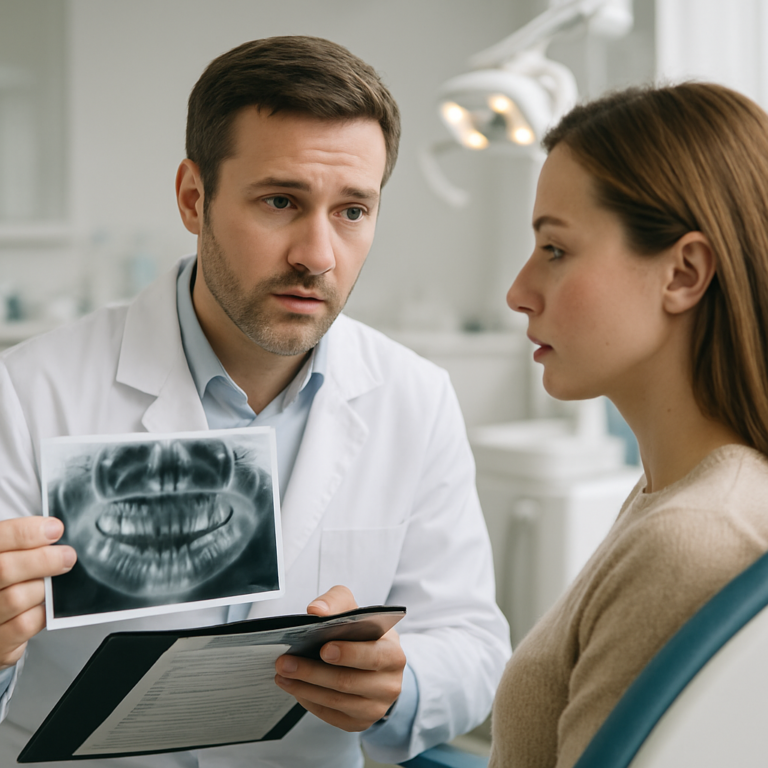
In the realm of restorative dentistry, London Dental Bridges stand out as a pivotal solution for patients seeking to reclaim both functionality and aesthetics following tooth loss. These dental appliances not only restore a patient’s ability to chew and speak but also enhance their overall facial structure, creating a harmonious appearance. Specifically designed to bridge the gap created by one or more missing teeth, London Dental Bridges are typically anchored onto adjacent healthy teeth or dental implants, ensuring stability and longevity.
The process of obtaining London Dental Bridges involves several meticulous steps, beginning with a comprehensive consultation. Dentists assess the patient’s oral health, discuss treatment options, and create a tailored plan that addresses individual needs. The fabrication of the bridge often involves advanced materials, which contribute to both the strength and natural look of the final product.
Moreover, the versatility of London Dental Bridges allows for various designs, accommodating different levels of tooth loss. Patients can choose between traditional bridges, cantilever bridges, or resin-bonded bridges, depending on their specific circumstances. With proper care and regular dental check-ups, these bridges can last for many years, making them a worthwhile investment in oral health.
In essence, London Dental Bridges not only fill the gaps left by missing teeth but also help to prevent further dental issues, promoting a healthier smile and greater confidence. As such, they remain a popular choice among those seeking restorative dental procedures in London.

What are Dental Bridges?
Dental bridges serve as an effective solution for individuals with missing teeth, functioning to restore both aesthetics and oral functionality. These prosthetic devices bridge the gap left by absent teeth, providing a seamless appearance and aiding in the preservation of surrounding teeth. Typically composed of two or more crowns, dental bridges are anchored on either side by natural teeth or dental implants, ensuring stability and durability.
In the realm of restorative dentistry, London Dental Bridges have gained significant popularity due to their ability to enhance the smile while also improving bite alignment and chewing efficiency. The process begins with a thorough examination, where the dentist assesses the patient’s oral health and determines the best type of bridge required. Patients often appreciate the variety of materials available, including porcelain, which closely mimics the appearance of natural teeth.
Moreover, opting for London Dental Bridges not only addresses cosmetic concerns but also contributes to the long-term health of the mouth. By filling gaps, these bridges prevent the remaining teeth from shifting, which can lead to further complications. The procedure itself is relatively straightforward, usually completed over a couple of visits, with many patients reporting minimal discomfort.
For those considering this restorative option, seeking guidance from a qualified dental professional is crucial. Reliable clinics offering London Dental Bridges can provide personalised treatment plans tailored to individual needs. To learn more about the options available, you can visit this informative resource. Ultimately, dental bridges represent a vital advancement in dental care, promoting both health and confidence.
Why Choose Dental Bridges?
When considering options for restoring lost teeth, dental bridges present a reliable and aesthetically pleasing solution. They offer a practical approach to filling gaps, ensuring both functionality and visual appeal. One of the primary advantages of choosing bridges lies in their ability to maintain the structure of your mouth. Without intervention, missing teeth can lead to a variety of issues, including misalignment and bone loss. This is where London Dental Bridges come into play, providing a seamless alternative that not only restores your smile but also supports your oral health.
The procedure for obtaining a dental bridge is straightforward and typically completed over a couple of visits. Dentists will first prepare the adjacent teeth, which will act as anchors for the bridge, ensuring a stable fit. The use of high-quality materials in London Dental Bridges guarantees durability and a natural appearance, allowing patients to eat and speak with confidence.
Furthermore, they are often more affordable and less invasive compared to implants, making them an appealing choice for many. Patients who opt for London Dental Bridges frequently report high levels of satisfaction, citing improvements in their daily lives as a result of restored functionality and self-esteem.
Choosing dental bridges not only addresses the immediate concern of aesthetics but also plays a significant role in long-term oral health. With professional guidance, investing in London Dental Bridges can enhance both quality of life and the longevity of your smile.
Importance of Aftercare for London Dental Bridges
The significance of aftercare following the placement of bridges cannot be overstated. For those who have opted for London Dental Bridges, understanding the proper aftercare procedures is essential for ensuring longevity and optimal function. Immediate post-treatment instructions typically include guidance on dietary choices; soft foods are advised initially to avoid undue stress on the newly fitted bridge. Additionally, maintaining excellent oral hygiene is crucial. Patients should be diligent in their brushing and flossing routines to prevent plaque accumulation, which can compromise both the bridge and the surrounding teeth.
Regular follow-up appointments with a dental professional are also vital. These visits allow for monitoring of the London Dental Bridges, ensuring they remain securely in place and function effectively. Any signs of discomfort or issues should be promptly reported to a dentist, as early intervention can prevent more significant problems later on.
Moreover, understanding the materials used in London Dental Bridges is important for patients. Some materials may be more susceptible to staining or wear, which can be mitigated through proper care. Patients are encouraged to be proactive in their aftercare, as neglecting it can lead to complications that may necessitate further dental intervention.
For a deeper understanding of dental practices and the importance of aftercare, one might explore additional resources available through this relevant link. Ultimately, prioritising aftercare not only enhances the durability of London Dental Bridges but also contributes significantly to overall oral health.
Maintaining Oral Hygiene
Oral hygiene is paramount for maintaining not only a pristine smile but also overall health. Regular brushing and flossing create a barrier against the accumulation of plaque and the onset of gum disease. However, for those who have undergone procedures such as London Dental Bridges, a tailored approach to oral care becomes essential. These bridges, while effective in restoring functionality and aesthetics, require diligent maintenance to ensure longevity.
Individuals with London Dental Bridges should consider using a soft-bristled toothbrush to gently clean around the bridge area, ensuring that food particles and plaque are effectively removed without damaging the surrounding gums. Additionally, incorporating an antimicrobial mouthwash can further aid in reducing the risk of infection. Regular dental check-ups are crucial; dentists can provide specific guidance on how to care for these restorations, ensuring they remain in optimal condition.
Flossing is equally vital for those with London Dental Bridges. Specialised floss threaders can assist in reaching difficult areas, ensuring that the gum line remains free from harmful bacteria. Furthermore, avoiding hard or sticky foods will help prevent any dislodging of the bridges, contributing to their durability.
In summary, the commitment to maintaining oral hygiene is significantly heightened for individuals with London Dental Bridges. By adhering to a robust oral care routine and seeking professional advice, one can enjoy the benefits of these dental solutions for years to come. The intersection of meticulous home care and regular dental visits ultimately leads to a healthier mouth and a radiant smile.
Regular Dental Check-ups
Maintaining optimal oral health is imperative, and regular visits to the dentist play a crucial role in this endeavour. These check-ups not only facilitate the early detection of potential issues but also reinforce the importance of preventative care. In bustling cities like London, individuals often overlook routine appointments due to busy lifestyles; however, neglecting these visits can lead to more severe complications down the line.
For those considering restorative options, such as London Dental Bridges, understanding the significance of check-ups becomes even more pertinent. Regular examinations enable dentists to assess the condition of existing dental work and to determine when additional procedures may be necessary. This proactive approach is vital, especially for patients with bridges, as it ensures that any underlying issues are addressed before they escalate.
Furthermore, dental professionals can provide tailored advice on maintaining the integrity of London Dental Bridges during these visits. Whether it’s discussing proper cleaning techniques or lifestyle adjustments, these insights are invaluable for sustaining oral health. In the context of restorative dentistry, check-ups serve as both a preventative measure and an opportunity for patients to engage with their dental care actively.
Ultimately, the benefits of regular dental check-ups extend well beyond mere inspections; they form the backbone of effective dental care, particularly for those with specialized needs like London Dental Bridges. By prioritising these appointments, individuals not only safeguard their smile but also enhance their overall well-being.
7 Seamless Aftercare Strategies
Effective aftercare is essential for ensuring the longevity and success of dental procedures, particularly when it comes to London Dental Bridges. Patients often desire reassurance and support post-treatment, making it crucial for dental professionals to implement seamless strategies that cater to their needs.
Firstly, regular follow-up consultations play a pivotal role in monitoring the condition of London Dental Bridges. Scheduling these appointments not only provides an opportunity for adjustment but also fosters trust and loyalty between the practitioner and the patient. Secondly, clear communication of aftercare instructions is vital. Providing patients with written guidelines, including dos and don’ts, can significantly reduce the risk of complications.
Thirdly, leveraging technology can enhance aftercare experiences. Implementing telemedicine options allows patients to reach out with concerns about their London Dental Bridges, ensuring they feel supported without needing to make a physical visit. Additionally, establishing a feedback system encourages patients to share their experiences, enabling practices to refine their aftercare processes.
Engaging patients in educational sessions on the care and maintenance of London Dental Bridges can also empower them to take proactive steps in preserving their dental investments. Lastly, creating a community, perhaps through social media, can provide a platform for shared experiences and advice, reinforcing the sense of belonging and support.
Altogether, these strategies create a comprehensive framework for aftercare, ensuring that patients with London Dental Bridges feel valued and secure in their dental journey. Emphasising aftercare not only enhances patient satisfaction but also establishes a practice’s reputation for excellence in care.
Strategy 1: Gentle Brushing Techniques
Adopting gentle brushing techniques is paramount in promoting optimal oral health, particularly for individuals with dental appliances such as London Dental Bridges. These techniques help prevent damage to both natural teeth and the bridgework itself. It is essential to utilise a soft-bristled toothbrush, as firmer bristles can lead to unnecessary wear on the delicate surfaces of London Dental Bridges, potentially compromising their longevity.
Brushing with a gentle touch not only ensures that plaque is effectively removed but also minimises the risk of gum irritation, a crucial factor in maintaining overall dental hygiene. When cleaning around London Dental Bridges, it is advisable to position the toothbrush at a 45-degree angle, allowing bristles to reach beneath the gum line and effectively clean the surrounding area. Patients should be encouraged to take their time, employing a systematic approach to brushing that covers all areas—this is particularly important in areas adjacent to London Dental Bridges, where food particles are likely to accumulate if not addressed promptly.
Moreover, incorporating fluoride toothpaste can significantly enhance the protective benefits of brushing. Fluoride aids in strengthening enamel and can provide an additional layer of defence for natural teeth adjacent to London Dental Bridges. Regular check-ups with a dental professional are also essential, as they can offer tailored advice on maintaining these structures through appropriate brushing techniques and hygiene practices. By prioritising gentle brushing methods, individuals can ensure the longevity of their dental investments while promoting optimal oral health.
Strategy 2: Suitable Toothpaste Choices

Selecting the right toothpaste is paramount for maintaining optimal oral health, especially for those considering procedures such as London Dental Bridges. The formulation of toothpaste can significantly influence both preventive care and the longevity of dental work. Individuals should look for fluoride-containing options, as fluoride helps in remineralising enamel and preventing decay, which is crucial when preparing for or maintaining London Dental Bridges.
Additionally, toothpaste with antibacterial properties can assist in reducing plaque formation and gum disease, further safeguarding the area surrounding London Dental Bridges. When selecting a toothpaste, it is also essential to consider specific needs, such as sensitivity or whitening properties. For individuals with sensitive teeth, a specially formulated toothpaste can help alleviate discomfort, ensuring that any pre-existing conditions are managed before undergoing dental procedures like London Dental Bridges.
Moreover, it’s advisable to avoid abrasive toothpastes that can wear down enamel over time. It’s beneficial to consult with a dental professional about the best toothpaste options tailored to one’s unique oral health needs, especially when planning for extensive work such as London Dental Bridges. Staying informed about ingredients and their benefits empowers patients to make choices that contribute to their overall dental health, leading to enhanced outcomes and increased satisfaction with their dental investments.
Strategy 3: Avoiding Hard Foods
When considering dental health, particularly in the context of restorative procedures, it is crucial to adopt certain dietary practices that can significantly impact recovery and the longevity of treatments. One such practice involves avoiding hard foods, which can pose a risk to both natural teeth and dental restorations, including London Dental Bridges. Hard foods can exert excessive pressure on dental work, leading to potential fractures or dislodgement.
For individuals with London Dental Bridges, the risks associated with consuming hard foods extend beyond mere discomfort. Chewing tough substances can compromise the structural integrity of the bridge, ultimately resulting in the need for costly repairs or replacements. In the initial weeks following the installation of London Dental Bridges, it is advisable to adhere strictly to a soft food diet. This not only aids in the healing process but also allows the supporting teeth and gums to adjust to the new structure without undue stress.
Furthermore, maintaining a cautious approach towards hard foods can serve a dual purpose. Not only does it protect the London Dental Bridges, but it also encourages a more nutritious diet, often rich in soft fruits, vegetables, and grains. This strategy plays a vital role in overall oral hygiene and health.
Ultimately, prioritising the avoidance of hard foods is a prudent strategy for anyone undergoing dental procedures, particularly when it involves London Dental Bridges. By making this adjustment, patients can ensure the durability and functionality of their dental work, fostering a healthier and more confident smile for the long term.
Strategy 4: Using a Mouthguard
When considering effective strategies for dental care, one crucial aspect often overlooked is the utilisation of protective devices, such as mouthguards. These items are especially important for individuals involved in contact sports or those with specific dental concerns. A well-fitted mouthguard can significantly reduce the risk of injury to both the teeth and gums, providing a crucial layer of protection.
In the context of London Dental Bridges, mouthguards play a vital role in safeguarding dental work from potential damage. For patients who have undergone procedures involving London Dental Bridges, the added protection of a mouthguard can prevent displacement or breakage, ensuring the longevity of the restoration. Moreover, individuals prone to teeth grinding, or bruxism, can greatly benefit from using a mouthguard, as it alleviates pressure on the jaw and prevents wear on dental bridges.
The importance of customised mouthguards cannot be overstated. Unlike generic options, bespoke mouthguards designed by dental professionals take into account the unique dental structure of the individual, thereby offering enhanced comfort and effectiveness. For those seeking London Dental Bridges, consulting with a dental specialist about incorporating a mouthguard into their oral care routine is advisable. This proactive approach not only protects existing dental work but also fosters overall oral health.
In conclusion, adopting the use of a mouthguard can be a game-changer for individuals with dental concerns or those engaged in high-impact sports. For anyone considering London Dental Bridges, ensuring adequate protection through a mouthguard is a crucial step towards maintaining dental health and preserving investments in dental care.
Strategy 5: Flossing with Care
Maintaining optimal oral hygiene is crucial, particularly for those with London Dental Bridges. While brushing is a fundamental practice, flossing is often overlooked yet plays an equally vital role in ensuring the longevity and health of dental work. Flossing effectively removes plaque and food particles from between the teeth and around dental appliances, including London Dental Bridges, which can be prone to accumulation of debris. This area is often difficult to reach with a toothbrush alone, making flossing an essential ritual.
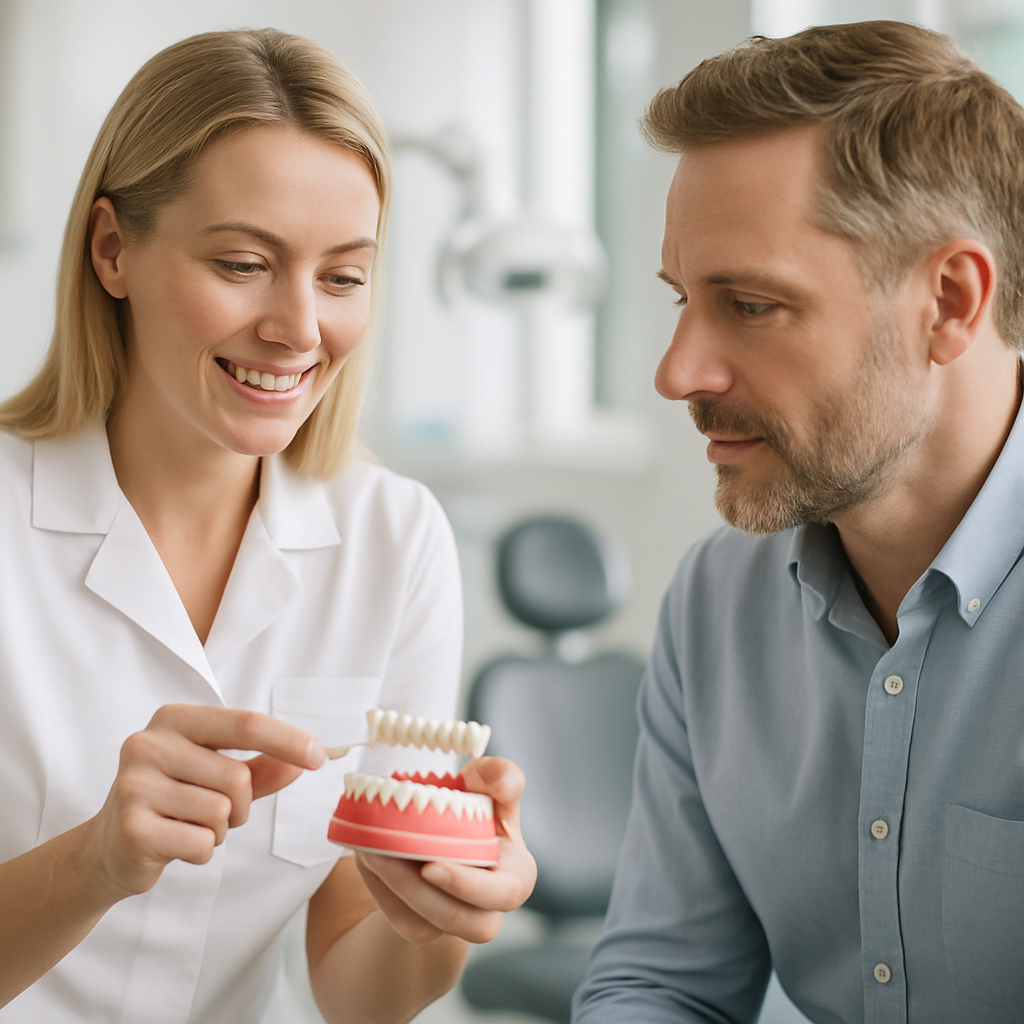
When it comes to flossing with care, individuals should consider using waxed dental floss, which glides easier between teeth and is less likely to fray or break. It is particularly important for those with London Dental Bridges to use a gentle technique, ensuring that the floss is not forced against the bridge or surrounding gums, as this can cause irritation or even damage. Additionally, using a floss threader or interdental brushes can provide added accessibility and effectiveness for those with dental bridges.
Regular flossing not only contributes to the health of one’s gums but also prolongs the life of London Dental Bridges by preventing the onset of gum disease and decay at the site of the dental work. Therefore, developing a thorough flossing routine is a wise investment in the longevity of one’s dental health. Ultimately, flossing with care can significantly enhance the quality of life for those with dental restorations, allowing them to maintain confidence in their smiles.
Strategy 6: Hydration and Its Benefits
The importance of hydration in achieving optimal health cannot be overstated, particularly in relation to dental health. Water plays a vital role in maintaining the health of our gums and teeth, significantly impacting the effectiveness of treatments such as London Dental Bridges. Proper hydration facilitates saliva production, which is essential for neutralising acids and washing away food particles, thereby preventing decay and gum disease.
Moreover, adequate hydration supports the healing process after dental procedures. For patients undergoing the placement of London Dental Bridges, maintaining a well-hydrated state can accelerate recovery and reduce postoperative complications. Not only does hydration enhance physical wellbeing, but it also fosters better cognitive function, which is crucial for individuals managing their dental health decisions.
In the context of oral care, drinking sufficient water aids in the prevention of bad breath and enhances the overall aesthetic of one’s smile, particularly for those who have invested in London Dental Bridges. It is advisable for individuals to incorporate a routine of monitoring their fluid intake, ensuring they remain hydrated throughout the day, especially in environments that may lead to increased water loss.
Additionally, dental professionals should advocate for the significance of hydration during consultations, highlighting its benefits not just for oral health, but for overall wellness. Ultimately, the simple act of drinking water can significantly influence the longevity and success of dental interventions like London Dental Bridges, reinforcing the need for a proactive approach to hydration in daily life.
Strategy 7: Recognizing Warning Signs
In the realm of dental health, recognising warning signs is pivotal for both practitioners and patients. Early identification of potential issues can significantly enhance treatment outcomes, particularly in complex procedures such as fitting London Dental Bridges. Patients should be educated on the symptoms that may indicate complications, including discomfort, gum inflammation, or unusual sensitivity. These signs, if overlooked, can lead to more severe dental problems, thus making timely intervention essential.
For dental professionals, being vigilant for these warning signs is equally crucial. Regular check-ups and thorough assessments ensure that any deterioration in dental health is detected swiftly. For instance, if a patient who has recently undergone treatment for London Dental Bridges reports persistent pain, it may signal improper alignment or even infection. Understanding the intricacies of these warning signs can empower dental practitioners to provide proactive care.
Moreover, communication between dentists and patients plays an integral role in this process. Patients must feel comfortable discussing any changes in their dental health, while professionals should actively encourage such dialogue to foster a comprehensive understanding of the patient’s condition.
Ultimately, recognising warning signs is not merely about addressing current issues but also about preventing future complications. By focusing on early detection and clear communication, both patients and professionals can work together to ensure the longevity and success of treatments, such as London Dental Bridges, promoting overall oral health and well-being.
Frequently Asked Questions About London Dental Bridges
When considering options for dental restoration, many individuals seek clarity on the benefits and processes associated with London Dental Bridges. This popular solution is designed to replace missing teeth, providing both aesthetic and functional advantages. Patients often inquire about the materials used; London Dental Bridges can be crafted from porcelain, ceramic, or metal, ensuring durability and a natural appearance that closely mimics real teeth.
Another common question revolves around the longevity of London Dental Bridges. With proper care and regular dental check-ups, these restorations can last over a decade, making them a worthwhile investment for many. Additionally, prospective patients frequently ask about the procedure involved. The placement of London Dental Bridges typically requires two visits: the first for preparation and impressions, and the second for final fitting and adjustment.
Cost is also a significant consideration; prices for London Dental Bridges can vary based on factors such as the complexity of the case and the materials chosen. It is advisable for patients to consult with their dental practitioners to receive tailored estimates. Lastly, many individuals express concerns regarding pain during the procedure. However, most find that local anaesthesia effectively minimizes discomfort, allowing for a smooth experience.
In summary, understanding these aspects of London Dental Bridges can empower patients to make informed decisions, ensuring they achieve the best possible outcomes in their dental health journey.
Conclusion and Next Steps
Navigating the intricate landscape of dental solutions requires a clear focus on the essential steps that lead to successful patient outcomes. As we conclude our exploration of innovative dental practices, it is evident that London Dental Bridges represent a pivotal advancement in restorative dentistry. Their ability to seamlessly integrate aesthetics with functionality makes them an invaluable option for those seeking to restore their smiles effectively.
Moving forward, it is crucial for dental professionals to stay abreast of the latest techniques and materials associated with London Dental Bridges. Continuous professional development through workshops and training sessions can significantly enhance the effectiveness of these procedures. Moreover, fostering open communication with patients about the benefits and care associated with London Dental Bridges will undoubtedly improve satisfaction rates and treatment outcomes.
In addition, integrating patient feedback into practice can guide refinements in service delivery. Understanding patient expectations and experiences not only enhances the quality of care but also strengthens the overall patient-dentist relationship. Finally, leveraging technology, such as digital imaging and 3D printing, can further optimise the process of creating bespoke London Dental Bridges, ensuring that each patient receives tailored solutions that meet their unique needs.
By adopting these next steps, dental practitioners can not only enhance their expertise in London Dental Bridges but also contribute to a higher standard of care within the dental community. This proactive approach will ensure that both practitioners and patients alike benefit from the advancements in dental technology and practices.