
Introduction to London Dental Bridges For those seeking solutions to missing or damaged teeth, london dental bridges offer an effective and aesthetically pleasing option. These dental restorations are designed to bridge the gap caused by one or more missing teeth, thus restoring not only the functionality of the mouth but also enhancing the patient's smile. …

Introduction to London Dental Bridges
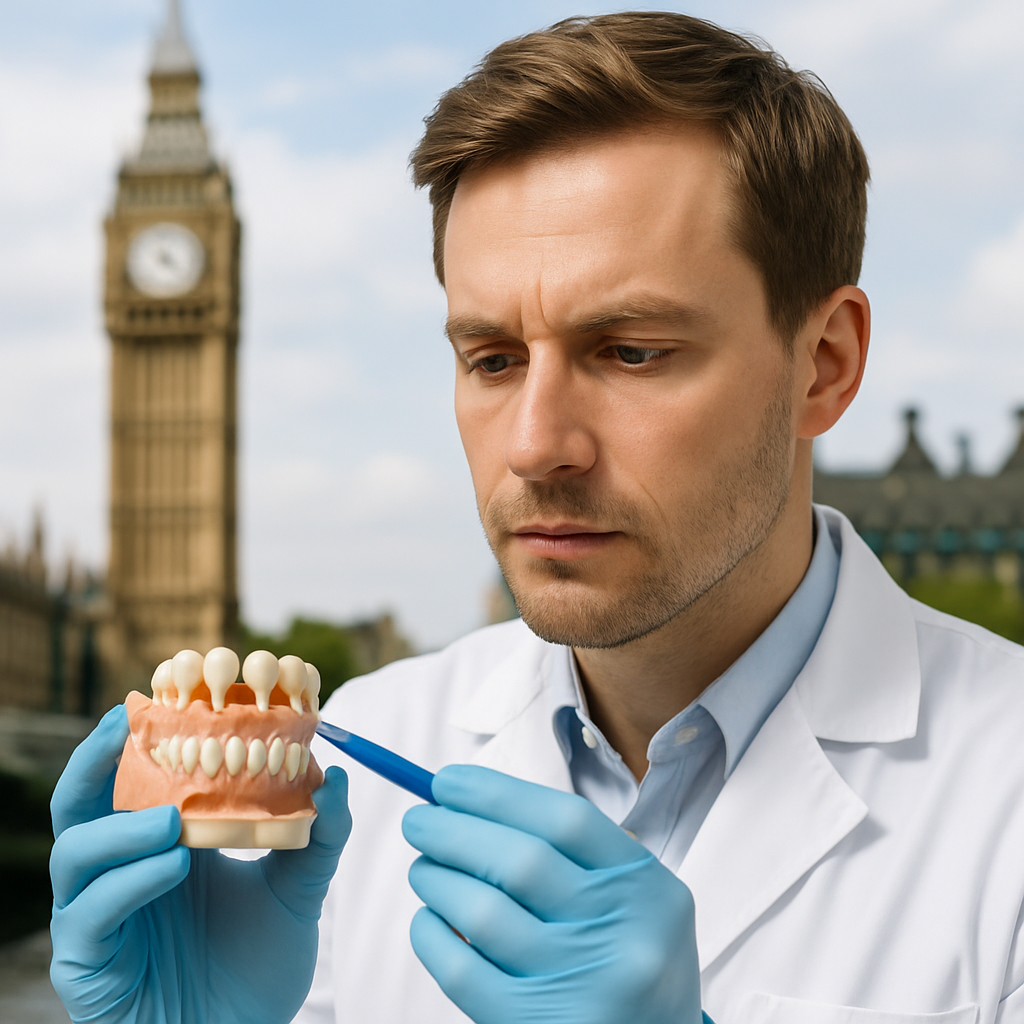
For those seeking solutions to missing or damaged teeth, london dental bridges offer an effective and aesthetically pleasing option. These dental restorations are designed to bridge the gap caused by one or more missing teeth, thus restoring not only the functionality of the mouth but also enhancing the patient’s smile. Typically consisting of one or more artificial teeth anchored by crowns on adjacent natural teeth, london dental bridges are custom-made to blend seamlessly with the surrounding dentition, providing a natural appearance.
The process of obtaining london dental bridges begins with a thorough examination of the patient’s oral health and assessment of the missing teeth’s location. Dental professionals will take precise measurements and may employ imaging techniques to ensure optimal fit and comfort. Practitioners often favour materials such as porcelain or ceramic for their natural look and durability, allowing patients to regain confidence in their smiles.
Moreover, the advantages of london dental bridges extend beyond aesthetic appeal. They help maintain the shape of the face, prevent the remaining teeth from shifting, and restore proper chewing and speaking functions. It is crucial for individuals considering this option to consult with qualified dental professionals who specialise in restorative dentistry. By doing so, they can ensure that they receive tailored advice and high-quality care, ultimately leading to successful outcomes and improved oral health.

Understanding Dental Bridges: What Are They?
In the realm of restorative dentistry, dental bridges play a pivotal role in enhancing both functionality and aesthetics for patients with missing teeth. These fixed prosthetic devices effectively bridge the gap left by one or more missing teeth, thereby restoring the patient’s ability to chew properly and speak clearly while also maintaining facial structure.
Typically, a dental bridge comprises two or more crowns anchored on the adjacent teeth, known as abutment teeth, with a false tooth or teeth in between, referred to as pontics. This design not only supports the replacement teeth but also prevents the shifting of neighbouring teeth, which can lead to further dental issues. For those considering options within London, london dental bridges are widely recommended due to their durable nature and aesthetic appeal.
When choosing a dental bridge, it is essential to consult a qualified dental professional who can assess the individual’s needs and provide advice tailored to their circumstances. Many clinics, such as A Cardent Clinic, offer comprehensive assessments and treatments for patients seeking solutions like london dental bridges.
Moreover, advancements in dental technology have led to various materials being used for bridges, including porcelain, which can be closely matched to the natural colour of one’s teeth, making london dental bridges an excellent option for those concerned about appearance. Ultimately, this restorative solution not only enhances dental function but also contributes notably to the overall confidence and well-being of the patient. For more detailed information on dental bridges, you may check out this resource.
Types of Dental Bridges Available in London
When considering dental restoration options, it’s essential to understand the various types of solutions available, especially in a bustling metropolis like London. Among these, london dental bridges stand out as a reliable choice for replacing missing teeth and restoring functionality. There are several different types of bridges your dentist may recommend, each tailored to specific needs and circumstances.
Traditional bridges remain one of the most widely used options. They involve crowns placed on the adjacent teeth, supporting a false tooth in between. For patients with healthy adjacent teeth, this method provides durability and a natural appearance. Alternatively, cantilever bridges are suitable for situations where only one adjacent tooth is available for support. This design is particularly beneficial in areas where dental strength is not compromised.
Another innovative option includes Maryland bridges, which utilise a framework of metal or porcelain to anchor the false tooth to the existing teeth without the need for extensive alteration. This technique is gaining popularity in london dental bridges for its minimally invasive approach. Lastly, implant-supported bridges offer a more permanent solution, using dental implants as anchors for the bridge. This option not only preserves jawbone integrity but also mimics the function of natural teeth closely.
In conclusion, when exploring london dental bridges, it’s vital to consult with a dental professional to determine the most suitable option tailored to your specific oral health needs, ensuring a seamless and aesthetically pleasing result.
Assessing the Risks of London Dental Bridges
When considering dental restoration options, the choice of london dental bridges can present various risks that must be carefully assessed. One of the primary concerns is the potential for adverse reactions to materials used in these bridges, particularly for patients with allergies or sensitivities. Additionally, the longevity of london dental bridges depends significantly on the quality of the underlying dental structure, which may become compromised over time due to factors like periodontal disease or insufficient oral hygiene.
Another critical aspect to examine is the potential for misalignment or improper fitting of london dental bridges, which can lead to discomfort and further dental complications. If the bridge does not fit correctly, it may cause undue stress on surrounding teeth, possibly resulting in further deterioration. Regular follow-up appointments with a dental professional are essential for monitoring the condition and fit of the bridge.
Moreover, the decision to opt for london dental bridges should also factor in the psychological impact on the patient. Aesthetic concerns can significantly affect a person’s confidence and self-esteem, thus necessitating a thorough discussion of expectations and outcomes during the initial consultation.
Ultimately, understanding these risks allows for a more informed decision-making process regarding dental treatment options. For more insights into dental practices and considerations, refer to this comprehensive resource. It is imperative that patients engage in candid conversations with their dental professionals to navigate the complexities associated with london dental bridges effectively.
Common Risks Involved
Navigating the complexities of dental procedures involves an array of potential risks that practitioners must be acutely aware of. When it comes to london dental bridges, various concerns may arise, requiring careful consideration and management. One primary risk is the possibility of infection at the site of the bridge placement. This can occur if proper sterilisation techniques are not followed or if patients do not adhere to post-operative care instructions.
Another prevalent issue pertains to the incorrect fitting of london dental bridges. If the bridge does not fit well, it can lead to discomfort and further dental complications. This problem often stems from insufficient planning or miscommunication between the dentist and the patient regarding expectations. Moreover, the materials used in constructing london dental bridges may not always be suitable for every patient, leading to allergies or reactions that could compromise the longevity of the bridge.
Furthermore, the risk of damage to adjacent teeth during the preparation for a bridge is significant. Proper technique is crucial to avoid unnecessary harm, which could necessitate additional dental work. Lastly, patients should be made aware that while london dental bridges can significantly improve oral function and aesthetics, they still require diligent oral hygiene and regular dental check-ups to ensure their effectiveness and durability.
In conclusion, understanding these common risks associated with london dental bridges is essential for both dental professionals and patients. By addressing these concerns proactively, practitioners can minimise complications, ensuring better outcomes and enhanced patient satisfaction.
Patient Considerations for Safety
Ensuring patient safety is paramount in any clinical setting, especially when it comes to dental procedures. In the realm of restorative dentistry, the use of london dental bridges requires meticulous consideration of various factors to safeguard patient health. Comprehensive assessments must precede the decision to utilise these prosthetic devices, as each patient’s unique dental anatomy and medical history play a pivotal role in determining the appropriate course of action.
One significant aspect revolves around the material selection for london dental bridges. Different materials, such as porcelain or metal, can significantly impact both the aesthetic outcome and the biocompatibility with patients. Moreover, conducting thorough consultations helps in identifying any allergies or sensitivities, thereby minimising the risk of adverse reactions.
Furthermore, practitioners must consider the procedural aspects involved in the placement of london dental bridges. A detailed examination of the surrounding teeth and gums is essential to assess their suitability for supporting the bridge. Any underlying dental issues must be addressed prior to the procedure to enhance the likelihood of success and longevity of the restoration.
Post-operative care is another critical dimension of patient safety. Educating patients on the proper maintenance of their london dental bridges and scheduling follow-up appointments ensures ongoing monitoring of their oral health. By prioritising these considerations, dental professionals can provide a safe, effective, and satisfactory experience, ultimately leading to improved patient outcomes and confidence in restorative treatments.
Safety Measures for Dental Bridge Procedures

In the realm of dentistry, particularly when it comes to restorative procedures, ensuring the safety of dental bridge treatments is paramount. The use of london dental bridges has become increasingly popular due to their effectiveness in restoring function and aesthetics. However, practitioners must adhere to stringent safety protocols to mitigate potential complications.
Firstly, thorough patient assessments are essential. This includes evaluating medical histories, conducting comprehensive oral examinations, and possibly ordering imaging studies to ensure that the surrounding teeth and gums are suitable for the procedure. Practitioners must also discuss any potential risks with patients, establishing informed consent prior to commencing treatment.
The materials utilised in london dental bridges significantly influence safety outcomes. Dentists should opt for high-quality, biocompatible materials that reduce the risk of allergic reactions or adverse responses. Furthermore, maintaining strict sterilisation practices and employing aseptic techniques during the procedure is critical to prevent post-operative infections.
Post-procedure care is equally important. Patients should receive clear guidelines on maintaining their london dental bridges to ensure longevity and functionality. Regular follow-ups enable practitioners to monitor the bridges and the surrounding oral health, allowing for early intervention should any issues arise.
In summary, prioritising safety in the application of london dental bridges not only enhances patient satisfaction but also upholds the integrity of dental practices. A meticulous approach encompassing patient evaluation, material selection, procedural hygiene, and aftercare is essential to achieving optimal outcomes.
Choosing the Right Dentist in London
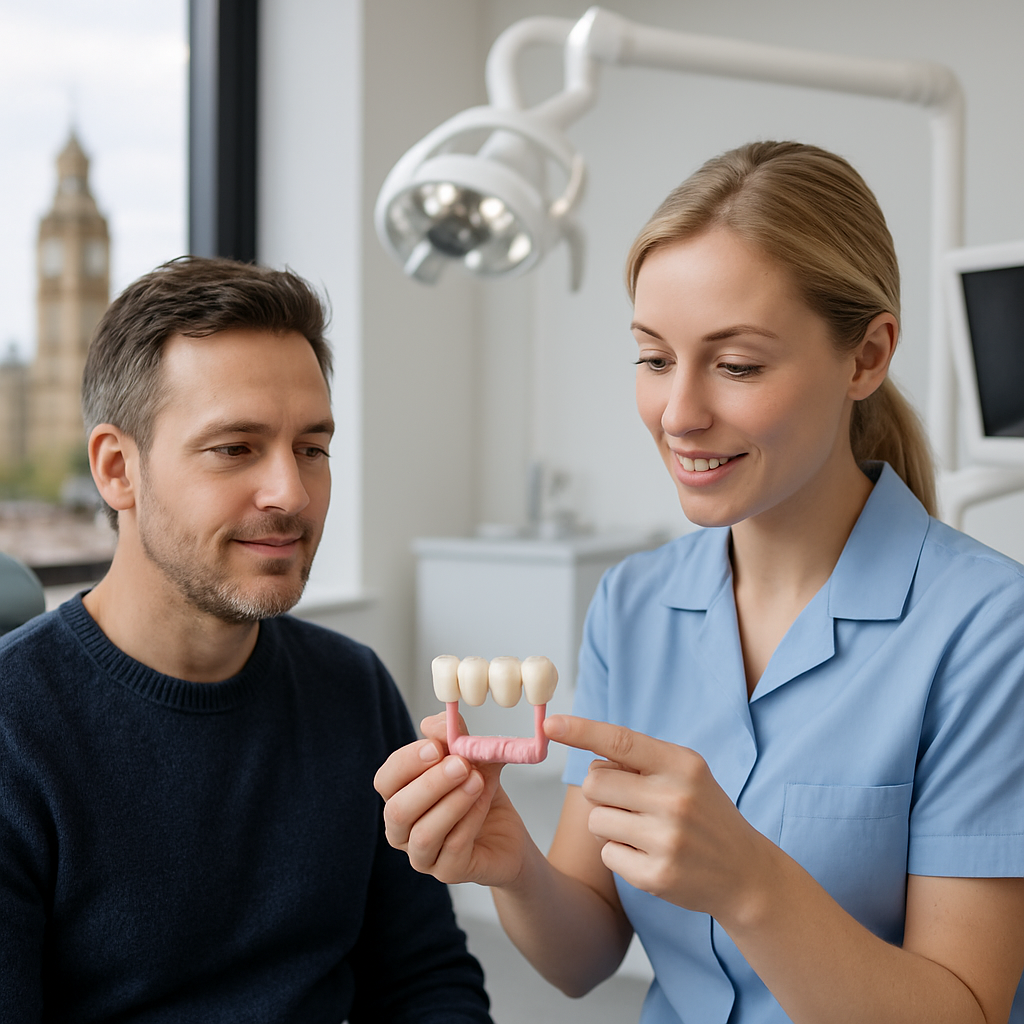
Selecting the appropriate dental professional in the bustling metropolis of London can be a daunting task, particularly for those seeking specific treatments such as london dental bridges. The complexity of options available requires careful consideration to ensure you receive the highest quality of care tailored to your individual needs.
First, it is essential to evaluate the qualifications and experience of the dentist. Many practitioners may specialise in restorative dentistry, which is critical for those needing london dental bridges. Check their credentials and any professional affiliations; memberships in recognised dental associations can indicate a commitment to ongoing education and adherence to industry standards.
Furthermore, assessing the facilities and technologies employed by the practice is vital. Modern dental clinics often offer advanced techniques and materials that enhance the efficacy of procedures, including london dental bridges. A well-equipped practice can significantly improve the outcome of your treatment and your overall experience.
Additionally, consider patient reviews and testimonials, which provide insight into others’ experiences. A dentist who has successfully performed numerous london dental bridges can often be identified through positive feedback regarding their skill and patient care.
Finally, ensure that the practice aligns with your personal comfort and convenience. Proximity, availability of appointments, and the dentist’s approach to patient care all play a crucial role in your decision-making process. Engaging with a professional who prioritises your comfort and provides clear communication will enhance your journey towards achieving optimal dental health.
Pre-Procedure Assessments
A thorough evaluation prior to any dental procedure is paramount in ensuring the best possible outcomes for patients. This assessment not only encompasses a detailed medical history but also includes a comprehensive review of the patient’s oral health and specific needs. For those considering london dental bridges, the pre-procedure assessment becomes even more critical, as these restorations require a precise fit and alignment to function optimally.
During the assessment, dental professionals closely examine the existing teeth, gums, and jaw structure. This step is essential for identifying any potential issues that could complicate the procedure, such as underlying periodontal disease or insufficient bone density. In the context of london dental bridges, a successful outcome hinges on addressing these factors beforehand to ensure stability and longevity of the bridges.
Moreover, patients should be informed about the various types of bridges available, discussing which options best suit their individual circumstances. This personalised approach not only enhances patient satisfaction but also directly impacts the effectiveness of the bridge itself. As dental professionals in London, it is our duty to ensure that patients feel educated and confident in their choices.
Finally, this evaluation often includes diagnostic imaging, such as X-rays, to provide a clearer picture of the jaw and bone structure. Such detailed assessments lay the groundwork for successful treatments, particularly when it comes to procedures like london dental bridges, ultimately leading to improved oral health and enhanced quality of life for patients.
Success Rates of London Dental Bridges
In the realm of restorative dentistry, the efficacy of dental treatments significantly influences patient satisfaction and long-term oral health. Among the various options available, london dental bridges have emerged as a popular choice for individuals seeking to replace missing teeth. The success rates of these dental appliances are often a key concern for both patients and practitioners. Research indicates that when properly designed and installed by skilled professionals, the success rate for london dental bridges can reach impressive levels, often exceeding 90% over a span of ten years.
Key factors that contribute to the longevity and effectiveness of london dental bridges include the quality of the materials used, the expertise of the dental practitioner, and the patient’s commitment to oral hygiene. It is also vital that the dental bridge is anchored securely to adjacent teeth or dental implants, as this directly influences the stability and functionality of the restoration.
Regular follow-up appointments and a rigorous maintenance regime can further enhance the success rates of london dental bridges, allowing patients to enjoy both aesthetic and functional benefits for many years. Moreover, advancements in dental technology and materials continue to evolve, providing even greater opportunities for improved outcomes. In conclusion, when considering restorative options, london dental bridges not only offer a viable solution but also present a high probability of success, making them a preferred choice in contemporary dental practice.
Factors Influencing Success Rates
Success in any dental practice often hinges on a multitude of factors, particularly in the realm of restorative dentistry. One significant focus for practitioners is the use of london dental bridges. These innovative solutions not only restore aesthetic appeal but also improve functionality and oral health. To achieve desirable outcomes, practitioners must consider several elements.
First, the expertise and training of the dentist play a crucial role. A professional well-versed in the intricacies of london dental bridges can not only ensure the correct fitting but also enhance the longevity of the restoration. Continuous professional development and staying updated with the latest techniques can significantly influence success rates.
Secondly, patient factors, such as oral hygiene and adherence to post-procedure care, are vital. Patients who actively maintain their dental health contribute positively to the outcomes associated with london dental bridges. Educating patients about the importance of regular check-ups and proper maintenance can further bolster their commitment to optimal dental care.
Another essential aspect is the quality of materials used in crafting london dental bridges. High-quality materials can withstand the rigours of daily use, ensuring longevity and effectiveness. Dental practices that prioritise sourcing superior materials tend to report higher success rates and patient satisfaction.
Lastly, effective communication between dental professionals and patients fosters trust and encourages open dialogue, which is fundamental for discussing expectations and potential challenges. By addressing these factors comprehensively, dental practitioners can enhance their success rates in providing london dental bridges, ultimately leading to improved patient outcomes and satisfaction.
Long-Term Results and Care
When considering the long-term implications of dental treatments, particularly in the context of London dental bridges, it is paramount to emphasise the significance of both the procedure itself and the subsequent care required. Dental bridges provide a robust solution for tooth loss, restoring function and aesthetics. However, achieving durable results necessitates a commitment to proper maintenance and regular dental check-ups.
The longevity of London dental bridges heavily relies on the quality of the materials used and the expertise of the dental professionals involved. Patients must ensure they choose a reputable clinic, as the intricacies of the procedure can vary greatly from one provider to another. Following the initial placement, diligent oral hygiene practices are critical. This includes daily brushing, flossing, and possibly the use of interdental brushes to keep the bridge and surrounding teeth healthy.
Moreover, regular follow-up appointments with your dentist will help in monitoring the condition of the London dental bridges, ensuring any potential issues are addressed promptly. It’s also advisable to discuss dietary habits, as certain food choices can impact the longevity of the bridges.
In summary, while London dental bridges offer a practical solution for restoring smiles, their success hinges on a combination of professional skill and patient diligence. Embracing a proactive approach to dental care will not only enhance the life of the bridges but also contribute positively to overall oral health, ensuring that the investment made is long-lasting.
Conclusion: Making Informed Decisions on Dental Bridges

When considering the installation of dental bridges, it is imperative to weigh all available options carefully. Dental bridges serve as a reliable solution for those seeking to restore not only their smile but also their oral functionality. Particularly in London, professionals emphasise the importance of personalised care and advanced technology in the selection and application of london dental bridges.
Patients must first consult with a qualified dentist to ascertain their specific needs, as the type of bridge—whether traditional, cantilever, or implant-supported—will significantly affect both the aesthetic outcome and the long-term durability. It is also beneficial to explore various dental practices in London, given the competitive nature of the market, which often leads to innovative approaches and treatments.
Moreover, understanding the costs associated with london dental bridges is essential for making informed decisions. Many practices offer financing options, enabling patients to prioritise their dental health without undue financial strain. Additionally, the longevity of a dental bridge can heavily depend on the patient’s oral hygiene routine and lifestyle choices, highlighting the necessity for ongoing self-care post-procedure.
Ultimately, the decision to pursue london dental bridges should result from a collaborative discussion between the patient and their dental professional, ensuring that all factors are considered. By focusing on informed choices and expert guidance, individuals can achieve satisfactory results that enhance their quality of life and confidence, making the investment in dental bridges a worthwhile consideration.