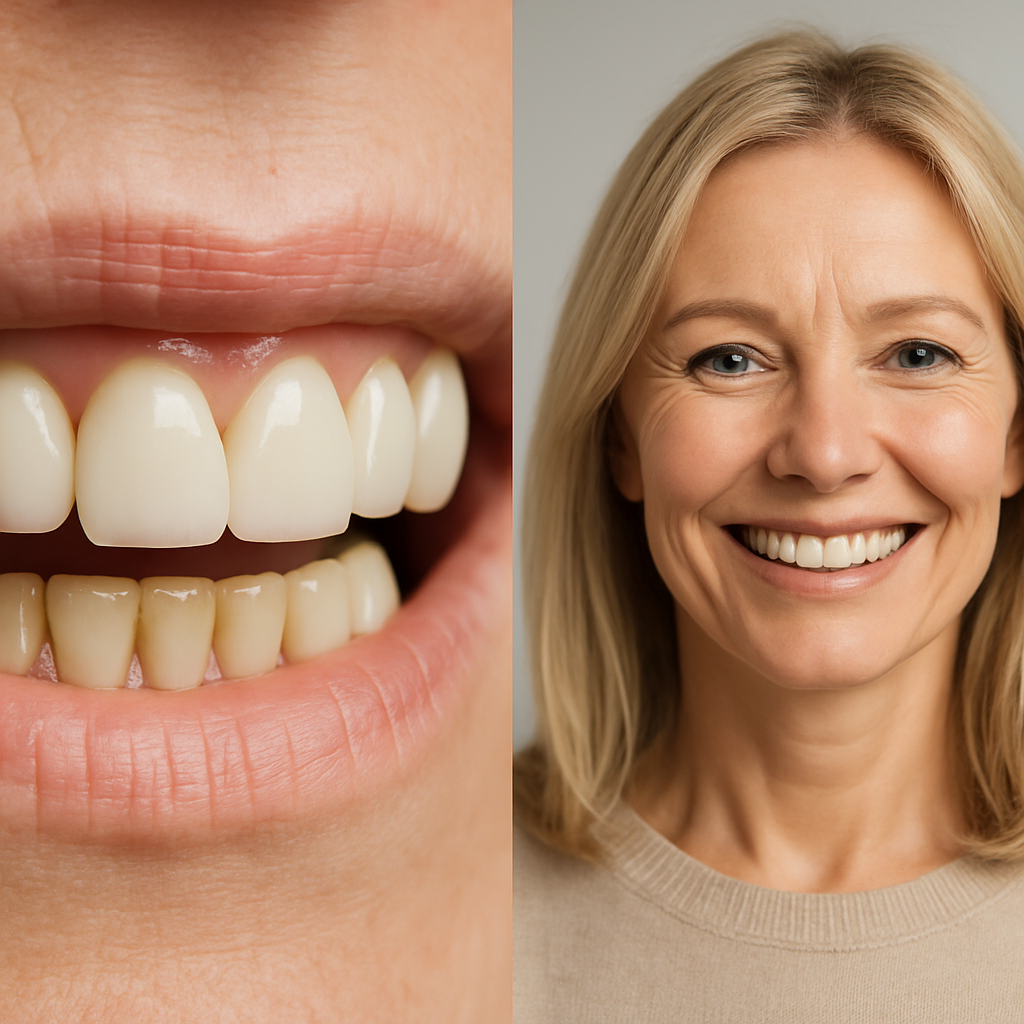
Introduction to London Dental Bridges Risks When considering dental restoration options, it is crucial to understand the london dental bridges risks that may accompany the procedure. Dental bridges are commonly used to replace missing teeth, helping to restore functionality and aesthetics. However, like any dental treatment, they are not without potential complications. Patients should be …

Introduction to London Dental Bridges Risks
When considering dental restoration options, it is crucial to understand the london dental bridges risks that may accompany the procedure. Dental bridges are commonly used to replace missing teeth, helping to restore functionality and aesthetics. However, like any dental treatment, they are not without potential complications. Patients should be aware of issues such as decay around the bridge, gum disease, and the possibility of the bridge not fitting properly due to changes in the jaw structure over time.
Moreover, the longevity of a dental bridge can be significantly affected by oral hygiene practices. Insufficient care may lead to further dental problems, which could negate the benefits of the bridge itself. Patients often overlook the importance of regular dental check-ups, which play a vital role in monitoring the health of both the bridge and surrounding teeth.
In addition, there are risks related to the materials used in the construction of the bridge. Some individuals may experience allergic reactions or sensitivities to metals or resins, which could lead to discomfort or the need for additional dental interventions. These factors all contribute to the overall london dental bridges risks, making comprehensive consultation with a qualified dental professional essential before proceeding with treatment.
Educating oneself about these risks can empower patients to make informed decisions regarding their oral health. By understanding the potential downsides, one can better navigate the complexities of dental restoration and seek alternatives if necessary, ensuring the best possible outcomes.

What Are Dental Bridges?
Dental bridges are an effective solution for individuals who have lost one or more teeth. These fixed prosthetic devices can restore both function and aesthetics, allowing patients to regain their confidence and improve their oral health. Typically anchored to adjacent teeth, dental bridges can prevent the shifting of remaining teeth, which can lead to a range of complications.
However, opting for dental bridges does come with its own set of considerations. One of the primary concerns for patients is the london dental bridges risks associated with the procedure. Potential risks include infection, damage to neighbouring teeth, and the possibility of the bridge becoming loose over time. Furthermore, patients should be aware of the need for meticulous oral hygiene, as neglect can lead to further dental issues. Understanding these london dental bridges risks is crucial when making a decision.
Patients are encouraged to consult with their dental professionals to discuss any concerns they may have. A thorough evaluation of individual circumstances can help mitigate some of the london dental bridges risks that may arise.
In addition, regular check-ups are essential to monitor the integrity of the bridge and the health of surrounding structures. With appropriate care, many patients find that the benefits of dental bridges far outweigh the potential london dental bridges risks. For more detailed information about the procedure and its implications, visit this resource.
Understanding the Risks Involved
Navigating the complexities of dental procedures requires a thorough understanding of potential complications that may arise, particularly when it comes to dental bridges. Patients considering this restorative option must be informed about the london dental bridges risks associated with the procedure. Although dental bridges are a popular choice for replacing missing teeth, they are not devoid of potential pitfalls.
One of the primary london dental bridges risks involves the possibility of infection at the site of the bridge, which can cause discomfort and additional treatments. Furthermore, if the supporting teeth are not adequately prepared or if the bridge is improperly fitted, patients may experience ongoing pain or misalignment of their bite. Such issues can lead to further dental complications, necessitating more extensive interventions.
Moreover, the longevity of the bridge is another consideration. Poor oral hygiene can increase the london dental bridges risks, potentially leading to decay in the adjacent teeth and requiring replacement sooner than anticipated. Thus, patients must commit to rigorous dental care following the procedure to mitigate these concerns.
Finally, it is essential for patients to engage in an open dialogue with their dental professionals. Understanding the london dental bridges risks enables individuals to make informed decisions, ensuring that they are well-prepared for any challenges that may arise post-treatment. Awareness and proactive management can significantly enhance the overall outcome, leading to a successful and satisfying restoration experience.
Common Dental Bridges Risks
When considering dental restoration options, it is essential to be aware of the potential complications associated with such procedures. One significant area of concern is the london dental bridges risks that can arise during and after the placement of dental bridges. These prosthetic devices are designed to fill gaps caused by missing teeth, but they are not devoid of pitfalls.
One of the primary risks includes the possibility of decay developing in the adjacent teeth, which serve as anchors for the bridge. If these supporting teeth are compromised, it could lead to further dental issues, necessitating additional treatments. Moreover, improper fitting of the bridge can result in discomfort or even pain, impacting the patient’s quality of life. The london dental bridges risks also encompass the potential for gum disease. If the bridge is not adequately cleaned and maintained, plaque can build up, leading to inflammation and infection.
Another concern is the longevity of the bridge itself. While dental bridges are designed to be durable, they can wear down over time or become dislodged, particularly if one does not adhere to recommended oral hygiene practices. Thus, understanding the london dental bridges risks is crucial for patients considering this option. By maintaining regular dental check-ups and following professional advice, many of these risks can be mitigated. For further insights on oral health and dental procedures, consult additional resources about dentistry through this relevant link.
Rare but Serious Risks
When considering dental procedures, it is essential to be aware of potential complications that may arise, despite the general safety of treatments. Among these, the london dental bridges risks deserve particular attention. While bridges are a popular solution for missing teeth, patients must understand the less common yet serious risks involved.
Infections can occur post-procedure due to inadequate oral hygiene or pre-existing conditions that compromise immunity. Furthermore, there is the potential for nerve damage during the placement, leading to prolonged discomfort or altered sensation. These london dental bridges risks can often be mitigated through careful planning and consultation with a qualified dental professional.
Another concern lies in the integrity of the bridge itself. If the supporting teeth are not healthy or properly prepared, there can be a failure of the bridge, which could necessitate additional procedures. It’s crucial for patients to engage in a thorough discussion with their dentist about the london dental bridges risks to make informed decisions about their oral health.
Moreover, while aesthetic results are often satisfactory, there can be instances of misalignment or poor fit, which may not only affect appearance but also functionality. Understanding these london dental bridges risks can empower patients to pursue their dental goals with greater knowledge and confidence.
In conclusion, while the prospect of receiving dental bridges is promising, it is vital to remain vigilant about the rare but serious risks associated with the procedure. Adequate preparation and professional guidance are paramount in minimising potential complications.
The Step-by-Step Procedure: What to Expect
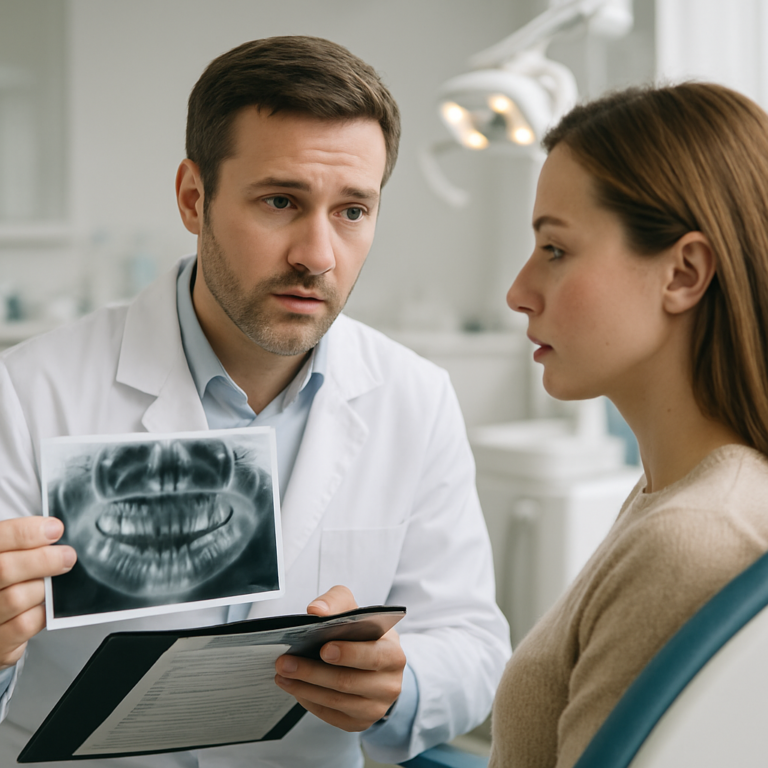
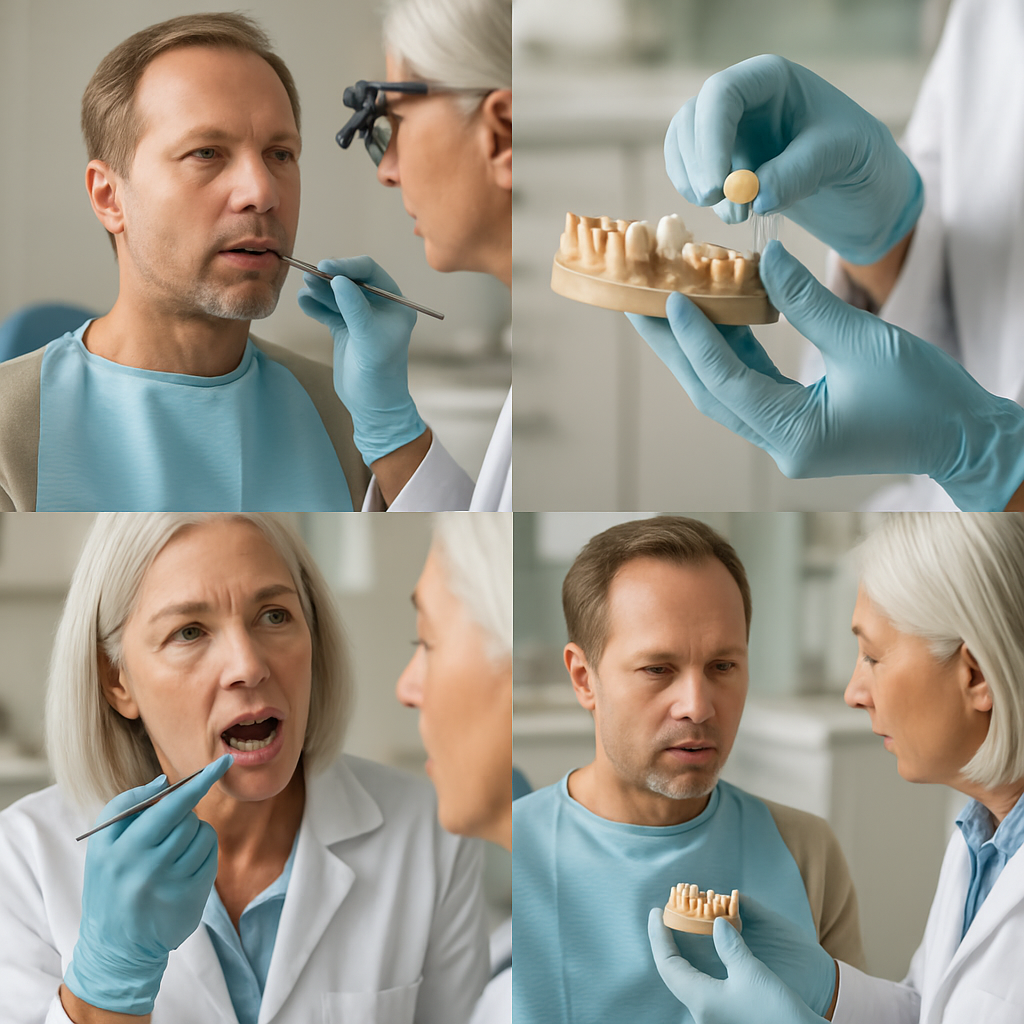
When considering dental bridges, it is essential to understand the entire process and the london dental bridges risks associated with each step. Initially, a thorough examination will be conducted by your dental professional, which may include X-rays and impressions of your teeth. This is crucial for assessing the ideal placement of the bridge and determining if any additional procedures, such as tooth extractions or root canals, are necessary.
Once the assessment is complete, a treatment plan will be discussed, outlining not only the steps involved but also the potential london dental bridges risks that may arise during the procedure. Common risks include sensitivity, potential damage to surrounding teeth, and issues related to improper fitting. It is imperative to address these concerns upfront, as they can impact your overall satisfaction with the outcome.
After the preliminary evaluations, the next stage involves preparing the adjacent teeth that will support the bridge. This preparation can sometimes lead to discomfort; hence, understanding the london dental bridges risks associated with this step is vital. Subsequently, temporary bridges may be fitted while your custom bridge is being crafted.
Finally, during the placement of the permanent bridge, meticulous attention to detail is paramount to ensure a seamless fit. Ensuring an understanding of the london dental bridges risks at each stage can aid in minimising complications. Continued follow-up appointments are essential for monitoring the bridge’s performance and addressing any emerging concerns, guaranteeing long-term success and patient satisfaction.
Initial Consultation
The initial consultation serves as a vital step in the journey towards achieving optimal dental health and aesthetics. During this appointment, dental professionals engage with patients to assess their needs, discuss potential treatment options, and ultimately establish a tailored plan. It is essential to highlight that with procedures such as dental bridges, patients should be made aware of the london dental bridges risks involved. These risks can vary from minor discomfort to more significant complications if not handled correctly.
Professionals should encourage patients to voice any concerns during this consultation. By addressing specific anxieties or questions, practitioners can build trust and ensure that patients are well-informed. Understanding the london dental bridges risks is crucial for patients; they must recognise that while bridges can restore function and appearance, they are not without their challenges. Potential complications, such as improper fit or deterioration of supporting teeth, should be clearly explained.
Furthermore, it is beneficial to discuss alternative solutions during the consultation. For instance, if a patient appears hesitant after learning about the london dental bridges risks, options such as implants or partial dentures should be explored. This conversation not only empowers patients but also reinforces the importance of informed decision-making in their dental care journey. Ultimately, the initial consultation is not merely about treatment initiation; it is a foundational step that lays the groundwork for a cooperative relationship between the patient and the dental professional, with a focus on safety and satisfaction while navigating the london dental bridges risks.
X-Rays and Treatment Planning

In the realm of modern dentistry, the integration of advanced imaging techniques such as X-rays significantly enhances treatment planning capabilities. These diagnostic tools enable dental professionals to obtain a comprehensive view of a patient’s oral health, identifying issues that may not be immediately visible through traditional examination methods. Particularly in complex procedures, understanding the underlying anatomy through X-rays can mitigate potential complications associated with various treatments.
However, when considering specific interventions like dental bridges, it is crucial to address the london dental bridges risks. These risks encompass a range of factors, including the possibility of improper fitting, which may lead to discomfort or misalignment. Furthermore, post-treatment complications can arise if the supporting teeth are not adequately assessed prior to the procedure. By employing X-ray technology, practitioners can ensure that the structure and health of surrounding teeth are thoroughly evaluated, thereby reducing the likelihood of encountering significant london dental bridges risks.
Moreover, detailed imaging facilitates the identification of underlying issues such as decay or infection, which could compromise the longevity of the dental bridge. By conducting a meticulous analysis of these aspects, dental professionals can craft tailored treatment plans that prioritise patient safety and satisfaction. As such, the role of X-rays in treatment planning serves not only to enhance procedural accuracy but also to minimise the london dental bridges risks associated with potentially complex restorative work. Ultimately, a judicious approach to treatment planning, underpinned by effective imaging, is essential for optimal patient outcomes in contemporary dentistry.

Preparing the Teeth
Preparing the mouth for any dental procedure is a crucial step in ensuring both effectiveness and safety. Among various treatments, the application of bridges is particularly common, yet it is essential to address the london dental bridges risks that accompany this procedure. Prior to the fitting of dental bridges, thorough examinations and preparatory measures are required.
A comprehensive assessment of oral health provides insight into the condition of the supporting teeth and gums. Neglecting to evaluate these factors may lead to complications, particularly concerning london dental bridges risks. For instance, inadequate bone density or gum disease can compromise the longevity and stability of the bridge once fitted.
Moreover, proper oral hygiene must be emphasised before the fitting process. Patients should be educated on maintaining optimal dental care to mitigate any potential issues that could arise. In this context, understanding the london dental bridges risks is vital. Patients should engage in discussions with their dental professionals, enabling them to weigh the benefits against the potential complications associated with the procedure.
Finally, it is crucial to have realistic expectations regarding the outcome of dental bridges, as successful results are heavily dependent on individual circumstances. By acknowledging and preparing for the london dental bridges risks, patients can take an informed step towards restoring their smiles with confidence. Ultimately, a cautious and diligent approach to preparation can significantly enhance the overall experience and satisfaction with dental bridge treatments.
Taking Impressions
In the realm of dental care, particularly concerning the utilisation of bridges, understanding the intricacies of london dental bridges risks is paramount. As dental professionals, it is essential that we educate our patients not only on the benefits but also on the potential challenges associated with these restorative solutions. Dental bridges, while effective in filling gaps and restoring function, can present specific risks that might affect both the longevity of the restoration and the overall oral health of the patient.
One of the primary london dental bridges risks involves the possibility of decay at the abutment teeth, which are crucial for anchoring the bridge. Patients must be made aware that inadequate oral hygiene could lead to complications, ultimately necessitating further dental interventions. Additionally, the risk of gum disease around the bridge site cannot be overlooked. Patients often require thorough guidance on maintaining impeccable dental hygiene to mitigate these threats.
Moreover, the risk of misalignment should also be addressed. A poorly fitted bridge can lead to improper bite and jaw issues, causing discomfort and requiring adjustment or replacement. This highlights the importance of selecting a highly skilled practitioner who understands the myriad london dental bridges risks involved in the procedure.
In conclusion, while dental bridges can significantly enhance a patient’s quality of life, an informed approach is crucial. By thoroughly discussing the london dental bridges risks, we empower our patients to make educated choices regarding their oral health, ensuring they are prepared for the responsibilities that come with dental restorations.
Temporary Bridge Placement
In the realm of dentistry, the placement of temporary bridges serves as a critical solution for patients awaiting more permanent restorations. While offering immediate aesthetic and functional benefits, it is imperative to consider the london dental bridges risks associated with these provisional devices. Temporary bridges, often constructed from acrylic or composite materials, may not provide the same durability as their permanent counterparts. Patients might experience discomfort or sensitivity, particularly if the temporary bridge is not fitted correctly.
Moreover, the challenges do not end there. The potential for misalignment can lead to further complications, necessitating additional treatments. It is crucial for dental professionals to educate their patients about the london dental bridges risks, including the possibility of gum irritation and decay of adjacent teeth. Such adverse effects can undermine the overall treatment plan, complicating the transition to permanent solutions.
A thorough assessment of the patient’s oral health and meticulous attention during the fitting process are vital in mitigating these risks. Dentists must proactively discuss the london dental bridges risks with their patients, ensuring they are well-informed before proceeding. By doing so, practitioners not only foster trust but also enhance the likelihood of a successful treatment outcome.
In summary, while temporary bridge placement can significantly enhance a patient’s quality of life, understanding the inherent london dental bridges risks is essential. This awareness facilitates a more comprehensive approach to patient care, ultimately leading to successful long-term results in dental restoration.
Final Bridge Placement
The successful placement of dental bridges necessitates a thorough understanding of both the procedure and its potential risks. Among the various concerns that dental professionals and patients alike must consider, london dental bridges risks remain a prominent topic of discussion. The intricacies involved in the final bridge placement can lead to complications if not executed with precision. It is imperative for practitioners to be well-versed in the potential challenges that may arise during this critical phase of treatment.
One key aspect to address is the risk of improper fit, which can result in discomfort or further dental issues. Patients should be informed about london dental bridges risks related to this, as it may affect their overall satisfaction and oral health. Moreover, the choice of materials plays a significant role; inadequate selection can lead to aesthetic concerns or degradation over time, underscoring the importance of utilising high-quality components.
In addition, the risk of infection following the placement of a bridge cannot be understated. Dental professionals must emphasise the necessity of maintaining excellent oral hygiene to mitigate these london dental bridges risks. Regular check-ups are also vital for monitoring the bridge’s integrity and the health of the surrounding gums.
Finally, patient education is essential. Clear communication regarding the london dental bridges risks helps in setting realistic expectations and encourages patients to voice any concerns. By fostering this dialogue, dental practitioners can enhance patient trust and ensure a successful outcome in the long-term care of their dental bridges.
Post-Procedure Care and Considerations
Post-procedure care is an essential aspect of ensuring the longevity and success of dental treatments, particularly following the placement of dental bridges. Patients should be thoroughly informed about the potential london dental bridges risks that may arise during the recovery phase. It is crucial to adhere to the dentist’s aftercare instructions, which typically include dietary restrictions and oral hygiene practices. Soft foods are often recommended initially to avoid excess pressure on the newly fitted bridges, minimising the risk of dislodgement or discomfort.
Monitoring for any signs of complications is also vital. Patients should be educated on recognising symptoms that could indicate issues, such as excessive swelling or prolonged pain, which could suggest an underlying problem. Understanding these london dental bridges risks allows for early intervention, should any irregularities arise. This proactive approach not only enhances recovery but also contributes to long-term dental health.
Additionally, regular follow-up appointments play a pivotal role in the post-procedure care process. Dentists can assess the condition of the bridge and surrounding gums, ensuring that any potential london dental bridges risks are addressed promptly. Moreover, maintaining good oral hygiene is paramount; patients should be encouraged to brush and floss diligently around the bridge area to prevent decay and gum disease, which can compromise the integrity of the dental work.
Ultimately, effective communication between patients and dental professionals is essential to navigate the post-operative landscape. By recognising and addressing london dental bridges risks, patients can achieve optimal outcomes and enjoy the benefits of their dental bridges for years to come.
When to Seek Help from Your Dentist
Understanding the right moments to consult your dental professional is crucial for maintaining optimal oral health. Many individuals often overlook subtle signs that indicate the need for expert advice, which can lead to more severe issues down the line. For instance, if you experience persistent discomfort while chewing or notice unusual sensitivity, these could be early warning signals requiring immediate attention.
Additionally, regular check-ups are vital, as they facilitate early detection of potential problems that might not cause immediate symptoms. One area of concern that should not be dismissed is the evaluation of london dental bridges risks. If you’re considering or recently received dental bridges, knowing the specific risks associated with them is essential. Complications can arise, and understanding these risks can significantly influence your decisions regarding dental procedures.
Moreover, if you suspect that your dental bridge may not be fitting correctly or is causing pain, it’s imperative to seek professional help. Ignoring these symptoms can exacerbate the london dental bridges risks, leading to complications like gum disease or further tooth loss.
In summary, proactive engagement with your dentist can mitigate many oral health issues. Whether it’s for routine checks or addressing specific concerns, being vigilant about the signs your body sends can prevent unnecessary complications, particularly concerning london dental bridges risks. Always prioritise your dental health by knowing when to seek professional advice.
Conclusion: Making Informed Decisions

In the realm of dental care, specifically concerning restorative procedures, it is crucial to weigh the potential london dental bridges risks against the benefits they offer. Dental bridges serve as a vital solution for individuals with missing teeth, providing both functional and aesthetic enhancements. However, as with any medical procedure, understanding the associated risks is essential for making a well-informed decision.
Patients should actively engage in discussions with their dental professionals to gain an insight into the specific london dental bridges risks pertinent to their unique situations. These risks can include complications related to the bridge’s fit, potential damage to neighbouring teeth, or issues arising from the materials used. Furthermore, the longevity of the bridge and the necessity for future maintenance or replacements should be thoroughly considered.
Being informed empowers patients to navigate the complexities of dental procedures. It allows them to set realistic expectations and prepare for the journey towards oral health restoration. This decision-making process is not merely about choosing a treatment option but involves a comprehensive evaluation of one’s overall dental health and personal circumstances.
Ultimately, individuals must recognise that while london dental bridges risks exist, with the right preparation and professional guidance, they can be effectively managed. Ensuring that one is equipped with all necessary information leads to better outcomes and fosters greater peace of mind throughout the treatment. Thus, making informed decisions in dental care not only enhances the quality of life but also reinforces the importance of trust in healthcare relationships.