Introduction to London Dental Bridges In the realm of restorative dentistry, London Dental Bridges stand out as a pivotal solution for patients seeking to restore functionality and aesthetics following tooth loss. These prosthetic devices, designed to bridge the gap created by one or more missing teeth, utilise adjacent teeth for support, ensuring a seamless and …

Introduction to London Dental Bridges

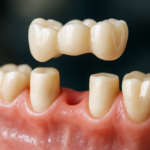
In the realm of restorative dentistry, London Dental Bridges stand out as a pivotal solution for patients seeking to restore functionality and aesthetics following tooth loss. These prosthetic devices, designed to bridge the gap created by one or more missing teeth, utilise adjacent teeth for support, ensuring a seamless and natural appearance. The procedure is not only about enhancing one’s smile; it plays a critical role in maintaining dental health by preventing adjacent teeth from shifting and ensuring proper bite alignment.
Patients considering London Dental Bridges are often concerned about the materials used, aesthetic outcomes, and longevity of the solution. Modern advancements have led to the development of high-quality materials, such as ceramic and porcelain, which closely mimic the look of natural teeth while providing durability. Comprehensive consultations with skilled dental professionals can help tailor the approach to each individual’s specific needs, ensuring optimal results that blend functionality with aesthetic appeal.
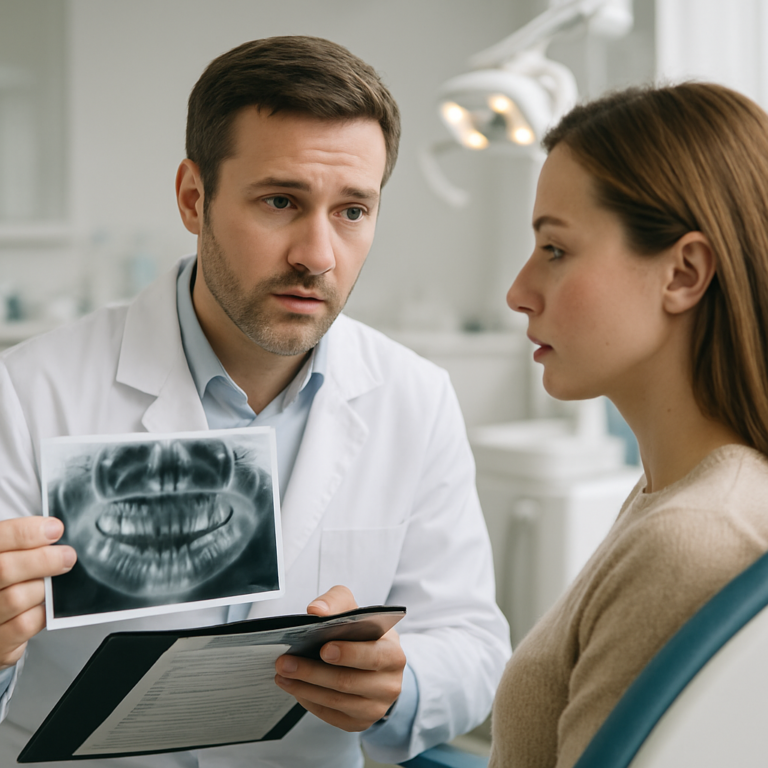
Moreover, the implementation of London Dental Bridges involves a systematic approach, starting from thorough assessments and precise imaging to the final fitting and adjustments. This meticulous process guarantees that the bridges are not only comfortable but also enhance the overall oral health of the patient. Following a successful installation, regular dental check-ups will ensure the integrity of the London Dental Bridges, allowing patients to enjoy their restored smiles for many years. Ultimately, the choice of London Dental Bridges signifies a commitment to quality care and aesthetic excellence in dentistry.

Understanding Dental Bridges
In the realm of restorative dentistry, bridges serve as essential solutions for individuals facing the challenge of missing teeth. A dental bridge essentially spans the gap left by one or more lost teeth, utilising adjacent teeth as anchors. This not only restores functionality—enabling patients to chew and speak with confidence—but also helps maintain the integrity of facial structure, preventing the shifting of neighbouring teeth.
London Dental Bridges are particularly sought after due to their aesthetic and functional advantages. They are crafted from a range of materials, including porcelain and metal, which can be customised to match the natural colour of one’s teeth, ensuring a seamless integration into the patient’s dental profile. This customised approach is crucial, as an ill-fitting bridge can lead to discomfort and further dental issues.
Patients considering London Dental Bridges must undergo a thorough consultation to assess their dental health and the best materials for their specific needs. It is also vital to discuss the longevity and care required for bridges, which can last several years with proper maintenance.
Moreover, the expertise of a skilled dental professional greatly influences the success of the procedure. Those seeking further information about this restorative option may find it beneficial to visit a reputable clinic, such as A Cardent Clinic, where they can receive personalised advice. The use of London Dental Bridges continues to play a significant role in enhancing smiles and improving overall oral health for many individuals across the city.
What Are Dental Bridges?
Dental bridges are a critical component in restorative dentistry, designed to replace missing teeth and restore functionality and aesthetics. Typically composed of two or more crowns anchored to adjacent healthy teeth, these prosthetic devices can effectively bridge the gap left by lost teeth. The process often involves comprehensive assessments and personalised treatment plans tailored to individual patient needs.
In the realm of London Dental Bridges, numerous options are available, including traditional, cantilever, and Maryland bridges. Each type serves a unique purpose, depending on the specific circumstances of the patient. Traditional bridges are the most commonly used, relying on natural teeth for support. In contrast, cantilever bridges are used when adjacent teeth are only present on one side of the gap, while Maryland bridges offer a less invasive solution, often employing a framework bonded to the back of the adjacent teeth.
The advantages of London Dental Bridges extend beyond mere aesthetics; they also improve oral health by preventing the remaining teeth from shifting, ensuring that bite alignment is maintained. Moreover, they can significantly enhance the patient’s ability to chew and speak properly.
When considering the options for tooth replacement, consulting with a dental professional specialising in London Dental Bridges is vital. They can provide insights into the most suitable solutions based on an individual’s dental health, lifestyle, and cosmetic preferences. Ultimately, well-designed bridges can greatly enhance both function and confidence, making them a popular choice in restorative dentistry.
Types of Dental Bridges Available in London
In the realm of restorative dentistry, there exists a variety of solutions tailored to address the challenges posed by tooth loss. Among these, London Dental Bridges have gained significant popularity. These prosthetic devices effectively bridge the gap created by one or more missing teeth, restoring both functionality and aesthetics.
The main types of dental bridges include traditional, cantilever, Maryland, and implant-supported bridges. Traditional bridges, often the most common, involve crowns placed on adjacent teeth to support the false tooth or teeth in between. In contrast, cantilever bridges are utilised when there is only one tooth adjacent to the gap, providing a simpler solution. Maryland bridges, on the other hand, are characterised by their resin-bonded structure, which uses a framework of metal or porcelain to hold the false tooth in place with minimal alteration to the surrounding teeth. Lastly, implant-supported bridges offer the most robust and stable solution by anchoring the bridge to dental implants, making them a preferred option for many patients seeking London Dental Bridges.
Choosing the right type of bridge depends on various factors, including the number of missing teeth, the condition of surrounding teeth, and individual patient preferences. Consulting with a qualified dental professional can provide clarity on the most suitable choice. For more information on the field of dentistry and its practices, consider visiting this relevant link. Ultimately, the effectiveness of London Dental Bridges hinges on proper diagnosis and tailored treatment plans.
The Importance of Recovery Timeline
Understanding the recovery timeline is crucial for both dental professionals and patients, particularly when it comes to procedures involving London Dental Bridges. After the placement of these prosthetic devices, patients should be aware of the various stages they will experience during their healing process. This timeline not only informs them about what to expect but also aids in setting realistic goals for their recovery.
Initially, patients may encounter some discomfort and swelling, which is entirely normal. It is essential for practitioners to communicate the importance of following aftercare instructions meticulously. The timeline can vary depending on individual factors, such as the complexity of the procedure and the patient’s overall health. Generally, significant healing occurs within the first few weeks; however, complete recovery may take several months.
For professionals, understanding the nuances of the recovery timeline enables better patient management and care. Regular follow-ups during this period can help identify any complications early, ensuring that the integration of London Dental Bridges is successful. Furthermore, educating patients on the implications of their recovery can improve compliance with post-operative care, ultimately leading to enhanced outcomes.
In summary, a well-structured recovery timeline is not merely a procedural formality but a fundamental component of successful dental rehabilitation. By prioritising this aspect, both patients and dental professionals can work collaboratively towards achieving optimal results with London Dental Bridges.
Why Recovery Matters
In the context of dental health, the significance of recovery cannot be overstated. After dental procedures, particularly those involving complex restorations like London Dental Bridges, a well-structured recovery plan is essential for optimal outcomes. Patients often underestimate the importance of adhering to post-operative care guidelines. These guidelines not only facilitate healing but also enhance the longevity of the restorative work undertaken.
When patients invest in procedures such as London Dental Bridges, they are often eager to enjoy the benefits of a renewed smile and improved functionality. However, neglecting recovery can lead to complications that might compromise these benefits. For instance, proper oral hygiene, dietary adjustments, and regular follow-up appointments are crucial in ensuring that the bridges remain stable and the surrounding tissues heal effectively.
Additionally, the emotional aspect of recovery should not be overlooked. Patients who experience discomfort or complications during their recovery may feel discouraged, which can adversely affect their overall perception of dental care. By prioritising recovery, dental professionals not only enhance patient satisfaction but also foster a trusting relationship that encourages proactive oral health maintenance.
Ultimately, the recovery process after receiving London Dental Bridges is about more than just physical healing; it’s about empowering patients to reclaim their confidence and well-being. The role of a dental professional in guiding patients through this phase is invaluable, highlighting the fact that recovery truly matters in the realm of dental care.
Factors Influencing Recovery for London Dental Bridges
Recovery in dental treatments, particularly concerning London Dental Bridges, is influenced by a variety of factors that practitioners must consider to ensure optimal outcomes for their patients. One of the primary elements affecting recovery is the patient’s overall oral hygiene. Maintaining rigorous dental care before and after the procedure significantly enhances healing and minimises the risk of complications.
Furthermore, the material quality used in London Dental Bridges plays a critical role in the recovery process. High-quality materials not only ensure durability but also promote better integration with the surrounding gum tissue, facilitating a smoother healing phase. Additionally, the skill and technique of the dental professional are paramount; expert placement of the bridge can lead to less discomfort and quicker recovery times.
Patient-specific factors, including age, overall health, and any pre-existing conditions, also contribute substantially to the recovery trajectory. For instance, individuals with chronic health issues may experience a more protracted recovery when undergoing treatment involving London Dental Bridges. It is essential for dental professionals to conduct comprehensive assessments to tailor post-operative care effectively.
Moreover, psychological factors should not be overlooked. A patient’s mental well-being can influence their perception of pain and their compliance with aftercare instructions, ultimately affecting the recovery process. By addressing both the physical and psychological aspects, dental practitioners can significantly enhance the successful recovery for patients undergoing procedures involving London Dental Bridges. Therefore, a holistic approach is crucial in achieving the best results in dental restorations.
Recovery Timeline Overview
Understanding the recovery timeline following dental bridge procedures is essential for both practitioners and patients. Typically, after the placement of London Dental Bridges, patients can expect a period of adjustment as they become accustomed to the new structures in their mouths. This adjustment phase can vary; however, most individuals report an initial discomfort or sensitivity that tends to subside within a few days.
The healing process can be influenced by various factors, including the patient’s overall dental health and adherence to post-operative care instructions. For those opting for London Dental Bridges, it is crucial to maintain excellent oral hygiene to support the recovery timeline. Regular check-ups can facilitate the monitoring of the healing process, ensuring that any complications are addressed promptly.
Within the first week, many patients notice a significant reduction in any pain or discomfort. By this stage, the gums begin to heal around the London Dental Bridges, aiding in the overall stability of the bridge. Most patients return to their normal diet shortly after this period, although some may prefer to avoid particularly hard or crunchy foods until fully acclimatised.
As the weeks progress, the integration of the London Dental Bridges into the patient’s dental structure becomes more seamless. Follow-up appointments are vital to evaluate the success of the bridge and make any necessary adjustments. In summary, understanding the recovery timeline can significantly enhance the patient experience and outcomes, highlighting the importance of effective communication between dental professionals and their clients.
Immediate Post-Procedure Care

Following any dental procedure, especially those involving London Dental Bridges, immediate post-procedure care is crucial to ensure optimal healing and long-term success. Patients should be thoroughly informed about how to manage their care in the hours and days following their treatment. It is essential to adhere to any specific guidelines provided by the dental practitioner, as these are tailored to individual circumstances.
Initially, patients may experience discomfort or swelling. Utilizing ice packs on the affected area for short intervals can significantly alleviate these symptoms. Furthermore, maintaining hydration and a balanced diet is vital, yet it is advisable to avoid hard or sticky foods that could jeopardise the integrity of London Dental Bridges during the initial recovery phase.
Oral hygiene remains paramount. Patients should gently rinse their mouths with a warm saltwater solution to reduce the risk of infection. However, one must be cautious not to disrupt the surgical site, particularly in the case of recent placements of London Dental Bridges. It is also recommended to avoid vigorous brushing in the immediate aftermath, focusing instead on careful cleaning of adjacent areas.
Regular follow-ups with the dental professional should be scheduled to monitor the healing process. Any signs of unusual pain or complications should be reported immediately. By adhering to these guidelines, patients can significantly enhance their recovery experience and ensure the lasting effectiveness of their London Dental Bridges. Proper immediate post-procedure care is thus a fundamental component of successful dental interventions.
1-2 Weeks Post-Procedure: What to Expect
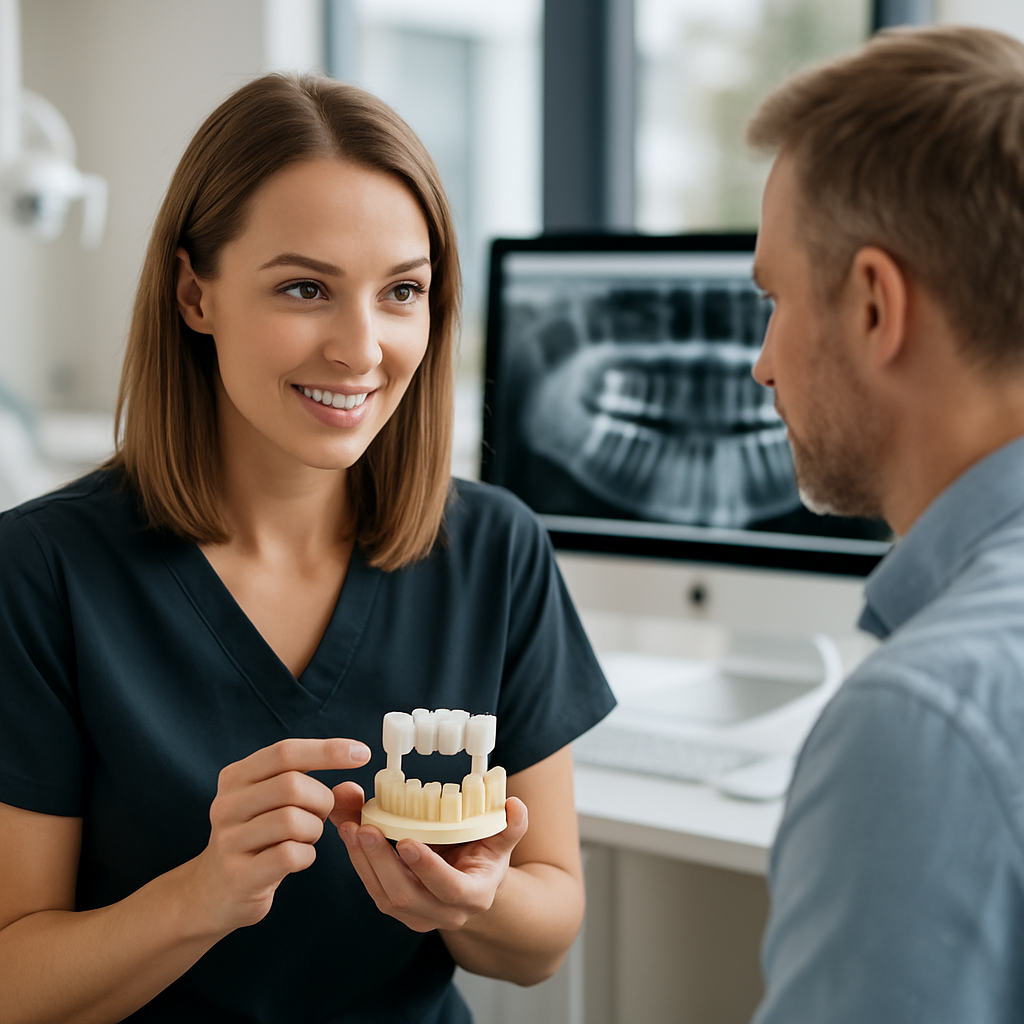
Following a dental procedure, particularly when it involves London Dental Bridges, patients often experience a range of sensations and outcomes during the recovery phase. In the first week, it is common to encounter mild discomfort or sensitivity around the treatment area. This is entirely normal as the mouth adjusts to the new structure. Patients may also notice some swelling or bruising, which should gradually subside over this period.
By the end of the first week, many individuals begin to feel more comfortable. It’s advisable to stick to soft foods and avoid anything excessively hot or cold to minimise discomfort. Maintaining excellent oral hygiene is vital during this time to ensure that the area around the London Dental Bridges heals properly without complications. Gentle brushing and rinsing with an antiseptic mouthwash can aid in this process.
As you move into the second week post-procedure, the discomfort should significantly diminish. Patients may begin to resume normal eating habits, but sensibility to certain foods may persist as the gums continue to settle. Regular follow-up appointments with your dentist are crucial during this period; they will assess the integration of the London Dental Bridges and address any lingering concerns.
Overall, the first two weeks are a significant transition period, and understanding what to expect can greatly ease anxiety. Proper care and diligence will ensure your London Dental Bridges function effectively and enhance your smile for years to come.
1 Month Post-Procedure: Monitoring Progress
Following a dental procedure, particularly one involving London Dental Bridges, it is crucial to monitor the progress diligently during the recovery phase. One month post-procedure is often a significant marker for assessing the success of the treatment and the adaptation of the patient to the new dental structure. Patients should be encouraged to maintain regular follow-ups with their dental professionals to evaluate healing and functionality.
During this period, attention should be given to various factors. Firstly, any discomfort or unusual sensations around the London Dental Bridges can indicate the need for professional consultation. It’s not uncommon for patients to experience mild soreness, but persistent pain should not be overlooked. Furthermore, the fit of the bridges should be closely examined; they should not only feel comfortable but also function effectively during chewing and speaking.
Good oral hygiene practices are paramount after receiving London Dental Bridges. Patients must continue to care for both the bridges and the surrounding natural teeth to prevent complications such as decay or gum disease. Regular brushing and interdental cleaning will help maintain the integrity of the work completed.
In addition to these considerations, dietary adjustments may be advisable. Soft foods can be less abrasive during the initial healing phase. As the month progresses, patients might gradually reintroduce their usual diet while remaining cautious about hard or sticky foods that could jeopardise the longevity of their London Dental Bridges.
Ultimately, this month is a pivotal time for the patient, laying the groundwork for long-term success and satisfaction with their dental health.
Long-Term Care for Your Bridges
Maintaining the longevity and functionality of dental restorations is paramount for overall oral health. When it comes to London Dental Bridges, a proactive approach to care can significantly enhance their durability. These bridges not only restore the aesthetic appeal of your smile but also ensure proper alignment and distribution of bite forces. To safeguard their integrity, it is essential to adhere to a meticulous dental hygiene routine. Regular brushing and flossing will help eliminate plaque and debris that can compromise the surrounding teeth and gum health.
Moreover, routine visits to a dental professional are crucial. These appointments allow for early detection of potential issues, ensuring that any necessary adjustments or repairs to your London Dental Bridges can be made swiftly. It’s also important to discuss the potential impacts of diet on your dental structures; certain foods can place undue stress on bridges and should be consumed with caution.
In consideration of maintenance products, using a non-abrasive toothpaste and a soft-bristled toothbrush can prevent damage while keeping the bridge clean. Furthermore, employing a water flosser may enhance the cleaning process, reaching areas that traditional floss might miss.
Ultimately, the longevity of your London Dental Bridges hinges on consistent care and professional oversight. By investing time in proper maintenance, you can enjoy the benefits of your dental bridges for many years, enhancing both your oral health and quality of life. Taking these steps will ensure that your investment in London Dental Bridges pays off in both function and appearance.
Common Recovery Challenges and Solutions
Navigating the journey of dental recovery often presents a myriad of challenges, particularly for those opting for restorative procedures like London Dental Bridges. One of the most common issues faced is the psychological adjustment period. Patients frequently experience anxiety about the aesthetic implications, potential discomfort, and the overall success of the dental procedure. It is crucial for dental professionals to provide comprehensive pre-operative consultations that address these concerns, allowing patients to have realistic expectations.
Another significant hurdle is the physical recovery process. Discomfort and swelling are typical following the placement of London Dental Bridges, which can deter patients from adhering strictly to post-operative care instructions. Therefore, clear communication regarding pain management and recovery timelines is vital. Practices should emphasise the importance of following prescribed routines, ensuring patients are well-informed about what to expect.
Furthermore, the potential for complications cannot be overlooked. Issues such as improper fitting or allergic reactions to materials can arise, necessitating prompt intervention. To mitigate these risks, dental professionals must conduct thorough assessments before proceeding with London Dental Bridges, ensuring all patients are suitable candidates.
Finally, the long-term maintenance of London Dental Bridges is often underestimated. Establishing a routine of regular check-ups will not only ensure the longevity of the bridges but also enhance overall oral health. By understanding these common challenges and facilitating proactive solutions, dental practitioners can significantly improve the patient experience and outcomes associated with restorative treatments.
Pain and Discomfort Management
Effective management of pain and discomfort is paramount in dental practices, particularly when it comes to restorative procedures. Patients experiencing anxiety over treatments, such as those involving London Dental Bridges, often require a comprehensive approach to alleviate their fears and ensure a comfortable experience. The use of advanced analgesics, local anaesthetics, and sedation techniques can significantly enhance patient comfort during the placement of these intricate dental structures.
In the realm of London Dental Bridges, understanding the specific needs of patients is crucial. Many individuals may have previously encountered discomfort during dental visits; therefore, a proactive strategy incorporating effective communication can help in managing anxiety. Dentists should take the time to explain each step of the procedure and the pain management techniques being employed. This transparency not only builds trust but also empowers patients, allowing them to feel more in control of their treatment experience.
Moreover, post-operative care cannot be overlooked in the context of London Dental Bridges. Patients should be provided with detailed aftercare instructions, including information on managing any residual discomfort. Recommendations for over-the-counter pain relief, alongside tips for maintaining oral hygiene, can be instrumental in ensuring a smooth recovery and minimising any potential complications.
Ultimately, by prioritising pain and discomfort management, dental professionals can significantly improve patient satisfaction and outcomes, paving the way for a more positive perception of dental treatments, including those associated with London Dental Bridges. Emphasising patient-centric care plays a vital role in fostering a reassuring environment that encourages individuals to seek necessary dental interventions without fear.
Maintaining Oral Hygiene During Recovery
Recovery from dental procedures is a crucial period during which maintaining oral hygiene becomes paramount. Patients who have undergone treatments such as the placement of London Dental Bridges must be particularly vigilant about their oral care routines. This is because proper hygiene not only promotes healing but also enhances the longevity of these restorative solutions.
After receiving London Dental Bridges, it is essential to follow a comprehensive oral hygiene regimen. Begin with gentle brushing using a soft-bristled toothbrush, ensuring that you clean around the bridge and any natural teeth adjacent to it. A non-abrasive toothpaste is advisable to avoid any irritation to the gums. Additionally, the use of an antibacterial mouthwash can significantly reduce the risk of infection during recovery.
Flossing can be a challenge with London Dental Bridges, but it remains an indispensable part of maintaining oral health. Utilizing a floss threader or interdental brushes can help reach areas that are typically difficult to clean. Regular dental check-ups should also be scheduled to monitor the health of the gums and the integrity of the bridges.
Moreover, diet plays an integral role in oral hygiene during recovery. It is advisable to avoid sticky or hard foods that may jeopardise the stability of London Dental Bridges. Instead, focus on a balanced diet rich in vitamins and minerals to support healing.
In summary, following a structured oral hygiene routine is vital to ensure that London Dental Bridges function optimally and remain in place for years to come. Prioritising these practices during the recovery phase can lead to a successful and enduring outcome.
When to Contact Your Dentist
Maintaining optimal oral health is crucial, and understanding the right moments to reach out to your dentist can significantly impact your dental wellbeing. Regular check-ups are essential, but there are specific instances that warrant immediate communication. For example, if you experience sudden tooth pain or sensitivity, it could indicate a deeper issue, necessitating urgent attention. Additionally, if you’ve recently had London Dental Bridges installed, it is vital to monitor them closely for any discomfort or movement, as this might suggest complications.
Another critical time to connect with your dentist is after experiencing any trauma to your mouth or teeth. Accidents can lead to fractures or dislodged dental work, including London Dental Bridges, which require prompt evaluation to prevent further damage or infection. Observing changes in your gums, such as swelling or bleeding, is also a sign that you should consult your dental professional without delay.
Moreover, if you notice a significant change in the fit of your London Dental Bridges, or if they feel loose, it’s imperative to seek advice. Loose bridges can lead to additional dental issues if not addressed promptly. In essence, your dental health is a reflection of your overall wellbeing, and timely communication with your dentist can help you avoid complications. Regular consultations, as well as being proactive when issues arise, ensure that your oral health remains in peak condition, allowing you to enjoy a confident smile.
Conclusion: Navigating Your Recovery with Confidence
Embarking on a journey of recovery following dental procedures can often feel daunting. However, by arming yourself with the right knowledge and understanding, you can navigate this phase with confidence. Particularly in the realm of restorative dentistry, options such as London Dental Bridges play a crucial role in restoring functionality and aesthetics to your smile. These innovative solutions not only bridge gaps left by missing teeth but also significantly enhance oral health, enabling patients to enjoy their favourite foods and speak without discomfort.
As you consider your options within the scope of London Dental Bridges, it is essential to consult with a qualified dental professional who can provide personalised advice tailored to your specific needs. They will help demystify the process and clarify any concerns you may have, ensuring that your expectations align with the outcomes.
Moreover, understanding the maintenance required for London Dental Bridges is vital. Regular dental check-ups and good oral hygiene practices will ensure the longevity of your restoration. It is also worth remembering the importance of a supportive network during this journey, be it friends, family, or dental care providers.
In conclusion, while the road to recovery may seem overwhelming at times, embracing the advancements provided by procedures like London Dental Bridges can significantly enhance your confidence and quality of life. With the right support and information, you can look forward to a healthier, more vibrant smile.