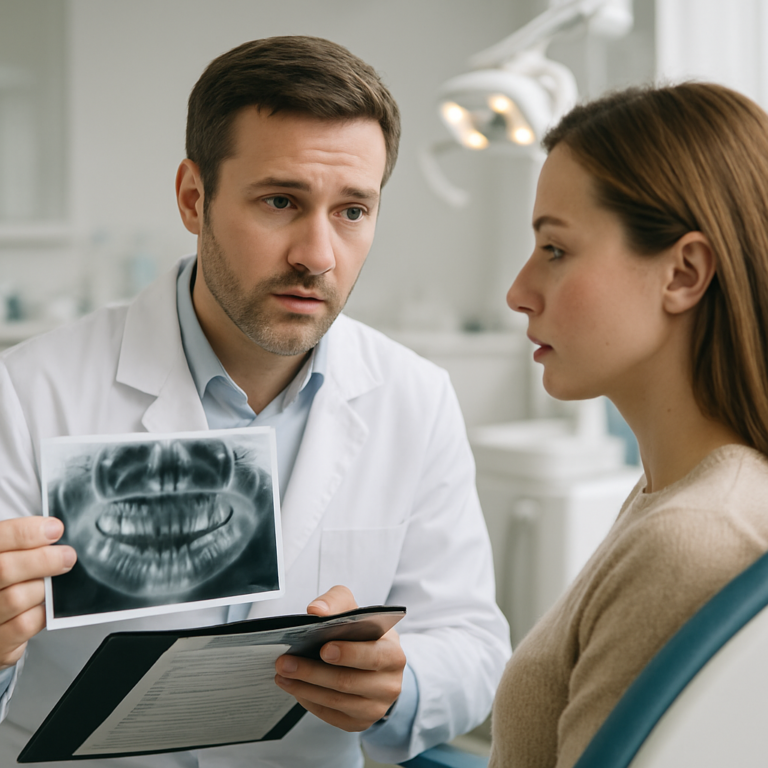
Introduction to London Dental Bridges Dental bridges are a highly effective solution for patients seeking to restore their smiles after tooth loss. Among the various options available, London Dental Bridges stand out for their quality and craftsmanship. These dental prosthetics not only improve aesthetics but also play a crucial role in maintaining oral health. By …

Introduction to London Dental Bridges
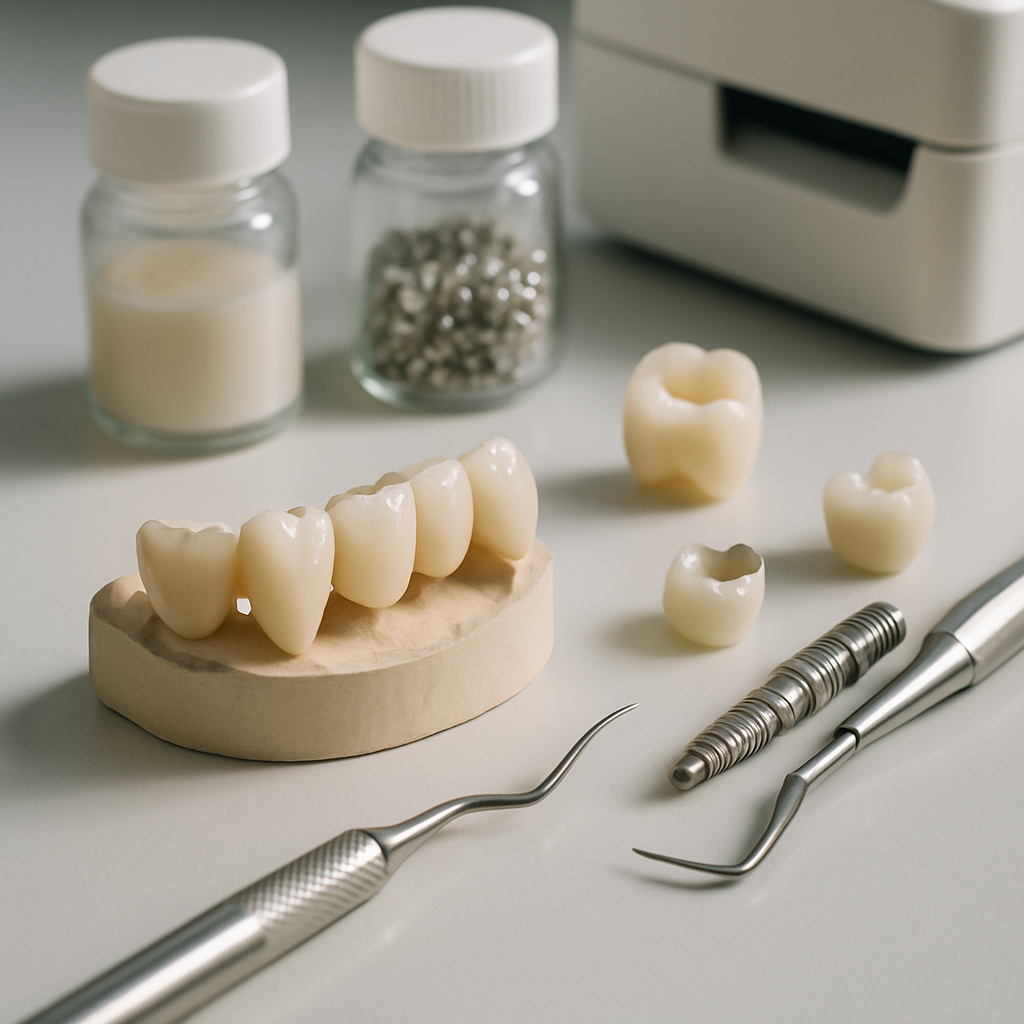
Dental bridges are a highly effective solution for patients seeking to restore their smiles after tooth loss. Among the various options available, London Dental Bridges stand out for their quality and craftsmanship. These dental prosthetics not only improve aesthetics but also play a crucial role in maintaining oral health. By bridging the gap left by missing teeth, they help prevent the shifting of adjacent teeth and support proper bite alignment.
In London, dental practices are increasingly adopting advanced techniques and materials to enhance the durability and appearance of London Dental Bridges. Patients can choose from various types, including traditional, cantilever, and Maryland bridges, each tailored to specific needs and circumstances. The choice of material—ranging from porcelain to metal—further allows for customization to match the patient’s unique dental requirements, ensuring both functionality and visual appeal.
The process of obtaining London Dental Bridges typically involves a thorough consultation, where dental professionals assess the patient’s oral health, discuss aesthetic goals, and outline the treatment plan. This collaborative approach not only builds trust but also ensures that the final result meets the patient’s expectations.
With a focus on patient-centred care, London’s dental clinics strive to provide an experience that combines cutting-edge technology with personalised service. As a result, those who opt for London Dental Bridges can leave with renewed confidence, knowing their dental restoration is backed by expertise and innovation.

What Are Dental Bridges?
Dental bridges serve as a practical solution for individuals facing tooth loss, providing both aesthetic and functional benefits. They consist of two or more crowns, known as abutments, that are placed on the teeth adjacent to the gap, with a false tooth, or pontic, in between. Essentially, these structures fill the void left by missing teeth, bolstering oral functionality and preserving the alignment of surrounding teeth.
In London, dental bridges have gained significant popularity due to their effectiveness and durability. Patients often seek out London Dental Bridges not only for their restorative qualities but also for the natural appearance they can provide. Dental professionals in the city offer various types of bridges, including traditional, cantilever, and Maryland bridges, each tailored to meet unique dental needs and preferences.
The process typically begins with a thorough examination to evaluate the patient’s dental health. Following this assessment, the dentist will customise the bridge to ensure a precise fit. The longevity of London Dental Bridges can largely depend on proper oral hygiene and regular dental visits, making it essential for patients to follow post-procedure guidelines carefully.
Choosing the right professional for this procedure is crucial. For those interested in enhancing their smile while ensuring functional stability, exploring options for London Dental Bridges is highly recommended. To learn more about the benefits and procedures involved, visit this informative resource.
Importance of Dental Bridges in Modern Dentistry
In contemporary dentistry, the rehabilitation of missing teeth has become increasingly sophisticated, with dental bridges playing a crucial role in restoring both functionality and aesthetics. These prosthetic devices provide an effective solution for individuals who have lost one or more teeth, ensuring the preservation of oral health and enhancing the quality of life. The importance of London Dental Bridges is underscored by their ability to bridge gaps left by missing teeth, which can lead to misalignment and potential jaw issues if left unaddressed.
Furthermore, London Dental Bridges offer a natural appearance, allowing patients to regain confidence in their smiles. The materials used in their fabrication, such as porcelain and metal, can be customised to match the natural tooth colour, ensuring a seamless integration into the patient’s dental structure. This aesthetic benefit is particularly significant in London, where individuals often seek high-quality dental care that aligns with their lifestyle and personal image.
Moreover, the installation of London Dental Bridges can enhance oral function, enabling patients to chew and speak effectively. By redistributing bite forces across adjacent teeth, these bridges mitigate the risk of further dental complications, making them an essential component of comprehensive dental treatment plans. Dental professionals in London are increasingly recognising the value of these bridges, not only in terms of aesthetics but also for their long-term benefits to dental health.
Ultimately, the significance of London Dental Bridges in modern dentistry cannot be overstated, as they represent a harmonious blend of function and beauty, catering to the diverse needs of patients in an ever-evolving dental landscape.
Materials Used in London Dental Bridges
When considering the construction of dental bridges in London, the choice of materials plays a pivotal role in determining both functionality and aesthetics. The most commonly used materials for London Dental Bridges include porcelain, metal, and resin. Porcelain is particularly favoured for its natural appearance; it can be colour-matched to the surrounding teeth, providing a seamless look. This is crucial for patients seeking cosmetic enhancements alongside restorative solutions.
Metal-based options, such as gold or palladium, offer superior durability and strength, making them ideal for areas subject to significant biting forces. This type of material is often utilised in posterior bridges where functional integrity is paramount. However, the visibility of metal components can be a drawback in more anterior locations, leading many patients to prefer the aesthetics of porcelain.
Additionally, resin-bonded bridges—commonly referred to as Maryland bridges—employ a minimalistic approach, using a metal framework with a porcelain facing. This option is less invasive, as it requires less tooth reduction compared to traditional bridges, making it a suitable choice for some patients.
Ultimately, the selection of material for London Dental Bridges is a collaborative decision between the dental professional and the patient, weighing factors such as cost, durability, and visual appeal. For a deeper understanding of these materials and their applications, one might find it beneficial to explore further information in dental literature or resources, such as this link, which provides comprehensive insights into the field of dentistry. By carefully choosing the right materials, practitioners can ensure that the resulting London Dental Bridges not only restore functionality but also enhance the patient’s smile.
Porcelain: A Popular Choice
Porcelain has emerged as a frontrunner in dental restorations, primarily due to its aesthetic appeal and durability. Particularly in the realm of London Dental Bridges, porcelain offers a natural look that closely resembles real teeth, making it a preferred choice for patients seeking a seamless smile enhancement. The material’s translucency allows it to mimic the light reflection of enamel, ensuring that the repaired tooth blends effortlessly with the surrounding dentition.
Moreover, the strength of porcelain is particularly advantageous in the construction of London Dental Bridges. This robust ceramic can withstand the forces exerted during chewing while providing a reliable solution for gap-filling in the dental arch. Unlike other materials, porcelain does not easily chip or stain, ensuring that the results remain visually appealing over time.
In addition to its functional benefits, the biocompatibility of porcelain is another compelling reason for its popularity in London Dental Bridges. Patients with metal allergies or sensitivities can rest assured that porcelain will not provoke any adverse reactions. Dentists find that porcelain can also be easily shaped and customised to meet the unique anatomical and aesthetic requirements of each patient, further solidifying its status as a top choice.
As the demand for aesthetically pleasing and durable dental solutions continues to rise, porcelain remains at the forefront, especially in urban centres like London. The combination of beauty, strength, and compatibility makes it an ideal material for those considering London Dental Bridges.
Metal Alloys: Strength and Durability
In the realm of modern engineering and design, the selection of materials plays a pivotal role in ensuring the longevity and integrity of structures and components. A prime consideration is the utilisation of metal alloys, which are renowned for their strength and durability. These materials exhibit remarkable resistance to wear, corrosion, and deformation, making them ideal for applications ranging from aerospace to construction.
In the dental sector, metal alloys have gained significant attention for their application in restorative procedures, particularly in the crafting of London Dental Bridges. These bridges are designed to replace missing teeth, and their effectiveness largely hinges on the choice of alloy. High-quality alloys provide not only the necessary strength to withstand the forces of biting and chewing but also the durability to resist degradation over time. This is particularly crucial in a bustling city like London, where patients demand solutions that can endure the rigours of daily life.
Furthermore, advancements in technology have led to the development of specialised metal alloys that enhance the aesthetic appeal of London Dental Bridges. By combining strength with a natural appearance, these materials have revolutionised dental restorations, ensuring both functionality and patient satisfaction.
Ultimately, the strength and durability of metal alloys underpin their widespread use in critical applications, including London Dental Bridges. Dental professionals must stay informed about the latest advancements in alloy technology to provide their patients with the best possible care and outcomes. As the field progresses, the importance of these materials will only continue to grow, firmly establishing them at the forefront of dental and engineering innovations.
Composite Resin: Aesthetic Appeal
The growing preference for aesthetic dental solutions has led to an increased demand for advanced materials that offer both functionality and visual appeal. Composite resin stands out as a prime choice, particularly in the context of London Dental Bridges. This innovative material not only mimics the natural appearance of teeth but also provides exceptional strength and durability, making it a suitable option for various dental restorations.
In urban centres like London, where individuals are increasingly conscious of their dental aesthetics, London Dental Bridges made from composite resin serve as an ideal solution for those seeking to enhance their smiles without compromising on structural integrity. The versatility of composite resin allows dental professionals to customise restorations that blend seamlessly with the surrounding dentition, creating a harmonious and attractive result.
Moreover, the colour matching capabilities of composite resin empower dentists to achieve an optimal match with the patient’s natural tooth shade, further elevating the aesthetic outcome of London Dental Bridges. This aspect is particularly appealing to patients who prioritise not just function but also the visual harmony of their dental work.
As the dentistry field continues to evolve, composite resin is likely to remain at the forefront of aesthetic advancements, particularly in metropolitan areas. The combination of aesthetic appeal and practical application ensures that London Dental Bridges remain a popular choice among both dental practitioners and patients alike, reflecting a commitment to quality and beauty in dental care.
Technologies Utilised in London Dental Bridges
In the realm of modern dentistry, the application of advanced technologies has significantly transformed the approach to restorative procedures such as the fabrication of bridges. London Dental Bridges are particularly notable for their utilisation of cutting-edge materials and techniques that enhance both the aesthetic and functional aspects of dental restorations.
One prominent technology employed is computer-aided design and computer-aided manufacturing (CAD/CAM). This system allows for highly precise measurements and customisation, enabling dental professionals to create tailored solutions that fit seamlessly into the patient’s oral structure. The accuracy of CAD/CAM technology not only optimises the functionality of London Dental Bridges but also improves the overall patient experience by reducing chair time and minimising errors.
Furthermore, the integration of 3D printing has revolutionised the production of dental components. With the ability to produce intricate structures with great precision, 3D printing facilitates the creation of London Dental Bridges that are both durable and aesthetically pleasing. This innovation allows for faster turnaround times and the potential for more complex designs that can better cater to individual patient needs.
Additionally, the use of biocompatible materials, such as zirconia and advanced ceramics, ensures that the London Dental Bridges not only blend seamlessly with natural teeth but also promote oral health. These materials reduce the risk of allergic reactions and are designed to withstand the pressures of daily use.
In conclusion, the technologies employed in the creation of London Dental Bridges are pivotal in providing patients with durable, functional, and aesthetically superior solutions, marking a significant advancement in dental restoration.
3D Printing in Dental Bridge Fabrication
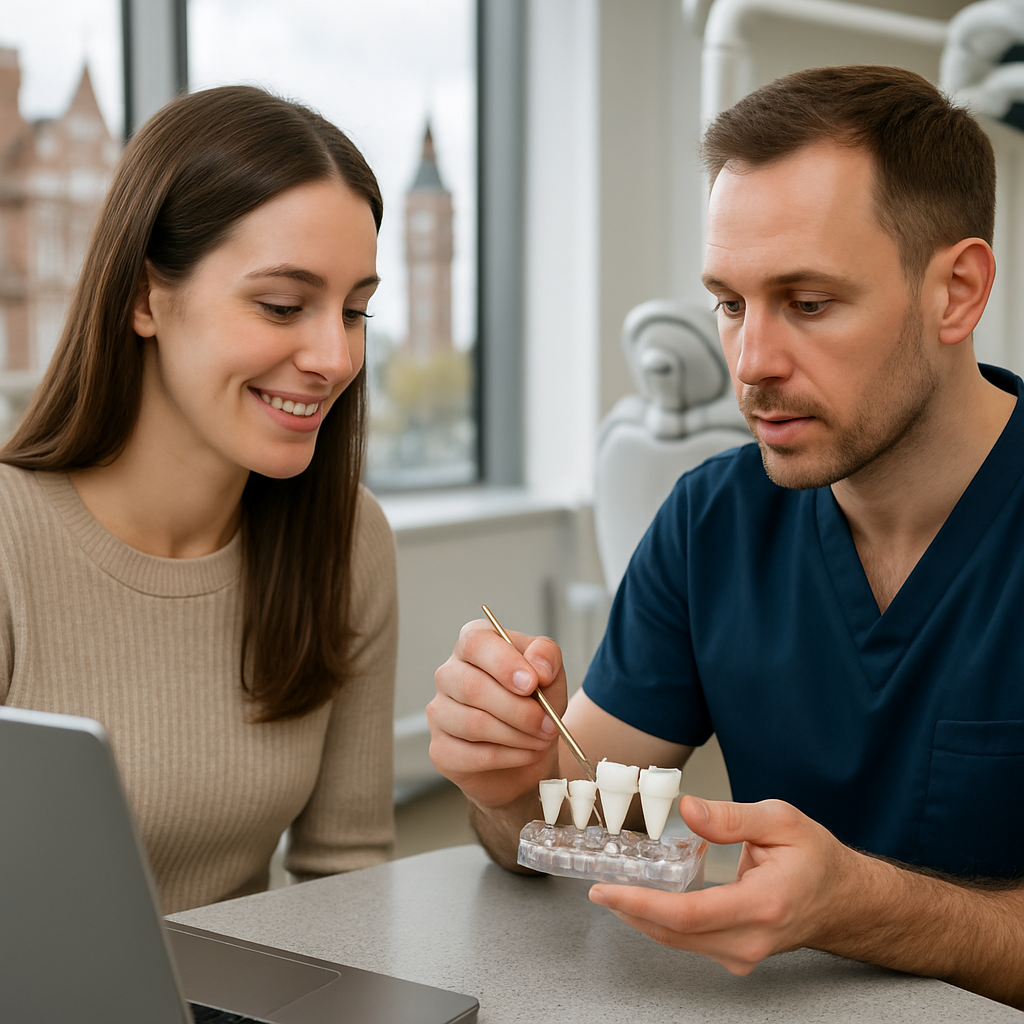
The innovation of 3D printing has significantly transformed various industries, and dental practices are no exception. The meticulous process of fabricating dental bridges, particularly in the context of London Dental Bridges, has seen remarkable advancements through this technology. The ability to create highly accurate and customised dental prosthetics has streamlined workflows and enhanced patient outcomes.
3D printing allows dental professionals to produce bridges with unparalleled precision, reducing the risk of fitting complications that are often encountered with traditional methods. In the bustling field of London Dental Bridges, practitioners are increasingly turning to this technology not only for its efficiency but also for its capacity to cater to individual patient needs. The customisation options available through 3D printing mean that every bridge can be tailored to the specific anatomical requirements of the patient, ensuring both comfort and functionality.
Moreover, the speed of production has improved significantly. What once took days to fabricate can now be accomplished within hours, empowering dental practices in London to serve their patients more effectively. As the demand for quality dental care grows, the integration of 3D printing into the fabrication process of London Dental Bridges represents a significant leap towards achieving superior dental solutions.
Furthermore, this cutting-edge technology enhances the collaboration between dental technicians and practitioners, fostering a more cohesive approach to patient care. By embracing 3D printing, the dental community in London is not merely keeping pace with technological advancements; it is setting a benchmark for excellence in dental care, particularly in the realm of London Dental Bridges.
CAD/CAM Technology for Precision
The integration of advanced technology in dentistry has revolutionised the way practitioners approach the design and manufacturing of restorative solutions. One of the most significant advancements in this field is the utilisation of digital tools to create precise dental fixtures, including crowns, veneers, and notably, London Dental Bridges. These sophisticated systems allow for a level of accuracy that was previously unattainable, ensuring that each piece fits seamlessly with the patient’s existing dental structure.
Through the convergence of Computer-Aided Design (CAD) and Computer-Aided Manufacturing (CAM) technologies, dental professionals can now create highly detailed 3D models of a patient’s mouth. This precision is crucial, particularly when fabricating London Dental Bridges, as the fit and comfort of these bridges directly impact patient satisfaction and oral health. The digital workflow not only enhances accuracy but also reduces the time taken to produce these dental solutions, allowing for quicker turnaround times and a more streamlined patient experience.
Furthermore, this technology offers the ability to customise London Dental Bridges to match the unique anatomical and aesthetic requirements of each patient. By employing CAD software, dental practitioners can easily make adjustments to the design, ensuring that every bridge is tailored to blend flawlessly with the surrounding teeth. This level of customisation is essential for maintaining the natural look and functionality of the dental arch.
Ultimately, the adoption of CAD/CAM technology signifies a shift towards a more efficient, accurate, and patient-centred approach in dentistry, particularly in the production of London Dental Bridges. As practitioners continue to embrace these innovations, the potential for improved outcomes and enhanced patient satisfaction only grows.
Factors Influencing Material Choice
When selecting materials for dental applications, particularly in the context of restorative procedures, several critical factors must be considered to ensure optimal outcomes. One fundamental aspect is the biocompatibility of materials, as any dental restoration must harmoniously integrate with the surrounding tissues. This is imperative for procedures involving London Dental Bridges, as these structures must not only withstand functional stresses but also promote gum health.
Another significant factor is the aesthetic appeal of the materials. Patients often desire restorations that closely mimic the appearance of natural teeth. In this vein, advancements in ceramic technology have made it possible to create London Dental Bridges that are both durable and visually pleasing, enhancing patient satisfaction. The translucency and colour matching capabilities of modern materials have raised the bar for aesthetic restorations, making them a preferred choice among dentists.
Moreover, the mechanical properties of materials, including their strength and wear resistance, are crucial for the longevity of London Dental Bridges. Materials need to endure the daily forces exerted during chewing, ensuring that the bridge remains functional over time without succumbing to fractures or wear. Additionally, ease of fabrication and adjustment plays a role in the selection process. Materials that can be efficiently manipulated by dental professionals contribute to streamlined procedures and better patient outcomes.
Ultimately, the choice of material must reflect a balance between these factors, tailored to the individual needs of the patient while upholding the highest standards of dental practice. Understanding these influences is vital for practitioners aiming to deliver effective and enduring solutions in restorative dentistry.
Patient Preferences and Aesthetic Goals
Understanding patient preferences is essential in modern dental practice, particularly when it comes to aesthetic goals. Many patients seek treatments that not only enhance function but also significantly improve their smile’s appearance. Among the various options available, London Dental Bridges have gained immense popularity for their ability to restore both aesthetics and dental function.
When considering London Dental Bridges, it is critical to engage in meaningful discussions with patients about their expectations and aesthetic desires. Each patient may have different visions of what a perfect smile entails, influenced by personal experiences and societal standards. A thorough consultation allows dental professionals to tailor their approach, ensuring that the proposed treatment aligns with the patient’s goals.
In the context of London Dental Bridges, factors such as colour matching, gum contouring, and the overall shape of the bridge can greatly influence a patient’s satisfaction. By actively involving patients in decision-making, practitioners can foster a sense of ownership over their treatment plan, which is particularly valuable in achieving desired aesthetic results.
Furthermore, staying updated on advancements in dental materials and techniques is crucial. Innovations can result in more natural-looking London Dental Bridges, which not only meet but often exceed patient expectations. Ultimately, addressing patient preferences and aesthetic goals is paramount in cultivating trust and ensuring that treatments are not just functional, but truly transformative for individuals seeking a radiant smile. By prioritising these discussions, dental professionals can elevate patient experiences and outcomes significantly.
Cost Considerations
When considering dental restorations, the financial implications play a crucial role in decision-making. A prevalent option among patients seeking to enhance their smiles is London Dental Bridges. These structures not only restore functionality but also improve aesthetics, making them a popular choice. However, understanding the cost factors associated with London Dental Bridges is essential for prospective patients and practitioners alike.
The price of London Dental Bridges can fluctuate significantly based on a variety of elements. The type of materials used, for instance, heavily influences the overall cost. Premium materials may ensure longevity and better visual appeal but at a higher price point. Additionally, the complexity of the case, including the number of teeth involved and the need for preparatory treatments, can further complicate costs.
Moreover, geographical location and the expertise of the dental professional are significant determinants in pricing. Dental practices in central London may charge more due to higher operational costs, while specialists with advanced training and experience might also command a premium for their services.
Insurance coverage is another critical aspect, as some plans may partially cover the expense of London Dental Bridges. Patients are encouraged to discuss financial options with their dental care providers to explore available payment plans or financing solutions.
Ultimately, while the costs associated with London Dental Bridges can be daunting, understanding the variables at play can empower patients to make informed choices about their dental health and investments.
Conclusion: The Future of London Dental Bridges
As the dental industry continues to evolve, the future of restorative techniques, particularly London Dental Bridges, is poised for significant advancements. With the integration of cutting-edge technologies and materials, dental professionals in London are reimagining the possibilities of bridging gaps left by missing teeth. The forthcoming trends suggest a shift towards more aesthetic solutions that not only restore function but also enhance the overall appearance of patients’ smiles.
Emerging innovations, such as 3D printing and digital scanning, are set to revolutionise the production and fitting of London Dental Bridges. These technologies allow for a more customised and precise approach, ensuring that each bridge is tailored to meet the specific anatomical and aesthetic needs of the patient. Furthermore, increased awareness and demand for minimally invasive procedures are guiding practitioners to adopt techniques that preserve natural tooth structure while ensuring effective results.
Moreover, the materials used in London Dental Bridges are also undergoing transformation. Advancements in biocompatible materials are enabling the creation of bridges that are not only durable but also provide a natural appearance, further satisfying patient desires for optimal aesthetics. As patient education becomes more prominent, we can expect individuals to take a more active role in their dental health decisions, which will also influence the types of solutions offered by dental professionals.
In conclusion, the future landscape of London Dental Bridges holds remarkable promise. As the industry embraces technological innovations and patient-centric approaches, we anticipate a notable enhancement in both functionality and aesthetic satisfaction for patients seeking restorative dental solutions in the vibrant city of London.