Introduction to London Dental Bridges In the field of modern dentistry, the significance of restorative solutions cannot be overstated. Among these, London Dental Bridges stand out as an essential method for addressing gaps caused by missing teeth. This technique not only enhances aesthetic appeal but also restores functionality, allowing patients to resume their normal eating …

Introduction to London Dental Bridges

In the field of modern dentistry, the significance of restorative solutions cannot be overstated. Among these, London Dental Bridges stand out as an essential method for addressing gaps caused by missing teeth. This technique not only enhances aesthetic appeal but also restores functionality, allowing patients to resume their normal eating and speaking habits with confidence.
London Dental Bridges are prosthetic devices that bridge the gap between one or more missing teeth, using adjacent teeth as anchors. Typically crafted from high-quality materials such as porcelain or metal, these bridges are designed to seamlessly blend with the natural teeth, yielding a harmonious and pleasing appearance. It is crucial for prospective patients to consult with experienced dental professionals who can provide tailored advice on the most suitable options available.
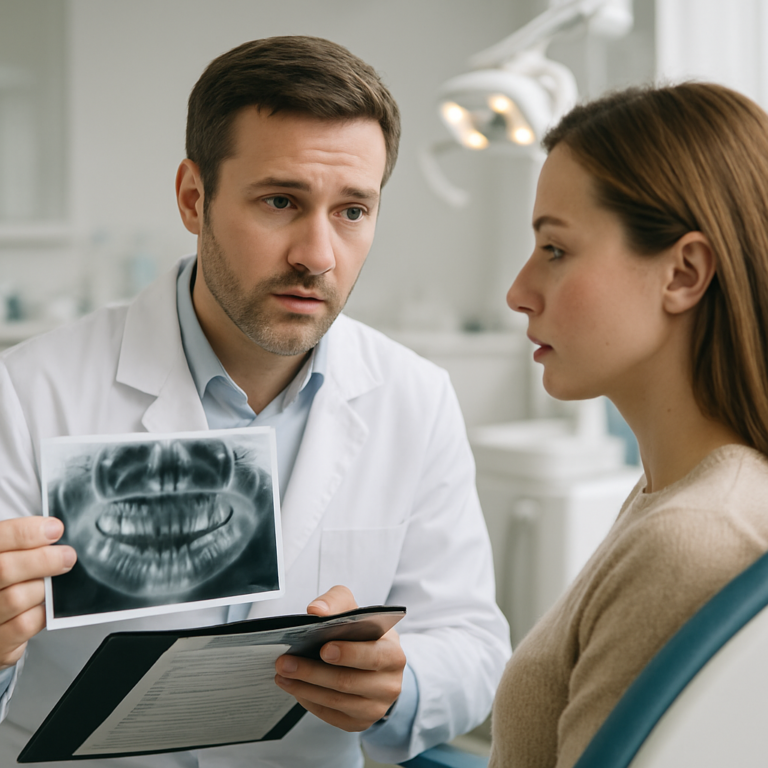
The procedure for obtaining London Dental Bridges generally involves a comprehensive assessment, including X-rays and dental impressions, to ensure precise fitting and alignment. Following the initial preparations, the dentist will place the bridge, securing it with dental cement. The result is a durable and functional solution that can significantly improve a patient’s oral health and overall quality of life.
In summary, the role of London Dental Bridges in restorative dentistry is invaluable. They offer not only aesthetic improvements but also long-term health benefits, ensuring that patients can maintain their dental integrity and confidence. Engaging with knowledgeable practitioners who specialise in this area is key to achieving optimal results.
Understanding Swelling and Discomfort
Experiencing swelling and discomfort can often be a common response following dental procedures. Understanding the reasons behind these symptoms is crucial for both patients and dental professionals. Particularly after treatments involving restorative options, such as London Dental Bridges, one might notice some inflammation in the surrounding tissues. This reaction typically arises from the body’s natural healing processes as it adjusts to the new dental structures.
The discomfort may manifest due to a variety of factors, including the materials used in the London Dental Bridges or the movements of neighbouring teeth. It is essential to maintain good oral hygiene during the recovery period, as any plaque accumulation can exacerbate inflammation. Furthermore, the role of the dentist becomes pivotal; they must ensure that the fit of the bridge is precise to minimise irritation. Any persistent discomfort should not be overlooked, as it could be indicative of underlying issues such as infection or an improper fit.
In some cases, patients may find it beneficial to apply cold compresses to relieve swelling. However, if the symptoms persist beyond the expected healing time, it is advisable to consult with a dental professional skilled in London Dental Bridges for a thorough evaluation. Moreover, staying informed about post-operative care can significantly enhance the overall experience and outcome, ensuring that patients achieve the best possible results. For further insight into managing post-procedural symptoms, consider visiting this resource.
Causes of Swelling Post-Procedure
Post-procedural swelling is a common concern among patients undergoing dental treatments, particularly with restorative procedures like London Dental Bridges. Such swelling can arise from a variety of factors, each contributing to the body’s inflammatory response.
One primary cause is the manipulation of soft tissues during the placement of London Dental Bridges. The surgical techniques employed can lead to tissue trauma, resulting in localised inflammation and subsequent swelling. Furthermore, the body’s healing process necessitates increased blood flow to the area, promoting swelling as fluid accumulates in response to this enhanced vascular activity.
In addition, the use of anaesthetics during the procedures can also play a role in swelling. While these agents are essential for patient comfort, they may induce temporary swelling at the injection site. Patients undergoing London Dental Bridges should be made aware that this is a typical response and will usually subside within a few days.
Moreover, individual patient factors such as underlying health conditions or medication profiles can influence the degree and duration of swelling. Those with allergies or sensitivity to materials used in London Dental Bridges may experience more pronounced swelling.
Ultimately, while post-procedural swelling can be disconcerting, understanding its causes can help to alleviate concerns. Professionals should educate patients on what to expect following their procedures, ensuring a smoother recovery process and continued trust in restorative practices like London Dental Bridges.
Common Discomfort Symptoms
Many individuals experience various discomfort symptoms that can significantly impact daily life. Recognising these symptoms is crucial for effective management and treatment. One common issue is dental discomfort, which can stem from various conditions, including gum disease, tooth decay, or the improper fitting of dental appliances. For instance, patients may encounter sensitivity or pain when biting or chewing, indicating an underlying problem that requires professional attention.
In the realm of restorative dental procedures, the use of London Dental Bridges is prevalent among those seeking solutions to gap teeth. These devices not only enhance aesthetic appeal but also restore functionality. However, if not properly fitted or maintained, they can lead to discomfort. Patients may report sensations ranging from mild irritation to acute pain, which underscores the importance of regular check-ups and consultations with dental practitioners.
Additionally, issues such as jaw clenching or grinding can exacerbate discomfort, further complicating the overall dental health landscape. It’s essential that individuals experiencing persistent symptoms seek advice from qualified professionals. Engaging with a dentist knowledgeable in procedures such as London Dental Bridges ensures that patients receive tailored treatment plans that address their specific discomforts.
Awareness of these symptoms is vital, as they can lead to more serious health complications if neglected. For further insights on dental practices and their impact on oral health, consider exploring this detailed resource on dentistry. By understanding discomfort symptoms better, one can take proactive steps toward maintaining optimal dental health.
Tips for Managing Swelling
Managing swelling, particularly after dental procedures, is crucial for ensuring a smooth recovery. Following treatments like the installation of London Dental Bridges, patients may experience some degree of swelling. To effectively manage this, it is essential to adhere to a few practical steps.
Firstly, applying a cold compress to the affected area can significantly reduce swelling. This should be done for 15-20 minutes at a time, allowing intervals for the skin to return to its normal temperature. Furthermore, staying well-hydrated plays a fundamental role in recovery; drinking plenty of water can help flush out any toxins and promote healing.
Another effective strategy involves elevating the head while resting. This position reduces blood flow to the affected area, which can diminish swelling after procedures such as the placement of London Dental Bridges. It is advisable to use extra pillows during sleep or relaxation.
Patients should also be cautious with their diet post-treatment. Soft foods are recommended to avoid irritation, and avoiding overly salty or spicy foods can prevent further inflammation. Over-the-counter anti-inflammatory medications can also be beneficial, but it is imperative to consult a dentist before taking any medication.
Lastly, regular follow-up appointments with your dental professional are crucial. They can monitor the healing process and provide tailored advice for managing swelling. With the right care, recovery after receiving London Dental Bridges can be both swift and comfortable, allowing patients to resume their daily activities with ease.
Applying Cold Packs
The application of cold packs plays a significant role in the management of dental discomfort and post-operative care for patients undergoing procedures such as London Dental Bridges. This method is particularly effective in mitigating swelling and reducing pain following surgical interventions, contributing to a more comfortable recovery.
When employing cold packs, it is essential to ensure that they are applied correctly to maximise their benefits. The pack should be wrapped in a thin cloth to protect the skin from frostbite. A typical duration for application is 15-20 minutes at a time, with intervals allowing for 20 minutes of rest in between. This approach not only aids in pain relief but also helps in minimising inflammation, a common concern after receiving London Dental Bridges.
Patients are advised to start using cold packs as soon as possible after their procedure. Early application can significantly influence the healing process and enhance the overall efficacy of London Dental Bridges. It is vital for dental professionals to educate patients about the importance of this practice, ensuring they understand its role in their recovery journey.
Moreover, while cold therapy is beneficial, it is crucial to monitor the patient’s response. If excessive discomfort or adverse reactions occur, further consultation with a dental professional is warranted. In the context of London Dental Bridges, effective pain management strategies, including the use of cold packs, can significantly improve patient satisfaction and outcomes, thereby reinforcing the importance of comprehensive post-operative care.
Elevating the Head
In today’s competitive landscape, the significance of high-quality dental care cannot be overstated. Patients increasingly seek effective and aesthetically pleasing solutions for their dental issues, making innovations in restorative dentistry paramount. Among these advancements, London Dental Bridges stand out as a preferred option for those looking to restore both function and beauty to their smiles.
These bridges not only provide structural support but also enhance the overall appearance of the mouth, making them an essential consideration for any dental practice focused on patient satisfaction. With a multitude of materials available, from porcelain to gold, practitioners can customise London Dental Bridges to meet the unique needs and desires of their clientele. This adaptability ensures that patients leave the clinic not only with restored functionality but also with renewed confidence in their appearance.
Moreover, the process of fitting London Dental Bridges has evolved significantly, incorporating advanced techniques that reduce discomfort and recovery times. Dental professionals must stay abreast of these innovations, ensuring that they can offer the best possible care to their patients. This commitment to excellence not only boosts a practice’s reputation but also fosters patient loyalty, as individuals are more likely to return for future treatments when they experience outstanding results.
In conclusion, embracing the significance of London Dental Bridges in restorative dentistry is crucial for modern dental professionals. By prioritising innovation and patient-centric care, dentists can elevate their practices while delivering satisfying outcomes that resonate with an ever-demanding clientele.
Staying Hydrated
Maintaining adequate hydration is essential for overall health and wellbeing, yet many individuals overlook its significance. Proper hydration directly influences various bodily functions, including metabolism, circulation, and even cognitive performance. In the context of dental care, hydration plays a crucial role in oral health and hygiene. For instance, saliva production, which is vital for neutralising acids and preventing decay, heavily relies on sufficient fluid intake. Individuals considering London Dental Bridges should be particularly mindful of their hydration levels, as the healing process following dental procedures can be enhanced by proper fluid consumption.
Moreover, dehydration can exacerbate the risk of dental issues, potentially impacting the longevity of restorative solutions such as London Dental Bridges. When patients are hydrated, their bodies are better equipped to recover from surgery and maintain optimal oral conditions. It is often recommended to incorporate water-rich foods alongside daily fluid intake to ensure a comprehensive approach to hydration. This is particularly pertinent for those engaging in dental treatments, where adequate hydration can significantly facilitate recovery.
Regular consultations with dental professionals can further illuminate the connection between hydration and oral health, especially when considering treatments such as London Dental Bridges. Ultimately, prioritising hydration is not merely a matter of personal health; it extends to ensuring the efficacy of dental restorations and preserving the results of such investments. Emphasising this aspect can lead to improved treatment outcomes and a healthier smile for years to come.
Pain Relief Options
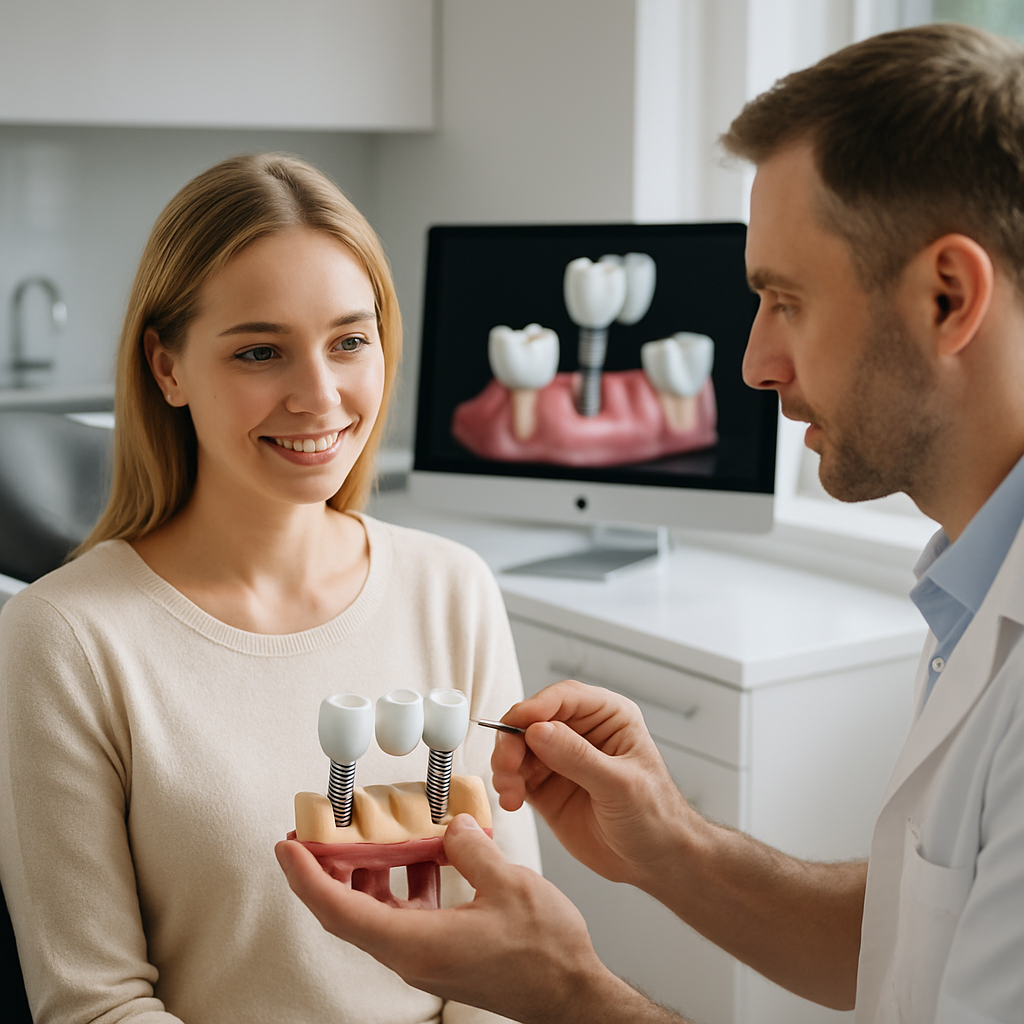
When it comes to alleviating discomfort associated with dental procedures, various pain relief options are available, each catering to individual needs. The choice of method often depends on the complexity of the procedure and the patient’s overall health profile. For instance, local anaesthesia is frequently employed during procedures such as the placement of London Dental Bridges. This approach effectively numbs the specific area, allowing for a pain-free experience during treatment.
In more intricate cases, sedation dentistry may be recommended. This method not only alleviates pain but also reduces anxiety, making it particularly beneficial for patients who may feel apprehensive about dental visits. Patients receiving London Dental Bridges can benefit significantly from this approach, as it enhances their overall comfort and experience.
Another alternative includes over-the-counter pain relief medications, which can be used to manage discomfort following dental procedures. These medications can be particularly useful when the anaesthesia wears off, ensuring that patients remain comfortable as they recover. It is crucial for patients to consult their dental professionals about the best pain relief options tailored to their specific circumstances.
In summary, whether opting for local anaesthesia, sedation, or pain relief medications, seeking professional advice is vital. Understanding these options can significantly enhance the experience for patients undergoing procedures such as London Dental Bridges, ultimately leading to a more positive outcome and satisfaction with their dental care.
Over-the-Counter Medications
In the realm of healthcare, over-the-counter medications play a pivotal role in providing accessible relief for various ailments. These products, available without a prescription, empower individuals to manage their health more independently. However, the ease of access does not negate the importance of understanding the effective use and potential risks associated with these medications. In the context of dental care, for instance, patients often seek immediate solutions for pain relief prior to appointments or while waiting for treatments such as London Dental Bridges.
It is crucial that individuals educate themselves on the active ingredients present in these medications. Commonly used pain relievers, such as ibuprofen and paracetamol, can be effective for managing mild to moderate discomfort. However, those considering dental procedures, particularly London Dental Bridges, should be aware of the implications of these medications, especially concerning bleeding risk or interactions with prescribed medications from dentists.
Moreover, it is essential for dental professionals to guide their patients on appropriate usage. Providing information about the correct dosage and potential side effects can enhance patient safety and satisfaction. For instance, if a patient is preparing for London Dental Bridges, understanding how medications can affect their dental health is paramount.
In summary, while over-the-counter medications offer convenience and immediate relief, they must be used judiciously. Both patients and healthcare providers, especially in the dental field, should engage in an informed dialogue about the best practices surrounding these treatments, ensuring optimal outcomes when undergoing procedures like London Dental Bridges.
When to Consult Your Dentist
Maintaining optimal oral health is essential, and knowing when to seek professional dental advice can make all the difference. Regular dental check-ups are crucial for preventive care; however, certain situations warrant immediate consultation. If you experience persistent tooth pain, swelling, or bleeding gums, these symptoms indicate potential issues that should not be ignored. Additionally, if you notice changes in your bite or difficulty in chewing, it might be time to visit a dentist.
For those considering cosmetic enhancements, particularly London Dental Bridges, understanding the right timing to consult a professional is vital. These dental prosthetics can effectively restore function and aesthetics, but the planning stage is critical. If you have lost a tooth due to decay or injury, consulting your dentist as soon as possible will help determine if London Dental Bridges are the suitable solution for you.
Furthermore, if you have existing dental work that feels loose or uncomfortable, it’s wise to address these concerns immediately. Ignoring such changes could lead to more significant problems down the line. Regular discussions with your dental professional about London Dental Bridges can provide valuable insights into your options and help you make informed decisions.
In summary, whether you are experiencing discomfort, considering dental restorations, or simply keeping up with your oral health, timely dental consultations are essential. Always prioritise your dental care to maintain a healthy and confident smile.
Importance of Follow-Up Care
The continuity of care following dental procedures is paramount for ensuring long-term success and patient satisfaction. In the context of London Dental Bridges, follow-up care serves as an essential mechanism for monitoring healing, addressing complications, and reinforcing good oral hygiene practices. After the initial placement of London Dental Bridges, regular check-ups are crucial not only to assess the integrity of the bridges but also to evaluate the surrounding gum health and the overall function of the bite.
A thorough follow-up regimen can prevent potential issues before they escalate into more significant problems, such as bridge failure or gum disease. By scheduling appointments within a few weeks of the procedure, dental professionals can verify that the supporting teeth and tissues are responding positively to the treatment. This proactive approach not only enhances the longevity of London Dental Bridges but also fosters a trusting relationship between the patient and the dentist.
Moreover, patient education during follow-up visits is vital. Dentists can provide tailored advice on maintenance, cleaning techniques, and dietary choices that support the longevity of London Dental Bridges. Patients who are well-informed about their care are more likely to adhere to recommended practices, leading to better outcomes.
In summary, the significance of follow-up care cannot be overstated, especially in the realm of London Dental Bridges. It is an integral part of the treatment process, ensuring that both patients and practitioners work collaboratively towards achieving optimal oral health and functional success. Proper follow-up care ultimately enhances patient confidence and satisfaction, laying the groundwork for a lifetime of healthy smiles.
Scheduling Follow-Up Appointments
Effective management of patient appointments is critical in the dental industry, particularly when addressing essential treatments such as London Dental Bridges. A streamlined scheduling system not only enhances patient satisfaction but also optimises the workflow within dental practices. By encouraging patients to schedule follow-up appointments promptly, practitioners can ensure that necessary procedures are undertaken in a timely manner, thereby improving overall treatment outcomes.
Utilising digital tools for scheduling follow-up appointments can significantly benefit dental professionals. Many practices have adopted specialised software that facilitates the easy booking of follow-ups, allowing patients to choose convenient times without the hassle of phone calls. This is especially pertinent for complex procedures such as London Dental Bridges, where timely follow-up can be critical for monitoring the healing process and ensuring successful integration.
Moreover, clear communication regarding the importance of follow-up appointments is vital. When dental practitioners take the time to explain why these visits are necessary, particularly after procedures involving London Dental Bridges, patients are more likely to adhere to their scheduled appointments. This not only reinforces trust between the patient and the practitioner but also fosters a culture of proactive dental care.
In conclusion, the efficient scheduling of follow-up appointments plays a significant role in the success of dental treatments like London Dental Bridges. By leveraging modern technology and effective communication strategies, dental professionals can enhance patient engagement and subsequently improve clinical outcomes, ensuring their practices thrive in an increasingly competitive landscape.
Signs of Complications to Watch For
Recognising potential complications is crucial when considering dental procedures, particularly with London Dental Bridges. Patients often underestimate the signs that may indicate an underlying issue, which could lead to more severe consequences if left unaddressed.
One of the initial symptoms to be aware of is persistent discomfort or pain in the area surrounding your London Dental Bridges. While some sensitivity is normal during the healing process, ongoing pain can suggest an infection or improper fitting. Swelling or inflammation around the bridge should also raise concerns; this could indicate an adverse reaction or decay in the adjacent teeth.
Moreover, if you notice changes in your bite or difficulty when chewing, it’s essential to seek professional advice. These issues may arise from poorly placed London Dental Bridges, which can lead to uneven pressure on your jaws and further complications. Additionally, experiencing noticeable shifts in the position of the bridge itself can signal either a structural problem or bone loss, both of which require immediate attention.
Lastly, maintaining oral hygiene is paramount. Should you find yourself struggling to clean around your London Dental Bridges properly, this may also hint at complications lurking beneath the surface, making it vital to consult your dentist promptly. By being vigilant and proactive about these signs, you can ensure the longevity and functionality of your dental work, ultimately safeguarding your overall oral health.
Conclusion: Ensuring a Smooth Recovery
As the dental sector navigates the complexities of recovery, attention must be directed towards the significant role of London Dental Bridges in restoring patients’ confidence and oral health. The recent challenges have underscored the importance of preparing practices to adequately meet the demands of both existing and prospective clientele. A thorough understanding of the pivotal treatments available, particularly in the realm of London Dental Bridges, can facilitate smoother transitions back to normalcy.
Practices should invest in training staff to ensure a comprehensive understanding of the benefits and techniques associated with London Dental Bridges. This not only enhances the patient experience but also fosters an environment of trust and transparency. By employing effective communication strategies regarding treatment options, dental professionals can alleviate concerns surrounding procedures, paving the way for increased patient willingness to seek out necessary care.
Moreover, implementing a robust marketing strategy that highlights the advantages of London Dental Bridges will be crucial. Engaging content that educates the community about the advancements in dental technology and the aesthetic and functional benefits of these bridges can significantly boost patient turnout. It is essential to build a reputation around quality and care, aligning with the evolving expectations of a discerning public.
In conclusion, a proactive approach centred on patient education, staff training, and strategic marketing, revolving around London Dental Bridges, will ensure practices not only recover but thrive in the post-crisis landscape. By prioritising these elements, the dental community can effectively establish a strong foundation for sustainable growth.