Understanding Dental Bridges In the realm of restorative dentistry, understanding the intricacies of dental bridges is paramount for both practitioners and patients. These prosthetic devices serve a vital role in bridging the gap created by one or more missing teeth, thus restoring function and aesthetics. The london dental bridges guide provides a comprehensive overview of …

Understanding Dental Bridges

In the realm of restorative dentistry, understanding the intricacies of dental bridges is paramount for both practitioners and patients. These prosthetic devices serve a vital role in bridging the gap created by one or more missing teeth, thus restoring function and aesthetics. The london dental bridges guide provides a comprehensive overview of the types available, including traditional, cantilever, and resin-bonded bridges. Each type has its own indications, benefits, and limitations, which necessitate a thorough evaluation by a dental professional.
When considering dental bridges, one must also factor in the materials used. Porcelain, gold, and metal alloys are commonly employed, with choices often influenced by patient preferences and specific clinical situations. The london dental bridges guide highlights the importance of customisation to meet the unique needs of each individual, ensuring optimal comfort and functionality.
Furthermore, the durability and longevity of dental bridges can significantly impact the overall treatment plan. Regular dental check-ups and proper oral hygiene are essential in maintaining the health of both the bridge and surrounding teeth. For those seeking more information, the london dental bridges guide offers insights into aftercare and the potential need for replacements over time.
Overall, understanding dental bridges involves a multifaceted approach, considering not only the technical aspects of the prosthetic itself but also the broader implications for oral health and patient satisfaction. This comprehensive knowledge is crucial for dental professionals aiming to deliver the best outcomes for their patients, underscoring the relevance of the london dental bridges guide in contemporary dental practice.

What Are Dental Bridges?
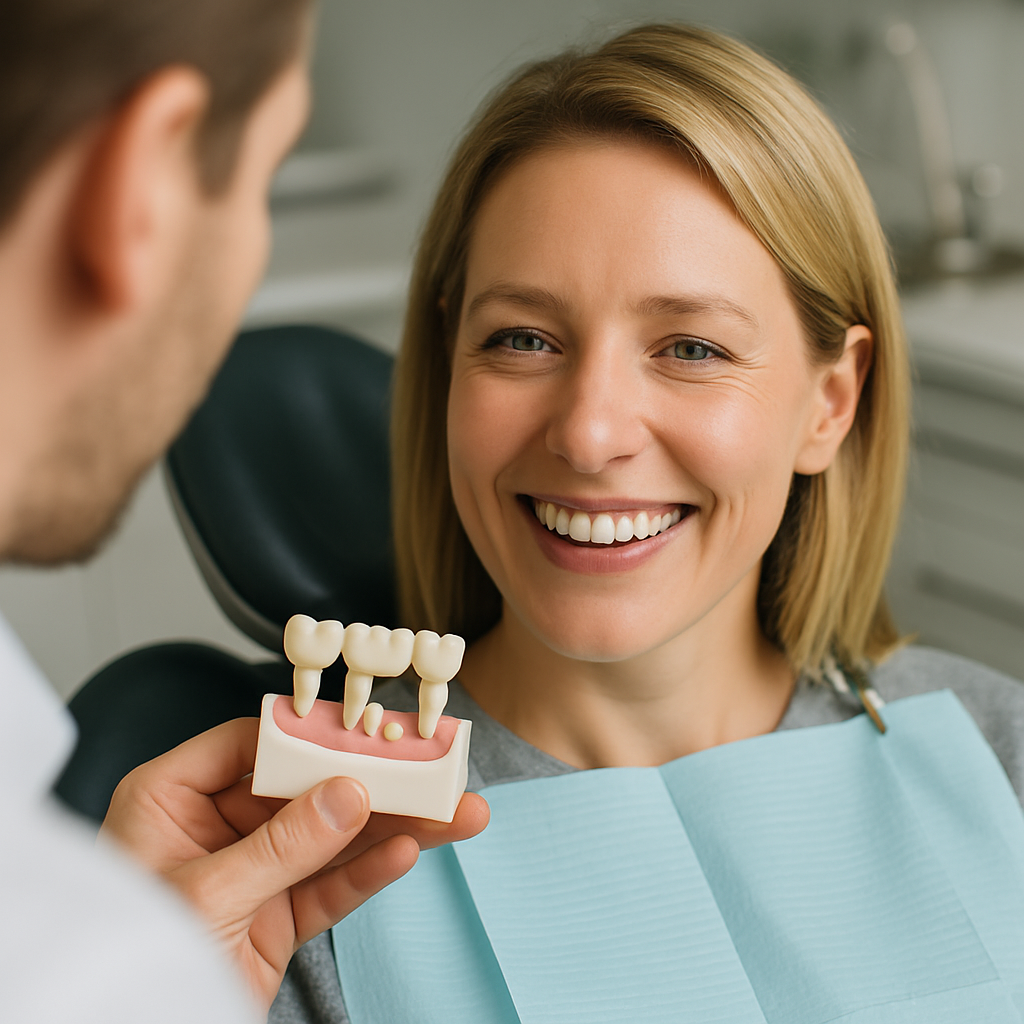
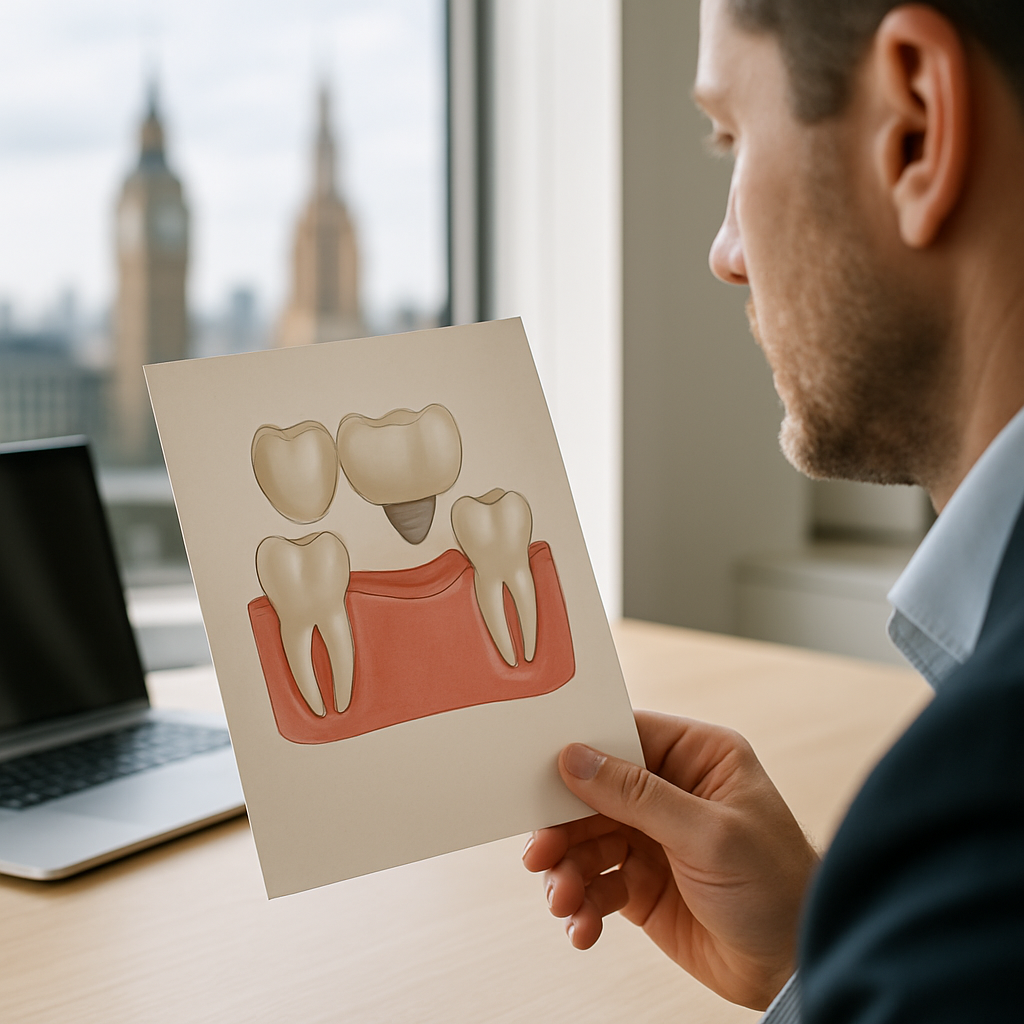
Dental bridges serve as a vital solution for individuals facing tooth loss, providing both functional and aesthetic benefits. This restorative dental procedure involves creating a bridge that spans the gap left by missing teeth, anchored securely in place by crowns on adjacent healthy teeth. Patients often seek guidance to understand the options available, and a comprehensive london dental bridges guide can offer invaluable insights.
The materials used for dental bridges can vary, including porcelain, ceramics, or metal, allowing for a tailored approach that meets individual patient needs. Not only do they restore the ability to chew and speak effectively, but they also prevent the remaining teeth from shifting, which can lead to further dental complications. A detailed london dental bridges guide will elaborate on the different types of bridges available—traditional, cantilever, and Maryland—each suited to specific dental situations.
Moreover, the process typically involves multiple visits to assess oral health, take impressions, and ensure the final result aligns perfectly with the patient’s bite and aesthetic desires. After installing the bridge, patients are encouraged to maintain good oral hygiene to prolong the lifespan of their restoration. To explore more about this procedure, consulting an expert through a reputable source is advisable. For those interested, a comprehensive overview can be found in our dental clinic, where a dedicated london dental bridges guide is available for further reading. The right information can make all the difference in achieving a confident smile.
Types of Dental Bridges
When considering restorative dentistry, various types of dental bridges can be employed to effectively replace missing teeth. Understanding these options is essential for both patients and practitioners, particularly when utilising a london dental bridges guide.
Firstly, traditional bridges are the most common type, involving the use of neighbouring teeth as anchors for the prosthetic tooth or teeth. This approach is highly effective, especially when adjacent teeth are healthy enough to support the bridge. Alternatively, cantilever bridges are designed for scenarios where only one adjacent tooth is available, making them suitable for certain gaps in the dental arch without compromising the stability of the restoration.
Another noteworthy option is the Maryland bridge, which features a framework bonded to the back of the supporting teeth instead of relying on crowns. This type is particularly advantageous for preserving natural tooth structure, offering a less invasive solution. For patients who prefer a more durable and longer-lasting option, implant-supported bridges come highly recommended. These utilize dental implants as anchors, providing superior stability and functionality while mimicking the natural tooth root, an aspect thoroughly addressed within the london dental bridges guide.
In summary, selecting the appropriate type of dental bridge hinges on various factors, including the patient’s dental health, the location of the missing tooth, and personal preferences. Consulting a comprehensive london dental bridges guide can further aid patients in making informed decisions, ensuring optimal outcomes for their restorative needs.
The Importance of Aftercare
In the realm of dental care, the significance of proper aftercare cannot be overstated. After undergoing any dental procedure, including the installation of bridges, patients must adhere to specific guidelines to ensure optimal results. This is particularly relevant for those considering treatments detailed in the london dental bridges guide. Failing to follow aftercare instructions can lead to complications, affecting not only the longevity of the dental work but also the overall health of the patient’s mouth.
Aftercare serves multiple purposes, chief among them being the preservation of the dental restoration and the prevention of infections. Proper hygiene practices and dietary recommendations, as outlined in the london dental bridges guide, are essential in safeguarding the investment made in one’s dental health. For instance, avoiding hard or sticky foods can prevent undue stress on the newly fitted bridges, thereby extending their lifespan.
Furthermore, regular follow-ups with dental professionals, as advised in the london dental bridges guide, are crucial for monitoring the condition of the bridges and the surrounding teeth. These appointments allow for timely intervention should any issues arise, ensuring that the patient’s smile remains both functional and aesthetically pleasing.
Ultimately, knowledge and adherence to aftercare protocols play a vital role in the success of dental treatments. For more information on the broader aspects of dental care, one might explore this relevant resource, which provides deeper insights into the importance of aftercare and other essential practices in dentistry.
Why Aftercare Matters for Dental Bridges
Ensuring the longevity and success of dental bridges heavily relies on the importance of aftercare. After dental bridge placement, patients often underestimate the significance of maintaining proper oral hygiene and follow-up visits. A well-maintained bridge can last for many years, but neglecting aftercare can lead to complications such as decay or gum disease, ultimately jeopardising the investment made in restorative dentistry.
In the london dental bridges guide, professionals emphasise the necessity of regular dental check-ups post-procedure. During these visits, dentists can monitor the condition of the bridge, assess gum health, and address any concerns that may arise. Moreover, educating patients on effective cleaning techniques tailored for bridges is critical. The london dental bridges guide suggests using interdental brushes and floss to navigate around the bridge, ensuring that plaque accumulation is minimised.
Another crucial aspect highlighted in the london dental bridges guide is the dietary modifications that can aid in prolonging the life of a bridge. Patients are advised to limit sticky or hard foods that could dislodge their prosthetic. Thus, aftercare is not merely about maintaining oral hygiene but also involves adapting one’s lifestyle to support dental health.
In conclusion, understanding and implementing aftercare strategies for dental bridges can make a remarkable difference in the durability and functionality of the restoration. By following the guidance provided in the london dental bridges guide, patients can safeguard their investment and enjoy a healthy, confident smile for years to come.
Recovery Timeline After Dental Bridges
After receiving dental bridges, patients often wonder what to expect in terms of recovery. The journey towards optimal oral health does not end with the procedure itself; it involves a careful healing process that is crucial for long-term success. Initially, patients may experience some discomfort and sensitivity in the affected area, but this is typically manageable with over-the-counter pain relief.
In the first few days post-procedure, it’s advisable to stick to soft foods and maintain good oral hygiene to ensure that the dental bridges settle properly. Follow-up appointments are essential, during which dental professionals will assess the fit and function of the bridges. For those seeking comprehensive insights, the london dental bridges guide provides valuable information on postoperative care, including expected timelines for recovery and potential complications to watch out for.
Patients can usually return to their normal activities within a few days, though full recovery may take a few weeks. Incorporating the guidelines from the london dental bridges guide can greatly enhance the recovery experience. Additionally, regular check-ups with a dental professional are recommended to ensure the bridges are functioning as intended and to address any concerns promptly.
Ultimately, adhering closely to aftercare instructions outlined in the london dental bridges guide will facilitate a smoother recovery and contribute to the longevity of the dental work. Engaging with your dental care team throughout this period will further empower you to achieve the best possible outcomes with your dental bridges.
What to Expect in the First Few Days
Upon entering the world of dental care, especially in the context of dental bridges, one may find oneself navigating an array of new experiences. The initial days are crucial for both patients and practitioners, establishing a foundation for trust and understanding. In the realm of dental prosthetics, particularly with the london dental bridges guide, it’s imperative to grasp what lies ahead.
In those first few days, patients often encounter a range of emotions from anxiety to eagerness. It’s vital for dental professionals to address these feelings by providing comprehensive education about the treatment process. The london dental bridges guide can serve as a valuable resource, detailing what patients should anticipate regarding their oral health journey. This guide outlines the different types of bridges available, expected recovery times, and essential aftercare tips, ensuring that patients feel informed and empowered.
Simultaneously, for dental practitioners, the initial period involves assessing patient needs meticulously. Utilising the insights from the london dental bridges guide, professionals can tailor their approach, ensuring that communication is clear and supportive. Establishing rapport is key; this helps in fostering a comforting environment where patients feel safe to voice their concerns.
Moreover, daily follow-ups can prove beneficial. The london dental bridges guide emphasises the importance of monitoring progress, enabling practitioners to make necessary adjustments promptly. In summary, the first few days set the stage for a successful dental experience, framed by informed expectations and attentive care.
Long-term Recovery Phases
In the field of dentistry, understanding the nuances of recovery phases is paramount, particularly when discussing restorative procedures such as dental bridges. For those seeking guidance, a comprehensive london dental bridges guide is essential in navigating the complexities involved. The long-term recovery phases can significantly influence the success of dental interventions, and patients must be well-informed about what to expect.
Initially, after the placement of dental bridges, patients may encounter mild discomfort and swelling. This initial phase typically lasts for a few days, and adherence to post-operative instructions outlined in a london dental bridges guide can alleviate these symptoms. Patients are often encouraged to consume a soft diet and maintain excellent oral hygiene to facilitate healing.
As recovery progresses, individuals will enter a transitional phase where adjustments may be necessary. Monitoring the fit and comfort of the dental bridge is crucial, and consulting with a dental professional can provide valuable insights. A detailed london dental bridges guide can further clarify the importance of regular check-ups during this phase to ensure optimal alignment and function.
Ultimately, the long-term phase involves consistent care and maintenance. Patients are advised to uphold routine dental visits and follow personalised care protocols to ensure the longevity of their dental bridges. By utilising a thorough london dental bridges guide, patients can navigate these phases with confidence, understanding the significance of their commitment to oral health. This proactive approach is vital for achieving sustained success and satisfaction with their dental restorative solutions.
Essential Tips for Smooth Recovery

To ensure a seamless recovery process, it is crucial to adopt a comprehensive approach that addresses both physical and mental well-being. Understanding the specifics of your treatment can significantly enhance your comfort level and promote healing. For instance, when considering london dental bridges guide, it is essential to follow post-procedure instructions meticulously. This not only aids in minimising discomfort but also optimises the longevity of the dental work.
In addition, maintaining good oral hygiene is paramount during recovery. Regular brushing and the use of a gentle mouthwash can prevent infections that may hinder your healing process. Moreover, consulting the london dental bridges guide for dietary recommendations can offer insights into which foods to avoid and which can promote healing. Soft foods are often recommended initially, as they minimise stress on the healing site.
Mental preparation is equally important. Being aware of what to expect can alleviate anxiety related to the procedure. Engaging with the london dental bridges guide can provide valuable insights and reassurance, enabling patients to approach their recovery with confidence.
Furthermore, regular follow-up appointments with your dental professional are vital. These check-ups can ensure that the bridge is fitting correctly and that your recovery is progressing as expected. By integrating advice from the london dental bridges guide into your recovery plan, you can facilitate a smoother transition back to your normal routine. In summary, a well-rounded approach that includes practical advice and emotional support will enhance recovery outcomes significantly.
Dietary Recommendations
Understanding dietary recommendations is crucial for maintaining optimal health and well-being. The importance of a balanced diet cannot be overstated, especially when considering the implications of nutritional choices on oral health. For individuals exploring options such as dental bridges, a solid understanding of dietary guidelines can significantly enhance the longevity and effectiveness of these dental solutions.
Incorporating a variety of food groups, including fruits, vegetables, whole grains, and lean proteins, is essential not only for overall health but also for supporting dental structures like bridges. For those seeking detailed insights, the london dental bridges guide provides invaluable information about how specific nutrient intakes can impact oral health. Consuming foods rich in calcium and vitamin D is particularly beneficial, as they play a vital role in strengthening teeth and bones, subsequently supporting any dental work.
Moreover, maintaining adequate hydration is paramount. Water helps to cleanse the mouth and mitigate the risk of decay, thereby contributing to the success of treatments highlighted in the london dental bridges guide. Reducing the intake of sugars and acidic foods is also advisable to prevent potential damage to dental work over time.
Ultimately, informed dietary choices not only facilitate better health outcomes but also underscore the importance of consulting resources such as the london dental bridges guide for tailored advice. Adopting these recommendations fosters both immediate and long-term benefits for dental health, ensuring that individuals maintain their treatment effectively while enjoying a nutritious diet.
Oral Hygiene Practices
Maintaining optimal oral health is crucial not only for aesthetic reasons but also for overall wellbeing. Effective practices can significantly reduce the risk of dental diseases and enhance the longevity of your smile. Regular brushing and flossing are fundamental, yet many overlook the importance of tailored dental care, particularly regarding restorative solutions such as dental bridges. For those considering this option, a london dental bridges guide can provide invaluable insights into the types available, their benefits, and proper maintenance techniques.
Incorporating fluoride toothpaste and using an antiseptic mouthwash can further fortify your dental hygiene regimen. Additionally, visiting your dentist regularly for check-ups is essential. During these appointments, your dentist can assess your oral health and offer personalized advice. A well-informed patient who utilises resources such as a london dental bridges guide will be better equipped to understand their dental needs and the implications of various treatments.
Moreover, dietary choices play a significant role in oral hygiene. Reducing sugar intake and opting for crunchy fruits and vegetables can naturally clean teeth and stimulate gums. If you’ve had dental work done, such as bridges, being aware of specific care routines outlined in a london dental bridges guide can help ensure they remain in excellent condition.
Ultimately, adopting a comprehensive approach to oral hygiene not only supports the functionality of dental bridges but also enhances your overall dental health. Regular attention to these practices, coupled with professional guidance, will lead to a healthy and radiant smile.
Managing Discomfort and Pain
Navigating the complexities of discomfort and pain management is essential in ensuring optimal patient outcomes, particularly in dental practices. Effective strategies not only alleviate immediate distress but also enhance overall patient satisfaction. A comprehensive approach to pain management is especially vital for procedures such as the placement of dental bridges, where patient anxiety can significantly affect the experience.
To assist practitioners and patients alike, many resources are available, one of which is the london dental bridges guide. This guide provides insights into the various types of bridges available, potential discomfort associated with them, and recommended pain management techniques. By familiarising themselves with the information in the london dental bridges guide, dental professionals can better prepare patients for what to expect, thereby reducing anxiety and improving cooperation during treatment.
Moreover, the london dental bridges guide emphasises the importance of preemptive pain management strategies. This can include the use of local anaesthetics or sedation methods tailored to individual patient needs. Understanding the connection between effective pain control and patient outcomes is crucial for maintaining a high standard of care.
Practitioners who leverage the insights from the london dental bridges guide can implement best practices that not only manage discomfort but also foster a supportive environment for patients. Ultimately, a proactive stance on pain and discomfort, combined with expert knowledge, enhances the overall dental experience, ensuring that both patient and practitioner navigate these challenges with confidence and ease.
Follow-Up Appointments and Their Importance
In the realm of dental care, the significance of follow-up appointments cannot be overstated. These visits play a crucial role in monitoring the progress of treatments and ensuring that patients receive the best possible outcomes. Particularly for complex procedures, such as those detailed in the london dental bridges guide, follow-ups provide an opportunity for dental professionals to assess the effectiveness of the chosen solutions and make necessary adjustments.
Patients may often underestimate the importance of returning for these appointments, believing that their treatment is complete once they leave the surgery. However, the london dental bridges guide emphasizes that regular check-ups enable dentists to proactively identify any issues that may arise post-treatment, such as misalignments or discomfort. This proactive approach not only aids in preserving the integrity of the dental bridges but also contributes to the overall health of the patient’s mouth.
Moreover, follow-up appointments are essential for reinforcing patient education. During these visits, practitioners can discuss proper care techniques specific to the information provided in the london dental bridges guide, ensuring that patients understand how to maintain their dental work effectively. This ongoing communication fosters a strong patient-dentist relationship, which is vital for long-term success.
To summarise, follow-up appointments should be viewed as an integral part of the dental care journey. By adhering to the recommendations in the london dental bridges guide, both patients and professionals can ensure that the benefits of dental interventions are maximised, leading to healthier, more confident smiles.
Potential Complications and How to Avoid Them
Navigating the intricacies of dental procedures can reveal potential complications that require careful consideration. One area that frequently comes under scrutiny is the implementation of dental bridges, particularly in a bustling metropolis like London. Understanding the nuances of this treatment is critical, and a london dental bridges guide can be invaluable in highlighting the possible issues that may arise, such as improper fit, decay beneath the bridge, or even gum disease.
To mitigate these risks, it is imperative to select a qualified dental professional with extensive experience. A comprehensive london dental bridges guide often emphasises the importance of thorough pre-treatment assessments and diagnostics to ensure that every patient is a suitable candidate for bridges. Moreover, adhering to a stringent maintenance routine post-treatment can significantly reduce complications. Regular dental check-ups are essential, as they allow for the early detection of potential issues before they escalate.
Another crucial aspect covered in a london dental bridges guide is patient education. A well-informed patient is better equipped to follow aftercare instructions, thus minimising the likelihood of complications. This includes guidance on diet, oral hygiene practices, and the importance of avoiding undue stress on the bridge.
In conclusion, while potential complications in dental bridge procedures exist, they can often be avoided with proper planning and care. By utilising a london dental bridges guide, both dentists and patients can collaborate effectively to ensure successful outcomes and long-lasting results.
Recognising Signs of Infection
In the realm of dental health, it is crucial to be vigilant about the signs of infection, as they can lead to significant complications if not addressed promptly. Recognising these signs early can make a considerable difference in the prognosis of dental treatments. Patients and practitioners alike should be aware of symptoms such as persistent swelling, redness around the gums, or an unpleasant taste in the mouth, which may indicate an underlying infection.
In particular, when considering procedures like dental bridges, understanding the potential for infection is vital. The london dental bridges guide emphasises the importance of maintaining oral hygiene before and after the placement of dental bridges. An infection around the bridge can compromise not only the integrity of the restoration but also the overall health of the surrounding teeth and tissues.
Moreover, symptoms such as fever or severe pain should not be ignored, as they may signify a more serious issue requiring immediate intervention. Regular check-ups, as highlighted in the london dental bridges guide, can help in monitoring any signs of infection early on. Practitioners are encouraged to educate patients about these signs and the importance of seeking prompt treatment to avoid complications.
In conclusion, recognising the signs of infection is an essential skill for both dental professionals and patients. By utilising resources like the london dental bridges guide, individuals can better navigate their oral health journey and ensure that any infections are swiftly and effectively managed. This proactive approach not only preserves the effectiveness of dental work but also safeguards overall health.
Conclusion: Embracing Your New Smile
Transforming your smile is not merely an aesthetic change; it is an investment in your confidence and overall well-being. As you consider the journey towards achieving this transformation, the london dental bridges guide serves as an invaluable resource. This guide not only outlines the various options available but also provides insights into the latest techniques and materials that ensure durability and a natural appearance.
Embracing your new smile begins with understanding the importance of proper dental care throughout the process. Regular check-ups and consultations will ensure that your dental bridges are perfectly fitted and adjusted to enhance your smile. The london dental bridges guide emphasizes the significance of selecting a qualified practitioner, as their expertise can greatly influence the outcome of your dental work.
Furthermore, taking the time to explore the benefits of dental bridges can significantly aid your decision-making process. With a well-informed understanding, you can approach your dental journey with enthusiasm rather than apprehension. The london dental bridges guide also highlights the emotional and psychological benefits that a restored smile can bring, such as improved self-esteem and social interactions.
Ultimately, the journey to your new smile is a fulfilling experience that goes beyond mere aesthetics. By utilising the london dental bridges guide, you position yourself to not only achieve a beautiful smile but also maintain it for years to come. Embrace this opportunity with an open heart and a willingness to invest in yourself, and the results will undoubtedly be life-changing.