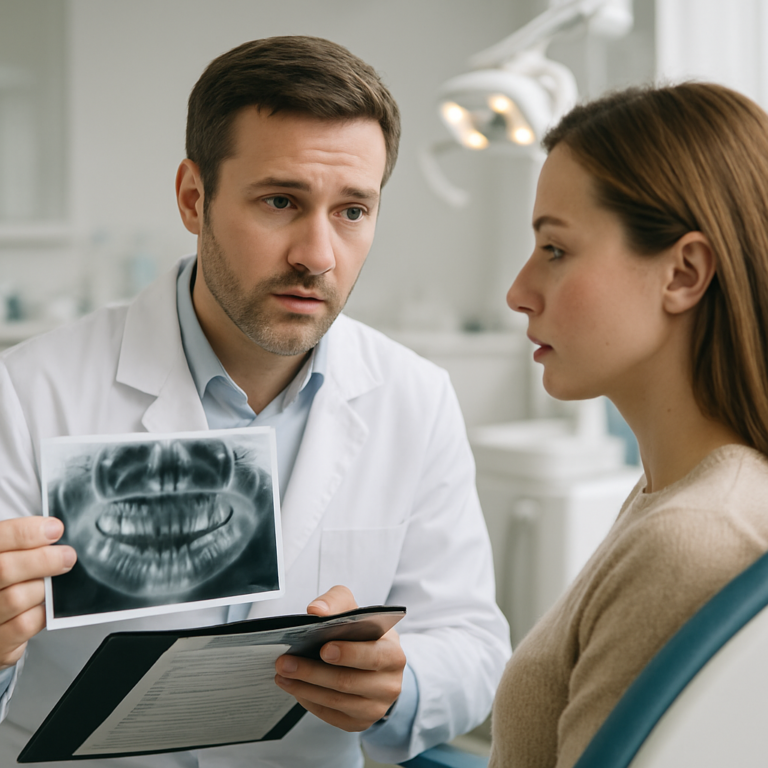
Introduction to Dental Bridges The realm of restorative dentistry offers numerous solutions for patients seeking to enhance their oral health and aesthetics, with one notable option being dental bridges. Particularly prevalent in urban centres like London, London Dental Bridges provide an effective means of replacing missing teeth, thereby restoring both function and appearance. A dental …

Introduction to Dental Bridges

The realm of restorative dentistry offers numerous solutions for patients seeking to enhance their oral health and aesthetics, with one notable option being dental bridges. Particularly prevalent in urban centres like London, London Dental Bridges provide an effective means of replacing missing teeth, thereby restoring both function and appearance. A dental bridge typically comprises one or more artificial teeth, anchored securely to adjacent natural teeth or dental implants.
For many individuals in need of tooth replacement, opting for London Dental Bridges can significantly improve quality of life. Not only do they fill gaps and prevent the shifting of surrounding teeth, but they also help maintain the facial structure, which can be compromised by tooth loss. The procedure itself involves careful planning and precise execution by experienced dental professionals, ensuring that the bridge fits comfortably and functions seamlessly.
The advancement in dental technology and materials has further enhanced the appeal of London Dental Bridges. Modern bridges are crafted from durable materials that closely mimic the appearance of natural teeth, thus providing a solution that is both functional and aesthetically pleasing. Patients can expect not only a restoration of their smile but also an improvement in their ability to chew and speak confidently.
In conclusion, for those contemplating tooth replacement options, London Dental Bridges present a reliable and attractive choice, combining both artistry and functionality for a comprehensive dental solution. Engaging a skilled dentist proficient in this area can help patients navigate their options and achieve optimal results.

Understanding Severe Dental Problems
Severe dental problems can have a profound impact on an individual’s overall health and quality of life. Common issues such as tooth decay, gum disease, and dental abscesses can lead to discomfort, difficulty in eating, and even systemic infections if left untreated. One of the most effective solutions for restoring the functionality and aesthetic of damaged teeth is the use of London Dental Bridges.
These dental prosthetics not only fill the gaps left by missing teeth but also provide support to surrounding structures, ensuring that oral health is maintained. It is crucial for patients to understand the importance of addressing severe dental problems promptly. Neglecting such issues can result in more complex treatments, increased costs, and prolonged discomfort.
When considering options like London Dental Bridges, it is advisable to consult with a qualified dental professional. They can assess the specific needs of the patient and recommend the most suitable treatment plan. In addition to improving appearance, London Dental Bridges can significantly enhance the functionality of a patient’s bite, allowing for better chewing and speaking.
Furthermore, maintaining a regular dental hygiene routine is essential after the placement of London Dental Bridges to ensure their longevity. Patients should also be aware of the potential complications that can arise if proper care is not taken. For more information on managing severe dental issues and exploring treatment options, visit this resource. Understanding these aspects can empower individuals to take proactive steps towards their dental health.
Types of Severe Dental Issues
Severe dental issues can have a significant impact on both oral health and overall well-being. Among the most alarming conditions are periodontal disease, which affects the tissues supporting the teeth, and cavities that can lead to tooth decay if left untreated. Additionally, issues such as severe misalignment can necessitate complex treatments, often involving interventions like London Dental Bridges to restore proper bite and aesthetic appeal.
Another critical concern is tooth loss, which may result from trauma, periodontal disease, or advanced decay. In such cases, London Dental Bridges offer a viable solution by providing a stable anchor for replacement teeth, thereby improving functionality and preserving the integrity of surrounding teeth. Moreover, untreated dental abscesses can lead to serious health complications, as the infection may spread beyond the oral cavity, necessitating immediate attention.
Addressing these severe dental issues often requires a comprehensive approach, including regular examinations and preventative care. For many patients, the introduction of London Dental Bridges can make a profound difference, not only restoring their smile but also enhancing their confidence and quality of life. It is essential for dental professionals to remain vigilant in identifying these challenges early and to equip patients with the knowledge needed to seek appropriate treatment. Ultimately, understanding the various types of severe dental issues is crucial for both practitioners and patients to ensure optimal oral health outcomes.
How London Dental Bridges Work
In the realm of restorative dentistry, understanding the mechanics behind tooth replacement options is essential for both practitioners and patients. In particular, London Dental Bridges have emerged as a vital solution for those experiencing tooth loss. These dental structures serve to bridge the gaps created by missing teeth, using adjacent healthy teeth as anchors. The process begins with a thorough examination to ensure the supporting teeth are sound and capable of bearing the additional load.
Once deemed suitable, the dentist will prepare the adjacent teeth by reshaping them to accommodate crowns that will be affixed later. This is a crucial step in the procedure, as the success and longevity of the London Dental Bridges largely depend on the stability of these supporting structures. Impressions of the teeth are then taken to create custom bridges, which ensure a precise fit and optimal aesthetics.
After the placement of a temporary bridge to protect the prepared teeth, the final bridge is crafted in a dental laboratory. The permanent London Dental Bridges are typically made from porcelain or ceramic, closely mimicking the appearance of natural teeth. Once cemented into place, these bridges restore both functionality and confidence, allowing patients to eat and smile without hesitation.
For those interested in further exploring the intricacies of dental procedures, including the evolution and application of bridges, additional information can be found in the field of dentistry. In summary, London Dental Bridges represent not only a practical solution for tooth loss but also a significant advancement in the pursuit of oral health and aesthetics.
The Procedure Explained
Understanding the intricacies of dental procedures is vital for prospective patients and professionals alike. For those considering restorative options, the implementation of London Dental Bridges stands out as a particularly effective solution for tooth loss. The process typically begins with a thorough examination by a qualified dentist, who will assess the health of the surrounding teeth and gums. This initial consultation may include imaging techniques to ensure a tailored approach.
Once the evaluation is complete, the dentist will prepare the adjacent teeth. This involves reshaping them to accommodate the crowns that will support the bridge. Following this, impressions are taken to create a custom-made bridge that matches the patient’s natural dentition. While waiting for the permanent bridge, a temporary solution is often provided to maintain aesthetics and functionality.
The installation of London Dental Bridges occurs in subsequent appointments. The dentist will ensure that the bridge fits comfortably and aligns perfectly with the bite, making necessary adjustments. This step is crucial as it not only affects the patient’s comfort but also the longevity of the bridge itself.
Post-procedure care is equally essential. Patients are advised on proper dental hygiene practices to maintain the integrity of their London Dental Bridges. Regular check-ups are also encouraged to monitor the condition of the bridge and surrounding teeth. For individuals in London, this advanced solution offers a reliable method to restore confidence in their smile and improve oral health.
Benefits of Dental Bridges in London
Undoubtedly, dental bridges serve as a significant solution for individuals facing tooth loss in London. These prosthetic devices not only restore the aesthetic appearance of a smile but also play a crucial role in maintaining oral health. When a tooth is missing, adjacent teeth may shift into the gap, leading to bite misalignment and potential jaw issues. London Dental Bridges prevent such complications by anchoring to the neighbouring teeth, ensuring they remain securely in place.
Moreover, the benefits extend beyond mere aesthetics. With London Dental Bridges, patients can regain their ability to chew and speak comfortably, ensuring that daily activities are not hindered by the absence of a tooth. This restoration can remarkably boost one’s confidence, allowing for a more enjoyable social experience and improved overall quality of life. Furthermore, the procedure is typically straightforward, involving minimal discomfort, with local anaesthesia employed to ease any pain during the process.
The longevity of London Dental Bridges is another compelling advantage. With proper care, these bridges can last many years, making them a cost-effective solution over time. Dental professionals in London offer bespoke solutions tailored to each patient’s unique dental structure, ensuring optimal fit and comfort. Ultimately, investing in London Dental Bridges not only addresses immediate concerns but also contributes to long-term oral health, making them an invaluable option for those seeking restorative dental solutions.
Aesthetic Improvements
In the realm of modern dentistry, achieving optimal aesthetics is paramount for both patient satisfaction and professional success. A growing number of individuals are seeking solutions to enhance their smiles, and this demand has led to significant advancements in dental technology and techniques. Among these innovations, London Dental Bridges stand out as a remarkable option for those looking to restore their confidence and improve their overall oral aesthetics.
The primary benefit of opting for London Dental Bridges is their ability to seamlessly blend with existing teeth, providing a natural appearance that is both functional and visually appealing. This restorative solution is particularly advantageous for individuals who have lost one or more teeth, as it efficiently fills the gap while maintaining the integrity of surrounding dentition. The use of high-quality materials and precise craftsmanship in London Dental Bridges ensures that each restoration is tailored to the unique characteristics of the patient’s smile.
Moreover, the psychological impact of enhancing one’s smile cannot be overstated. Many patients report increased self-esteem and a willingness to engage socially after undergoing procedures involving London Dental Bridges. This improvement in quality of life underscores the importance of aesthetic dental solutions in contemporary practice.
As dental professionals, it is crucial to stay informed about the latest techniques and materials available for London Dental Bridges. By embracing innovation and prioritising patient outcomes, practitioners can elevate their practice and contribute to the growing trend towards aesthetic improvements in dentistry.
Functional Advantages

In the realm of restorative dentistry, understanding the functional benefits of various solutions is paramount for professionals aiming to enhance their patients’ oral health. Among these solutions, London Dental Bridges have emerged as a prominent option for addressing tooth loss. These prosthetic devices not only restore aesthetics but also offer significant functional advantages that contribute to overall dental health.
One of the key benefits of London Dental Bridges is their ability to maintain proper dental alignment. When teeth are lost, neighbouring teeth may shift, leading to misalignment and subsequent complications. London Dental Bridges effectively fill these gaps, preventing unwanted movements that could compromise the integrity of the dental arch. This restoration is critical in preserving the natural bite, ensuring that patients can chew efficiently and comfortably.
Moreover, London Dental Bridges provide an enhanced chewing ability, which is essential for a balanced diet. By restoring the missing teeth, these bridges allow individuals to enjoy a wider variety of foods, promoting better nutrition and overall well-being. Additionally, the stability offered by these bridges supports the jawbone, reducing the risk of bone loss that frequently accompanies tooth loss.
Finally, London Dental Bridges contribute to improved speech clarity. Missing teeth can impact pronunciation and lead to speech difficulties. By restoring the dental structure, these bridges help individuals regain their confidence in communication. In summary, the functional advantages of London Dental Bridges extend beyond mere aesthetics, playing a crucial role in maintaining oral health and enhancing quality of life for patients.
Who is a Good Candidate for Dental Bridges?
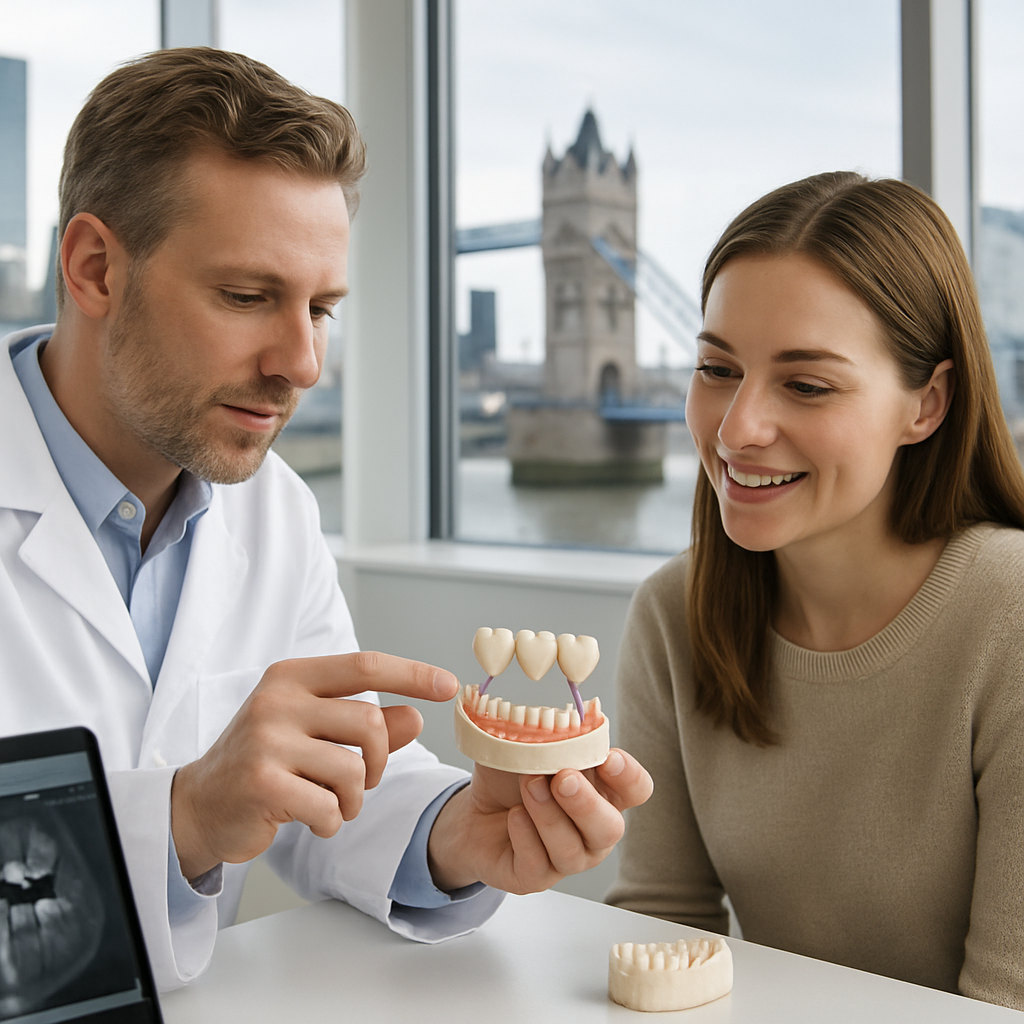
For patients with missing teeth, dental bridges offer a practical and aesthetically pleasing solution. Ideal candidates typically include individuals who have lost one or more teeth, and whose surrounding teeth are healthy enough to support the bridge. This treatment is especially beneficial for those seeking to restore their bite functionality and improve their smile without the need for more invasive procedures.
Patients considering London Dental Bridges should ideally have sufficient gum health and bone density to ensure proper anchoring of the bridge. This dental solution is not recommended for those with active gum disease or significant decay in the adjacent teeth, as these conditions can compromise the long-term success of the bridge. Furthermore, individuals who are unwilling to maintain a stringent oral hygiene routine may find it challenging to sustain the health of their dental bridges.
Age is also a factor; while dental bridges can be placed in adults of various ages, the best outcomes typically occur in those whose jawbone has fully developed. Moreover, lifestyle factors such as smoking can adversely affect one’s candidacy for London Dental Bridges, as they impede healing and can lead to complications.
Ultimately, consulting a dental professional is paramount for anyone considering this option. A qualified dentist will conduct a thorough examination to determine if London Dental Bridges are the right choice, taking into account the patient’s overall dental health and personal needs. By doing so, patients can make informed decisions that lead to successful outcomes in their restorative dental journey.
Risks and Considerations
The pursuit of restorative dental solutions often necessitates a thorough evaluation of the potential risks and considerations associated with various options, particularly when it comes to London Dental Bridges. While these prosthetic devices serve as an effective means of replacing missing teeth and restoring functionality, several factors must be accounted for to ensure optimal outcomes.
Firstly, the longevity and durability of London Dental Bridges should be at the forefront of any decision-making process. Patients need to be aware that, although these bridges can last many years, they require proper care and maintenance. Neglecting oral hygiene can compromise the integrity of the bridge, leading to further complications such as decay in adjacent teeth.
Moreover, the choice of materials used in the construction of London Dental Bridges can significantly impact the aesthetic and functional properties. Patients should consider their specific needs and preferences, including allergies to certain metals or personal aesthetic desires. Consulting with a seasoned dental professional is crucial to selecting the most appropriate material that aligns with both functionality and appearance.
Additionally, it is essential to recognise the potential for complications during the fitting process. In some instances, adjustments may be required to ensure a perfect fit, which could prolong the treatment timeline. Understanding these possibilities can help manage patient expectations and promote better communication with the dental practitioner.
Ultimately, being well-informed about the risks and considerations surrounding London Dental Bridges will empower patients to make educated decisions, leading to enhanced satisfaction and a successful dental outcome.
Potential Complications
In the realm of restorative dentistry, awareness of potential complications is crucial for both practitioners and patients. While London Dental Bridges are an effective solution for replacing missing teeth, they are not without their risks. One common complication is the possibility of improper fit or alignment, which may lead to discomfort or impaired functionality. Such issues can arise due to inadequate planning or the influence of underlying dental conditions.
Moreover, the longevity of London Dental Bridges can be compromised by periodontal disease. If the remaining teeth or gums are not in optimal health prior to placement, the bridge may face premature failure. Regular dental check-ups and maintaining good oral hygiene are essential for mitigating this risk.
Another concern involves the aesthetic outcome. If the colour or shape of the bridge does not match the natural teeth, it can result in a visually displeasing outcome. Patients should discuss their expectations thoroughly with the dentist to ensure that the final product meets their desires.
Finally, there is the potential for nerve damage during the preparatory procedure, which may lead to sensitivity or pain. Understanding these complications allows for better communication between the patient and the dental professional, fostering a more informed decision-making process regarding London Dental Bridges. Ultimately, a careful consideration of these factors will contribute to successful and satisfying dental outcomes.
Cost of London Dental Bridges
Navigating the costs associated with dental procedures in London can be a daunting task, particularly when it comes to London Dental Bridges. These prosthetic devices are essential for restoring both functionality and aesthetics for individuals who have lost teeth. The price of London Dental Bridges varies significantly based on several factors including the materials used, the complexity of the case, and the clinic’s location.
Typically, patients can expect to pay anywhere from £500 to £1,500 per bridge unit, with additional charges for consultations, radiographs, and post-treatment care. High-quality materials such as porcelain or zirconia tend to be more expensive, but they also offer superior durability and a natural appearance, making them a worthwhile investment for many. Furthermore, the expertise of the dental professional performing the procedure can influence costs; more experienced dentists often charge higher fees due to their advanced skills and reputation.
It is also crucial to consider potential additional costs that may arise from necessary preparatory work, such as root canal treatments or bone grafting, which can add to the overall expense of London Dental Bridges. Patients should thoroughly research various dental practices and consult multiple professionals to acquire a comprehensive understanding of the costs involved. Investing time in finding the right dentist can significantly impact both the financial and aesthetic outcomes of the treatment, ensuring a beautiful smile for years to come, courtesy of expertly crafted London Dental Bridges.
Insurance and Financing Options
Navigating the complexities of financial options in the context of dental care can be daunting, particularly when considering procedures such as London Dental Bridges. Understanding the various insurance policies that cover dental treatments is crucial for ensuring that patients can access the care they require without facing undue financial strain. Many dental insurance plans offer varying levels of coverage for restorative procedures, which may include London Dental Bridges. It is essential for patients to thoroughly review their policies to determine the extent of coverage available.
Moreover, financing options are becoming increasingly vital for individuals seeking dental solutions. Many practices in London now offer flexible payment plans, allowing patients to spread the cost of treatments such as London Dental Bridges over time. These plans can significantly alleviate the financial pressure associated with upfront costs, making necessary dental care more accessible.
Additionally, some practices may partner with third-party financing companies that specialise in medical and dental loans. This can provide patients with even more options for securing the funds needed for procedures like London Dental Bridges. Ultimately, the combination of insurance coverage and innovative financing solutions empowers patients to make informed decisions regarding their dental health, ensuring that financial barriers do not hinder their access to essential treatments. As the landscape of dental care evolves, staying informed about insurance and financing options is paramount for both practitioners and patients alike.
Conclusion: Are London Dental Bridges Right for You?

When considering dental restoration options, it’s crucial to evaluate whether London Dental Bridges align with your individual needs and lifestyle. These restorative solutions are designed to replace missing teeth, effectively restoring function and aesthetics. Many patients find that London Dental Bridges not only improve their bite but also enhance their overall confidence in their smile.
Before embarking on this journey, it’s advisable to consult with a qualified dental professional who can assess your oral health and determine if this treatment is suitable for you. Factors such as the condition of surrounding teeth, gum health, and your specific dental requirements play a pivotal role in this decision-making process.
For individuals with multiple missing teeth, London Dental Bridges can provide a durable and effective solution, often lasting for many years with proper care. Additionally, these bridges can be customised to blend seamlessly with your natural teeth, ensuring a harmonious appearance.
However, it’s essential to weigh the benefits against potential drawbacks, including the need for adjacent teeth to be altered to support the bridge. If you are seeking a long-term solution that restores functionality and aesthetics, London Dental Bridges may indeed be the appropriate choice for you. Ultimately, the decision should be made in collaboration with your dentist, who will guide you through the possibilities and help you achieve the best outcome for your dental health.