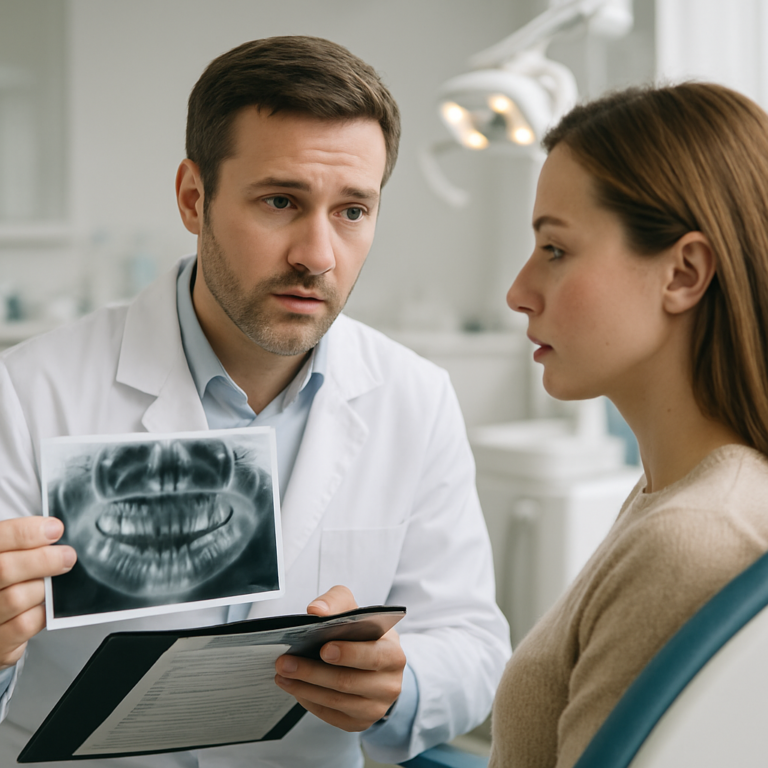
Introduction to London Dental Bridges When considering options for restorative dentistry, London Dental Bridges stand out as a vital solution for replacing missing teeth. These dental appliances not only enhance the aesthetic appeal of one’s smile but also restore functionality, allowing patients to enjoy their favourite foods without discomfort. The design of London Dental Bridges …

Introduction to London Dental Bridges

When considering options for restorative dentistry, London Dental Bridges stand out as a vital solution for replacing missing teeth. These dental appliances not only enhance the aesthetic appeal of one’s smile but also restore functionality, allowing patients to enjoy their favourite foods without discomfort. The design of London Dental Bridges typically involves creating a bridge that connects two healthy teeth, enabling the replacement of one or more missing teeth in between. This system is beneficial for maintaining the alignment of adjacent teeth and preventing further dental complications.
Patients often seek this restorative option due to the long-lasting nature of London Dental Bridges. When fitted correctly, they can last for many years, providing a durable and reliable solution. Moreover, advancements in dental technology have enabled practitioners to offer bridges that are both aesthetically pleasing and highly functional, ensuring that patients can regain confidence in their smiles.
In the realm of oral health, the choice of materials used in London Dental Bridges is also significant. Dental professionals typically utilise high-quality ceramics or metals, tailoring the bridge to match the natural colour of the surrounding teeth for a seamless appearance. This customisation process is integral to achieving not only the desired aesthetic outcome but also optimal comfort and functionality.
Ultimately, understanding the benefits and options associated with London Dental Bridges can empower patients to make informed decisions about their dental health. Regular consultations with a qualified dentist can further enhance the effectiveness of this restorative method, paving the way for improved oral hygiene and overall well-being.

Importance of Oral Hygiene After Getting Dental Bridges
Maintaining proper oral hygiene is paramount after the placement of dental bridges, as it directly impacts their longevity and functionality. The integration of London Dental Bridges into a patient’s dental framework necessitates diligent care to prevent complications such as plaque accumulation, gum disease, and potential irritation of surrounding teeth.
Once the dental bridges are secured, patients should adopt a rigorous oral hygiene routine. This includes brushing at least twice a day with a fluoride toothpaste and employing a soft-bristled toothbrush to gently clean the bridge and adjacent teeth. Additionally, dental floss should be used daily, particularly since food particles can easily become trapped around the abutment teeth supporting the London Dental Bridges. For those who struggle with traditional flossing, interdental brushes or flossers can be effective alternatives.
Regular dental check-ups are also essential to monitor the condition of the bridges and the health of the gums. Dentists can provide professional cleaning and advice tailored to the unique challenges posed by London Dental Bridges. Furthermore, patients should be vigilant about any signs of discomfort or changes in their bite, as these may indicate underlying issues that require prompt attention.
In conclusion, the success of London Dental Bridges relies heavily on the patient’s commitment to oral hygiene. By following recommended care practices and seeking regular dental advice, individuals can ensure the longevity of their bridges and maintain optimal oral health. For more information on maintaining dental health, visit this resource.
What Are Dental Bridges?
Dental bridges serve as a common solution for individuals missing one or more teeth, providing not only aesthetic enhancements but also functional benefits that contribute to oral health. These prosthetic devices essentially bridge the gap created by lost teeth, and they are anchored to the adjacent natural teeth or dental implants, ensuring stability and comfort.
In London, the popularity of London Dental Bridges has surged, as many residents seek effective ways to restore their smiles. The procedure typically involves the careful crafting of the bridge itself, which can be made from materials such as porcelain, metal, or a combination of both. Dentists in London are adept at tailoring these solutions to meet the specific needs of their patients, ensuring a perfect fit and a natural appearance.
It is crucial to understand that the longevity and effectiveness of London Dental Bridges depend heavily on proper maintenance and oral hygiene practices. Regular dental check-ups are essential to monitor the condition of the bridge and surrounding teeth, ensuring that any potential issues are addressed promptly. Furthermore, advancements in dental technology have significantly improved the options available, allowing patients to choose bridges that blend seamlessly with their existing dental structure.
Ultimately, for those in London considering tooth replacement options, London Dental Bridges offer a compelling combination of durability, functionality, and aesthetic appeal. By consulting with a qualified dental professional, patients can explore this viable option and make informed decisions that contribute to their long-term dental health.
Why a Good Oral Hygiene Routine Matters
Maintaining an effective routine for oral hygiene is paramount for overall health and well-being. The importance of keeping teeth and gums in pristine condition cannot be overstated, as neglect can lead to a variety of dental issues, including cavities, gum disease, and even tooth loss. Particularly in urban settings like London, where access to dental care is readily available, establishing a diligent oral hygiene regime should be a priority for everyone.
Regular brushing and flossing form the foundation of this routine, yet many overlook the necessity of professional dental care. Procedures such as London Dental Bridges serve not only to replace missing teeth but also to restore functionality and aesthetics. By attending routine check-ups, individuals can catch potential issues early, thereby avoiding more complex treatments down the line.
Moreover, beyond aesthetics, good oral hygiene is directly linked to systemic health. Research indicates that poor dental health can exacerbate conditions such as heart disease and diabetes. Therefore, investing time in daily oral care is not just about achieving a gleaming smile; it is about safeguarding one’s overall health.
For those considering restorative options, London Dental Bridges offer a reliable solution to enhance both smile and confidence. It is essential to remember, however, that such treatments should be complemented with diligent home care practices. As such, a well-rounded approach to oral hygiene ensures that the benefits of treatments like London Dental Bridges are maximised and maintained over time. To delve deeper into the significance of dental care, you may explore more information through this relevant resource.
Daily Oral Hygiene Routine for Dental Bridges
Maintaining optimal oral hygiene is crucial for the longevity and functionality of dental bridges. Individuals with London Dental Bridges should adopt a comprehensive daily routine to ensure their dental restoration remains in excellent condition. This begins with brushing at least twice a day using a soft-bristled toothbrush and fluoride toothpaste, paying particular attention to the areas surrounding the bridge and the natural teeth adjacent to it.
Flossing is equally vital; however, traditional floss may not reach all the necessary areas effectively. Instead, consider using floss threaders or interdental brushes specifically designed for individuals with dental appliances. These tools allow for thorough cleaning beneath the pontic—the false tooth in the bridge—where plaque can accumulate if not properly maintained.
Incorporating an antimicrobial mouthwash into your routine can significantly enhance your oral hygiene. This not only helps in reducing plaque build-up but also combats bad breath, ensuring that the aesthetics of your smile remain intact alongside your London Dental Bridges. Regular visits to your dentist for professional cleanings and check-ups are also essential. During these appointments, your dentist can assess the condition of your bridge and provide tailored advice to optimise your oral care routine.
In summary, a diligent oral hygiene regimen is paramount for anyone with London Dental Bridges. By combining effective brushing, specialised cleaning tools, and routine dental check-ups, you can ensure the longevity of your dental bridge and promote overall oral health.
Brushing Techniques for Bridges
Understanding the proper brushing techniques is essential for maintaining the longevity and integrity of London Dental Bridges. Patients with dental bridges must adopt a more meticulous oral care routine, as these prosthetics require careful cleaning to prevent decay and gum disease around the abutment teeth.
To effectively clean London Dental Bridges, one should utilise a soft-bristled toothbrush, ensuring that it is capable of reaching all areas without causing harm to the surrounding gum tissue. A systematic approach is advisable; begin by brushing at a 45-degree angle to the gum line, gently massaging the gums and the surface of the bridge. Employing a fluoride toothpaste can further bolster protection against cavities in the existing teeth that support the bridge.
Moreover, it is imperative to consider the use of interdental brushes or floss, specifically designed for individuals with bridges. Regular flossing is crucial; however, it must be done with care to avoid disturbing the bridge itself. Floss threaders offer an effective solution, allowing for seamless cleaning beneath the bridge.
Additionally, incorporating an antibacterial mouthwash into your routine can enhance overall oral hygiene, reducing plaque accumulation around London Dental Bridges. Regular dental check-ups are also vital, as professional cleanings can help identify any potential issues early on. By adopting these techniques, patients can ensure that their London Dental Bridges remain functional and aesthetically pleasing for years to come.
Importance of Flossing
Maintaining oral hygiene is paramount for overall health, and it extends well beyond routine brushing. A crucial component often overlooked is the practice of flossing. This simple yet effective habit plays a significant role in preventing gum disease and cavities, especially in hard-to-reach areas where toothbrush bristles cannot effectively clean.
For those considering or currently using London Dental Bridges, understanding the importance of flossing is vital. Dental bridges, while excellent solutions for filling gaps left by missing teeth, require diligent care to ensure their longevity and effectiveness. Flossing daily helps eliminate food particles and plaque that can accumulate around these fixtures, thereby reducing the risk of inflammation and infection.
Neglecting to floss can lead to complications that may necessitate further dental interventions, potentially impacting the integrity of London Dental Bridges. A comprehensive oral care routine, including regular dental check-ups in London, will ensure that your bridges remain functional and aesthetically pleasing.
Moreover, flossing aids in maintaining fresh breath, a significant concern for many professionals in London’s bustling environment. By incorporating this simple practice into your daily routine, you not only support the health of your bridges but also enhance your overall dental wellbeing.
In summary, the benefits of flossing are clear, particularly for those with London Dental Bridges. It is an investment in one’s health that pays dividends, ensuring a bright smile and the confidence that comes with it.
Mouthwash Recommendations
When considering oral hygiene, mouthwash plays a crucial role in complementing your daily dental routine. Selecting an effective mouthwash can significantly enhance your oral health, particularly for those investing in treatments such as London Dental Bridges. Opt for a mouthwash that offers antibacterial properties to combat plaque buildup and reduce the risk of gum disease, especially important for individuals with dental work.
For those with sensitive teeth or gums, a fluoride mouthwash can provide additional protection while strengthening enamel. This is particularly pertinent for patients with London Dental Bridges, as maintaining the integrity of surrounding teeth is vital for the longevity of these restorations. Furthermore, a mouthwash with a pleasant flavour can encourage regular use, ensuring that your oral care routine remains enjoyable and effective.
When choosing a product, look for those that have been endorsed by dental professionals. Trustworthy brands often conduct rigorous testing and may have formulations specifically designed for individuals with dental bridges, ensuring that the mouthwash is safe and effective for your particular needs. Moreover, incorporating an alcohol-free option can help prevent dry mouth, which is beneficial for those who might experience discomfort after extensive dental procedures, such as fitting London Dental Bridges.
Lastly, remember to consult your dentist for personalised recommendations tailored to your dental health. They can provide insights on the best mouthwash that not only complements your routine but also contributes to the maintenance of any existing dental work, ensuring your smile remains bright and healthy.
Recommended Products for Maintaining Dental Bridges
Maintaining dental health is paramount, particularly for those who have undergone treatment with London Dental Bridges. These prosthetics can significantly enhance both the functionality and aesthetics of one’s smile, but they require diligent care to ensure longevity. First and foremost, patients should invest in a soft-bristle toothbrush specifically designed for bridge maintenance. This gentle option prevents damage to the bridge while effectively removing plaque and food particles.
Moreover, the use of interdental brushes is highly recommended for individuals with London Dental Bridges. These tools allow for thorough cleaning between the bridge and surrounding teeth, an area that can often be neglected with standard toothbrushes. Additionally, antiseptic mouthwash can be beneficial in reducing bacteria, thereby lowering the risk of gum disease that can affect the stability of the bridge.
It’s also essential to avoid abrasive toothpaste, as its harsh components may scratch the surface of London Dental Bridges, leading to discolouration over time. Regular visits to the dentist are crucial; professionals can perform deep cleanings that enhance the health of both the bridge and the underlying gums.
Lastly, dietary choices can impact the effectiveness and longevity of London Dental Bridges. Limiting sugary snacks and beverages can help prevent decay around the bridge, ensuring it remains intact for years to come. By following these recommendations, individuals can uphold the integrity of their London Dental Bridges, promoting both oral health and overall well-being.
Best Toothpaste for Dental Bridges
When it comes to maintaining oral hygiene for those with dental restorations, selecting the right toothpaste is essential. Individuals with London Dental Bridges must be particularly cautious, as the material and structure of their dental work require specific care. Not all toothpaste is suitable for use with bridges; hence, understanding the features of an ideal product becomes paramount.
The best toothpaste for London Dental Bridges should be non-abrasive to prevent damaging the surfaces of both the bridges and the natural teeth. Look for formulations that contain fluoride, as this mineral is vital for strengthening enamel and preventing decay around the edges of the bridge. Additionally, a toothpaste that offers antibacterial properties can aid in reducing plaque buildup, which is crucial for those with dental restorations.
Another important aspect to consider is the taste and texture of the toothpaste. Many individuals may prefer a mild flavour that doesn’t overwhelm the palate, while a smooth texture can ensure comfortable application, especially for those adjusting to the feel of dental bridges.
Moreover, some brands manufacture specific products designed for sensitive teeth, which can be beneficial for users of London Dental Bridges, as the transition from natural teeth to dental work can sometimes lead to heightened sensitivity. Consulting with your dentist for recommendations tailored specifically to your dental needs is always a wise choice. Overall, investing time in selecting the right toothpaste will enhance the longevity and appearance of your London Dental Bridges, ensuring a confident and healthy smile.
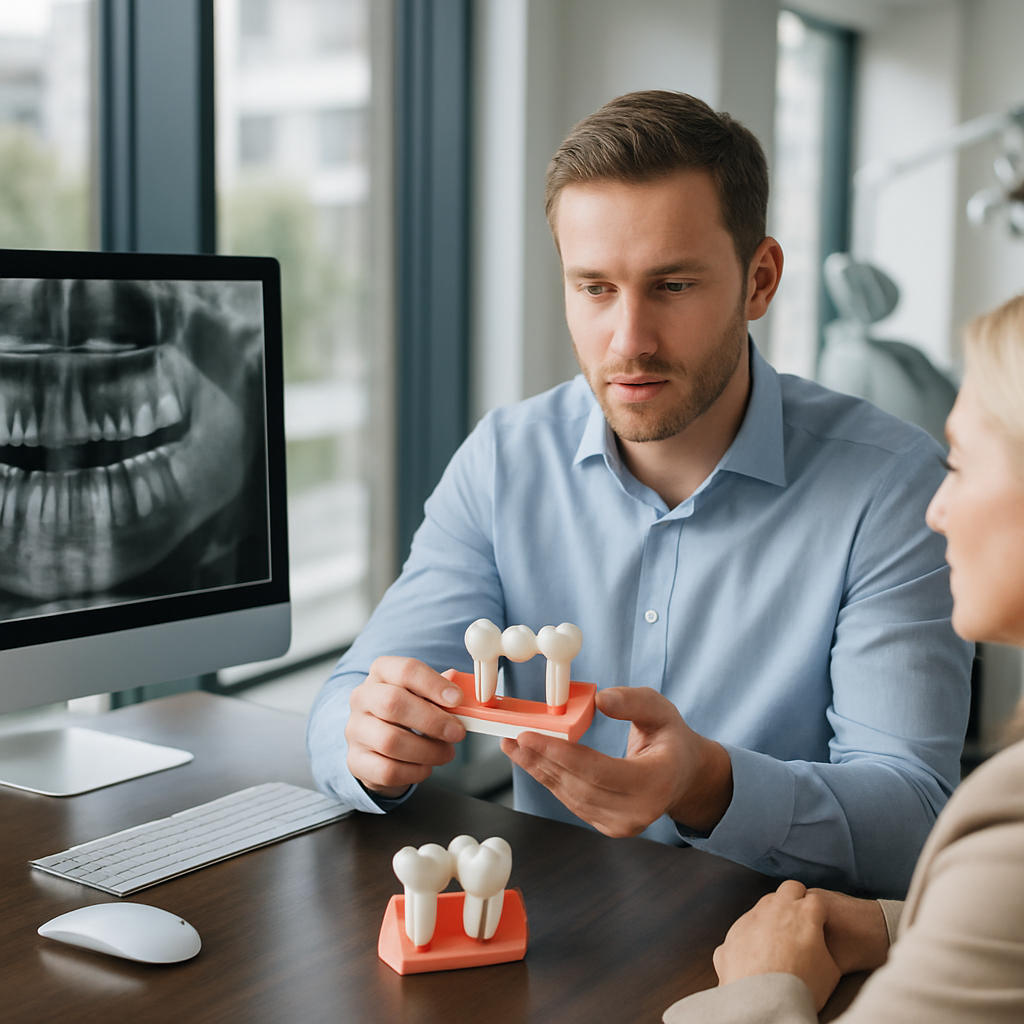
Effective Dental Floss Options
When considering oral hygiene, the choice of dental floss can significantly impact overall dental health. It is essential to select a product that not only fits individual preferences but also effectively complements other dental practices. For those who have opted for London Dental Bridges, the right floss becomes paramount. These bridges, while aesthetically pleasing, require particular attention to ensure the longevity and functionality of the dental work.
Various options are available on the market, from traditional waxed floss to innovative water flossers. Waxed floss is often recommended for users with London Dental Bridges, as its smoother surface glides easily between teeth without causing damage to the delicate dental work. Alternatively, unwaxed floss can provide a more thorough cleaning for those without significant dental appliances; however, it may not be ideal for individuals with bridges.
Another promising option is the use of dental tape, which offers a broader surface area that can be beneficial for cleaning around London Dental Bridges. Its flat design can effectively cover gaps and help remove plaque in hard-to-reach areas. Moreover, for those who prefer a modern approach, electric or water flossers can deliver a powerful yet gentle clean, particularly for those with more intricate dental arrangements.
Ultimately, the best choice is one that promotes optimum oral health while accommodating the unique needs of individuals, especially for those with London Dental Bridges. Regular consultation with dental professionals can provide tailored recommendations, ensuring that your flossing routine effectively supports your dental appliances.
Mouthwash Considerations
When considering oral hygiene products, the benefits of mouthwash can often be overlooked amidst the plethora of dental care options available. Mouthwash serves not only as a refreshing solution to combat halitosis but can also play a pivotal role in maintaining oral health. For individuals with specific dental treatments, such as London Dental Bridges, the right mouthwash can significantly contribute to the longevity and functionality of these restorations.
Choosing an appropriate mouthwash involves evaluating its ingredients and their specific benefits. Antimicrobial mouthwashes, for instance, are particularly beneficial for individuals with London Dental Bridges, as they help reduce plaque accumulation and prevent gum disease—a crucial consideration for those with dental work. Additionally, alcohol-free formulas can be gentler on the mouth, especially for those who may experience sensitivity around their bridges.
Furthermore, it is essential to consider mouthwash as a complementary tool rather than a replacement for traditional oral hygiene practices. Regular brushing and flossing remain paramount, especially when managing the care of London Dental Bridges. By integrating mouthwash into a comprehensive dental care routine, patients can enhance their overall oral health, providing an added layer of protection against decay and gum issues.
Ultimately, when selecting a mouthwash, individuals should consult with their dental professional to ensure that their choice aligns with their specific needs, particularly if they have undergone procedures like London Dental Bridges. A tailored approach will not only optimise the effectiveness of their dental care but also contribute to achieving a healthy, confident smile.
Regular Dental Check-ups and Their Role
Regular dental check-ups play a crucial role in maintaining optimal oral health and preventing more serious dental issues. These routine examinations allow dental professionals to identify potential problems early, thereby facilitating timely intervention. A significant aspect of these check-ups involves assessing the condition of dental structures, which can include London Dental Bridges if they are part of the patient’s dental history.
During these visits, the dentist not only performs a thorough examination but can also provide valuable advice on oral hygiene practices tailored to the individual’s needs. The importance of monitoring dental restorations such as London Dental Bridges cannot be overstated, as they require regular maintenance to ensure their longevity and functionality. Regular assessments can help in detecting any wear and tear or complications that may arise with these dental solutions.
Additionally, dental check-ups often include professional cleanings, which are essential for removing plaque and tartar build-up that can lead to gum disease and other serious conditions. By incorporating the status of London Dental Bridges into these cleanings, practitioners can ensure that both the natural teeth and any prosthetic appliances are well cared for.
In conclusion, regular dental check-ups not only safeguard against potential dental problems but also enhance the effectiveness and durability of restorations like London Dental Bridges. Investing time in these appointments is a proactive approach to preserving oral health and maintaining a confident smile.
Frequency of Visits
Understanding the frequency of visits to dental practices is crucial for optimising patient care and ensuring effective treatment plans, particularly in the context of London Dental Bridges. Regular attendance not only facilitates timely interventions but also helps in monitoring the longevity and effectiveness of dental solutions. For patients receiving London Dental Bridges, it is recommended to schedule follow-up appointments at least every six months. This allows dental professionals to assess the condition of the bridges and surrounding gum health, ensuring that any potential issues are addressed promptly.
Moreover, the frequency of visits can significantly impact patient satisfaction and overall dental health. In densely populated areas like London, where dental practices are abundant, establishing strong relationships through regular visits can lead to better outcomes. Patients tend to feel more comfortable discussing their concerns, which is essential for procedures involving London Dental Bridges.
In addition, many dental practitioners encourage their patients to maintain a proactive approach to oral health, which includes adhering to a consistent visit schedule. Educational initiatives and reminders can increase awareness about the importance of these visits, ultimately leading to enhanced success rates for restorative treatments such as London Dental Bridges.
In conclusion, understanding the optimal frequency of visits can greatly influence both the quality of care received and patient compliance. As practitioners in this field, emphasising the significance of regular dental check-ups will not only benefit individual patients but also contribute to the overall health of the community.
What to Expect During Check-ups
During your dental check-up, you can anticipate a thorough examination that ensures your oral health is maintained to the highest standard. The dentist will begin by reviewing your medical history and discussing any concerns you may have. Following this, a comprehensive inspection of your teeth, gums, and mouth will take place, often involving the use of modern diagnostic tools.
One crucial aspect of these visits, especially if you have had previous dental work, is evaluating the condition of any existing treatments such as London Dental Bridges. These restorations require regular monitoring to ensure they remain effective and continue to support your oral function. The dentist will assess the integrity of the London Dental Bridges, checking for any signs of wear or potential complications that might arise.
Additionally, professional cleaning is usually part of the appointment. This procedure helps to remove plaque and tartar buildup, which can affect your overall dental health. Should any issues regarding your London Dental Bridges or other dental work be identified, your dentist may propose a treatment plan that addresses these concerns.
Ultimately, a check-up serves as a preventative measure, allowing for early detection of potential problems. Regular visits not only enhance your oral hygiene but also ensure that treatments like London Dental Bridges continue to function optimally. Maintaining these appointments is essential for lasting dental health and a bright smile.
Lifestyle Tips to Support Your Dental Health
Maintaining optimal dental health extends beyond regular brushing and flossing; it encompasses a holistic lifestyle approach. Adopting balanced dietary habits is essential. Incorporate plenty of fruits and vegetables into your meals, as they provide necessary vitamins and minerals while also promoting saliva production, which is crucial for neutralising acids in the mouth. Foods rich in calcium, such as dairy products, are vital for strong teeth and bones, reducing the likelihood of requiring treatments like London Dental Bridges.
Additionally, staying hydrated not only aids overall health but also helps in washing away food particles and bacteria. Limit sugary snacks and beverages, as these can lead to decay, necessitating more complex dental solutions. When cravings strike, opt for healthier alternatives, such as nuts or cheese, which have dental benefits and can help stave off the urge for sweets.
Moreover, regular dental check-ups and cleanings are indispensable. These appointments allow for early detection of potential issues and can save you from needing extensive procedures like London Dental Bridges later on. Practising good oral hygiene, including using fluoride toothpaste, will significantly improve your dental resilience.
Lastly, be mindful of habits such as smoking and excessive alcohol consumption, as they contribute to gum disease and other oral health problems. By creating a supportive environment for your dental well-being, you can significantly decrease the chance of needing interventions, including London Dental Bridges, thereby enhancing your overall quality of life.
Dietary Recommendations
When addressing nutritional choices, it is imperative to consider how they can influence overall health, particularly oral health. A balanced diet plays a crucial role in maintaining healthy teeth and gums, which complements restorative dental treatments such as London Dental Bridges. These bridges, designed to replace missing teeth, require a supportive environment provided by good nutrition to ensure long-lasting results and optimal functionality.
Incorporating a variety of nutrients into your diet is essential. Calcium-rich foods, for instance, are vital for strengthening teeth and bones. Dairy products, leafy greens, and fortified alternatives can provide the necessary intake. Additionally, vitamins A, C, and D are pivotal in maintaining gum health and facilitating the healing process post-dental procedures like London Dental Bridges. It is also advisable to limit sugar consumption, as it can lead to tooth decay and gum disease, undermining the structural benefits offered by restorative treatments.
Hydration cannot be overlooked either. Drinking plenty of water aids in saliva production, which is crucial for neutralising acids in the mouth and maintaining a healthy oral environment. After undergoing treatment with London Dental Bridges, it is particularly important to adhere to these dietary guidelines, as they can significantly affect recovery time and the longevity of the dental work.
In summary, mindful dietary recommendations not only enhance general well-being but also support specific dental treatments. Following these guidelines will ensure that those considering or already using London Dental Bridges are set on a path to optimal oral health.
Avoiding Habits That Can Damage Bridges
Maintaining the integrity of dental work requires vigilance, particularly when it comes to preserving London Dental Bridges. These prosthetic devices serve not only to restore aesthetics but also to ensure functional stability. Unfortunately, several everyday habits can undermine their effectiveness, leading to complications that can be both costly and uncomfortable.
Firstly, excessive consumption of hard foods can pose a significant threat to London Dental Bridges. Chewing on ice or hard candies can result in chipping or loosening of the bridge, which might necessitate professional repair or replacement. Furthermore, neglecting oral hygiene practices can lead to dental decay or gum disease, which may compromise the support structures for the bridge, thereby jeopardising its longevity.
Moreover, smoking is another detrimental habit that affects oral health overall, including the durability of London Dental Bridges. The chemicals in tobacco can hinder healing and contribute to gum recession, which diminishes the stability of the bridge. Regular dental check-ups are essential for monitoring the condition of the surrounding teeth and gums, thus ensuring the reliability of the bridge.
Lastly, it’s advisable to avoid using teeth as tools for opening packages or bottles, as this can cause undue stress on London Dental Bridges. By recognising and addressing these habits, individuals can significantly enhance the lifespan of their dental fixtures, ensuring that their investment in oral health remains worthwhile. Emphasising preventive care will ultimately yield a healthier, more functional smile.
Conclusion and Final Thoughts
In considering the myriad options available for dental restoration, London Dental Bridges emerge as a particularly effective solution for those seeking to restore both functionality and aesthetics to their smiles. Not only do these bridges provide a means to replace missing teeth, but they also enhance the overall oral health of patients by preventing further dental complications that can arise from tooth loss. The meticulous craftsmanship involved in creating London Dental Bridges ensures that they are tailored to the unique anatomical features of each patient, resulting in a seamless fit and natural appearance.
Furthermore, the technological advancements in dental materials have significantly improved the durability and longevity of London Dental Bridges. Patients can now expect a solution that not only feels comfortable but also withstands the test of time. It is essential for individuals to consult with experienced dental professionals who specialise in this area. A thorough evaluation can lead to a well-informed decision regarding the best type of bridge to use, ensuring optimal results.
In conclusion, the value of London Dental Bridges cannot be understated. They represent a harmonious blend of innovation and traditional dental practice, providing a reliable answer to the challenges of tooth loss. As the demand for effective dental solutions continues to grow, London Dental Bridges remain a cornerstone in contemporary dentistry, offering patients not just a functional restoration, but also renewed confidence in their smiles. Investing in such quality care is paramount for long-term oral health and a vibrant life.