Introduction to London Dental Bridges In the realm of restorative dentistry, London Dental Bridges serve as a pivotal solution for those seeking to replace missing teeth and restore functionality and aesthetics. This innovative dental procedure involves the use of prosthetic devices anchored to adjacent teeth or implants, effectively bridging the gap left by absent teeth. …

Introduction to London Dental Bridges
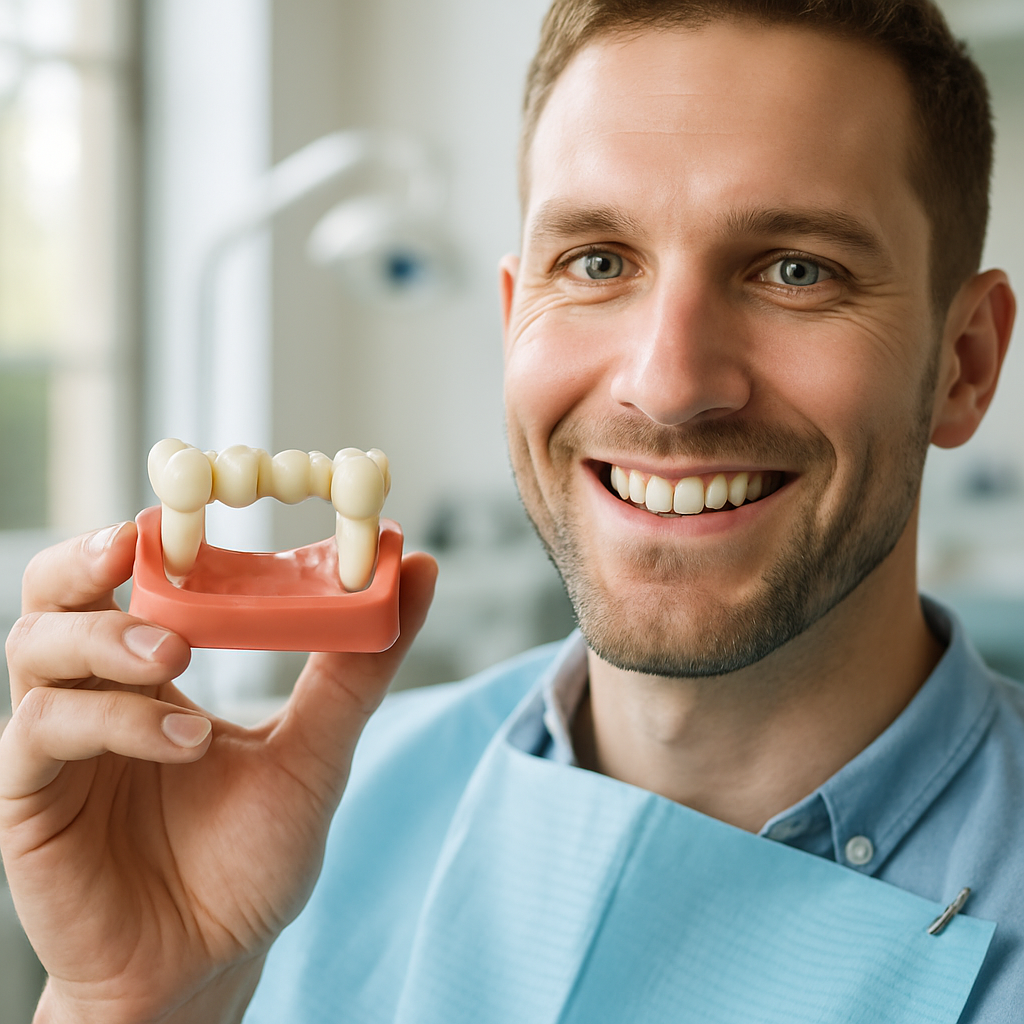
In the realm of restorative dentistry, London Dental Bridges serve as a pivotal solution for those seeking to replace missing teeth and restore functionality and aesthetics. This innovative dental procedure involves the use of prosthetic devices anchored to adjacent teeth or implants, effectively bridging the gap left by absent teeth. Patients often opt for London Dental Bridges to regain not only their ability to chew but also their confidence in smiling.
The process typically begins with a thorough examination and personalised treatment plan tailored to the patient’s unique dental requirements. The selection of materials for London Dental Bridges—ranging from porcelain to metal alloys—ensures a natural appearance while providing durability. Dental professionals in London are well-versed in the latest techniques, ensuring that each bridge is customised for optimal fit and function.
Moreover, the importance of maintenance cannot be overstated. Regular check-ups and diligent oral hygiene can significantly extend the lifespan of London Dental Bridges, allowing patients to enjoy the benefits of their investment for years to come. As technology advances, the field of dentistry continues to evolve, with innovations in materials and methods enhancing the effectiveness of these bridges.
Ultimately, London Dental Bridges exemplify the intersection of art and science in dentistry, providing patients with a reliable and aesthetically pleasing solution for tooth restoration. For those considering this treatment, consultations with experienced dental professionals can illuminate the best options available, ensuring personalised care and satisfactory outcomes.

What are Dental Bridges?
When a tooth is lost due to decay, injury, or other dental issues, it can lead to various complications, ranging from aesthetic concerns to functional challenges. A common solution employed by dental professionals is the application of a dental bridge, a prosthetic device designed to span the gap left by missing teeth.
These innovative solutions are typically composed of two or more crowns for the teeth on either side of the gap, with a false tooth or teeth in between, effectively ‘bridging’ the space. Not only do London Dental Bridges restore the integrity of one’s smile, but they also help to maintain the alignment of surrounding teeth, preventing potential dental complications that may arise from shifting.
The procedure for obtaining London Dental Bridges begins with a thorough examination and consultation, during which a dentist will assess the condition of the gums and neighbouring teeth. Impressions of your teeth may be taken, allowing for a precise fit of the bridge. Once crafted, the bridge is securely placed, often using dental cement to ensure stability.
In addition to their functional benefits, London Dental Bridges contribute significantly to overall oral health. By addressing gaps, they aid in proper chewing and speaking, which can be hindered by missing teeth. Moreover, they can enhance facial aesthetics, offering individuals greater confidence in their appearance.
For those curious about the advantages of dental solutions, further information can be found at this resource. Ultimately, London Dental Bridges provide a practical and effective way to restore both form and function to one’s dental landscape.
Types of Dental Bridges
When considering tooth replacement solutions, one must understand the different options available, particularly in the realm of dental bridges. These restorations are not merely functional; they also play a significant role in maintaining the aesthetic integrity of one’s smile. Among the types of dental bridges, one often encounters traditional bridges, cantilever bridges, and Maryland bridges, each serving distinct purposes based on the patient’s needs and specific dental anatomy.
Traditional bridges are commonly employed when there are adjacent teeth on either side of the gap. They consist of a false tooth anchored by crowns on the neighbouring teeth, providing both stability and a natural appearance. In contrast, cantilever bridges are utilized when only one adjacent tooth is available for support. This design is particularly beneficial in certain situations but may not be suitable for all patients.
Another innovative option is the Maryland bridge, which employs a framework of metal or porcelain to bond the false tooth to the back of the neighbouring teeth. This minimally invasive approach is ideal for those who wish to avoid extensive dental work.
In London, the demand for quality London Dental Bridges is on the rise, as patients seek solutions that not only restore dental function but also enhance their smile. Dental practitioners in this vibrant city are increasingly skilled in the various types of bridges, ensuring that each patient receives tailored care based on their specific situation. Ultimately, understanding the types of London Dental Bridges available empowers patients to make informed decisions about their dental health.
Benefits of Dental Bridges
The restoration of dental aesthetics and functionality is paramount in modern dentistry, particularly when it comes to replacing missing teeth. One of the most effective solutions available is the use of dental bridges, which offer numerous advantages for patients seeking to enhance their oral health.
Primarily, London Dental Bridges provide a seamless way to restore the natural appearance of teeth. By bridging the gap left by a missing tooth, these structures are designed to match the colour and shape of the surrounding teeth, helping to maintain a cohesive smile. Furthermore, the presence of a bridge prevents the remaining teeth from shifting out of position, which can lead to misalignment and bite issues.
Another significant benefit of London Dental Bridges is their ability to restore functionality. Patients are often relieved to find that they can enjoy their favourite foods without discomfort once the bridge is in place. This restoration not only enhances eating capabilities but also supports the overall health of the jawbone, as the pressure exerted during chewing is distributed evenly across all teeth.
Additionally, the durability of London Dental Bridges stands out as a remarkable feature. When crafted from high-quality materials, they can provide long-lasting results with proper care and maintenance. This makes them a cost-effective solution in the long run, as they typically require fewer replacements compared to some other dental solutions.
Ultimately, understanding the benefits associated with London Dental Bridges can greatly assist patients in making informed decisions regarding their dental health. For further insights into dental restoration techniques, you may refer to this comprehensive resource.
Costs of Dental Bridges in London
When considering dental restoration options, many individuals in London find themselves contemplating the costs associated with dental bridges. The price of London Dental Bridges can vary significantly depending on various factors, including the type of material used, the complexity of the procedure, and the specific dental practice. Typically, the cost of a standard dental bridge in London ranges from £500 to £1,500 per unit, with the overall expense increasing when multiple units are required.
Patients should also consider additional expenses such as diagnostic consultations, X-rays, and any preliminary treatments that may be necessary before the bridge can be fitted. The choice between materials—such as porcelain, metal, or a combination of both—also plays a crucial role in determining the final price. For example, while porcelain bridges may provide a more aesthetic finish, they often come at a higher price point, leading to increased costs for London Dental Bridges.
Furthermore, the reputation and experience of the dental practitioner can influence the pricing structure. Highly qualified specialists or those with advanced technology may charge more, but this often correlates with higher-quality outcomes and reduced risk of complications. Therefore, it is essential for patients to weigh the costs against the potential benefits.
Ultimately, obtaining a detailed quote and assessing various providers will assist in making an informed decision regarding London Dental Bridges. It is advisable to consult with dental professionals who can provide comprehensive insights tailored to individual needs and budget considerations.
Average Prices
Understanding the cost structure associated with dental treatments is crucial for both practitioners and patients alike. When considering restorative options such as bridges, one must take into account the average prices, which can vary significantly based on numerous factors. In the realm of dentistry, particularly in London, the average prices for London Dental Bridges are influenced by the materials used, the complexity of the case, and the clinician’s expertise.
Typically, the price range for London Dental Bridges can vary from £500 to £2,500 per bridge unit. High-quality materials such as porcelain or zirconia tend to command higher fees, reflecting their durability and aesthetic appeal. Moreover, dental practices located in central London may charge a premium due to overhead costs and the demand for high-calibre services.
It is also worth noting that insurance coverage can impact out-of-pocket expenses; many plans may partially cover the costs associated with London Dental Bridges. Patients should consult their providers for detailed information regarding coverage.
For practitioners, understanding these pricing dynamics is essential not only for setting competitive rates but also for managing patient expectations. Communicating the value of investing in quality dental work is paramount. Ultimately, awareness of the average prices for London Dental Bridges will facilitate informed decision-making for both patients seeking restorative solutions and professionals aiming to provide top-notch dental care.
Factors Affecting Cost
When considering the various elements that influence pricing, it is crucial to delve into the specifics of the dental sector, particularly concerning London Dental Bridges. The cost of these dental solutions can be affected by a multitude of factors, ranging from material selection to the expertise of the dental professionals involved.
Firstly, the choice of materials plays a significant role in determining the overall expense. High-quality materials often ensure durability and aesthetic appeal, yet they come at a premium. For instance, those opting for porcelain-fused-to-metal or all-ceramic London Dental Bridges may find themselves incurring higher costs compared to more traditional options.
Additionally, the complexity of the dental work itself can impact pricing. Cases requiring extensive preparatory procedures, such as root canal treatments or bone grafting, will naturally elevate the cost. The skill and experience of the dentist also contribute to the final amount; seasoned professionals with a solid reputation in providing London Dental Bridges may charge higher fees, but they often yield superior results.
Geographic location is another vital factor—practices situated in affluent areas like central London typically have higher overheads, which often translates to increased prices for services. Furthermore, dental insurance coverage can alter out-of-pocket expenses for patients seeking London Dental Bridges, making it essential for individuals to thoroughly understand their policies.
Ultimately, understanding these various dimensions can empower patients to make informed decisions regarding their dental health and financial commitments.
The Procedure for Getting Dental Bridges
The process of acquiring dental bridges involves several pivotal steps that ensure optimal outcomes for patients. Initially, a comprehensive consultation with a qualified dentist is essential. In this session, the dentist will evaluate the patient’s oral health, review medical history, and discuss aesthetic goals. Following this, diagnostic imaging, such as X-rays, may be employed to gain a clearer understanding of the underlying structures, which is critical for planning the procedure, particularly in the case of London Dental Bridges.
Once the preliminary assessment is complete, the dentist will create a customised treatment plan tailored to the patient’s specific needs. This plan often includes the preparation of the adjacent teeth that will support the bridge. After reshaping these teeth, impressions will be taken to fabricate the bridge, ensuring a precise fit and natural appearance. The dental laboratory will then construct the bridge, allowing for a few weeks of waiting time.
During the subsequent appointment, the dentist will fit the permanent bridge in place, ensuring it aligns correctly with the bite and aesthetic expectations. For individuals seeking London Dental Bridges, it is crucial to engage with a reputable dental practice to guarantee high-quality materials and craftsmanship. Post-procedure care and regular dental check-ups will further ensure the longevity and functionality of the bridge, enhancing the patient’s overall dental health and confidence in their smile. Ultimately, this meticulous procedure can restore both functionality and aesthetics effectively, making it a popular choice for those requiring tooth replacement.
Initial Consultation

The initial consultation is a pivotal moment in the journey towards achieving a perfect smile. During this session, dental professionals assess individual needs, providing insight into various treatment options, including London Dental Bridges. This comprehensive meeting allows patients to discuss concerns and expectations, ensuring a personalised approach to their dental care.
As part of the process, practitioners will conduct a thorough examination of the oral cavity, often accompanied by diagnostic imaging. This enables specialists to identify any underlying issues that may impact the suitability of London Dental Bridges for the patient. Moreover, this initial engagement lays the groundwork for establishing trust and rapport, essential components in any successful dental relationship.
Patients can expect to receive detailed information regarding the advantages and longevity of London Dental Bridges, including an exploration of materials and aesthetic considerations. This transparency empowers individuals to make informed decisions regarding their dental health. Furthermore, understanding the procedure’s steps and aftercare requirements ensures patients feel comfortable and prepared for the journey ahead.
Ultimately, the initial consultation is not merely a procedural formality; it is an opportunity for patients to voice their desires and for professionals to tailor solutions that align with those aspirations. This collaborative dialogue is crucial, particularly when exploring options like London Dental Bridges, which can significantly enhance both function and appearance. By prioritising this foundational meeting, individuals can embark on their dental journey with confidence and clarity.

Preparation for the Bridge
The process leading up to the installation of dental bridges is critical for ensuring both aesthetic appeal and functional integrity. For those considering this restorative dental procedure, particularly London Dental Bridges, understanding the preparatory steps can significantly enhance the overall outcome. Initially, a thorough examination by a qualified dental professional is essential. This includes assessing the condition of existing teeth, gums, and the overall oral health, which plays a pivotal role in determining the suitability for London Dental Bridges.
Following the assessment, imaging techniques such as X-rays may be employed to provide a comprehensive view of the underlying structures. This information is invaluable for crafting a detailed treatment plan tailored to the individual’s needs. Patients are often advised on oral hygiene practices, which are especially vital prior to the placement of London Dental Bridges. Optimal dental health not only mitigates the risk of complications but also contributes to the longevity of the bridges.
Moreover, patients should engage in an open dialogue with their dentists, discussing expectations, potential risks, and care routines post-procedure. Such consultations ensure that patients are well-informed and comfortable, setting a positive tone for the journey ahead. In conclusion, meticulous preparation for London Dental Bridges is paramount and should never be overlooked. A proactive approach will result in a successful restoration, allowing individuals to enjoy renewed confidence and improved functionality in their dental health.
Placement Process
In the competitive field of dental services, particularly in the realm of restorative dentistry, establishing an efficient and effective placement process is paramount. This is especially true for patients seeking solutions such as London Dental Bridges, which are designed to restore functionality and aesthetics. The placement of these dental bridges requires meticulous planning and precision to ensure optimal results.
Initially, a thorough assessment of the patient’s dental health is crucial. This includes diagnostic imaging and a comprehensive examination to determine the suitability of London Dental Bridges for their specific needs. Following this, a customised treatment plan is crafted, detailing the stages involved, from preparation to the final placement. It is essential that patients are fully informed about what to expect throughout the process, fostering a sense of trust and confidence.
During the actual placement of London Dental Bridges, the dental practitioner must demonstrate not only technical skills but also an understanding of the unique anatomical features of each patient. The use of advanced materials and technologies can significantly enhance the overall experience and outcome. Post-placement care is equally important, as proper maintenance plays a vital role in the longevity of London Dental Bridges.
In summary, a streamlined placement process is integral to achieving successful results in restorative dentistry. By prioritising patient-centred care and utilising top-tier materials, dental professionals can ensure that patients’ expectations are not only met but exceeded, solidifying the reputation of their practice in the competitive London market.
Aftercare and Maintenance
Effective aftercare and maintenance play a crucial role in the longevity and functionality of dental restorations, particularly when considering London Dental Bridges. After the initial placement of these dental appliances, patients must adhere to specific guidelines to ensure their success over time. Regular follow-ups with a dental professional are essential, enabling the identification of any potential issues before they escalate.
Oral hygiene practices are paramount in maintaining the health of the surrounding teeth and gums, which directly impact the stability of London Dental Bridges. Patients should be encouraged to brush twice daily and utilise dental floss specifically designed for bridge care. This proactive approach helps prevent plaque accumulation, which can lead to decay or gum disease, jeopardising the integrity of the bridge.
Moreover, the use of antimicrobial mouth rinses can enhance overall oral health, further benefiting London Dental Bridges by creating a cleaner environment in the mouth. Patients should also be educated on the importance of a balanced diet, as nutrition directly influences healing and maintenance.
Regular dental check-ups, ideally every six months, are crucial for maintaining dental bridges. During these visits, professionals can assess the condition of London Dental Bridges, ensuring they remain securely in place and function effectively. By prioritising aftercare and maintenance, patients can enjoy not only the aesthetic benefits but also the enhanced functionality that London Dental Bridges provide, ultimately leading to improved overall dental health.
Best Clinics for Dental Bridges in London
Finding the right clinic for dental bridges in London can be a daunting task, given the plethora of options available. It is crucial to choose a facility that not only possesses advanced technology but also boasts a skilled team of professionals dedicated to providing exceptional care. When searching for London Dental Bridges, consider clinics that are renowned for their cutting-edge techniques and patient-centric approaches.
One outstanding feature of exemplary clinics is their commitment to personalised treatment plans. A thorough consultation enables dental professionals to assess individual needs and preferences, ensuring that the dental bridges fit seamlessly and function optimally. Furthermore, clinics that prioritise ongoing education and training for their staff are typically at the forefront of the latest advancements in dental technology, which is especially important for procedures like London Dental Bridges that require precision and expertise.
Patient reviews and testimonials can offer valuable insights when selecting a clinic. Facilities that specialise in London Dental Bridges often have a wealth of positive feedback, highlighting their ability to create a comfortable environment while achieving remarkable results. Moreover, clinics that provide comprehensive post-operative care demonstrate their commitment to patient satisfaction and long-term success.
In summary, the best clinics for dental bridges in London will exhibit a blend of technological advancement, skilled professionals, and a strong focus on patient experience. By considering these factors, you can ensure that your journey towards a healthier smile is both effective and enjoyable, making your choice of London Dental Bridges a decision you won’t regret.
Top Rated Clinics
In today’s competitive healthcare landscape, particularly in dental services, the distinction between clinics is often marked by the quality of care and patient satisfaction. Among the various dental solutions offered, London Dental Bridges have gained prominence for their role in restorative dentistry. These bridges not only enhance the aesthetic appeal of a smile but also restore functionality, making them a sought-after choice for patients requiring dental restoration.
Top-rated clinics excel in providing these services, primarily due to their commitment to using high-quality materials and the latest technology. Patients seeking London Dental Bridges should look for clinics that employ experienced professionals who can offer personalised treatment plans tailored to individual needs. A clinic’s reputation can often be gauged through patient testimonials and reviews, which highlight their experiences and satisfaction with the outcomes of treatments.
Furthermore, top clinics are characterised by their transparent communication regarding procedures, costs, and aftercare. This is particularly vital for treatments like London Dental Bridges, where understanding the process and its implications can significantly influence a patient’s decision-making. Those looking to invest in their dental health ought to seek clinics that not only promise excellence in service but also demonstrate a track record of successful procedures.
In conclusion, prioritising clinics that specialise in London Dental Bridges, alongside a proven history of patient satisfaction, is essential for ensuring both aesthetic and functional results. As the demand for quality dental care continues to rise, identifying these top-rated clinics will ultimately lead to better health outcomes and a more confident smile.
What to Look for in a Dental Clinic
When selecting a dental clinic, several key factors should be considered to ensure that you receive the best possible care. Firstly, the qualifications and experience of the dental professionals are paramount. A clinic with well-trained specialists, particularly in areas such as restorative dentistry, can make a significant difference. Specifically, if you are considering London Dental Bridges, it is essential to choose a clinic where the dentists have substantial experience in this field.
Another important aspect is the range of services offered. A comprehensive clinic should provide not only general dentistry but also specialised treatments. For instance, patients interested in London Dental Bridges should confirm that the clinic has a solid reputation for this procedure and can demonstrate successful outcomes through patient testimonials and before-and-after photos.
Additionally, the clinic’s technology and facilities can have a considerable impact on your experience. Modern dental clinics equipped with the latest technology can provide more effective and comfortable treatments. When it comes to London Dental Bridges, advanced equipment can facilitate more precise fittings and improve overall results.
Finally, consider the clinic’s approach to patient care. A welcoming atmosphere, attentive staff, and clear communication are vital. Clinics that prioritise patient comfort and satisfaction are more likely to offer a positive experience, especially for those undergoing dental procedures like London Dental Bridges. By keeping these factors in mind, you can make an informed decision and ensure that your dental health is in capable hands.
Conclusion and Next Steps

In evaluating the implications of dental solutions, it is crucial to synthesise our findings and outline the subsequent steps for both practitioners and patients. The benefits of London Dental Bridges are evidently profound, offering not only functional restoration but also significant aesthetic improvements. As we draw conclusions, it is important to advocate for a thorough understanding of the options available, particularly in a city renowned for its advanced dental practices.
Patients seeking solutions should engage actively with their dental professionals to explore how London Dental Bridges can fit into their unique oral health narratives. This dialogue will facilitate informed decisions that align with both their functional needs and aesthetic desires. As we look to the future, dental practitioners must remain attuned to the latest advancements in materials and techniques associated with London Dental Bridges. Continuous education and training are vital to ensuring that patients receive care that reflects current best practices.
Moreover, it is recommended that dental professionals establish a clear pathway for follow-up consultations, allowing for ongoing evaluation of the efficacy of London Dental Bridges in their patients. This proactive approach not only enhances patient satisfaction but also builds long-term relationships rooted in trust and results. The journey does not end with a successful installation; instead, it evolves into a partnership focused on maintaining oral health and wellbeing. By committing to these next steps, we can ensure that the promise of London Dental Bridges is fully realised, benefitting both patients and practitioners alike.