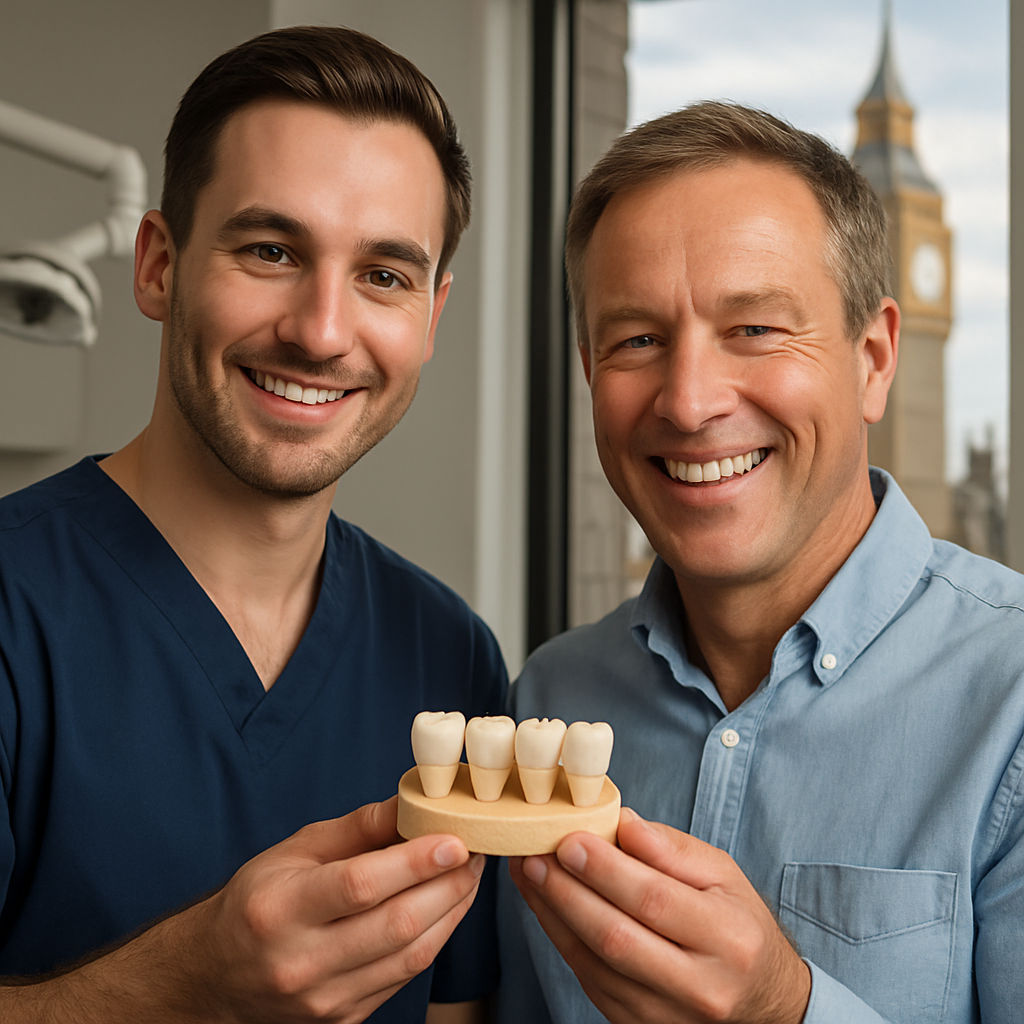
Introduction to London Crowns Understanding the intricacies of dental restorations is vital for both practitioners and patients. Among these, crowns play a pivotal role in restoring functionality and aesthetics of teeth. For those navigating this complex field, a comprehensive resource is essential. This is where the london crowns guide becomes invaluable. It serves not only …

Introduction to London Crowns

Understanding the intricacies of dental restorations is vital for both practitioners and patients. Among these, crowns play a pivotal role in restoring functionality and aesthetics of teeth. For those navigating this complex field, a comprehensive resource is essential. This is where the london crowns guide becomes invaluable. It serves not only as a reference for dental professionals but also as an educational tool for patients seeking to understand the options available to them.
The london crowns guide outlines various types of crowns, including ceramic, porcelain-fused-to-metal, and gold crowns, each with distinct advantages tailored to individual needs. For instance, ceramic crowns are often preferred for their natural appearance, while metal crowns provide durability, particularly in posterior teeth. This guide elaborates on indications for crown placement, ensuring that practitioners can make informed decisions based on clinical scenarios.
Additionally, the london crowns guide delves into the procedural aspects, including preparation, impression taking, and the final placement of crowns. Emphasising a patient-centric approach, it also addresses common concerns such as post-operative care and maintenance, ensuring that patients are well-informed throughout their treatment journey.
In essence, utilising the london crowns guide equips both dental professionals and patients with the knowledge necessary for achieving optimal outcomes in restorative dentistry. By fostering a deeper understanding of crowns, we can enhance the quality of care provided and ultimately improve patient satisfaction.

What Are Dental Crowns?
Dental crowns represent a crucial aspect of restorative dentistry, providing a solution for various dental issues such as extensive decay, fractures, or aesthetic enhancements. These prosthetic devices are meticulously crafted to encase the visible part of a tooth, effectively restoring its shape, strength, and functionality. In the realm of dental care, understanding the nuances of crowns is essential for both practitioners and patients alike.
For those seeking comprehensive information, the london crowns guide serves as an invaluable resource. This guide delves into the different types of crowns available, including porcelain, metal, and ceramic options, each offering unique benefits tailored to specific patient needs. The optimal choice often hinges on the location of the tooth, the extent of damage, and personal aesthetic preferences.
Moreover, the longevity and durability of dental crowns are significant considerations. A well-placed crown can last over a decade with proper oral hygiene and regular dental visits. The london crowns guide further illustrates the importance of professional assessment prior to crown placement, ensuring that each patient receives personalised care that aligns with their dental health goals.
In addition to functionality, the aesthetic enhancement provided by crowns cannot be understated. A well-matched crown can seamlessly blend with existing teeth, restoring not only the tooth’s structure but also the patient’s confidence. By consulting the london crowns guide, dental professionals can stay abreast of the latest advancements, techniques, and materials in crown technology, ensuring optimal outcomes for their patients. For further information, you may visit this resource, which offers detailed insights into crown procedures and patient care.
The Importance of Quality Crowns in London
In the heart of London, the significance of quality dental crowns cannot be overstated. As dental professionals strive to provide the best possible care, understanding the intricacies of dental restorations is paramount. High-quality crowns not only enhance the aesthetic appeal of a patient’s smile but also play a crucial role in restoring functionality. This is particularly vital in a bustling metropolis where first impressions carry considerable weight.
For those navigating the complexities of dental care, a comprehensive london crowns guide becomes an invaluable resource. It elucidates the various materials available, such as porcelain, metal, and ceramic, each offering unique benefits tailored to individual needs. Selecting the right type of crown is essential for longevity and durability, ensuring that patients achieve optimal outcomes. Furthermore, a well-informed patient is more likely to make choices that align with their lifestyle and dental health goals.
Moreover, the importance of precision and craftsmanship in creating crowns cannot be overlooked. Dental laboratories in London are at the forefront of innovation, employing advanced technologies to produce crowns that fit seamlessly and offer superior performance. A robust london crowns guide will aid practitioners in choosing reputable labs that adhere to the highest standards of quality.
Ultimately, the pursuit of excellence in dental crowns is not merely a trend but a necessity for practitioners dedicated to their craft. By consulting a thorough london crowns guide, both professionals and patients can navigate this essential aspect of dental health with confidence, ensuring that every smile radiates beauty and functionality.
Before and After: Visual Transformations with Crowns
Aesthetically pleasing transformations can truly enhance one’s overall appearance, particularly in the realm of dentistry. The utilisation of crowns has emerged as a prominent solution for individuals seeking to restore both function and beauty to their smiles. When considering the potential of dental crowns, one cannot overlook the transformative effects they can impart, especially when viewed through the lens of a london crowns guide.
Crowns are designed to cover damaged or decayed teeth, providing a natural appearance while reinforcing structural integrity. Their versatility extends to various materials, including porcelain and metal, allowing for tailored options that meet both aesthetic and functional needs. For those exploring this option, a london crowns guide serves as an invaluable resource, detailing the process, benefits, and aftercare related to crown procedures.
Witnessing a “before and after” scenario can be quite striking, as many patients emerge with a renewed sense of confidence and vitality. The transformative power of crowns is not merely cosmetic; the psychological impact on patients can be profound. Addressing concerns such as discoloration, misalignment, or damage, crowns can significantly uplift one’s self-esteem and overall happiness.
Moreover, the london crowns guide further elucidates the importance of choosing a skilled professional to undertake this procedure. Quality craftsmanship ensures that the end result not only looks natural but also lasts for years to come. For those intrigued by the realm of cosmetic dentistry and its offerings, exploring a comprehensive resource such as a london crowns guide can be a pivotal step toward achieving the radiant smile one desires. For additional insights into the field, refer to this detailed article which provides a broader context on dentistry practices.
Real-Life Case Studies
In an ever-evolving landscape, the significance of practical examples cannot be overstated. Utilising real-life scenarios provides invaluable insights, especially when navigating complex subjects such as legal frameworks or professional standards. For instance, when exploring the nuances of crown advocacy, a thorough examination of successful case studies can elucidate effective strategies and methodologies.
A prime resource for legal practitioners is the london crowns guide, which serves as a comprehensive reference point. This guide not only offers theoretical underpinnings but also showcases real-life applications of law in action. By analysing documented cases, professionals can glean lessons on how to handle intricate legal challenges. The diverse range of case studies presented in the london crowns guide highlights tactics employed by seasoned advocates, showcasing their problem-solving approaches and courtroom techniques.
Furthermore, engaging with these case studies enables practitioners to refine their own skills and adapt their strategies to similar challenges they may face. The real-world contexts provided in the london crowns guide allow for a deeper understanding of legal principles and contribute to a more enriching educational experience.
In conclusion, the value of real-life case studies, particularly those found in the london crowns guide, cannot be understated. They are not merely academic exercises; they are essential tools that empower legal professionals to navigate the complexities of their field with confidence and competence. Embracing these insights is pivotal for anyone seeking to excel in the demanding environment of law.
The Psychological Impact of Smile Makeovers
A smile is often regarded as a reflection of one’s inner confidence and self-esteem, making its aesthetic aspects pivotal in various social encounters. The transformation brought about by a smile makeover can yield profound psychological benefits, significantly enhancing a person’s overall mental well-being. In particular, procedures such as porcelain veneers and dental crowns can dramatically alter not only the appearance of teeth but also an individual’s self-perception. This newfound confidence can lead to improved social interactions and a more positive outlook on life.
For those navigating the complexities of dental aesthetics, a thorough understanding is essential, the london crowns guide being an invaluable resource. This guide offers clarity on the types and benefits of crowns, which play a crucial role in smile makeovers. Such knowledge empowers individuals to make informed choices about their dental care, ultimately reinforcing their self-image.
Moreover, the interaction between physical appearance and psychological state is undeniable. Research indicates that individuals who have undergone smile transformations report higher levels of happiness and lower instances of social anxiety. The london crowns guide further elaborates on how these procedures can lead to lasting changes in social dynamics, where people feel more inclined to engage and express themselves.
In conclusion, the psychological impact of smile makeovers extends beyond mere aesthetics, fostering a deeper sense of self-worth. The london crowns guide serves not only as a practical tool but also as a testament to the transformative power of dental work in enhancing psychological health and social confidence.
Functional Benefits of Dental Crowns
Dental crowns serve a crucial role in restoring and enhancing both the functionality and aesthetics of damaged teeth. They are particularly beneficial for individuals who have suffered from extensive decay, fractures, or prior dental work that has compromised the structure of the tooth. By covering the entire visible portion of the tooth, crowns provide strength and protection while allowing for normal chewing and speaking functions.
One of the primary advantages of crowns is their ability to improve the longevity of a tooth. When placed correctly, as detailed in the london crowns guide, they can significantly extend the life of a tooth that might otherwise require extraction. This not only preserves the natural tooth structure but also maintains the alignment of the bite, which is essential for overall oral health.
Additionally, crowns can be customised to match the colour and shape of surrounding teeth, ensuring a seamless integration into one’s smile. This aesthetic appeal is particularly valuable for those concerned about the appearance of their teeth, making crowns a popular choice among patients seeking restorative solutions. The london crowns guide notes that modern materials like porcelain or ceramic can be chosen for their natural look and durability, providing a balance between functionality and beauty.
Moreover, the process of receiving a crown typically involves a relatively straightforward procedure, allowing patients to restore their dental health efficiently. As highlighted in the london crowns guide, understanding the functional benefits of crowns empowers patients to make informed decisions regarding their dental care, ultimately enhancing their quality of life.
Improved Chewing Function
The ability to chew effectively is crucial for overall health and well-being. Improved chewing function directly influences digestion, nutrient absorption, and even the enjoyment of food. In this context, understanding the nuances of dental solutions can guide individuals towards optimal oral health. For those seeking information about the latest advancements in restorative dentistry, the london crowns guide serves as an invaluable resource.
Dental crowns, in particular, play a pivotal role in restoring proper chewing capabilities. These custom-made caps are designed to fit over damaged teeth, enhancing both function and aesthetics. When properly installed, crowns can significantly increase chewing efficiency, ensuring that individuals can enjoy a varied diet without discomfort. The london crowns guide offers insights into types of crowns available, materials used, and the benefits associated with each option.
Moreover, the longevity of these restorations is essential; with advancements in dental technology, modern crowns can last many years, making them a worthwhile investment in one’s oral health. Those exploring ways to improve their chewing function should consider consulting the london crowns guide to understand how tailored solutions can meet their specific needs.
In conclusion, restoring chewing function through effective dental interventions can lead to enhanced quality of life. By leveraging the information available in the london crowns guide, patients can make informed decisions, ensuring that their dental health contributes positively to their overall well-being.
Protection for Weak Teeth
Maintaining the health of weak teeth is critical for overall dental well-being. Individuals with compromised enamel or structural integrity often face challenges that require careful management and protection. An effective approach involves understanding the various restorative options available, including crowns, which can significantly enhance strength and functionality.
For those seeking insights into effective dental solutions, the london crowns guide serves as an invaluable resource. This guide outlines the types of crowns available, such as porcelain, metal, or ceramic, and their respective benefits in reinforcing weak teeth. With the right crown, patients can experience improved durability and a natural appearance, which is essential for confidence in social and professional settings.
In addition to crowns, it is essential to adopt a comprehensive dental care routine. Regular check-ups and preventive measures can help identify and mitigate the risks associated with weakened teeth. The london crowns guide also highlights the importance of professional assessment, ensuring that any restorative work undertaken aligns with the patient’s specific dental needs and lifestyle.
Moreover, understanding the implications of weak teeth can empower patients to make informed decisions regarding their oral health. The london crowns guide emphasizes the necessity of bespoke solutions tailored to individual circumstances, as generic treatments may not address underlying issues effectively.
In conclusion, protecting weak teeth is not merely about restoration; it encompasses a holistic approach that includes preventive care and informed choices. Leveraging resources like the london crowns guide can illuminate the path towards achieving a robust and radiant smile.

Choosing the Right Type of Crown
When considering dental restorations, the selection of a crown type is paramount to ensuring both aesthetic appeal and functional longevity. Various materials are available, each offering distinct advantages, which can often make the decision process seem overwhelming. A well-informed choice relies heavily on understanding the unique properties of these materials and the specific needs of the patient.
For instance, porcelain crowns are renowned for their natural appearance and are particularly suited for front teeth, while metal crowns, such as gold, provide exceptional strength and durability, making them ideal for molars. In the london crowns guide, it’s emphasized that the dentist’s expertise plays a crucial role in determining the most suitable crown for each individual case, taking into account factors such as bite alignment, tooth location, and aesthetic preferences.
Moreover, newer materials like zirconia are gaining popularity due to their combination of strength and aesthetic qualities. The london crowns guide also highlights the importance of considering the occlusal forces that each tooth endures. For patients who clench or grind their teeth, a more robust material may be recommended to ensure longevity.
Ultimately, collaborating with a dental professional who is well-versed in the options available, as outlined in the london crowns guide, can significantly enhance the decision-making process. Their insights can help navigate the complexities of crown materials, leading to a restoration that not only meets clinical requirements but also aligns with the patient’s aesthetic goals. Selecting the appropriate crown is a critical step in achieving a successful dental restoration.
Materials Used for Crowns
When considering the materials used for dental restorations, particularly crowns, it is imperative to understand the different options available and their respective advantages. A comprehensive london crowns guide typically outlines three primary materials: porcelain, metal, and resin. Each of these materials has unique properties that cater to various patient needs and aesthetic preferences.
Porcelain crowns are renowned for their natural appearance, making them an ideal choice for front teeth where aesthetic appeal is paramount. They can be custom-shaded to match the surrounding teeth, ensuring a seamless integration. However, while porcelain is strong, it can be more prone to fracture under extreme forces, which is a critical consideration when discussing long-term durability.
Metal crowns, often made from gold or other alloys, are exceptionally durable and resistant to wear. They provide a robust solution for molars, where chewing forces are significantly higher. The downside, however, is their metallic appearance, which may not be suitable for visible teeth. For those who prioritise strength over aesthetics, metal crowns are often recommended.
Resin crowns, though less common, offer a cost-effective alternative. They are easier to adjust and bond well to the tooth structure; however, their longevity tends to be less than that of porcelain or metal options. This makes them more suitable for temporary solutions rather than permanent ones.
Ultimately, selecting the right material for crowns involves careful consideration of aesthetic demands, functional needs, and budget constraints. For further insights, a detailed london crowns guide can assist in navigating these choices, ensuring the best outcome for patients. By understanding the strengths and limitations of each material, dental professionals can provide tailored recommendations that align with their clients’ expectations.
Factors to Consider When Selecting a Crown
When selecting a crown, several critical factors must be taken into account to ensure the best fit for both aesthetic and functional purposes. Firstly, the material of the crown plays a vital role. Options such as porcelain, metal, or a combination of both can significantly affect durability and appearance. Patients should consider their personal preferences and any potential allergies to specific materials.
Additionally, the location of the tooth in question should influence the decision. For example, crowns placed in the back of the mouth may prioritise strength, whereas those visible when smiling might focus more on aesthetics. This distinction is crucial, and consulting a professional with expertise in restorations can provide valuable insights.
The shade and translucency are other significant aspects to consider. A crown should mimic the natural tooth as closely as possible, ensuring a seamless blend with the surrounding teeth. This is where the london crowns guide can be particularly beneficial, offering recommendations on the best techniques and materials to achieve a natural look.
Another important consideration is the crown’s fitting process, which can vary depending on whether it is a traditional or a same-day procedure. Understanding the implications of each method will help patients make informed decisions. Finally, one must evaluate the long-term care associated with different types of crowns, ensuring that the chosen option aligns with the patient’s lifestyle and maintenance capabilities. Therefore, referring to a reliable london crowns guide can provide clarity and confidence in making the ideal choice for dental crowns.
The Process of Getting Dental Crowns in London
Embarking on the journey to receive dental crowns in London involves a systematic approach that prioritises both patient comfort and clinical precision. The initial step typically begins with a consultation, where a dentist evaluates the condition of the affected tooth and discusses the potential benefits and options of crowns. This is a critical phase, as it sets the foundation for informed decision-making.
Subsequently, imaging technologies such as X-rays may be employed to gain a comprehensive view of the tooth’s structure. Following this diagnostic phase, the dentist will prepare the tooth by removing any decay and shaping it to ensure a proper fit for the crown. A vital aspect of this preparation is the taking of impressions, which serve as a blueprint for manufacturing the crown. In this regard, a london crowns guide can provide invaluable insights into the various materials available, including porcelain, metal, or a combination of both, depending on aesthetic preferences and functional requirements.
Once the crown is fabricated—typically within a couple of weeks—a second appointment is scheduled for the fitting. During this visit, the dentist will check the crown’s fit, colour, and bite, ensuring optimal comfort and aesthetics. The final step is the bonding of the crown to the prepared tooth, which is often performed using a strong dental adhesive.
For those seeking clarity about the entire process, consulting a london crowns guide can enhance understanding and alleviate any concerns. Ultimately, the journey towards dental crowns in London is a collaborative effort between patient and practitioner, aimed at restoring both function and beauty.
Initial Consultation and Assessment
The initial stages of any dental procedure are crucial for ensuring optimal outcomes. An effective consultation and assessment process allows practitioners to gather vital information about a patient’s dental history, current concerns, and expectations. This foundational step paves the way for a tailored treatment plan that addresses the unique needs of each individual.
In the context of restorative dentistry, particularly for those seeking insights into crowns, the london crowns guide serves as an invaluable resource. During the initial consultation, dentists can utilise this guide to explain various options available for crowns, including materials and techniques, empowering patients to make informed decisions. Furthermore, a comprehensive assessment not only involves a detailed examination of the dentition but also the soft tissues, ensuring that any underlying issues are identified early on.
Additionally, discussing the london crowns guide helps to demystify the process for patients. By explaining the steps involved in crown placement and the expected timeline, practitioners can alleviate any anxieties, fostering a trusting relationship. It is essential to address patients’ questions and concerns, as this engagement is instrumental in enhancing their confidence in the proposed treatment.
Ultimately, the initial consultation and assessment phase is about more than just diagnosis; it is an opportunity to build rapport and establish a plan that aligns with the patient’s desires and dental health goals. Leveraging comprehensive resources like the london crowns guide can significantly enrich this experience, ensuring that patients leave with a clear understanding of what lies ahead in their dental journey.
The Crown Installation Procedure
The procedure for crown installation is a critical aspect of restorative dentistry that requires precision and expertise. Initially, a comprehensive assessment of the patient’s oral health is conducted, followed by the necessary imaging to evaluate the tooth’s condition. This step is essential to determining the most suitable type of crown, as outlined in the london crowns guide.
Once the assessment is complete, tooth preparation begins. This involves removing any decay and reshaping the tooth to ensure a perfect fit for the crown. The importance of adhering to the guidelines provided in the london crowns guide cannot be overstated, as meticulous preparation is key to the longevity of the crown. After preparing the tooth, impressions are taken, which will serve as the foundation for creating a custom crown.
Temporary crowns may be placed while the final product is being crafted, allowing the patient to maintain aesthetics and function in the interim. Once the permanent crown is ready, it is then fitted and cemented into place, ensuring proper alignment and occlusion. Regular follow-ups are advised to monitor the crown’s condition, as highlighted in the london crowns guide.
Ultimately, understanding the crown installation procedure in detail not only enhances the outcomes for dental professionals but also significantly improves the patient experience. By following the guidelines meticulously, practitioners can ensure that their patients receive the highest standard of care in restorative dentistry. This comprehensive approach is essential for achieving optimal results and long-lasting success in crown placements.
Aftercare Tips for Longevity of Crowns
Maintaining the integrity of dental crowns is essential for ensuring their longevity and overall effectiveness. Aftercare is a critical component that can significantly impact the lifespan of these restorations. Following your dentist’s recommendations is paramount, but there are additional proactive measures that can be taken. Regular dental check-ups serve as a cornerstone in the maintenance of your crowns, providing professional cleaning and timely intervention if any issues arise. In the context of a london crowns guide, it is vital to understand the importance of avoiding hard foods, which can put undue pressure on the crown and lead to fractures.
Moreover, proper oral hygiene cannot be overstated. Brushing twice daily and flossing regularly will help to prevent plaque accumulation around the base of the crown. Using a non-abrasive toothpaste is advisable to avoid scratching the crown’s surface. As highlighted in a london crowns guide, smoking should also be minimised, as it can contribute to discolouration and gum disease, potentially jeopardising the crown’s stability.
Additionally, if you experience any discomfort or notice changes in your bite, seek dental advice promptly. This can prevent minor issues from escalating into larger problems. Ultimately, a combination of diligent personal care and regular professional oversight outlined in the london crowns guide will ensure that your crowns remain in optimal condition for many years to come. By following these aftercare tips meticulously, you can enjoy the benefits of a well-maintained dental restoration, ensuring both functionality and aesthetics are preserved.
Conclusion: The Value of a Beautiful, Functional Smile
The significance of a radiant and functional smile cannot be overstated in today’s society. A beautiful smile not only enhances an individual’s appearance but also plays a crucial role in self-esteem and social interactions. When considering dental aesthetics, one often encounters the concept of crowns, which can significantly improve the overall look and functionality of teeth. Particularly in London, where aesthetic expectations are high, understanding the options available is vital. This is where a london crowns guide becomes an indispensable resource.
Crowns are designed to restore teeth that have been damaged or are aesthetically displeasing, offering both strength and beauty. The range of materials available for crowns, including porcelain and metal alloys, means that individuals can choose a solution tailored to their specific needs and preferences. A comprehensive london crowns guide provides insights into these materials, enabling patients to make informed choices about their dental care.
Additionally, a well-informed patient is more likely to have a positive experience throughout the dental procedure. Knowledge gained from a london crowns guide can ease concerns and answer common questions, making the process less daunting. Ultimately, investing in a beautiful smile can yield significant returns, both personally and professionally, as it often influences first impressions and social engagement.
In conclusion, embracing the journey towards a beautiful, functional smile through the guidance of a london crowns guide is not merely about aesthetics; it is about enhancing quality of life, fostering confidence, and facilitating meaningful connections with others.