Understanding London Bruxism The phenomenon of teeth grinding, commonly referred to as bruxism, has become increasingly prevalent in urban settings, particularly in London. London Bruxism is a condition that not only affects the quality of life for many but also poses significant challenges for dental professionals. In a bustling metropolis where stress levels are high, …

Understanding London Bruxism
The phenomenon of teeth grinding, commonly referred to as bruxism, has become increasingly prevalent in urban settings, particularly in London. London Bruxism is a condition that not only affects the quality of life for many but also poses significant challenges for dental professionals. In a bustling metropolis where stress levels are high, the correlation between anxiety and the incidence of bruxism is becoming ever more apparent.
Individuals suffering from London Bruxism often experience a range of symptoms, including jaw pain, headaches, and disrupted sleep patterns. The underlying causes are multifaceted, encompassing psychological factors such as stress and anxiety, alongside physical contributors like misaligned teeth. For dental practitioners in the capital, understanding the complexities of this condition is vital for effective treatment and patient education.
Moreover, the economic implications of London Bruxism cannot be overlooked. The wear and tear on dental structures lead to increased healthcare costs for both patients and practitioners. The importance of early intervention and customised treatment plans cannot be stressed enough; interventions can range from stress management techniques to the use of night guards.
As awareness regarding London Bruxism continues to grow, it is imperative for professionals in the dental sector to stay informed on the latest research and treatment options. By fostering a deeper understanding of this condition, clinicians can provide more comprehensive care to their patients, ultimately improving their quality of life in this vibrant yet fast-paced city.

What is Bruxism?
Bruxism is a condition characterised by the involuntary grinding or clenching of teeth, often occurring during sleep or periods of heightened stress. This phenomenon can lead to a myriad of dental and health issues, including tooth wear, jaw pain, and headaches. In urban settings like London, where lifestyles are often fast-paced and stressful, the prevalence of London Bruxism has become increasingly concerning. Many residents may be unaware that their nighttime habits could be contributing to these significant and often painful symptoms.
The exact causes of bruxism are multifaceted, involving psychological, neurological, and genetic factors. Stress and anxiety are commonly cited triggers, prompting individuals to grind their teeth as a coping mechanism. In the context of London Bruxism, the challenges of modern life—ranging from work pressures to commuting woes—can exacerbate this condition. Individuals experiencing symptoms should consider consulting a dental professional to assess their situation and explore potential treatment options.
Management strategies for London Bruxism often include stress reduction techniques, dental appliances such as night guards, and lifestyle modifications aimed at improving sleep quality. It is crucial for those affected to recognise the signs and seek help promptly, as untreated bruxism can lead to long-term dental damage. For those interested in learning more about managing this condition, further information can be found at this resource. Addressing London Bruxism is essential not only for dental health but also for overall well-being, emphasising the importance of awareness and proactive care.
Causes of Bruxism
Bruxism, a condition characterised by the involuntary grinding or clenching of the teeth, is increasingly recognised within dental and health circles as a significant concern. The origins of this phenomenon can be varied and complex, often resulting from a combination of physical and psychological factors. Stress is frequently cited as a primary contributor; many individuals engage in teeth grinding as a subconscious response to anxiety or tension, a reality that has been particularly amplified during challenging times in urban settings like London.
Moreover, sleep disorders play a crucial role in the development of this condition. Individuals suffering from sleep apnoea or insomnia may find themselves experiencing London Bruxism as a side effect of disrupted sleep patterns. Additionally, misalignment of teeth or jaw—often exacerbated by dental issues—can lead to an increase in grinding behaviour.
The impact of lifestyle choices should not be overlooked either. High caffeine consumption, smoking, and excessive alcohol intake have all been linked to greater incidences of London Bruxism. These substances can elevate stress levels and interfere with sleep quality, further perpetuating the cycle of teeth grinding.
Finally, it is essential to consider genetic and hereditary factors. A family history of bruxism can predispose individuals to the condition, suggesting that biological elements may also contribute to the prevalence of London Bruxism. Understanding these causes is vital for dental professionals and patients alike, as it allows for the development of more effective prevention and treatment strategies.
Importance of Diet After Bruxism
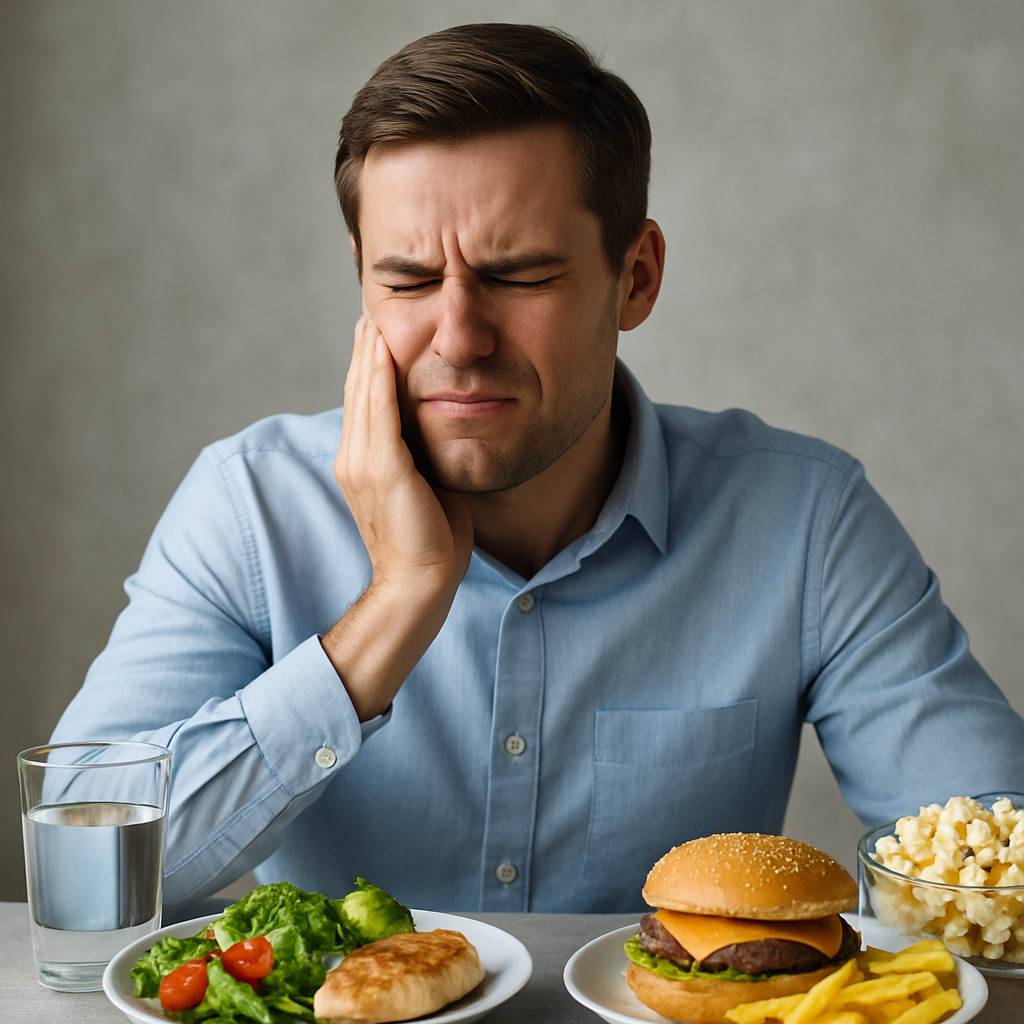
In the realm of dental health, the aftermath of bruxism demands careful consideration, particularly regarding dietary choices. Individuals experiencing London Bruxism often face muscle fatigue and increased sensitivity, making it essential to adopt a diet that aids recovery and alleviates discomfort. Foods rich in magnesium, such as leafy greens and nuts, can help relax jaw muscles, while anti-inflammatory options like berries and fatty fish may reduce inflammation caused by excessive grinding.
Moreover, hydration plays a vital role in maintaining overall oral health and mitigating the effects of London Bruxism. Drinking sufficient water not only supports bodily functions but also helps in keeping the mouth moist, which can alleviate any dryness or irritation stemming from bruxism. Limiting caffeine and alcohol is equally important, as these substances can exacerbate muscle tension and increase grinding episodes during sleep.
In addition to food choices, timing matters significantly. Consuming smaller, more frequent meals throughout the day can prevent jaw strain that may occur during extended chewing periods. This is particularly relevant for those suffering from London Bruxism, who may find their jaws excessively fatigued after larger meals.
Finally, seeking guidance from dental professionals for personalised dietary advice is paramount. A comprehensive approach, combining dietary adjustments with proper dental care, can significantly enhance recovery. To understand more about the relationship between diet and dental health, exploring resources like this informative link can be beneficial. By aligning dietary habits with health needs, individuals can better manage the challenges posed by London Bruxism.
How Diet Affects Oral Health
Diet plays a pivotal role in maintaining oral health, influencing not only the condition of teeth but also the overall integrity of the mouth. The consumption of sugar-laden foods and beverages can lead to an increase in bacterial growth, which subsequently contributes to tooth decay and gum disease. It is essential to recognise that a diet high in processed sugars can exacerbate issues such as London Bruxism, where teeth grinding and jaw clenching occur, often driven by stress but affected by dietary choices as well.
Incorporating nutrient-rich foods, particularly those rich in calcium and vitamins, can significantly enhance oral health. Dairy products, leafy greens, and nuts provide essential minerals that strengthen teeth and bones. Moreover, hydration plays a crucial role; water helps wash away food particles and neutralise harmful acids. This balanced approach can mitigate the adverse effects of London Bruxism, as a well-nourished body is better equipped to handle stressors, potentially reducing the frequency and severity of grinding episodes.
Conversely, neglecting dietary responsibility may lead to a cycle of poor oral health, characterised by increased instances of London Bruxism. The discomfort and pain associated with grinding can become amplified if dental issues arise from inadequate nutrition, creating a vicious cycle that is difficult to break. Therefore, fostering a diet that promotes oral health not only supports teeth and gums but can also alleviate the symptoms associated with London Bruxism, ultimately contributing to a more comfortable and healthier lifestyle.
The Role of Nutrition in Recovery
Nutrition plays a pivotal role in the recovery process, influencing both physical and mental well-being. For individuals experiencing conditions such as London Bruxism, which refers to the involuntary grinding of teeth, proper nutritional practices can significantly alleviate symptoms and promote healing. A well-balanced diet rich in essential vitamins and minerals is fundamental in supporting muscle recovery and reducing inflammation, which is particularly beneficial for those affected by London Bruxism.
Incorporating foods high in magnesium, such as leafy greens and nuts, can help relax muscles and reduce tension, addressing one of the underlying causes of bruxism. Furthermore, antioxidants found in fruits and vegetables combat oxidative stress, potentially mitigating the harmful effects associated with the condition. Hydration also plays a crucial role; adequate fluid intake can prevent dehydration, which may exacerbate symptoms of London Bruxism.
Moreover, understanding the connection between nutrition and stress is vital. High-stress levels often lead to teeth grinding, and a diet that includes foods high in Omega-3 fatty acids, like fish and flaxseeds, can help manage stress and promote a sense of calm. This holistic approach not only aids in recovery but also serves as a preventive measure against the recurrence of London Bruxism.
Ultimately, collaboration with nutritionists and healthcare professionals is essential for developing personalised dietary strategies that address the specific needs of individuals suffering from London Bruxism. By prioritising nutrition, one can pave the way for improved recovery outcomes and a better quality of life.
Safe Foods to Eat After London Bruxism
After experiencing London Bruxism, many individuals often seek dietary adjustments to alleviate discomfort and promote oral health. It is crucial to opt for soft, non-irritating foods that won’t exacerbate any sensitivity caused by grinding or clenching. Starting with smoothies can be a beneficial choice; they are not only gentle on the teeth but can also be packed with nutrients. By blending fruits such as bananas and berries with yoghurt or almond milk, you can create a delicious and soothing meal that supports overall wellbeing.
Additionally, incorporating soft-cooked vegetables, such as carrots, peas, and squash, can provide essential vitamins without putting extra strain on the jaw. These foods are easy to chew and can be seasoned subtly to enhance flavour without causing irritation. Another excellent option is porridge or soft cereals, which can be comforting and easy to digest—ideal for those recovering from London Bruxism related discomfort.
Protein-rich foods like scrambled eggs or silken tofu are also advantageous, offering the necessary nutrients while remaining gentle on the mouth. It is essential to stay hydrated, too; therefore, sipping herbal teas or water throughout the day can help soothe any residual soreness from London Bruxism.
In summary, choosing soft, nutrient-dense foods after experiencing London Bruxism is key to promoting healing and comfort. By focusing on these dietary choices, individuals can effectively manage the repercussions of bruxism while enjoying a varied and balanced diet.
Soft Foods that Promote Healing

Nutrition plays a pivotal role in the recovery process, especially for individuals suffering from conditions such as London Bruxism. Soft foods are not only easier to consume for those experiencing discomfort but also provide essential nutrients that aid healing. Incorporating a variety of easily digestible options can significantly enhance one’s recovery journey.
Pureed fruits and vegetables are excellent choices, as they offer vital vitamins and minerals. For instance, bananas and avocados are soft yet packed with potassium and healthy fats, promoting muscle health and aiding in the recovery of jaw-related issues. Additionally, soups can be both soothing and nutritious, perfect for those dealing with the effects of London Bruxism. A warm bowl of chicken or vegetable broth not only provides hydration but also delivers protein and essential nutrients conducive to healing.
Dairy products, such as yogurt and cottage cheese, are fantastic for their protein content and probiotics, which support gut health. These soft options can be particularly beneficial when teeth sensitivity arises due to London Bruxism. Furthermore, incorporating smoothies that blend fruits, vegetables, and protein powder can offer a nutrient-dense meal while remaining gentle on the digestive system.
In conclusion, emphasising soft foods during recovery is vital for those affected by London Bruxism. These foods not only ease the eating process but also contribute to overall health and faster recovery. Tailoring one’s diet with these considerations in mind can set the foundation for improved well-being and resilience.

Nutrient-Rich Foods for Dental Health
Maintaining optimal dental health is heavily influenced by diet, and particular nutrients play a crucial role in fortifying our teeth and gums. Foods rich in vitamins and minerals can significantly reduce the risk of dental issues, especially in individuals suffering from conditions like London Bruxism. This involuntary teeth grinding not only damages enamel but can also lead to other complications, making it imperative to focus on nutrient-rich foods that support oral health.
Calcium and phosphorus are essential for strong teeth. Dairy products, leafy greens, and nuts provide these minerals, helping to strengthen tooth structure and combat the effects of London Bruxism. Furthermore, vitamin D is vital since it aids in calcium absorption; thus, incorporating fatty fish or fortified foods into one’s diet can enhance dental integrity.
Vitamin C should not be overlooked either, as it strengthens gums and enhances healing. Fruits and vegetables, particularly citrus and berries, are excellent sources. Regularly consuming these can mitigate some adverse effects associated with London Bruxism, such as gum inflammation.
In addition, maintaining adequate hydration plays a role in oral health. Water helps cleanse the mouth, washing away food particles and bacteria, which is particularly beneficial for those experiencing the repercussions of London Bruxism.
In conclusion, a diet enriched with essential nutrients not only promotes overall health but is particularly advantageous for those suffering from London Bruxism. By making informed dietary choices, one can significantly improve dental health and overall well-being.
Foods to Avoid After London Bruxism
Following a diagnosis of London Bruxism, it is essential for individuals to reassess their dietary habits to alleviate symptoms and prevent further complications. Bruxism, characterised by grinding or clenching of the teeth, often exacerbates discomfort when combined with certain foods. To promote oral health and reduce the likelihood of jaw pain, there are specific dietary choices to avoid.
Firstly, sticky or chewy foods, such as toffees and certain types of bread, should be minimised. These can strain the jaw muscles and exacerbate tension, which is particularly detrimental for those suffering from London Bruxism. Additionally, excessively hard foods like nuts and ice can lead to increased wear on the teeth, further complicating the condition.
Moreover, acidic foods and beverages, including citrus fruits and cola, may contribute to dental erosion, particularly if teeth are already compromised due to grinding. Individuals experiencing London Bruxism should also be cautious with highly caffeinated drinks, as caffeine can lead to increased muscle tension and stress, aggravating the grinding cycle.
Lastly, alcohol consumption can disrupt sleep patterns and exacerbate bruxism-related symptoms. Ensuring a balanced diet devoid of these triggering foods can significantly contribute to managing London Bruxism effectively. Ultimately, making conscious dietary choices can play a crucial role in alleviating the discomfort associated with this condition, promoting both physical health and overall well-being.
Hard Foods that Can Cause Damage
In today’s fast-paced lifestyle, many individuals are unaware of the potential harm posed by certain hard foods. These seemingly innocuous items can lead to significant dental issues, particularly for those predisposed to conditions such as London Bruxism. This chronic teeth grinding can exacerbate the risk of dental fractures, as the pressure exerted during episodes of bruxism is magnified when consuming hard substances.
Foods such as hard nuts, brittle candies, and tough crackers can pose a dual threat. Not only do they challenge the integrity of dental work, but they can also cause unnecessary strain on the jaw muscles, amplifying the symptoms of London Bruxism. Individuals prone to this condition may find themselves in a vicious cycle: the more they consume hard foods, the greater the likelihood of experiencing heightened tension and subsequent grinding at night.
Moreover, it is essential to consider the role of dietary choices in managing the discomfort associated with London Bruxism. Incorporating softer, more manageable foods into one’s diet can significantly reduce the risk of dental damage and minimise the aggravation of jaw issues. Regular check-ups with dental professionals can further aid in monitoring the effects of dietary habits.
Understanding the connection between hard foods and conditions like London Bruxism is crucial for anyone seeking to maintain optimal dental health. Through informed choices and professional guidance, individuals can protect their teeth and improve their overall well-being.
Sugar and Acidic Foods to Steer Clear Of
When it comes to maintaining optimal oral health, particularly for those suffering from conditions like London Bruxism, dietary choices play a pivotal role. High sugar and acidic foods can exacerbate dental issues and contribute to the wear and tear of enamel, which is particularly detrimental for individuals experiencing teeth grinding. Frequent consumption of sugary snacks and beverages not only increases the risk of cavities but also heightens the tension in the jaw muscles, aggravating the symptoms associated with London Bruxism.
Foods such as citrus fruits, sodas, and sweets can lead to increased acidity in the mouth, further compromising enamel integrity. For those affected by London Bruxism, it is advisable to limit these items and instead focus on a balanced diet rich in nutrients that promote dental health. Opting for whole grains, dairy products, and green vegetables can provide necessary vitamins while keeping the mouth’s pH level stable.
Moreover, staying hydrated with water can help neutralise acidity and support overall oral health. As a preventive measure, individuals should be vigilant about their snacking habits, ensuring that they avoid sugary or acidic foods that could trigger a cycle of discomfort related to London Bruxism. By making informed dietary decisions, one can significantly mitigate the effects of this condition, ultimately leading to improved wellbeing and a healthier smile.
Additional Tips for Managing Bruxism
Managing bruxism effectively requires a multifaceted approach that not only addresses the symptoms but also enhances overall well-being. One key strategy is to engage in stress-reducing activities, as stress is a significant contributor to London Bruxism. Techniques such as mindfulness meditation, yoga, or even regular physical exercise can help mitigate anxiety levels, which in turn may reduce the frequency and intensity of teeth grinding.
Establishing a calming bedtime routine is equally crucial. Consider incorporating relaxing practices such as reading or taking a warm bath prior to sleep. This can help signal to your body that it is time to unwind, potentially decreasing the likelihood of London Bruxism during the night. Furthermore, it’s advisable to avoid stimulants such as caffeine and nicotine, particularly in the hours leading up to bedtime, as these substances can exacerbate bruxism symptoms.
Additionally, seeking the guidance of a dental professional can provide tailored solutions. A dentist can assess the severity of London Bruxism and recommend appropriate interventions, such as a custom mouthguard. These devices can protect the teeth and alleviate some of the pressure exerted during grinding.
Lastly, engaging with support groups or therapists experienced in dealing with London Bruxism can be beneficial. Sharing experiences and coping strategies with others facing similar challenges may offer new insights and enhance your management plan. Overall, a comprehensive approach that addresses both the physical and psychological aspects of bruxism is essential for effective management.
Importance of Hydration
Maintaining optimal hydration levels is crucial for overall health and well-being. In the context of professionals dealing with stress-related conditions, such as London Bruxism, understanding the role of hydration becomes even more significant. Dehydration can exacerbate symptoms associated with teeth grinding, leading to increased tension in the jaw and further complicating the management of this condition.
When individuals are adequately hydrated, their bodies function more efficiently, with improved circulation and enhanced muscle function. This is particularly relevant for those experiencing London Bruxism, as the tension often manifests physically. Hydration can aid in alleviating some of this tension, promoting relaxation of the jaw muscles. Furthermore, water plays a vital role in maintaining salivary flow, which helps protect teeth and gums, areas that are often affected by the grinding associated with London Bruxism.
Moreover, cognitive performance and emotional well-being can be impacted by hydration status. Individuals who suffer from London Bruxism may experience heightened anxiety and stress, which can be mitigated through proper hydration. Consistent intake of fluids can help regulate mood and cognitive function, reducing the likelihood of bruxism episodes triggered by stress.
In conclusion, hydration is not merely a matter of physical health but is intertwined with mental and emotional well-being. For those grappling with London Bruxism, integrating a focus on hydration into daily routines could serve as a simple yet effective strategy to alleviate symptoms and improve overall quality of life.
Lifestyle Changes to Consider

Making mindful adjustments to one’s daily routine can significantly enhance overall wellbeing, particularly for those susceptible to stress-related conditions such as London Bruxism. This often-overlooked ailment, characterised by teeth grinding and jaw clenching, can be exacerbated by lifestyle choices. Therefore, it is crucial to incorporate practices that promote relaxation and reduce tension.
One effective strategy is the integration of regular physical activity into your daily schedule. Engaging in exercise not only alleviates stress but also serves as a distraction from the habitual behaviours associated with London Bruxism. Activities like yoga or tai chi can be particularly beneficial, as they emphasise mindfulness and body awareness, helping individuals manage their responses to stress more effectively.
Moreover, the importance of a balanced diet cannot be understated. Consuming a diet rich in vitamins and minerals supports overall health and can diminish the physical manifestations of stress, including those linked to London Bruxism. Limiting caffeine and alcohol intake is also advisable, as both substances have been shown to contribute to increased muscle tension and anxiety.
Additionally, establishing a consistent sleep routine is vital. Quality sleep is often disrupted in individuals experiencing London Bruxism, thereby creating a vicious cycle of fatigue and stress. Techniques such as meditation or deep breathing exercises before bed can facilitate a more restful night’s sleep, ultimately reducing the occurrence of teeth grinding.
In summary, by adopting these lifestyle changes, individuals can effectively mitigate the impacts of London Bruxism, fostering a healthier and more balanced life.