Introduction to London Bruxism In recent years, London Bruxism has emerged as a significant concern within the realms of dentistry and overall health. Bruxism, characterised by the involuntary grinding or clenching of teeth, often occurs during sleep and can lead to a plethora of issues, including dental wear, headaches, and jaw pain. The fast-paced lifestyle …

Introduction to London Bruxism
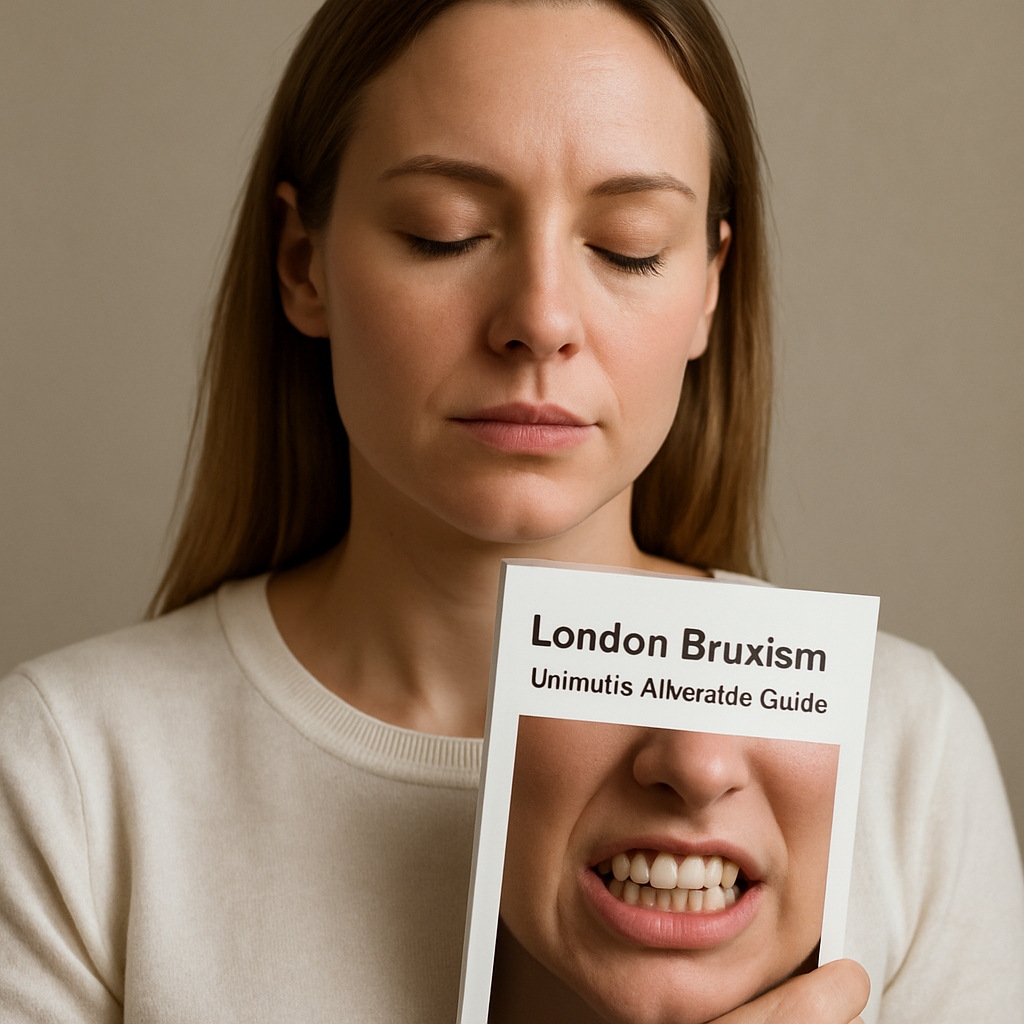
In recent years, London Bruxism has emerged as a significant concern within the realms of dentistry and overall health. Bruxism, characterised by the involuntary grinding or clenching of teeth, often occurs during sleep and can lead to a plethora of issues, including dental wear, headaches, and jaw pain. The fast-paced lifestyle typical in London, combined with high levels of stress, appears to exacerbate the prevalence of this condition among residents.
The implications of London Bruxism extend beyond mere dental discomfort; they can affect one’s quality of life and overall wellbeing. Dental professionals in the city are increasingly identifying bruxism as a multifactorial condition, influenced by psychological stressors and lifestyle choices. As patients become more aware of the connection between stress and oral health, there is a growing demand for effective strategies to manage symptoms.
Moreover, recent studies have shown that the rate of London Bruxism is on the rise, prompting an urgent need for community awareness and professional intervention. Dentists and healthcare providers are now recommending a comprehensive approach to treatment, including stress management techniques, custom dental guards, and lifestyle modifications.
In conclusion, London Bruxism serves as a reminder of the intricate relationship between our mental states and physical health. As the city continues to evolve, so too must our strategies for addressing this increasingly prevalent issue. Engaging with both the dental community and the broader public will be essential in mitigating the impacts of this condition and promoting healthier living in London.

What is Bruxism?
Many individuals are unaware that they may be suffering from a condition affecting their oral health: involuntary teeth grinding and jaw clenching. This phenomenon, often termed as a sleep disorder, can lead to a multitude of complications if left unchecked. It is important to understand that the implications of this condition extend beyond mere dental wear and tear; they can affect overall wellbeing and quality of life.
In urban environments like London, the phenomenon of London Bruxism is increasingly prevalent, driven by factors such as stress and anxiety. Individuals may unconsciously grind their teeth during sleep, leading to symptoms such as jaw pain, headaches, and even tinnitus. Furthermore, London Bruxism can result in dental issues, including enamel wear, tooth sensitivity, and temporomandibular joint disorders, which often require professional intervention.
The onset of London Bruxism often goes unnoticed, making it crucial for dental professionals to educate their patients about the signs and potential consequences. Awareness is key; recognising the symptoms early can lead to effective management strategies. Treatment options may include stress management techniques, dental devices, or therapeutic interventions aimed at alleviating the underlying causes.
For those seeking further information on managing this condition, resources are available at specialised clinics in London. Addressing London Bruxism not only preserves dental health but also enhances the overall quality of life, allowing individuals to lead healthier, more fulfilling lives free from the burdens of this often-overlooked disorder.
Causes and Symptoms of Bruxism
Bruxism, a condition characterised by the involuntary grinding or clenching of teeth, is becoming increasingly prevalent among various demographics. Understanding its causes is essential for effective management. Stress and anxiety are arguably the most significant contributors; they often manifest in heightened muscle tension which can lead to nocturnal teeth grinding. Furthermore, lifestyle factors such as excessive caffeine consumption or smoking may exacerbate the severity of this condition, particularly in urban settings like London.
In addition to psychological triggers, bruxism can also arise from physical factors such as misaligned teeth or dental restorations that do not fit correctly. Thus, it is crucial for dental professionals to conduct thorough assessments when diagnosing London Bruxism to identify any underlying dental issues. Another factor to consider is sleep disorders; individuals with conditions like sleep apnoea may find themselves grinding their teeth as a response to disrupted breathing during sleep.
The symptoms of bruxism extend beyond mere tooth wear. Those affected may experience jaw pain, tension headaches, and even earaches due to the strain placed on associated muscles and joints. Notably, London Bruxism frequently leads to significant dental wear, making early intervention paramount. Patients may also report increased sensitivity in their teeth or notice changes in their bite, necessitating prompt evaluation by dental professionals.
In conclusion, bruxism is a multifaceted condition with various underlying causes and symptoms. By recognising the complexities of London Bruxism, practitioners can offer targeted treatments that alleviate discomfort and promote long-term oral health.
Understanding the Importance of Aftercare
Aftercare is a crucial aspect of dental treatment that cannot be overlooked, especially in the context of conditions such as London Bruxism. This disorder, characterised by involuntary teeth grinding and jaw clenching, often leads to a range of dental complications if not properly addressed post-treatment. Understanding the intricacies of aftercare is essential for both practitioners and patients alike, as it ensures the longevity of treatment outcomes and promotes overall dental health.
For individuals suffering from London Bruxism, a tailored aftercare plan can significantly mitigate the risks associated with this condition. Dentists play a pivotal role in this process by recommending appropriate interventions, such as the use of night guards or specific relaxation techniques. Moreover, regular follow-up appointments are vital to monitor the patient’s progress and make necessary adjustments to their treatment regime.
Educating patients about the importance of adhering to aftercare protocols not only instils a sense of responsibility but also fosters a stronger practitioner-patient relationship. By actively participating in their own recovery, patients can better manage symptoms associated with London Bruxism, leading to improved quality of life.
In conclusion, the significance of aftercare extends beyond mere compliance; it is an essential pillar of effective dental practice. For further insights into the dental profession and its practices, you may find it beneficial to explore this resource. Understanding how aftercare can influence the management of conditions like London Bruxism is fundamental for achieving successful treatment outcomes and ensuring patients maintain optimal oral health.
Why Aftercare is Essential for Bruxism
Understanding the intricacies of bruxism is crucial for both dental professionals and individuals affected by this condition. Bruxism, characterised by the involuntary grinding or clenching of teeth, can lead to a plethora of complications if not managed appropriately. This is particularly relevant in cities like London, where stress levels often contribute to the prevalence of London Bruxism.
Aftercare is a pivotal aspect of managing bruxism, often overlooked in traditional treatment plans. Once the immediate symptoms have been addressed, such as pain relief or the fitting of a mouthguard, ongoing care is essential. This includes regular check-ups to monitor teeth wear and jaw alignment, helping to prevent further complications. In the context of London Bruxism, where lifestyles can be hectic and stressful, implementing effective aftercare strategies is vital.
Moreover, aftercare can incorporate behavioural therapies aimed at reducing stress and anxiety, both of which are significant contributors to teeth grinding. Educating patients on relaxation techniques can further enhance their recovery and overall well-being. In a bustling metropolis like London, addressing the underlying causes of London Bruxism through comprehensive aftercare not only minimises physical damage but also promotes mental health.
In conclusion, aftercare is not merely an additional step; it is a fundamental component of effective bruxism management. By prioritising aftercare, dental professionals can help patients navigate the complexities of London Bruxism, ensuring long-term oral health and improved quality of life.
Top 5 Aftercare Tips for London Bruxism
Bruxism, particularly prevalent among London residents, is a condition characterised by the involuntary grinding or clenching of teeth, often exacerbated by stress and anxiety. To effectively manage London Bruxism, it is vital to adopt a comprehensive aftercare strategy that promotes oral health and alleviates discomfort.
Firstly, consider investing in a custom-fitted mouthguard. This protective device can significantly reduce the damage caused by grinding during sleep, serving as a barrier between your teeth. Secondly, implementing relaxation techniques such as mindfulness meditation or yoga can help mitigate stress, a common trigger for London Bruxism. These practices encourage muscle relaxation, which can alleviate the tension that contributes to teeth grinding.
Moreover, maintaining a balanced diet is essential. Staying away from caffeine and alcohol, particularly in the evening, can decrease the likelihood of bruxism episodes, as these substances may heighten anxiety levels. Additionally, regular dental check-ups should not be overlooked; your dentist can monitor the condition of your teeth and recommend treatments tailored to your specific needs related to London Bruxism.
Lastly, consider incorporating jaw exercises into your daily routine. Gentle stretching and massaging of the jaw can alleviate tension and help train the muscles to relax. By integrating these aftercare tips, individuals struggling with London Bruxism can not only protect their dental health but also improve their overall well-being.
1. Use a Night Guard
For many individuals suffering from bruxism, the night can become a battleground, with teeth grinding and jaw clenching occurring unconsciously during sleep. One highly effective preventative measure is the use of a custom-fitted night guard. Not only does this device protect against potential damage to the teeth, but it also plays a crucial role in alleviating the symptoms associated with London Bruxism. By creating a barrier between the upper and lower teeth, a night guard can significantly reduce the wear and tear on dental structures and minimise discomfort upon waking.
Patients often find that the discomfort linked to London Bruxism extends beyond the mouth, affecting the jaw, neck, and even leading to headaches. A night guard can effectively mitigate these issues by promoting a more relaxed jaw position during sleep. Customisation is key; an ill-fitting or generic night guard may not provide the necessary support and protection. Hence, consulting with a dental professional who understands the intricacies of London Bruxism is essential for achieving the best results.
Moreover, while a night guard is not a cure for bruxism, it serves as an integral part of a comprehensive treatment plan. Many clinicians recommend combining its use with behavioural therapies or stress management techniques to tackle the root causes of London Bruxism. Patients are encouraged to monitor their symptoms and maintain open communication with their dental practitioners, ensuring that any adjustments to the night guard are promptly addressed. Ultimately, investing in a night guard can lead to a more peaceful night’s sleep and a healthier smile.
2. Stress Management Techniques

Navigating the complexities of modern life often leads individuals to experience heightened levels of stress, which can have significant implications for both mental and physical health. One particularly concerning manifestation of stress is the phenomenon known as London Bruxism, where individuals unconsciously grind or clench their teeth, often exacerbated by anxiety and tension. Effective management techniques are essential not only to mitigate stress but also to address its physical consequences, such as London Bruxism.
Developing mindfulness practices can be highly beneficial. Techniques such as meditation and yoga encourage individuals to centre their thoughts, alleviate anxiety, and ultimately reduce the occurrence of London Bruxism. By fostering a sense of awareness and control, individuals can learn to respond to stressors in a more measured manner, ultimately diminishing the likelihood of teeth grinding.
Another valuable approach is the adoption of regular physical exercise, which releases endorphins and promotes a sense of well-being. Engaging in aerobic activities or even leisurely walks can be transformative for those struggling with London Bruxism. Exercise not only alleviates stress but also enhances sleep quality, further reducing the risk of teeth grinding during the night.
Moreover, establishing a balanced routine that includes adequate rest and relaxation is paramount. Sleep hygiene practices can significantly impact the severity of London Bruxism, as fatigue often heightens stress responses. By prioritising restorative sleep and implementing relaxation techniques, individuals can better manage their overall stress levels, leading to a reduction in instances of London Bruxism. In conclusion, integrating these techniques into daily life can pave the way for healthier coping mechanisms and improved well-being.

3. Regular Dental Check-Ups
Maintaining oral health is paramount for overall well-being, and regular dental visits play a crucial role in this endeavour. These check-ups allow dental professionals to monitor and address issues before they escalate into more serious conditions. In particular, for individuals suffering from London Bruxism, routine examinations can be instrumental in managing the effects of teeth grinding. This condition, often exacerbated by stress, can lead to significant dental complications if left unchecked.
During a standard appointment, dentists assess the condition of the teeth and gums, providing a comprehensive overview of oral health. For those affected by London Bruxism, this can include examining the wear patterns on teeth, which can indicate underlying problems. Early detection is vital; by recognising the signs of bruxism, dentists can recommend tailored treatments that may include custom night guards or lifestyle modifications to alleviate stress.
Furthermore, these appointments serve as an opportunity for dental professionals to educate patients on preventive measures. Individuals experiencing London Bruxism can benefit from advice on techniques to reduce grinding and protect their dental health. Regular check-ups not only foster a proactive approach to dental care but also instil a greater awareness of personal oral hygiene practices.
In essence, the importance of consistent dental examinations cannot be overstated, especially for those experiencing the challenges associated with London Bruxism. By prioritising these visits, patients can ensure their smiles remain healthy and vibrant for years to come.
4. Lifestyle and Dietary Changes
Making adjustments to one’s lifestyle and dietary choices can substantially impact the management of dental health, particularly in cases of London Bruxism. This condition, characterised by the involuntary grinding or clenching of teeth, can lead to significant oral discomfort and complications if left unaddressed. Therefore, understanding how specific lifestyle modifications can alleviate symptoms is essential for affected individuals.
First and foremost, reducing stress levels should be a priority. Techniques such as mindfulness, yoga, and regular physical exercise can help mitigate the anxiety often associated with London Bruxism. Furthermore, establishing a consistent sleep routine is crucial, as lack of sleep can exacerbate teeth grinding. Creating a calming bedtime environment can contribute to improved sleep quality.
Dietary adjustments also play a pivotal role. Individuals experiencing London Bruxism may benefit from avoiding stimulant-rich foods and beverages, such as caffeine and alcohol, especially in the evening. Instead, incorporating calming herbal teas or warm milk before bedtime can promote relaxation. Additionally, maintaining hydration is essential; dehydration can lead to increased muscle tension, which may worsen grinding episodes.
Moreover, a balanced diet rich in essential vitamins and minerals supports overall dental health. Foods high in magnesium, such as leafy greens and nuts, can relax muscles and reduce the severity of London Bruxism. By integrating these lifestyle and dietary changes, individuals can effectively manage symptoms and enhance their quality of life, thereby mitigating the adverse effects of this condition.
5. Home Remedies to Alleviate Symptoms
When faced with the discomfort associated with London Bruxism, many individuals seek effective remedies that can provide relief. This common condition, characterised by the involuntary grinding or clenching of teeth, can lead to a host of symptoms including jaw pain, headaches, and disrupted sleep. Fortunately, there are several home remedies that can help alleviate these uncomfortable manifestations.
First and foremost, warm compresses can prove beneficial. Applying a warm cloth to the jaw muscles can help relax tension and improve blood circulation. Gentle massages of the jaw area are also recommended, allowing the muscles to loosen and reducing the strain associated with London Bruxism.
Additionally, incorporating relaxation techniques into your daily routine can significantly mitigate symptoms. Practices such as meditation, deep breathing exercises, or gentle yoga can promote overall relaxation and help manage the stress that often exacerbates teeth grinding.
Another effective remedy is the use of herbal teas. Chamomile or peppermint tea, consumed before bedtime, can soothe the mind and reduce anxiety, which may contribute to London Bruxism. Similarly, maintaining a consistent sleep schedule and creating a calming bedtime routine can foster better sleep quality, ultimately reducing the frequency of grinding episodes.
Lastly, it’s crucial to stay hydrated and maintain a balanced diet, as dehydration and excessive caffeine or sugar can aggravate muscle tension and thus worsen symptoms. By embracing these home remedies, individuals struggling with London Bruxism can find relief and improve their quality of life.
When to Seek Professional Help
Recognising the appropriate time to seek professional guidance can significantly enhance one’s wellbeing, especially when grappling with concerns such as London Bruxism. This condition, characterised by the involuntary grinding or clenching of teeth, often occurs during sleep and can lead to various complications, including dental damage, jaw pain, and disruptions in sleep patterns.
If you find yourself frequently waking up with headaches or experiencing discomfort in your jaw, it may be prudent to consult a specialist. Experienced professionals can provide valuable insights into the potential links between stress and London Bruxism, and suggest effective management strategies tailored to your specific situation. Individuals should also consider seeking help if they notice changes in their dental health, such as increased wear on teeth or sensitivity, which can be directly associated with this condition.
Moreover, if you feel that London Bruxism is impacting your quality of life, whether it be through chronic fatigue due to disrupted sleep or anxiety stemming from the stress of daily life, reaching out for professional support can be a game-changer. Not only can experts help address the physical symptoms, but they can also assist in identifying underlying psychological contributors and offer coping techniques.
Ultimately, understanding when to seek assistance is crucial. By taking proactive steps, you can mitigate the adverse effects of London Bruxism and reclaim your overall wellbeing. Remember, your health is paramount, and professional guidance can pave the way toward a more harmonious existence.
Signs You Need to Consult a Dentist
Recognising when it is time to seek professional dental advice is crucial for maintaining oral health. Several signs may indicate the need for a consultation. Firstly, persistent toothache or discomfort should never be ignored; this could signal underlying issues such as cavities or infections. Secondly, if you notice increased sensitivity to hot or cold substances, it may be a precursor to more serious dental problems.
Moreover, changes in your gums, such as swelling or bleeding during brushing, are significant indicators that all may not be well. Additionally, if you observe any unusual lumps or sores in your mouth that do not heal, it’s essential to consult a dental professional promptly. For those experiencing jaw pain or difficulty in chewing, this could also be a clear sign of problems such as London Bruxism. The grinding and clenching associated with this condition can lead to severe dental complications if left unaddressed.
Furthermore, if you find yourself frequently waking up with headaches or facial pain, you may be suffering from London Bruxism without realising it. This condition often goes unnoticed until its effects manifest in dental health or overall wellbeing. Regular dental check-ups are vital, particularly for those who might be at risk of London Bruxism. Consultation with a dentist can provide guidance and solutions to manage this condition effectively, ensuring that your dental health remains a priority. Always remember, prompt action can make a significant difference in your overall oral health trajectory.
Conclusion: Taking Charge of Your Dental Health

Taking proactive steps toward your oral health empowers you to avoid future complications and maintain optimal well-being. Among the various dental issues that can affect individuals, London Bruxism has become increasingly prevalent, often linked to stress and anxiety. This condition, characterised by the grinding of teeth, can lead to a myriad of problems, including tooth wear, jaw pain, and even headaches. Recognising the signs of London Bruxism is crucial; many people may not even be aware that they are grinding their teeth, especially at night.
To effectively manage this condition, it is essential to consult a dental professional who can provide tailored advice and treatment options. Some solutions may include the use of dental guards, stress management techniques, or even lifestyle adjustments to mitigate the underlying causes of London Bruxism. Maintaining regular dental check-ups enables early detection and intervention, significantly reducing the risk of long-term damage.
In addition to addressing London Bruxism, adopting a comprehensive approach to dental health is critical. This includes proper oral hygiene practices, a balanced diet, and being mindful of habits that may contribute to dental issues. By staying informed and proactive, you can take charge of your dental health, ensuring that you do not fall victim to the complications of conditions like London Bruxism. Ultimately, prioritising your oral well-being will not only enhance your smile but also contribute to your overall health and quality of life.