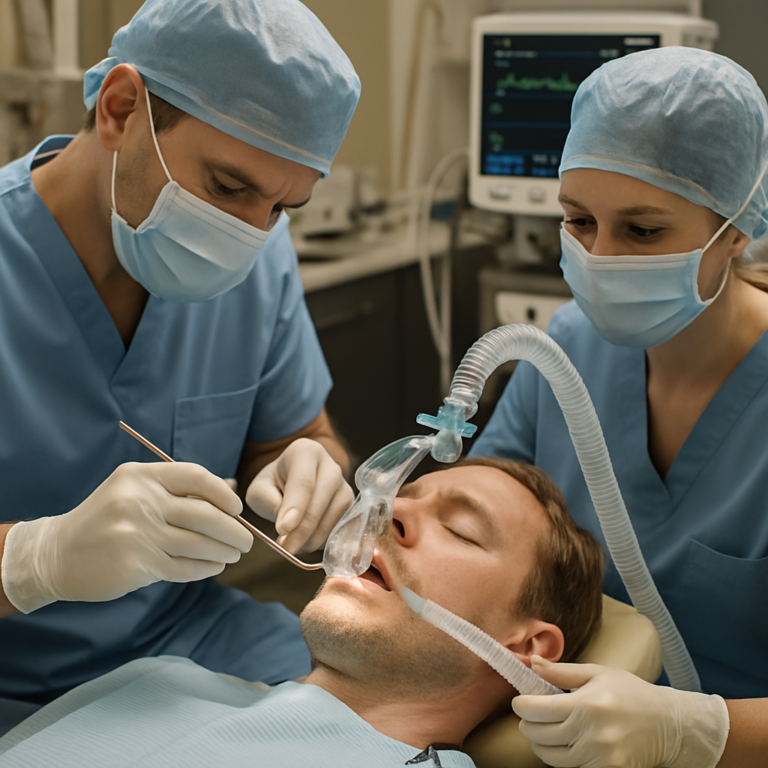
Understanding London Bruxism Bruxism, often characterised by the involuntary grinding or clenching of teeth, is a condition that has drawn increasing attention within urban centres, particularly in the context of London Bruxism. This phenomenon appears to be exacerbated by the fast-paced lifestyle and stressors inherent to city living. Many individuals in London find themselves unknowingly …

Understanding London Bruxism
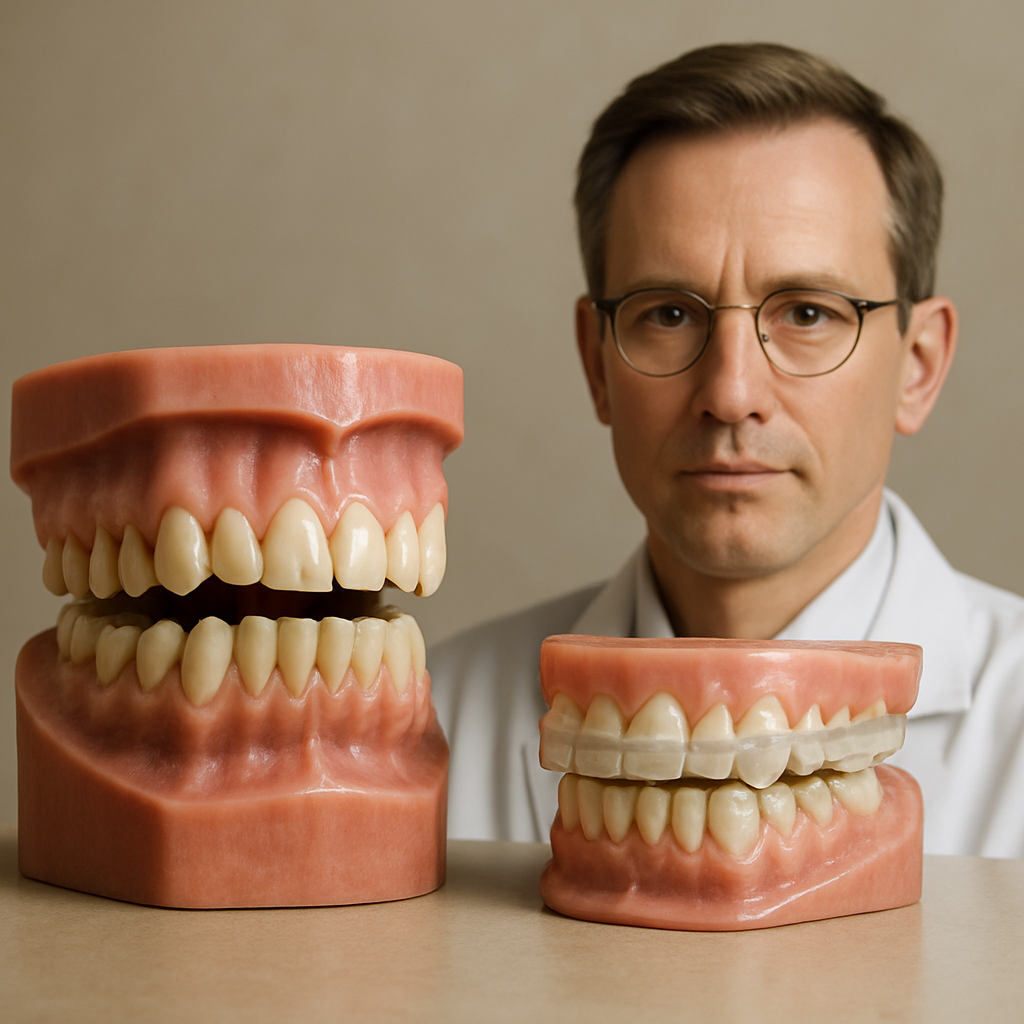
Bruxism, often characterised by the involuntary grinding or clenching of teeth, is a condition that has drawn increasing attention within urban centres, particularly in the context of London Bruxism. This phenomenon appears to be exacerbated by the fast-paced lifestyle and stressors inherent to city living. Many individuals in London find themselves unknowingly engaging in this behaviour, particularly during sleep or periods of high tension, leading to significant dental and health implications.
The prevalence of London Bruxism is alarming, with studies indicating that a substantial proportion of the population experiences this issue. Symptoms may include worn dental enamel, facial pain, and headaches, which not only affect an individual’s quality of life but can also lead to long-term dental complications. As awareness grows, dental professionals in London are increasingly keen to educate patients on recognising the signs and implementing preventative measures.
Addressing London Bruxism requires a multifaceted approach. Stress management techniques, such as mindfulness and relaxation exercises, can be pivotal in reducing the frequency of teeth grinding episodes. Additionally, custom-made dental guards may be recommended to protect against damage during sleep. By promoting awareness and proactive treatment strategies, dental practitioners play a crucial role in alleviating the burden of London Bruxism on the city’s residents.
Ultimately, understanding the implications of this condition is essential for both healthcare providers and patients alike, fostering a community that prioritises oral health and overall wellbeing amidst the challenges of urban life.

What is Bruxism?
Bruxism, a condition characterised by the involuntary grinding or clenching of teeth, is a common issue that affects numerous individuals. This habit can occur during the day or night, often unnoticed, leading to various complications. One of the primary concerns surrounding London Bruxism is its potential to cause significant dental damage, including enamel wear, fractures, and even tooth loss. Moreover, bruxism can contribute to jaw pain, headaches, and other muscular disorders, severely impacting quality of life.
The exact causes of bruxism remain somewhat unclear; however, stress and anxiety are frequently cited as major contributors. In bustling cities like London, the fast-paced lifestyle may exacerbate these underlying issues, leading to increased occurrences of London Bruxism. Other factors such as sleep disorders, misalignment of teeth, or certain medications can also play a role in this condition.
Effective management of bruxism often requires a multifaceted approach. Dentists may recommend custom-fitted mouthguards to protect teeth during sleep, while behavioural therapies can assist in addressing the psychological aspects that may contribute to London Bruxism. Furthermore, lifestyle modifications such as stress reduction techniques and proper sleep hygiene are crucial for those affected.
For comprehensive treatment options and expert guidance, it is advisable to consult a specialist. For more information, visit this resource to explore various approaches to managing London Bruxism and improving overall dental health. Understanding and addressing bruxism is essential for preserving not only dental integrity but also enhancing one’s overall wellbeing.
Causes of Bruxism in London
In recent years, the phenomenon of teeth grinding has gained significant attention, particularly within urban settings. One of the key factors contributing to this condition is the high-stress lifestyle commonly associated with city living. In London Bruxism, stress and anxiety can manifest physically as individuals clench or grind their teeth, often unconsciously. The fast-paced environment of London, coupled with long working hours, can intensify these stress levels, leading to an increase in bruxism cases.
Moreover, environmental factors also play a critical role. The hustle and bustle of London can disrupt sleep patterns, leading to insufficient rest. Poor sleep is a substantial risk factor for London Bruxism, as fatigue can exacerbate the tendency to grind one’s teeth during sleep. Additionally, lifestyle choices, such as excessive caffeine and alcohol consumption, prevalent among London’s busy professionals, have also been linked to bruxism.
Dental health practitioners in London are increasingly recognising the importance of holistic treatment approaches. Addressing underlying issues such as stress management and sleep hygiene is essential in treating London Bruxism effectively. Furthermore, educational initiatives are crucial; raising awareness about the causes and consequences of bruxism can empower individuals to seek help sooner. As more people in London become aware of this condition, the hope is that preventative measures can be adopted, reducing the prevalence of London Bruxism in the long term.
Traditional Dentistry Approaches
In the field of dentistry, various traditional approaches have long been employed to address a plethora of oral health issues. These methods, often rooted in centuries of practice, continue to play a vital role in patient care today. A significant concern among dental professionals is London Bruxism, a condition characterised by the grinding or clenching of teeth, often occurring unconsciously during sleep. Traditional practices for managing London Bruxism typically include custom-fitted dental guards, which serve to protect the teeth from excessive wear and alleviate associated discomfort.
Moreover, educational initiatives aimed at increasing awareness of the symptoms and causes of London Bruxism are essential. Patients are often encouraged to adopt lifestyle changes, such as stress management techniques and modifications in dietary habits, which can significantly impact the severity of the condition. Regular consultations with a dentist can also help in monitoring the situation and making timely adjustments to treatment plans.
In addition to preventive measures, traditional dentistry often employs restorative techniques to repair damage caused by London Bruxism. This may involve procedures such as crowns, fillings, or even orthodontic treatments to realign the bite. Dentists leverage their expertise in traditional approaches while continually adapting to modern advancements, ensuring a comprehensive treatment plan tailored to individual needs.
For those seeking a deeper understanding of dental practices and their evolution, exploring resources like this link can provide valuable insights into the intricacies of the field. Ultimately, traditional dentistry remains a cornerstone in the ongoing battle against dental issues, including London Bruxism, underscoring the importance of informed and proactive dental care.
Conventional Treatments for Bruxism
Bruxism, a condition characterised by the involuntary grinding or clenching of teeth, often occurs during sleep or periods of stress. For many individuals suffering from this ailment, particularly those residing in London, the search for effective treatments is essential. Conventional methods typically focus on alleviating symptoms and preventing further dental damage.
One of the most common approaches involves the use of custom-made dental splints or night guards. These devices are designed to be worn during sleep, providing a barrier between the upper and lower teeth, thus reducing wear and tear. Patients experiencing London Bruxism can often find significant relief by incorporating these splints into their nightly routine.
In addition to dental appliances, behavioural therapies have proven beneficial. Stress management techniques, such as cognitive behavioural therapy (CBT), aim to address the underlying causes of grinding, particularly in adults who may be experiencing heightened anxiety in their daily lives. Furthermore, some healthcare professionals recommend relaxation exercises and mindfulness practices, which can be easily integrated into the daily lives of those suffering from London Bruxism.
Pharmacological treatments may also be considered for more severe cases. Muscle relaxants and anti-anxiety medications have been prescribed to help manage the symptoms associated with bruxism. However, caution is advised, and such interventions should always be overseen by a qualified professional.
Overall, addressing London Bruxism requires a multifaceted approach, combining dental solutions with lifestyle modifications. By understanding and implementing these conventional treatments, individuals can take significant steps towards alleviating their symptoms and preserving their dental health.
Limitations of Traditional Methods
In the realm of dental health, particularly concerning London Bruxism, traditional methods of assessment and treatment often fall short. These conventional approaches typically rely on visual examinations and patient self-reports, which can be subjective and inconsistent. As a result, dental professionals may overlook subtle signs of bruxism that could lead to significant long-term consequences.
Moreover, traditional treatments such as mouthguards and behavioural therapies address the symptoms rather than the underlying causes of London Bruxism. While these methods provide temporary relief, they do not delve deeply into the psychological or physiological factors contributing to the condition. Consequently, patients may find themselves trapped in a cycle of ineffective treatments, leading to increased frustration and ongoing dental issues.
Another limitation lies in the technology employed for diagnosis. Many dental clinics in London still utilise outdated diagnostic tools that fail to provide a comprehensive view of a patient’s bruxism patterns. Advanced monitoring techniques, such as electromyography or digital occlusal analysis, remain underutilised, depriving practitioners of the opportunity to implement targeted interventions based on accurate data.
In a city like London, where stress levels are notably high, understanding and addressing London Bruxism requires a more nuanced approach. Professionals must embrace innovative methodologies that incorporate both modern technology and a holistic understanding of the patient’s lifestyle. By doing so, they can move beyond the restrictions imposed by traditional methods, ultimately fostering better patient outcomes and enhancing overall dental health.
Modern Approaches to London Bruxism
The prevalence of bruxism has become increasingly apparent in urban settings, particularly in London, where the fast-paced lifestyle often leads to heightened stress levels. Consequently, addressing London Bruxism has emerged as a significant concern for dental professionals and health practitioners alike. Traditional approaches primarily focused on physical interventions, such as mouthguards and dental adjustments, but contemporary methods are evolving to encompass a more holistic perspective.
Modern strategies for managing London Bruxism advocate for a multidisciplinary approach, integrating psychological support alongside dental care. Cognitive behavioural therapy (CBT) has gained recognition as an effective tool, helping individuals to manage stress and anxiety, which are frequently linked to bruxism. Additionally, mindfulness and relaxation techniques are being introduced as supplementary practices, empowering patients to address the underlying causes of their condition.
Furthermore, technological advancements play a crucial role in the landscape of London Bruxism management. Innovative diagnostic tools enable practitioners to monitor patients’ grinding patterns more accurately, enhancing personalised treatment plans. Wearable devices that track stress levels and suggest coping mechanisms are now available, allowing for a proactive approach to dental health.
As the understanding of London Bruxism continues to expand, the focus is shifting from merely treating symptoms to implementing comprehensive, preventive strategies that address the root causes. By embracing these modern approaches, dental professionals in London can provide more effective, lasting solutions for their patients, ultimately leading to improved oral health and overall well-being.
Innovative Therapies and Technologies

The emergence of novel therapeutic approaches and advanced technologies has significantly reshaped various medical fields, particularly in dentistry and oral health. Among these innovations, the management of London Bruxism has garnered considerable attention, as it affects a substantial portion of the population. Recent studies highlight the potential of tailored treatments that incorporate both biofeedback mechanisms and state-of-the-art dental devices, allowing for a more precise and personalised approach to care.
One promising advancement is the integration of smart technology into dental appliances designed for patients suffering from London Bruxism. These devices can monitor grinding activity, providing real-time data to both patients and practitioners. The information gathered enables dental professionals to assess the severity of the condition and adjust treatment plans accordingly. Furthermore, the use of digital imaging and 3D printing technology facilitates the creation of customised night guards, enhancing comfort and efficacy for individuals experiencing London Bruxism.
In addition to technological innovations, therapeutic methods such as cognitive behavioural therapy (CBT) are being effectively utilised to address the psychological factors that contribute to London Bruxism. By combining these innovative therapies with technological advancements, healthcare providers can offer a more holistic approach that not only alleviates the symptoms but also addresses the underlying causes.
The future of dental care in relation to London Bruxism is indeed promising, reflecting a broader trend towards integrating innovation and personalised medicine across healthcare sectors. As research evolves, the continuous development of such therapies and technologies will undoubtedly improve patient outcomes, ensuring that individuals can live without the disruptions caused by bruxism.

The Role of Holistic Practices
In recent years, there has been a significant shift towards integrating holistic practices in various health and wellness sectors. This approach not only addresses physical symptoms but also considers mental, emotional, and spiritual well-being. Particularly in urban areas like London, where stress and lifestyle-related issues are prevalent, the relevance of holistic methods cannot be overstated.
A case in point is London Bruxism, a condition that often results from heightened stress and anxiety. The integration of holistic practices, such as mindfulness and relaxation techniques, has shown promise in alleviating the symptoms associated with this disorder. By focusing on the individual as a whole, practitioners aim to identify the underlying causes of London Bruxism rather than merely treating the symptoms. Techniques such as yoga, meditation, and dietary adjustments can be especially beneficial, promoting a more balanced lifestyle.
Moreover, the role of stress management cannot be overlooked. In a fast-paced environment like London, addressing factors contributing to London Bruxism through holistic means can lead to significant improvements in overall health. As awareness grows, more individuals are seeking out practitioners who can offer comprehensive support that encompasses both traditional medical approaches and holistic strategies.
As the health landscape continues to evolve, the emphasis on holistic practices will likely become more pronounced, particularly in addressing conditions such as London Bruxism. This shift encourages healthcare professionals to adopt a more integrative approach, ultimately leading to improved quality of life for those affected.
Comparing Traditional and Modern Solutions
In recent years, the landscape of addressing dental issues has transformed significantly, particularly in relation to London Bruxism. Traditionally, patients suffering from this condition would often rely on night guards and other mechanical solutions to alleviate discomfort and prevent damage to their teeth. While these methods can be effective, they often fail to address the underlying causes of bruxism, such as stress and anxiety.
Modern approaches have introduced a more holistic perspective. For instance, dental professionals in London are increasingly turning to behavioural therapies and relaxation techniques to tackle the root causes of London Bruxism. This shift is crucial, as it recognises that physical solutions alone may not provide a long-term remedy. Incorporating stress management strategies, such as cognitive behavioural therapy, can enhance treatment outcomes and empower patients in managing their condition.
Moreover, technological advancements have also played a significant role in modern treatments. Innovations such as biofeedback devices and custom-fitted splints can offer improved comfort and effectiveness compared to traditional methods. These contemporary solutions are designed to monitor muscle activity and provide real-time feedback, allowing patients to develop greater awareness of their bruxism habits.
As the field evolves, it is clear that addressing London Bruxism requires a multifaceted approach. The combination of behavioural strategies, advanced technology, and ongoing support from dental professionals provides a comprehensive framework for managing this condition effectively. Ultimately, the move from traditional to modern solutions not only enhances patient satisfaction but also paves the way for a healthier dental future in London.
Effectiveness of Each Approach
Understanding the nuances of various approaches to managing London Bruxism is essential for both practitioners and patients alike. Each method exhibits unique strengths and weaknesses, influencing the overall effectiveness in alleviating symptoms. For instance, behavioural therapies have gained traction due to their holistic focus, addressing the psychological triggers often associated with bruxism. Techniques such as cognitive behavioural therapy not only help patients gain insight into their habits but also empower them to develop healthier coping mechanisms.
In contrast, the use of dental splints and mouthguards presents a more mechanical solution, providing immediate relief by preventing tooth damage and minimising jaw strain. While many patients find these devices beneficial, their effectiveness can vary significantly based on individual compliance and comfort levels. Consequently, personalised approaches tend to yield the best outcomes, particularly for those suffering from London Bruxism.
Moreover, pharmacological interventions, such as muscle relaxants or anti-anxiety medications, can offer symptom relief, yet they must be approached cautiously due to potential side effects and dependency issues. Therefore, a comprehensive treatment plan that combines multiple strategies often proves most effective in managing London Bruxism.
Ultimately, the effectiveness of each approach hinges on thorough patient assessment and tailored interventions. By understanding the specific needs of individuals, healthcare professionals can better navigate the complexities surrounding London Bruxism, ensuring patients receive optimal care tailored to their unique situations. The interplay of these methods can lead to significant improvements in quality of life for those grappling with this condition.
Patient Experiences in London
In recent years, patient experiences have taken centre stage in healthcare discussions, particularly in urban settings like London. The diverse population in this vibrant city presents unique challenges and opportunities for healthcare providers to enhance their services. Among the various health concerns faced by residents, London Bruxism has emerged as a significant issue, impacting many individuals’ quality of life. This condition, characterised by involuntary teeth grinding or jaw clenching, often leads to discomfort and can have broader implications for overall health.
Several factors contribute to the prevalence of London Bruxism, ranging from high levels of stress associated with urban living to the pressures of a fast-paced lifestyle. Patients have reported that their experiences frequently include difficulty finding appropriate treatment options and support. Healthcare providers in London must, therefore, adopt a patient-centred approach, tailoring their services to address the specific needs and preferences of those experiencing London Bruxism. This involves not only providing effective dental care but also offering resources aimed at stress management and lifestyle adjustments.
Furthermore, increasing awareness about London Bruxism among both patients and healthcare practitioners is crucial. Educational initiatives can empower individuals to recognise the symptoms early and seek timely intervention. Ultimately, by focusing on improved patient experiences and understanding the complexities surrounding London Bruxism, the healthcare community can foster a more responsive and effective system that prioritises the well-being of patients in London.
Choosing the Right Treatment for You
Understanding the intricacies of treatment options is paramount for those grappling with dental concerns, particularly when dealing with conditions such as London Bruxism. This ailment, characterised by the grinding or clenching of teeth, can lead to a multitude of complications if not addressed properly. For individuals residing in the capital, selecting the most suitable course of action involves an astute evaluation of personal symptoms, lifestyle, and the severity of the condition.
First and foremost, it is essential to consult with a dental professional who is well-versed in London Bruxism. They can provide a tailored assessment, often recommending a dental examination and possibly imaging to gauge the extent of any damage caused by grinding. Based on this evaluation, various treatment options may be suggested, including the use of customised night guards, which can help mitigate the effects of teeth grinding and reduce discomfort.
In addition, behavioural therapies may be valuable for managing stress, as anxiety often exacerbates London Bruxism. Cognitive behavioural therapy, for instance, can help individuals develop coping strategies that minimise clenching episodes. Furthermore, some may benefit from specific pharmacological interventions aimed at reducing muscle tension during sleep.
Ultimately, the decision on how to proceed should be made collaboratively between the patient and their dental practitioner. Being informed about the nuances of London Bruxism and the available treatments ensures a more proactive approach to oral health, leading to improved outcomes and a better quality of life.
Factors to Consider
When addressing the complexities surrounding dental health, particularly concerning conditions such as teeth grinding, it is crucial to evaluate several key factors. Understanding the nuances of London Bruxism can significantly enhance treatment outcomes and patient satisfaction. First and foremost, one must consider the underlying causes, which can range from stress and anxiety to misaligned teeth. Recognising these triggers is essential in tailoring a treatment plan that addresses not just the symptoms but the root of the problem.
Another vital aspect to consider is the demographic profile of the patients experiencing London Bruxism. Age, lifestyle choices, and occupation can all influence the prevalence and severity of this condition. For instance, professionals in high-stress careers may exhibit higher rates of bruxism, necessitating specific interventions. Moreover, the impact of London Bruxism on overall health cannot be overlooked. It can lead to significant dental issues, such as tooth wear and jaw pain, which may further exacerbate psychological stress.
Additionally, treatment options vary widely, from behavioural therapies to the use of night guards. The selection of an appropriate strategy should be informed by thorough assessments, taking into account the individual’s history and preferences. As awareness of London Bruxism continues to grow, so too does the importance of interdisciplinary cooperation among healthcare professionals. Those in fields ranging from dentistry to mental health must collaborate to provide comprehensive care, ensuring that patients receive holistic treatments that address both the physical and emotional dimensions of bruxism.
Consulting with a London Specialist

Navigating the complexities of oral health issues can be daunting, particularly when it comes to conditions like bruxism. Engaging with a specialist in London is essential for individuals seeking tailored advice and treatment options. The prevalence of London Bruxism has surged in recent years, often exacerbated by the fast-paced lifestyle and heightened stress levels characteristic of urban living. A specialist can provide a comprehensive assessment, determining the underlying causes of this condition and recommending effective strategies for management.
Consulting with a professional in London means accessing a wealth of experience and cutting-edge techniques. Specialists understand that London Bruxism not only affects dental health but can also lead to significant psychological stress and discomfort. By employing advanced diagnostic tools, they can identify the extent of tooth wear and the necessity for interventions. Treatment plans may include the use of night guards, stress management techniques, and lifestyle modifications tailored to the unique circumstances of each patient.
Moreover, a London-based expert in bruxism is well-versed in the latest research and trends impacting dental health. By focusing on London Bruxism, they can incorporate innovative methods into their practice, enhancing patient outcomes. Whether you are experiencing symptoms or are keen on preventing the onset of bruxism, consulting with a local specialist is a proactive step towards achieving optimal oral health. In a city as dynamic as London, the right support can make all the difference in managing this common yet impactful condition.