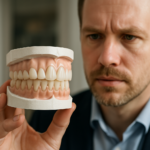
Introduction to London Bruxism In recent years, there has been an increasing awareness of London Bruxism, a condition characterised by the involuntary grinding or clenching of teeth, often during sleep. This phenomenon has become a significant concern within the dental community, particularly in urban environments like London, where stress and lifestyle factors may contribute to …

Introduction to London Bruxism

In recent years, there has been an increasing awareness of London Bruxism, a condition characterised by the involuntary grinding or clenching of teeth, often during sleep. This phenomenon has become a significant concern within the dental community, particularly in urban environments like London, where stress and lifestyle factors may contribute to its prevalence. Understanding London Bruxism is crucial for both dental professionals and individuals affected by the condition, as it can lead to a variety of complications, including tooth wear, jaw pain, and temporomandibular joint disorders.
The aetiology of London Bruxism is multifaceted, often intertwining psychological stressors, lifestyle choices, and even dietary habits. In a bustling metropolis, individuals frequently encounter heightened stress levels, which can exacerbate the incidence of teeth grinding. Moreover, the fast-paced lifestyle prevalent in London can lead to irregular sleep patterns, further intensifying the likelihood of bruxism episodes.
Addressing London Bruxism requires a comprehensive approach, integrating both preventive and therapeutic strategies. Dental practitioners are encouraged to educate patients on the importance of relaxation techniques and stress management, alongside recommending potential interventions such as custom night guards. Furthermore, collaboration among healthcare providers, including psychologists and physiotherapists, may enhance the overall management of this condition.
In summary, London Bruxism poses a growing challenge that necessitates increased awareness and proactive measures from various stakeholders within the health sector. By fostering a deeper understanding of its implications, we can better support affected individuals and mitigate the long-term effects associated with this disorder.

What is Bruxism?
Bruxism is a condition characterised by the involuntary grinding or clenching of teeth, often occurring during sleep or periods of stress. This phenomenon can lead to a variety of dental problems, including tooth wear, jaw pain, and headaches. The stressors that contribute to this condition are numerous, ranging from psychological factors to sleep disturbances. Individuals living in urban environments, such as those dealing with the pressures of London Bruxism, often experience heightened levels of stress, which can exacerbate the tendency to grind one’s teeth.
The physical repercussions of bruxism can be quite severe. Chronic grinding can lead to damaged enamel, increased sensitivity, and even temporomandibular joint (TMJ) disorders. Recognising the symptoms early is crucial to mitigating long-term effects. Many patients are unaware that they are engaging in this behaviour until they experience pain or dental issues.
In London Bruxism, the prevalence of this condition has prompted a surge in discussions surrounding effective management strategies. Dental professionals recommend several approaches, including the use of custom-fitted mouthguards, stress management techniques, and lifestyle modifications. These interventions are designed to alleviate symptoms and protect dental health.
For those seeking comprehensive solutions to combat London Bruxism, consulting with specialised dental clinics can provide invaluable insights. Engaging with professionals who understand the nuances of this condition is essential for effective treatment. Explore more about this topic and find a tailored approach by visiting leading dental clinics for expert guidance in managing bruxism effectively.
Causes and Symptoms of Bruxism
Bruxism, the involuntary grinding of teeth, often occurs during sleep or periods of stress, leading to a range of dental and health complications. In London, where the fast-paced lifestyle contributes to heightened anxiety, the prevalence of London Bruxism has become increasingly concerning. Various factors can contribute to this condition, including stress, anxiety, sleep disorders, and even certain medications. It is essential for dental professionals to recognise the signs early, as untreated bruxism can result in significant wear on tooth enamel, jaw pain, and tension headaches.
The symptoms of London Bruxism can vary greatly among individuals. Many sufferers may be unaware of their condition until they experience associated complications or are informed by a dental professional during a routine check-up. Common symptoms include the audible grinding noise during sleep, jaw soreness upon waking, and increased tooth sensitivity. Furthermore, some individuals may notice changes in their bite or even develop temporomandibular joint disorders, often referred to as TMJ.
In addressing London Bruxism, it’s crucial for practitioners to consider both physical and psychological aspects. Effective management might involve stress reduction techniques, the use of night guards, or, in some cases, therapeutic interventions. Understanding the multifaceted nature of bruxism enables healthcare providers to offer comprehensive care that addresses both the immediate symptoms and the underlying causes, ultimately improving the quality of life for those affected.
Understanding the Psychological Impact
The psychological dimensions surrounding dental health and related conditions often go overlooked, yet they play a crucial role in overall well-being. One such condition, London Bruxism, is not just a physical ailment, but also a source of significant mental strain for many individuals. This involuntary clenching or grinding of teeth frequently occurs during sleep, and its repercussions can extend beyond dental issues, leading to heightened anxiety and disrupted sleep patterns.
Individuals suffering from London Bruxism may experience a cycle of fatigue and stress that exacerbates their condition. As the teeth suffer from wear and tear, patients often report feelings of embarrassment and frustration. These emotions can lead to a further decline in mental health, creating a feedback loop where stress intensifies bruxism, and bruxism, in turn, increases stress levels. Furthermore, the societal pressures and stigma associated with dental imperfections may also contribute to feelings of inadequacy, further complicating one’s psychological state.
Addressing London Bruxism necessitates a multifaceted approach, focusing not only on dental treatment but also on mental health support. Cognitive-behavioural strategies, relaxation techniques, and professional counselling can significantly aid those affected, fostering a sense of empowerment and control over their condition. It’s imperative for professionals within the dental field to recognise the interconnectedness of physical and psychological health, ensuring that patients receive comprehensive care. For further insights into dental health and practices, you may refer to this relevant resource. Understanding the mental impact of such dental conditions is crucial in promoting holistic well-being for all patients.
Anxiety and Stress Related to Bruxism
The intricate relationship between mental health and physical well-being is becoming increasingly recognised in contemporary health discussions. One such manifestation of this connection is observed in teeth grinding, a condition known as bruxism, which can often be exacerbated by anxiety and stress. In the bustling environment of London, where pressures of daily life can spike, many individuals are unaware that their coping mechanisms may contribute to the worsening of London Bruxism.
Individuals experiencing high levels of stress may subconsciously grind their teeth, particularly during sleep. This involuntary behaviour not only leads to dental complications but can also amplify feelings of anxiety, creating a vicious cycle that is difficult to escape. As stress levels rise, the likelihood of developing London Bruxism also increases, making it essential for professionals to address mental health alongside physical symptoms.
Moreover, the impact of London Bruxism is not confined to dental health; it can influence overall quality of life. Symptoms such as jaw pain, headaches, and disrupted sleep can further exacerbate psychological distress, leading to a detrimental feedback loop of anxiety and bruxism. Therefore, interventions should encompass both dental and psychological strategies, helping individuals manage stress effectively while alleviating the physical manifestations of London Bruxism.
In conclusion, recognising the interplay between anxiety, stress, and bruxism is crucial in providing holistic care. As we delve deeper into understanding London Bruxism, it becomes clear that addressing mental health is paramount in breaking the cycle of discomfort and distress.
The Emotional Toll of Uncontrolled Teeth Grinding
The impact of insufficiently addressed bruxism extends far beyond mere dental concerns, infiltrating emotional wellbeing and overall quality of life. Individuals affected by London Bruxism often endure a silent struggle as the repetitive grinding of teeth, usually occurring during sleep, leads to chronic pain, sleep disturbances, and heightened anxiety levels. Many are unaware that this condition, which affects countless people in urban areas, can profoundly influence emotional health, resulting in irritability, stress, and even depression.
The relationship between London Bruxism and emotional distress is complex; the physical manifestation of the condition often triggers a psychological response. Persistent discomfort can lead to a cycle where anxiety about the pain causes further grinding, thus exacerbating the issue. This interplay highlights the necessity for a holistic approach to treatment, addressing both the symptoms and the root causes.
Moreover, the social implications of bruxism cannot be overlooked. Affected individuals might withdraw from social situations due to embarrassment about their condition or fear of judgement, leading to increased feelings of isolation. In bustling cities like London, where social interactions are crucial, the emotional toll of London Bruxism can significantly detract from personal and professional relationships.
It is imperative for individuals experiencing the effects of this condition to seek professional guidance. Understanding the emotional repercussions associated with London Bruxism is essential in fostering a supportive environment that promotes effective management strategies, ultimately leading to improved mental health and a better quality of life.
The Connection Between Bruxism and Mental Health
Bruxism, or the involuntary grinding and clenching of teeth, is increasingly recognised as a significant concern that intertwines with various aspects of mental health. In particular, research indicates a pronounced link between London Bruxism and stress-related disorders. Individuals experiencing high levels of anxiety or stress are more prone to exhibit bruxism, often as an unconscious response to psychological pressure. The ramifications of this condition extend beyond dental health, potentially leading to chronic pain, fatigue, and sleep disturbances, all of which can further exacerbate mental health issues.
The nexus between London Bruxism and emotional well-being necessitates a comprehensive approach to treatment. Addressing the underlying psychological factors is crucial, as merely mitigating the symptoms of bruxism through dental solutions may not suffice. Therapies focusing on stress management, such as cognitive behavioural therapy, can be particularly beneficial. Furthermore, mindfulness techniques have shown promise in reducing the frequency and intensity of bruxism, thus improving overall mental health outcomes.
Professionals in the dental and mental health sectors should collaborate to ensure that patients receive holistic care. Regular assessments for London Bruxism should be conducted, particularly for those known to suffer from anxiety or mood disorders. An interdisciplinary approach not only aids in the management of bruxism but also fosters a better understanding of how mental health challenges can manifest physically. Ultimately, recognising the connection between these two aspects can lead to more effective interventions and improved quality of life for those affected.
Bruxism as a Symptom of Underlying Issues
Bruxism often manifests as an involuntary grinding or clenching of teeth, and while many perceive it merely as an inconvenient habit, it often signifies deeper underlying issues. Professionals in dental and psychological fields are increasingly recognising the link between London Bruxism and stress-related disorders, anxiety, and even sleep disturbances. Those afflicted frequently report heightened tension in their jaw muscles, coupled with other physical symptoms that suggest an emotional or psychological component.
In London, where the fast-paced lifestyle can exacerbate stress, the prevalence of London Bruxism has risen alarmingly. It is essential for practitioners to understand that addressing bruxism effectively requires a holistic approach. Rather than merely treating the symptoms, it is crucial to delve into the root causes. Many patients may not even be aware of their grinding habits until they experience pain or noticeable wear on their teeth, indicating that education plays a vital role in management.
Furthermore, it is imperative to consider the contribution of lifestyle factors, such as excessive caffeine intake or irregular sleep patterns, which can trigger or worsen London Bruxism. Dentists and psychologists must collaborate closely to create tailored treatment plans that mitigate these factors while promoting overall well-being. Through this integrated approach, it becomes possible to alleviate the symptoms of London Bruxism, providing not just relief but also a pathway to addressing the underlying issues that contribute to this condition.
The Importance of Mental Wellbeing in Managing Bruxism

Mental wellbeing plays a crucial role in the management of various health conditions, including bruxism, a condition often exacerbated by stress and anxiety. Those grappling with London Bruxism must consider the psychological aspects that contribute to teeth grinding and jaw clenching. The connection between mental health and physical manifestations like bruxism is well-documented; anxiety and stress can create a cycle where tension leads to further mental strain, perpetuating the problem.
In the bustling environment of London, the pressures of daily life can be overwhelming. Individuals may find themselves unconsciously grinding their teeth, leading to severe dental issues and chronic pain. Therefore, addressing mental wellbeing is essential for effective management. Techniques such as mindfulness, cognitive behavioural therapy, and relaxation exercises can significantly alleviate the psychological stress that often triggers London Bruxism.
Moreover, developing robust support systems, including speaking with dental professionals who understand the complexities of the condition, can foster a healthier mindset. By integrating mental health strategies into treatment plans, patients can mitigate the adverse effects of London Bruxism. This holistic approach not only aids in reducing symptoms but also enhances overall quality of life.
In essence, prioritising mental wellbeing is integral to breaking the cycle of London Bruxism. By recognising the interplay between mind and body, individuals can take proactive steps towards both dental health and their psychological state, ultimately fostering resilience against this often-overlooked affliction.

12 Safe Strategies to Overcome London Bruxism
Bruxism, particularly prevalent in urban environments, has become a significant concern for many individuals in London. The pressures of urban life, coupled with the fast-paced lifestyle, can often lead to increased stress and anxiety, which are major contributors to this condition. Individuals suffering from London Bruxism may experience a host of symptoms, including jaw pain, headaches, and disrupted sleep patterns. Fortunately, there are several effective strategies available to combat this issue.
One of the foremost methods is stress management. Techniques such as mindfulness meditation and yoga can be invaluable in alleviating the tension that contributes to London Bruxism. Additionally, maintaining a consistent sleep routine is crucial; this not only helps in reducing anxiety but also fosters better overall health. Engaging in regular physical activity can act as a natural stress reliever, further diminishing the likelihood of teeth grinding.
Moreover, it’s advisable to avoid stimulants like caffeine and nicotine, particularly in the hours leading up to bedtime. These substances can exacerbate symptoms associated with London Bruxism. Another practical strategy involves using a mouthguard, especially at night, to protect teeth and alleviate tension on the jaw.
Incorporating relaxation techniques, such as deep breathing exercises, into one’s daily routine can also mitigate the impact of stress on the body. Ultimately, recognising the signs of London Bruxism and taking proactive measures can lead to a healthier, more comfortable lifestyle, allowing individuals to thrive amidst the relentless rhythm of London life.
Mindfulness and Relaxation Techniques
In today’s fast-paced world, the importance of integrating mindfulness and relaxation techniques into our daily routines cannot be overstated. For those affected by London Bruxism, these practices can serve as invaluable tools to mitigate stress and promote overall well-being. Bruxism, a condition characterised by teeth grinding and jaw clenching, often exacerbates due to heightened anxiety, making relaxation strategies paramount for individuals seeking relief.
Engaging in mindfulness activities such as meditation or deep-breathing exercises can significantly reduce the tension that contributes to London Bruxism. These techniques not only help in calming the mind but also foster a greater awareness of physical sensations, enabling individuals to recognise and address their stress responses more effectively. Incorporating regular relaxation practices, such as progressive muscle relaxation or yoga, can further aid in alleviating the physical symptoms associated with London Bruxism.
It is essential to establish a consistent routine that allows for moments of tranquillity, particularly for those residing in bustling cities like London. By dedicating time each day to these mindfulness and relaxation techniques, individuals can cultivate a healthier mindset and reduce the likelihood of bruxism episodes. Ultimately, the interplay between mental and physical health is profound; by emphasising relaxation, one can not only combat London Bruxism but also enhance their overall quality of life. Prioritising these practices is a proactive step towards achieving a harmonious balance amidst the pressures of modern living.
Seeking Professional Help and Therapy
In an increasingly fast-paced world, the importance of seeking professional assistance for mental health concerns cannot be overstated. Many individuals suffer from conditions such as anxiety and stress, which can greatly affect their quality of life. For instance, London Bruxism is a common issue, where chronic teeth grinding and jaw clenching can be a physical manifestation of underlying emotional stress. This condition not only leads to dental problems but can also exacerbate mental health challenges.
Engaging in therapy can provide a safe space to explore these issues, offering tools and strategies to manage stress and anxiety effectively. Therapy encourages individuals to articulate their feelings, which can be particularly beneficial for those struggling with London Bruxism. The tension associated with this condition often stems from unresolved emotional conflict, making professional help vital for addressing its root causes.
Moreover, therapists can offer guidance on relaxation techniques and coping strategies that may alleviate the symptoms of London Bruxism. They can also assist in identifying triggers, fostering an understanding of how emotional health impacts physical well-being. Many people find the journey towards self-improvement begins with acknowledging the need for help and seeking the right support.
In a city as bustling as London, individuals often neglect their mental health, allowing issues like London Bruxism to escalate. Therapy not only addresses the symptoms but also fosters resilience, enabling individuals to lead more fulfilling lives. Embracing professional support is a significant step towards better mental and physical health for those affected by such conditions.
Developing a Healthy Sleep Routine
Establishing a consistent sleep routine is essential for overall well-being, particularly for those affected by conditions such as London Bruxism. The importance of sufficient rest cannot be overstated, as it influences various aspects of health, from mental clarity to physical resilience. A well-structured sleep schedule supports the body’s natural circadian rhythms, promoting restorative sleep cycles that can mitigate the frequency and intensity of issues related to London Bruxism.
To cultivate a healthy sleep routine, begin by setting a regular bedtime and wake-up time, even on weekends. This consistency helps regulate your body’s internal clock, enhancing the quality of your sleep. Additionally, creating a serene sleep environment is crucial. Consider factors such as light, temperature, and noise; a dark, cool, and quiet room significantly contributes to improved sleep quality, which can be particularly beneficial for those suffering from London Bruxism.
Engaging in relaxation techniques before bed, such as reading or meditation, can further aid in winding down and preparing for sleep. Avoiding stimulants like caffeine and electronic devices in the hour leading up to bedtime is also recommended, as these can disrupt your ability to fall asleep and exacerbate symptoms of London Bruxism.
In summary, by implementing a structured sleep routine and mindfulness practices, individuals can enhance their overall sleep quality. This, in turn, may reduce the adverse effects associated with London Bruxism, promoting a healthier, more balanced life.
The Role of Dental Devices
In contemporary dentistry, the integration of advanced dental devices has become paramount in addressing various oral health challenges, particularly those arising from conditions such as London Bruxism. This involuntary grinding or clenching of teeth not only leads to significant dental wear but can also contribute to jaw pain and headaches. Therefore, dental practitioners must utilise an array of devices designed to mitigate such issues effectively.
One of the most prevalent solutions for patients suffering from London Bruxism is the custom night guard. These devices are moulded to fit the patient’s dental anatomy, providing a protective barrier that absorbs the forces exerted during grinding. This not only preserves the integrity of the teeth but also promotes a more restful night’s sleep, free from the discomfort associated with this condition.
Moreover, advancements in technology have led to the development of more sophisticated appliances, such as splints and myofunctional devices, which not only address London Bruxism but also help in correcting underlying issues related to jaw alignment and muscle tension. These innovative solutions are essential for comprehensive treatment, ensuring that both the symptoms and root causes of bruxism are effectively managed.
Furthermore, the role of dental devices extends beyond mere functionality; they also play a crucial part in patient education. Dental professionals are pivotal in informing patients about the implications of London Bruxism, empowering them to take proactive steps in managing their oral health. In conclusion, dental devices are indispensable tools in the modern dental landscape, facilitating improved patient outcomes and enhancing quality of life for those affected by London Bruxism.
Lifestyle Changes to Reduce Stress
In an increasingly fast-paced world, managing stress has become paramount for overall well-being. Implementing lifestyle adjustments can significantly alleviate stress, preventing conditions like London Bruxism, a common result of heightened anxiety. Regular physical activity is one effective strategy; engaging in exercises such as yoga or brisk walking not only enhances physical fitness but also promotes relaxation, thereby reducing the likelihood of teeth grinding associated with London Bruxism.
Additionally, dietary choices play a crucial role. Consuming a balanced diet rich in fruits, vegetables, and whole grains can improve mood and energy levels. Beverages high in caffeine or sugar may exacerbate stress, so opting for herbal teas or water can be beneficial. Mindfulness practices, such as meditation or deep-breathing exercises, help in grounding oneself and mitigating the effects of stress on the body. These practices are particularly relevant for those experiencing London Bruxism, as they can reduce the tension that contributes to this condition.
Furthermore, establishing a healthy sleep routine is vital. Quality sleep not only rejuvenates the body but also aids in emotional regulation. Sleep disturbances can lead to increased stress and worsen conditions like London Bruxism. Creating a calming pre-sleep environment, free from screens and distractions, can encourage better rest.
Incorporating these lifestyle modifications can lead to a profound reduction in stress levels. By prioritising self-care, individuals can effectively combat the physical manifestations of stress, such as London Bruxism, leading to a healthier and more balanced life.
Conclusion: Embracing a Healthier Mindset

In an increasingly fast-paced world, prioritising mental well-being has never been more essential. A shift towards a healthier mindset can significantly impact our daily lives, particularly in managing stressors that contribute to conditions such as London Bruxism. This often-overlooked phenomenon, characterised by teeth grinding and jaw clenching, highlights the importance of recognising the interplay between mental health and physical symptoms.
Embracing practices such as mindfulness, regular exercise, and adequate rest can help mitigate the effects of stress, ultimately reducing the likelihood of London Bruxism. It is crucial to understand that mental strain often manifests physically; thus, cultivating resilience through positive mental habits paves the way for a comprehensive approach to health.
As we navigate the complexities of modern life, fostering a supportive environment—whether at home or in the workplace—can further enhance our ability to combat challenges like London Bruxism. Engaging in open conversations about mental health, encouraging breaks, and promoting a balanced lifestyle are all vital in creating an atmosphere where well-being flourishes.
For individuals grappling with this condition, seeking professional guidance can provide tailored strategies aimed at alleviating symptoms. Ultimately, by adopting a holistic perspective that prioritises mental health, individuals will not only reduce instances of London Bruxism but also cultivate a more enriching and fulfilling life. The journey toward a healthier mindset begins with awareness and a commitment to personal well-being, ultimately leading to lasting positive change.