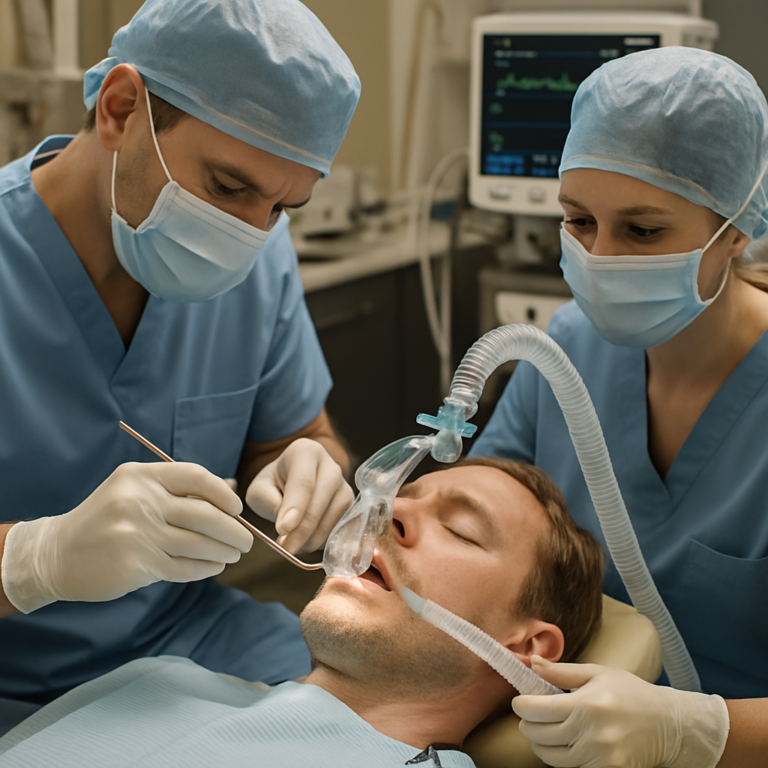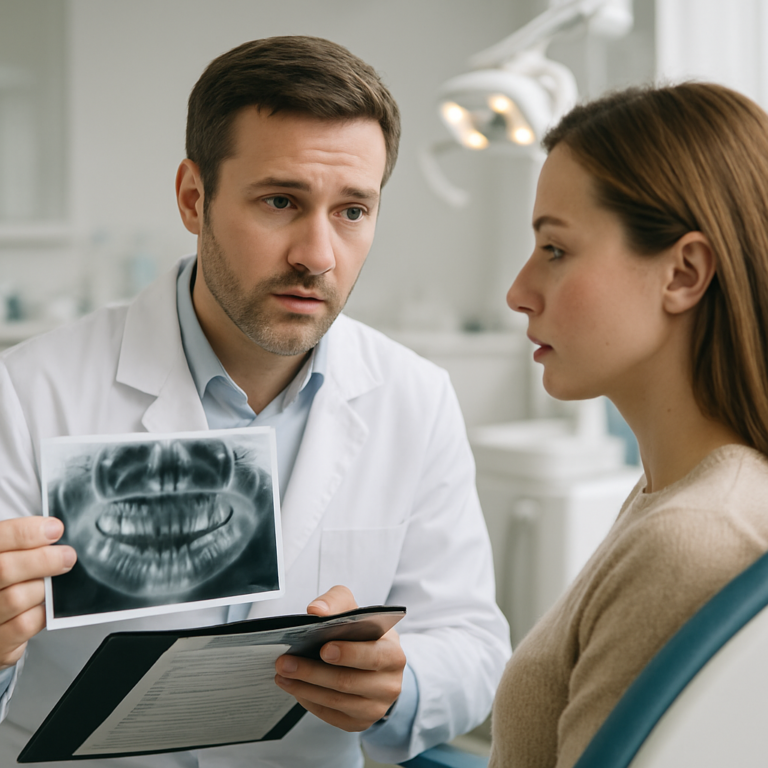
Understanding Bruxism: An Overview Bruxism, often characterised by the involuntary grinding or clenching of teeth, is a condition that affects a significant portion of the population. While it can occur during the day, it is most commonly associated with sleep disorders. Many individuals remain unaware of their bruxism, which can lead to various dental issues, …

Understanding Bruxism: An Overview
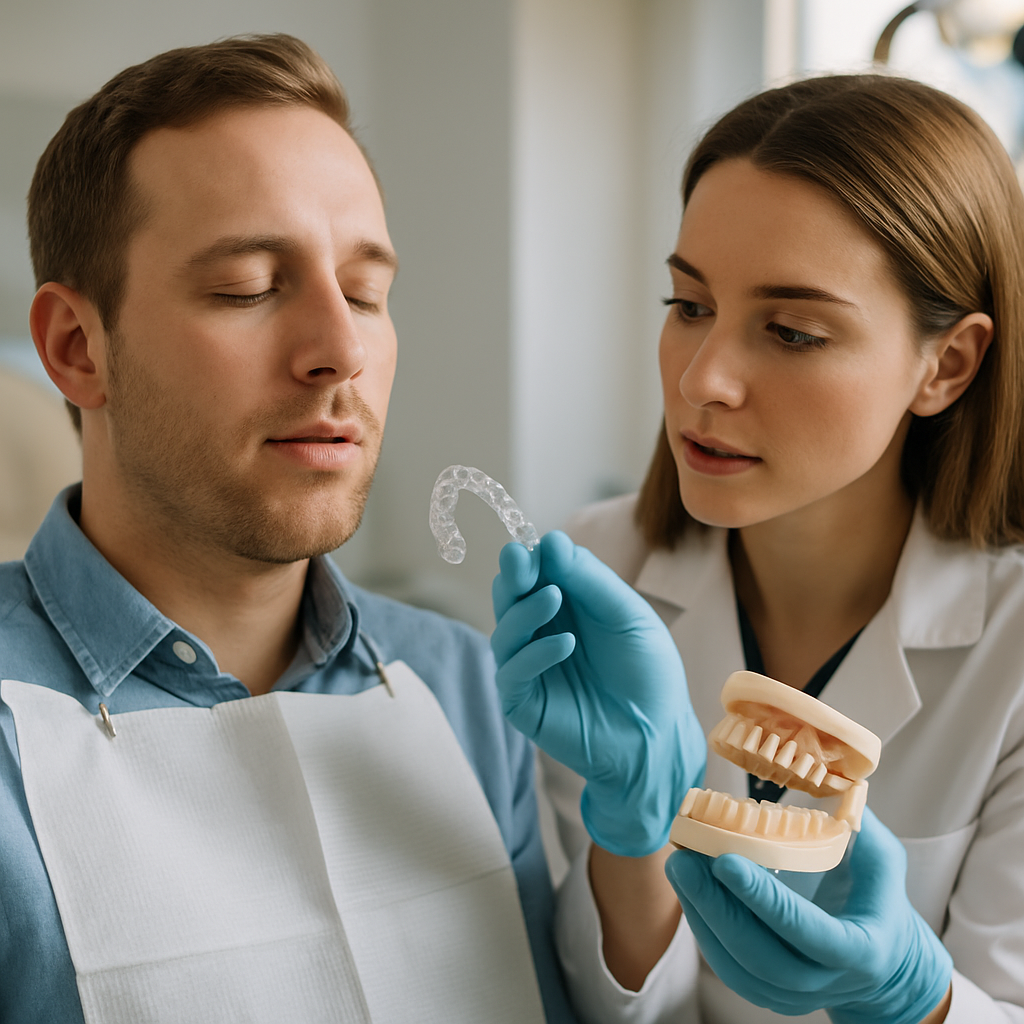
Bruxism, often characterised by the involuntary grinding or clenching of teeth, is a condition that affects a significant portion of the population. While it can occur during the day, it is most commonly associated with sleep disorders. Many individuals remain unaware of their bruxism, which can lead to various dental issues, including enamel wear, tooth sensitivity, and even jaw pain. As awareness of the condition grows, the demand for effective interventions, such as the london bruxism procedure, has also increased.
The causes of bruxism can range from psychological factors, such as stress and anxiety, to physical issues, including misalignment of teeth. Understanding these underlying causes is crucial for professionals in the field, particularly those who offer the london bruxism procedure. This procedure is designed not only to alleviate the symptoms but also to address the root causes of bruxism, thereby promoting long-term dental health.
Patients seeking treatment often present with symptoms that can significantly impair their quality of life. Thus, it is essential for practitioners to adopt a comprehensive approach when dealing with bruxism. The implementation of the london bruxism procedure can involve various methods, including the use of splints, behavioural therapies, and even dental corrections, tailored to meet the unique needs of each patient.
In conclusion, as professionals continue to explore the complexities of bruxism, the importance of informed treatment options, such as the london bruxism procedure, cannot be overstated. This multifaceted approach will not only enhance patient outcomes but also foster a deeper understanding of the condition within the dental community.

What is Bruxism?
Bruxism is a condition characterised by the involuntary grinding or clenching of teeth, often occurring during sleep or times of heightened stress. This phenomenon can lead to a variety of dental issues, including tooth wear, jaw discomfort, and even headaches. The exact causes of bruxism remain unclear; however, factors such as anxiety, stress, sleep disorders, and even certain medications may play a significant role. For individuals suffering from this condition, seeking professional advice is crucial to mitigate its effects.
Fortunately, there are several effective treatments available. One notable option is the london bruxism procedure, which offers tailored solutions to those afflicted. This procedure typically involves clinical assessments, custom-fitted mouthguards, and sometimes behavioural therapy to address the underlying causes. Patients often report significant relief and improved quality of life following the london bruxism procedure.
Clinics in London are increasingly adept at diagnosing and treating bruxism. With the right guidance, individuals can avoid severe dental problems that may arise from untreated conditions. Incorporating relaxation techniques or stress management strategies can also complement the london bruxism procedure, enhancing overall effectiveness.
If you or someone you know is experiencing symptoms of bruxism, it is advisable to consult a dental professional who can provide a comprehensive evaluation. For more information on effective treatments, visit this link. Addressing bruxism promptly can lead to a healthier smile and a more restful night’s sleep.
Symptoms and Effects of Bruxism
Bruxism, an often overlooked condition, manifests primarily through excessive grinding or clenching of the teeth, typically during sleep. Individuals affected by this disorder may experience a range of symptoms, including persistent jaw pain, headaches, and heightened sensitivity in the teeth. In more severe cases, the impact can extend to the temporomandibular joint (TMJ), leading to significant discomfort and restricted jaw movement. It is crucial for professionals in the dental and healthcare sectors to recognise these manifestations, as early identification can prevent further complications.
The effects of bruxism are multifaceted. Beyond the immediate discomfort, chronic grinding can lead to the wear and tear of tooth enamel, resulting in dental issues such as cavities and even tooth loss. Additionally, the stress associated with bruxism may contribute to a decline in overall well-being, as sufferers often experience disrupted sleep patterns and increased anxiety levels. For those residing in bustling urban centres like London, seeking a tailored approach to managing bruxism is essential.
A london bruxism procedure can provide effective relief, offering tailored interventions that address both the physical and psychological aspects of the condition. From custom-fitted dental guards to stress management techniques, these specialised procedures can significantly improve quality of life. It is advisable for individuals to consult with professionals who are well-versed in the london bruxism procedure, ensuring a comprehensive assessment and personalised treatment plan. By prioritising early intervention, patients can mitigate the long-term effects of bruxism and regain control over their dental health.
The Importance of Customized Care
In the realm of healthcare, particularly within dental practices, the significance of tailored approaches cannot be overstated. Each patient presents a unique set of needs and challenges, making the importance of customised care paramount. Patients suffering from conditions like bruxism require not only treatment but a strategy that considers their specific circumstances. A london bruxism procedure exemplifies the necessity for such personalised care, as it must address individual symptoms, underlying causes, and lifestyle factors.
The process of diagnosing and treating bruxism is inherently complex, necessitating a thorough understanding of various contributing elements, from stress levels to dental alignment. A one-size-fits-all solution is insufficient; hence, practitioners must engage in detailed assessments to formulate an effective london bruxism procedure tailored to each patient’s unique situation. This bespoke approach not only enhances patient satisfaction but also improves treatment outcomes.
Moreover, customised care fosters a strong patient-practitioner relationship. When individuals feel that their specific concerns are addressed, they are more likely to adhere to treatment plans and share valuable feedback. A well-executed london bruxism procedure that considers these personal aspects can significantly mitigate symptoms and improve quality of life.
Ultimately, the integration of customised care into dental practices serves to elevate standards in patient treatment. It underscores the necessity of continuous professional development and staying informed about the latest advancements in techniques and technologies. For further insights into the dental field, one can explore this informative resource that elaborates on the broader context of customized care in dentistry.
Why Personalization Matters in Dental Procedures
In an era where patient-centric care is paramount, the significance of tailored approaches in dental procedures cannot be overstated. Particularly in the realm of managing conditions such as bruxism, a personalised strategy can greatly enhance treatment efficacy and patient satisfaction. The london bruxism procedure exemplifies this need for customization, as each patient’s symptoms and underlying factors can vary widely. Understanding these nuances is crucial for dental professionals aiming to deliver the highest standard of care.
A bespoke assessment allows practitioners to identify the specific triggers of bruxism, be it stress, misalignment, or other dental issues. This paves the way for a more effective london bruxism procedure tailored to the individual’s needs, ensuring that interventions are not only appropriate but also more likely to yield positive outcomes. Furthermore, the incorporation of patient feedback into the treatment plan fosters a collaborative environment, which is essential for successful long-term management of bruxism.
Moreover, a well-executed london bruxism procedure can enhance overall patient comfort. Patients often feel more at ease when they perceive their treatment as uniquely suited to them, which can alleviate anxiety associated with dental visits. This emotional aspect should not be undervalued, as it plays a significant role in the overall patient experience.
Ultimately, the emphasis on personalization in dental care, especially regarding the london bruxism procedure, is not merely a trend but a necessary evolution in the field. As dental professionals continue to adapt to the unique requirements of each patient, the quality of care provided will undoubtedly improve, leading to better health outcomes and enhanced patient loyalty.
How Tailored Approaches Improve Outcomes
In today’s competitive landscape, organisations are increasingly recognising the importance of customised strategies to enhance performance and satisfaction. When it comes to specialised medical procedures, such as the london bruxism procedure, a tailored approach can significantly impact patient outcomes. Each individual presents unique anatomical and psychological factors, and addressing these variances allows professionals to deliver personalised care that resonates with patients on a deeper level.
For instance, during the london bruxism procedure, practitioners can assess not only the physical symptoms but also consider lifestyle choices and stress-related triggers that may exacerbate the condition. By integrating these insights into treatment plans, healthcare providers can optimise interventions that are not only effective but also relevant to the patient’s specific circumstances. This level of attention fosters a stronger patient-practitioner relationship, paving the way for improved adherence to treatment protocols.
Furthermore, a bespoke approach in the london bruxism procedure can lead to enhanced patient education and involvement in their care journey. When patients understand how their unique situation influences their treatment, they are more likely to engage actively in the management of their condition. This engagement is crucial, as it can lead to better long-term outcomes and higher satisfaction rates.
Ultimately, by embracing tailored strategies, healthcare professionals can elevate the standard of care, ensuring that patients receive not only the most effective treatments but also a supportive and understanding environment. The shift towards customised approaches is one that promises to redefine success in patient care, particularly in specialised fields like dentistry and orthodontics.
Exploring London Bruxism Procedures
Bruxism, a condition characterised by the grinding or clenching of teeth, is increasingly being recognised as a significant dental concern in urban centres like London. As stress levels rise in modern society, many individuals find themselves unknowingly engaging in this harmful behaviour, leading to various dental complications. The london bruxism procedure encompasses a range of treatments and strategies designed to alleviate the symptoms associated with this condition.
Dentists in London are employing innovative techniques to address bruxism, offering tailored solutions that can include custom-fitted night guards, behavioural therapy, and even Botox injections for severe cases. These london bruxism procedures not only focus on treating the immediate effects—such as tooth wear, jaw pain, and headaches—but also aim to identify the underlying causes.
Furthermore, public awareness about the importance of addressing bruxism has grown, prompting more individuals to seek professional help. The london bruxism procedure is now often a part of comprehensive dental care, highlighting the necessity of preventive measures alongside treatment.
Patients are encouraged to consult with dental professionals who specialise in this area, as early intervention can significantly improve quality of life. The emphasis on personalised care in the london bruxism procedure ensures that treatments are effectively matched to individual needs, fostering greater patient satisfaction and long-term oral health outcomes. By prioritising awareness and professional guidance, the journey towards managing bruxism can be greatly enhanced.
Common Procedures Offered in Clinics
In today’s healthcare landscape, clinics offer a multitude of procedures designed to address various patient needs. Among these, dental treatments are particularly significant, with a growing emphasis on managing conditions such as bruxism. The london bruxism procedure is increasingly sought after by individuals experiencing teeth grinding and jaw clenching. This condition, often exacerbated by stress, can lead to severe dental complications if not addressed. Clinics in London provide comprehensive assessments and tailored treatment options aimed at alleviating symptoms and preventing further damage.
A typical london bruxism procedure often involves a thorough examination and evaluation of the patient’s dental health. Following this, professionals may recommend custom-made mouthguards that help protect the teeth during sleep. Additionally, some clinics offer therapeutic techniques, including stress management strategies, to address the underlying causes of bruxism. This holistic approach not only targets the physical aspects of the issue but also considers the emotional and psychological factors contributing to the condition.
Furthermore, it is essential for patients to understand the importance of regular follow-up appointments after undergoing a london bruxism procedure. These sessions allow dental professionals to monitor progress and make necessary adjustments to treatment plans, ensuring optimal outcomes. In summary, the range of procedures offered in clinics today, particularly those focused on bruxism, highlights the importance of personalised care in addressing complex oral health issues. By choosing the right clinic, patients can gain access to effective solutions that significantly improve their quality of life.
Innovative Technologies Used in Treatments
The landscape of medical treatments is continually evolving, driven by innovative technologies that enhance patient care and outcomes. One prominent example can be observed in dentistry, particularly with the london bruxism procedure. This procedure utilises advanced techniques to address the effects of bruxism, a condition often overlooked but significantly impacting oral health. By integrating digital imaging and laser technology, practitioners can analyse and diagnose the ailment with remarkable precision.
The adoption of wearable technology has also transformed how clinicians monitor patient behaviours associated with bruxism. Through these devices, patients can track their grinding and clenching patterns in real-time, providing invaluable data for the london bruxism procedure. Furthermore, the incorporation of biofeedback mechanisms allows for the development of tailored treatment plans that cater to individual needs. This personalised approach not only optimises therapeutic effectiveness but also enhances patient compliance.
In recent years, the role of artificial intelligence in the london bruxism procedure has garnered attention. AI-driven software can predict potential complications and recommend proactive measures, allowing practitioners to intervene before symptoms escalate. This is particularly beneficial in a bustling metropolis like London, where access to timely dental care can be a challenge.
In summary, innovative technologies are significantly reshaping treatment modalities, with the london bruxism procedure standing as a testament to these advancements. As the field progresses, it is critical for professionals to remain abreast of these developments, ensuring that they utilise the latest tools and techniques to provide optimal care for their patients.
How Clinics Assess Your Dental Profile
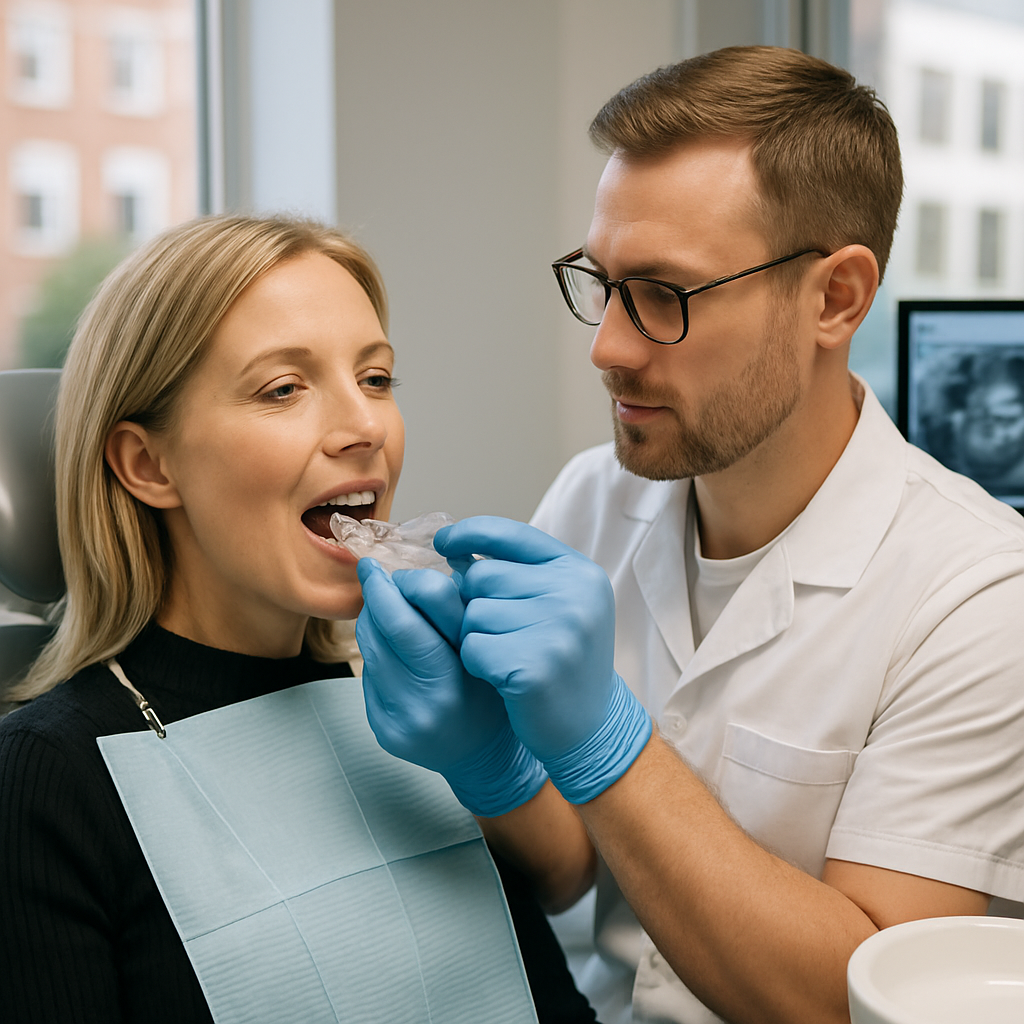
In today’s dental landscape, clinics employ a multifaceted approach to assess your dental profile, ensuring tailored treatments that suit individual needs. The process begins with a comprehensive examination, wherein dental professionals evaluate not only the physical state of the teeth and gums but also the patient’s medical history, lifestyle choices, and specific dental concerns. This holistic assessment is crucial for understanding the underlying issues, especially for conditions like bruxism.
The london bruxism procedure is a focal point in diagnostics for patients exhibiting signs of teeth grinding or jaw clenching. During the initial consultation, dentists will often investigate symptoms such as wear on the teeth, jaw pain, or headaches, which may indicate the necessity of a london bruxism procedure. Diagnostic tools, including digital imaging and bite analysis, further facilitate a precise understanding of an individual’s dental mechanics.
Once the assessment is complete, treatment options are discussed, highlighting the recommended london bruxism procedure if necessary. This proactive approach not only addresses immediate concerns but also prevents future dental issues. Patients are encouraged to engage in dialogue with their dental practitioners, fostering a collaborative environment where personal insights can inform treatment decisions.
In summary, thorough assessment techniques combined with a focus on specific conditions like bruxism allow clinics to create customized dental plans. The london bruxism procedure, when indicated, represents a significant advancement in ensuring patients can maintain optimal oral health and quality of life.
Comprehensive Evaluations and Diagnoses
In today’s healthcare landscape, thorough assessments and accurate diagnoses are paramount for effective treatment strategies. This is especially true in the realm of dental care, where conditions such as bruxism can significantly impact a patient’s quality of life. A meticulous evaluation is crucial not only to understand the extent of the problem but also to tailor the most suitable intervention. For instance, the london bruxism procedure has gained recognition for its capacity to address the complexities associated with teeth grinding and jaw clenching. Professionals in this field must be equipped to perform detailed examinations, considering both physical and psychological factors that may contribute to the condition.
Implementing a comprehensive approach to diagnosis allows clinicians to identify potential underlying issues, such as stress or dental misalignment, which can exacerbate bruxism symptoms. Moreover, the london bruxism procedure is designed to deliver customised solutions, ensuring that each patient receives care that aligns with their specific needs. Advanced diagnostic tools, combined with professional expertise, can lead to more accurate identification of the condition, thus enhancing treatment efficacy.
Ultimately, the aim is to provide patients with relief from discomfort while also preventing further dental complications. As healthcare continues to evolve, the integration of thorough evaluations with innovative procedures like the london bruxism procedure will be integral in advancing patient outcomes. By prioritising a detailed diagnostic process, dental professionals can ensure that they are not merely treating symptoms but are instead addressing the root causes of bruxism, paving the way for a more holistic approach to patient care.
Factors Influencing Treatment Recommendations
In the realm of dental care, numerous factors converge to shape the treatment options suggested to patients. Among these considerations, patient history and individual lifestyle choices play pivotal roles, particularly when addressing conditions such as bruxism. The london bruxism procedure offers a tailored approach that aligns with these personal factors, ensuring that treatment is not only effective but also comfortable for the patient.
Moreover, the clinician’s expertise and familiarity with particular procedures significantly influence recommendations. Those who specialise in the london bruxism procedure tend to stay abreast of the latest research and technological advances, enabling them to offer the most current and successful treatment options. This is crucial for instilling patient confidence and ensuring adherence to prescribed therapies.
The availability of resources also cannot be overlooked when determining treatment recommendations. Clinics in metropolitan areas, including London, often have access to cutting-edge technologies that facilitate the london bruxism procedure. These advancements can enhance the accuracy and outcomes of treatments, leading to improved patient satisfaction.
Furthermore, patient education plays a vital role. When individuals are informed about the implications of untreated bruxism and the benefits of the london bruxism procedure, they are more likely to engage actively in their treatment journey. Ultimately, the interplay of these factors—patient-specific needs, practitioner expertise, resource availability, and education—forms the bedrock of effective treatment recommendations in contemporary dental practice.
Case Studies: Successful Tailored Treatments
In recent years, the demand for bespoke healthcare solutions has surged, particularly in the field of dental treatments. A notable example is the london bruxism procedure, which has gained recognition for its tailored approach to addressing the complexities of bruxism. This condition, characterised by the grinding or clenching of teeth, can lead to various dental issues and significant discomfort.
Practitioners in London have successfully implemented customised treatment plans that consider each patient’s unique circumstances, including lifestyle factors, stress levels, and dental health history. One case involved a patient suffering from severe jaw pain and worn-down teeth, which was exacerbated by high-stress levels in their professional life. The london bruxism procedure employed a combination of night guards, stress management techniques, and regular follow-ups, resulting in remarkable improvements in both dental health and the patient’s quality of life.
Another case study highlighted the effectiveness of biofeedback mechanisms integrated within the london bruxism procedure. By monitoring muscle activity, patients were able to learn how to control their clenching behaviours more effectively. This innovative approach not only alleviated symptoms but also empowered patients to take an active role in managing their condition.
These successful outcomes underscore the importance of tailored treatments in addressing bruxism. The london bruxism procedure is a prime example of how customised care can lead to improved patient satisfaction and long-term health benefits, reinforcing the need for dental professionals to consider individual patient profiles when devising treatment plans.
Patient Experiences and Testimonials
In today’s healthcare landscape, patient experiences and testimonials play a crucial role in shaping perceptions and decisions. Individuals seeking dental solutions, particularly those suffering from conditions such as bruxism, often rely heavily on the insights shared by others who have undergone treatments. The london bruxism procedure has garnered significant attention, and firsthand accounts can shed light on the efficacy and emotional impact of this treatment.
Many patients report transformational experiences after undergoing the london bruxism procedure. Testimonials frequently highlight not only the alleviation of physical symptoms but also improvements in overall quality of life. Patients often note significant reductions in jaw pain and better sleep quality, which are common concerns associated with bruxism. These narratives resonate with potential patients, reassuring them that they are not alone in their struggles and that effective solutions are available.
Moreover, professionals in the field recognise the importance of these shared experiences. By collecting and showcasing testimonials, practitioners can foster trust and credibility. Prospective patients are more likely to engage with a clinic that prioritises transparency and values patient feedback. As such, the london bruxism procedure not only addresses specific dental issues but also serves as a powerful catalyst for building community and support among individuals facing similar challenges.
Ultimately, harnessing the power of patient testimonials can significantly enhance the reputation of services offering the london bruxism procedure, driving both patient engagement and satisfaction. This approach not only uplifts the individual experience but also contributes to a collective understanding of successful treatment outcomes within the dental community.
Conclusion: Take Control of Your Dental Health
Maintaining optimal dental health is crucial for overall well-being, and it is imperative to address issues such as bruxism effectively. For those in London struggling with teeth grinding, the london bruxism procedure offers a comprehensive solution tailored to individual needs. This approach not only alleviates discomfort but also prevents further dental complications that may arise from untreated bruxism.
Understanding the underlying causes of bruxism is fundamental in managing it. Stress and anxiety often contribute to this condition, highlighting the importance of a multidisciplinary approach that may include relaxation techniques and behavioural therapy alongside the london bruxism procedure. Consulting with dental professionals who specialise in this area can significantly enhance your ability to take control of your dental health.
Moreover, the london bruxism procedure incorporates advanced technologies and personalised treatment plans, ensuring that patients receive the most effective care possible. Regular follow-ups and adjustments are vital components of the treatment, allowing for ongoing assessment and optimising results. By engaging actively with your dental team, you can gain insights into maintaining your oral health beyond the procedure itself.
Ultimately, taking control of your dental health involves proactive measures, including understanding the intricacies of bruxism and seeking timely intervention through the london bruxism procedure. With the right support and resources, you can achieve not only a healthier smile but also improved quality of life, free from the burdens of teeth grinding.
Next Steps for Seeking Customized Care
Understanding the path to customised care is essential for individuals seeking effective solutions for dental issues such as bruxism. In the pursuit of tailored healthcare, particularly concerning the london bruxism procedure, it is crucial to take an informed approach. The first step involves researching qualified professionals who specialise in this area, ensuring that they possess the necessary expertise and credentials.
Next, individuals should consider scheduling a consultation to discuss their specific symptoms and concerns. During this initial meeting, practitioners can assess the severity of the condition and suggest potential interventions, including the london bruxism procedure. This step is vital as it allows for a personalised treatment plan that aligns with the patient’s unique requirements.
Moreover, it is advisable to inquire about the latest techniques and technologies employed in the london bruxism procedure. Understanding these advancements can provide insights into the procedure’s effectiveness and recovery expectations. Patients should not hesitate to ask questions regarding aftercare and follow-up appointments, which are crucial for monitoring progress.
Ultimately, seeking customised care means actively participating in one’s health journey. By taking these steps, individuals can ensure that their experience with the london bruxism procedure is both effective and satisfactory. Customisation in care not only enhances outcomes but also fosters a collaborative relationship between the patient and the healthcare provider, paving the way for long-term oral health and well-being.