Understanding London Bruxism The phenomenon of teeth grinding, particularly in urban environments, has garnered increasing attention from dental professionals and health practitioners alike. London Bruxism is a growing concern, with many residents experiencing the negative effects of this condition. It is characterised by the involuntary clenching or grinding of teeth, often occurring during sleep or …

Understanding London Bruxism
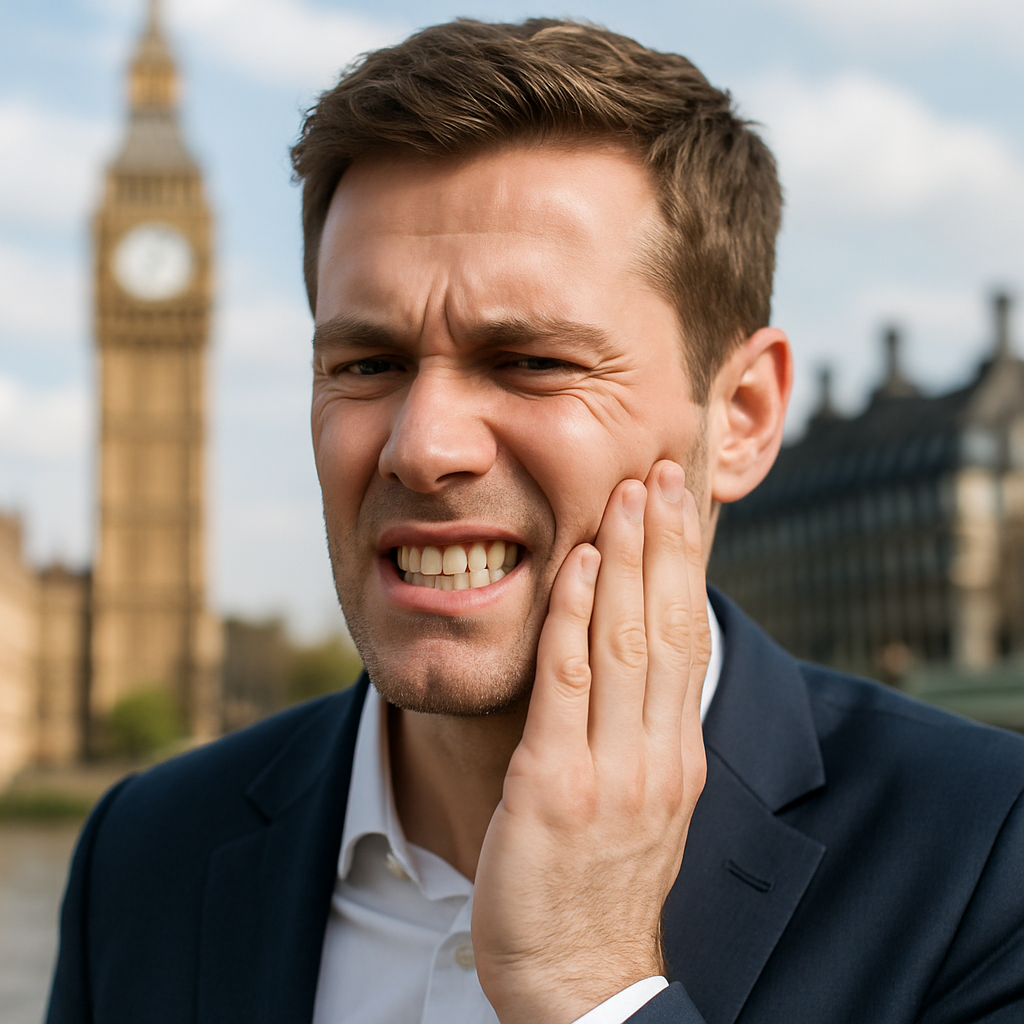
The phenomenon of teeth grinding, particularly in urban environments, has garnered increasing attention from dental professionals and health practitioners alike. London Bruxism is a growing concern, with many residents experiencing the negative effects of this condition. It is characterised by the involuntary clenching or grinding of teeth, often occurring during sleep or times of stress. The bustling lifestyle typical of London can exacerbate this issue, as individuals navigate high-pressure work environments and personal challenges.
Recognising the symptoms of London Bruxism is crucial for early intervention. Common signs include worn-down teeth, facial pain, and headaches, which can significantly impact one’s quality of life. As awareness of dental health increases, the correlation between stress levels and bruxism becomes more apparent. Consequently, many Londoners are seeking advice on management strategies.
Practitioners are now advocating for a multidisciplinary approach to address London Bruxism effectively. This may involve dental treatments such as custom mouthguards, alongside stress-relief techniques including mindfulness and cognitive behavioural therapy. Public health initiatives are essential in spreading awareness, encouraging individuals to take proactive steps in managing their dental health.
In conclusion, understanding London Bruxism is vital for both individuals and healthcare professionals. By recognising the symptoms and seeking appropriate interventions, residents can mitigate its adverse effects, leading to improved overall well-being. As the conversation around oral health continues to evolve, the importance of addressing bruxism in a fast-paced city like London cannot be overstated.

What is Bruxism?
Bruxism is a condition characterised by the involuntary grinding or clenching of teeth, often occurring during sleep or in moments of heightened stress. Individuals suffering from this ailment may experience a range of symptoms including jaw pain, headaches, and damage to teeth. In urban centres like London, where fast-paced lifestyles and increasing stress levels are prevalent, London Bruxism has become a significant concern for dental health professionals.
The aetiology of bruxism is multifactorial, encompassing psychological, physiological, and genetic components. Stress and anxiety are major contributors, leading many to unconsciously clench their jaws. This musculature tension can lead to temporomandibular joint (TMJ) disorders, requiring intervention from dental practitioners. It’s crucial for those affected to seek advice from professionals who understand the intricate relationship between stress and London Bruxism.
Diagnosis often includes a thorough clinical examination, where dental professionals assess the wear and tear on teeth, alongside patient reports of symptoms. Management strategies can vary, but they may include behavioural therapies, stress management techniques, and the use of occlusal splints. In the realm of preventive dentistry, understanding the implications of London Bruxism is essential; untreated, it can lead to severe dental complications.
For those seeking support, engaging with resources and specialists is advisable. To learn more about effective treatments and strategies, consider exploring reputable dental clinics in London. Addressing London Bruxism not only improves oral health but also enhances overall quality of life, making intervention vital.
Symptoms and Causes of Bruxism
The prevalence of teeth grinding, often referred to as bruxism, is an issue that many professionals encounter in their practices. Patients frequently report symptoms such as jaw pain, headaches, and even earaches, which can significantly affect their quality of life. These symptoms are often subtle and can easily be overlooked, leading to delayed diagnoses. In particular, London Bruxism has garnered increasing attention among dental practitioners, as urban lifestyles contribute to heightened stress levels, a primary trigger for this condition.
The causes of bruxism are multifaceted, often encompassing psychological, physiological, and environmental factors. Stress and anxiety are among the most common culprits, with many individuals unconsciously grinding their teeth as a reaction to tension. Furthermore, misalignment of teeth, also known as malocclusion, can exacerbate the condition, leading to additional discomfort and potential dental complications. The phenomenon of London Bruxism may also be influenced by lifestyle choices, including excessive caffeine consumption and inadequate sleep patterns.
As dental professionals, it is crucial to educate patients about the signs of bruxism and encourage them to seek treatment. Awareness of London Bruxism can lead to early intervention, preventing further complications such as tooth wear, gum recession, and jaw disorders. By addressing both the symptoms and underlying causes, practitioners can offer effective management strategies, including stress-reduction techniques and the use of occlusal splints, ultimately improving patients’ well-being and dental health.
Costs of Bruxism Treatment in London
The treatment of bruxism, a condition characterised by excessive teeth grinding and jaw clenching, can vary significantly in cost, particularly within the vibrant metropolis of London. London Bruxism patients may encounter a range of treatment options, each with its financial implications. Early intervention often includes consultations with dental professionals, which could typically range from £50 to £150 for an initial assessment.
Following diagnosis, various treatments such as custom-made mouthguards are frequently recommended. These devices, designed to prevent further dental damage, can cost anywhere from £200 to £600 depending on individual requirements and the expertise of the dental practitioner. In cases where more extensive treatment is necessary, such as orthodontics or even botox injections to relax the jaw muscles, costs can escalate to several thousand pounds.
Moreover, insurance coverage can also play a vital role in determining out-of-pocket expenses for treatments related to London Bruxism. Many dental plans may cover a portion of these costs, but specifics can vary widely. Therefore, it is crucial for patients to thoroughly review their insurance policies prior to seeking treatment.
In conclusion, while the financial burden of treating London Bruxism can seem daunting, understanding the available options and associated costs can empower patients to make informed decisions. For those seeking to delve deeper into dental health and treatments, an excellent resource can be found at this relevant link. Taking proactive steps will not only mitigate costs in the long run but also enhance overall quality of life.
Breakdown of Treatment Costs
Understanding the financial implications of treatment options is essential for individuals suffering from conditions like London Bruxism. This often-overlooked ailment can incur significant expenses, particularly when considering various therapeutic approaches. The initial consultation with a dental professional usually varies in cost, influenced by the clinic’s location and the expertise of the practitioner. In London, where treatment for London Bruxism is increasingly sought after, the fees for an initial assessment can range from £50 to £150.
Following the consultation, the recommended treatment plan may include custom-made mouthguards, which are vital for managing symptoms effectively. The price of these devices can vary widely, with costs typically falling between £200 and £600. Regular follow-up appointments may also be necessary to monitor progress, adding to the overall expenditure associated with London Bruxism. These visits usually incur an additional fee, often in the range of £40 to £100 per appointment.
Moreover, if orthodontic intervention is deemed necessary, the financial commitment increases significantly. Orthodontic treatments can range from £1,500 to £5,000, depending on the complexity of the case. Given the potential costs involved, it is crucial for patients to assess their insurance coverage, as some policies may partially cover the expenses related to London Bruxism treatments. Ultimately, being informed about the breakdown of treatment costs empowers patients to make better decisions, ensuring they receive the necessary care without facing unforeseen financial burdens.
Insurance and Payment Options
Navigating the complexities of insurance and payment options is essential for professionals dealing with health-related concerns, particularly in the realm of dental health. When addressing conditions such as London Bruxism, ensuring clients are well informed about their coverage can significantly impact their treatment decisions. Many patients may not realise that various insurance plans can cover the costs associated with the diagnosis and management of London Bruxism, which often involves customised dental appliances and therapeutic interventions.
It’s vital for practitioners to take the time to explain to patients how their insurance policies may accommodate treatments for London Bruxism. This includes discussing in-network providers and any potential out-of-pocket expenses. Furthermore, payment plans can offer flexibility, empowering patients to seek necessary care without the burden of immediate financial strain.
In addition, practitioners should proactively collaborate with insurance companies to advocate for better coverage options for treatments related to London Bruxism. By fostering these relationships, healthcare providers can not only enhance patient experience but also ensure that financial barriers do not prevent individuals from receiving effective care.
Lastly, keeping abreast of changes in both insurance policies and payment options is crucial. This diligence not only aids in providing accurate information to patients but also positions professionals as trusted advisers in the context of London Bruxism, ultimately enhancing the overall quality of care delivered.
Procedures for Treating Bruxism
Effective management of bruxism requires a multifaceted approach tailored to individual needs. Bruxism, characterised by the grinding or clenching of teeth, can lead to significant dental issues and discomfort. For practitioners in London, understanding the procedures for treating this condition is essential to providing comprehensive care.
Initially, a thorough assessment is necessary to understand the severity and frequency of London Bruxism. This typically involves patient interviews, dental examinations, and often, the use of diagnostic imaging. Once a clear picture is established, various treatment options can be considered.
One common method is the use of occlusal splints, which are custom-fitted devices designed to protect teeth from grinding during sleep. These splints can alleviate pressure on the jaw and help prevent the long-term damage associated with London Bruxism. Additionally, educating patients about stress management techniques can significantly reduce the intensity of teeth grinding. Cognitive behavioural therapy, relaxation techniques, and mindfulness practices have shown promise in addressing the psychological aspects of London Bruxism.
For some patients, addressing underlying dental issues may be necessary. This could involve orthodontic treatments to correct misaligned teeth, which can contribute to the problem. Furthermore, in more severe cases, pharmaceutical interventions may be discussed to help manage anxiety and muscle tension.
Overall, a collaborative approach involving dental professionals, psychologists, and the patients themselves is crucial for effectively treating London Bruxism. By combining various procedures tailored to the individual, practitioners can help alleviate the discomfort and long-term consequences associated with this condition.
Dental Approaches to Bruxism

The management of bruxism, a condition characterised by the grinding and clenching of teeth, necessitates a multifaceted approach, especially in urban environments like London. Dentists in London are increasingly aware of the implications of London Bruxism not only on oral health but also on overall well-being. The consequences of untreated bruxism can be severe, leading to issues such as temporomandibular joint disorders, chronic headaches, and significant dental wear.
One of the primary strategies employed by dental professionals involves the use of customised occlusal splints. These devices serve to create a barrier between the upper and lower teeth, thereby alleviating the pressure exerted during episodes of London Bruxism. Furthermore, educating patients about stress management techniques can be pivotal, as psychological factors often exacerbate bruxism. This holistic perspective allows practitioners to address the root causes rather than merely the symptoms.
Additionally, recent advancements in dental materials have led to the development of more durable and comfortable splints tailored to individual needs. Regular follow-ups are crucial in monitoring the effectiveness of the chosen interventions and making necessary adjustments, particularly for those residing in high-stress environments typical of London Bruxism.
Moreover, incorporating lifestyle modifications, such as relaxation exercises and proper sleep hygiene, can significantly reduce the frequency and intensity of bruxism episodes. As awareness of London Bruxism continues to grow, dental professionals are increasingly adopting interdisciplinary approaches, collaborating with psychologists and physiotherapists to provide comprehensive care packages tailored to each patient’s unique situation. This integrative method not only enhances dental outcomes but also improves the overall quality of life for those affected.

Alternative Therapies
In recent years, alternative therapies have gained increasing traction as a complementary approach to traditional medical treatments. Many individuals are now exploring these options to address various health concerns, notably for conditions such as London Bruxism. This particular issue, characterised by teeth grinding and jaw clenching, has become prevalent in urban environments, including London. Those affected often seek alternative therapies to alleviate their symptoms and improve their overall well-being.
One promising alternative treatment for London Bruxism is the practice of mindfulness and relaxation techniques. Mindfulness meditation can help individuals become more aware of their tension and stress, which are significant contributors to teeth grinding. Additionally, some practitioners advocate for the use of acupuncture, suggesting that it may relieve muscular tension and promote better sleep quality, thus indirectly alleviating bruxism symptoms.
Furthermore, incorporating herbal remedies, such as valerian root and chamomile, may provide calming effects that can help manage the anxiety often associated with London Bruxism. Nutritional approaches, including magnesium-rich foods, are also being explored for their potential role in muscle relaxation and stress reduction.
Collectively, these alternative therapies present a holistic method of addressing London Bruxism by tackling both physical symptoms and underlying psychological factors. As awareness and acceptance of these therapies continue to grow, it is essential for practitioners to guide patients in choosing the most suitable options tailored to their individual needs. Ultimately, this integrative approach may significantly enhance the quality of life for those struggling with this common yet often overlooked condition.
Best Clinics for Bruxism in London
When seeking treatment for London Bruxism, it is crucial to find a clinic that not only understands the complexities of this condition but also utilises the latest advancements in dental care. Bruxism, characterised by involuntary teeth grinding and jaw clenching, can lead to a multitude of dental and health issues if left untreated. In London, several clinics have distinguished themselves as leaders in providing effective solutions for this prevalent problem.
These establishments often employ a multi-faceted approach to treatment, tailored to individual needs. This may include custom night guards, behavioural therapy, and even stress management techniques, ensuring that patients receive comprehensive care. The best clinics for London Bruxism incorporate a team of specialists, including dentists, physiotherapists, and psychologists, to address the root causes and symptoms of the condition holistically.
Moreover, patient reviews and success stories play a significant role in selecting the right clinic. Many patients report significant improvements in their quality of life after receiving treatment for London Bruxism at these reputable facilities. Advanced diagnostic tools, such as digital imaging, are also commonly used to assess the extent of the issue and to formulate an effective treatment plan.
In conclusion, choosing the best clinic for London Bruxism is a vital step in regaining control over one’s dental health. By considering the holistic approach, expertise of the staff, and patient feedback, individuals can find a clinic that meets their specific needs and helps alleviate the challenges posed by this condition.
Top-Rated Dental Practices
In the competitive landscape of dental care, practices that excel in patient satisfaction and treatment effectiveness stand out significantly. A pivotal aspect contributing to this success is the ability to address specific dental health issues, one of which is London Bruxism. This condition, characterised by the involuntary grinding and clenching of teeth, has become increasingly prevalent, particularly in urban environments like London. Therefore, top-rated dental practices must not only provide general dental services but also specialise in managing London Bruxism.
The identification of London Bruxism as a common concern has prompted many dental professionals to enhance their expertise in this area. It involves a comprehensive approach including diagnosis, treatment plans, and patient education about the implications of bruxism. The best practices incorporate modern diagnostic tools and therapies, such as custom mouthguards and stress management techniques, to alleviate symptoms associated with this condition.
Moreover, excellent communication skills are paramount for dentists dealing with patients suffering from London Bruxism. Patients often experience anxiety related to their condition, and a compassionate approach can significantly improve their overall experience. Furthermore, these practices invest in ongoing training and utilise patient feedback to refine their services continuously.
In summary, the most reputable dental practices are those that have recognised the increasing prevalence of conditions like London Bruxism and have adapted their services accordingly. By emphasising specialised care, extensive patient education, and innovative treatment options, they not only enhance their reputation but also ensure the long-term health and satisfaction of their patients.
Patient Reviews and Testimonials
In the realm of healthcare, patient feedback serves as a vital component in shaping the quality of services provided. Prospective patients frequently turn to reviews and testimonials to gauge the effectiveness and reliability of treatments available to them. For instance, those seeking solutions for London Bruxism often rely on the experiences shared by others. These accounts not only highlight the success rate of various therapies but also reflect the emotional journey patients undergo.
Testimonials can significantly influence the decision-making process, as they offer authentic insights into the patient experience. When individuals share their stories about overcoming London Bruxism, they contribute to a growing reservoir of knowledge that can assist others in making informed choices. Furthermore, healthcare providers benefit from understanding these narratives, enabling them to refine their approaches and enhance patient satisfaction.
The importance of online platforms cannot be underestimated; they facilitate the exchange of experiences among patients suffering from London Bruxism. Positive reviews can boost the credibility of practitioners, while constructive criticism can illuminate areas needing improvement. Practitioners who actively engage with patient feedback and showcase their testimonials demonstrate a commitment to quality care, fostering trust within the community.
In summary, leveraging patient reviews and testimonials regarding London Bruxism not only helps prospective patients in their quest for effective treatment but also encourages healthcare providers to elevate their standards, ultimately resulting in improved patient welfare and outcomes. The interplay of shared experiences can create a supportive environment that benefits all stakeholders involved.
Strategies for Managing Bruxism at Home
Bruxism, often unnoticed, can lead to significant discomfort and dental problems. To effectively manage this condition at home, individuals can adopt a series of proactive strategies. Firstly, stress management plays a pivotal role; practices such as mindfulness, yoga, or meditation can alleviate underlying tension that often exacerbates London Bruxism. Establishing a calming bedtime routine is also beneficial; this might involve activities like reading or a warm bath to prepare the mind and body for restful sleep.
Moreover, a focus on oral health is necessary; using a mouthguard during the night can protect teeth from grinding and reduce jaw strain. Dental professionals in London often recommend custom-fitted mouthguards for optimal comfort and protection. Additionally, dietary choices should not be overlooked. Reducing caffeine and alcohol intake may lead to fewer occurrences of London Bruxism, as these substances can increase anxiety levels and disrupt sleep.
Furthermore, regular physical exercise contributes to reducing stress and improving sleep quality, which may help mitigate the effects of London Bruxism. Engaging in activities such as jogging, cycling, or swimming can be a wonderful way to release built-up tension. Lastly, it’s essential to consult a dental practitioner if symptoms persist, as they can offer tailored advice and potential therapies to further address London Bruxism. By incorporating these strategies into daily life, individuals can effectively manage bruxism and enhance their overall wellbeing.
Lifestyle Changes and Remedies
In today’s fast-paced world, lifestyle changes play a crucial role in managing various health conditions, including London Bruxism. This condition, characterised by the involuntary grinding or clenching of teeth, often leads to numerous complications such as headaches, jaw pain, and dental damage. To mitigate these effects, individuals can adopt several lifestyle modifications that not only alleviate symptoms but also enhance overall well-being.
Firstly, prioritising stress management is essential, as stress is a significant contributor to London Bruxism. Techniques such as mindfulness, yoga, and regular physical exercise can effectively reduce stress levels. Creating a calming evening routine can also prepare the body for restful sleep, minimising the likelihood of teeth grinding during the night.
Furthermore, dietary adjustments can have a notable impact. Reducing caffeine and alcohol intake is advisable, as these substances can exacerbate anxiety and trigger episodes of London Bruxism. Instead, opting for herbal teas and a balanced diet rich in vitamins and minerals can promote relaxation and support oral health.
In addition, maintaining good sleep hygiene is paramount. Establishing a regular sleep schedule and ensuring a comfortable sleeping environment can aid in preventing disturbances that contribute to London Bruxism. For those who continue to experience issues despite lifestyle alterations, consulting a dental professional for custom night guards may provide relief.
Ultimately, a holistic approach encompassing these lifestyle changes and remedies can significantly improve the quality of life for individuals affected by London Bruxism, ensuring they lead healthier, more fulfilling lives.
Stress Management Techniques

In today’s fast-paced world, effective techniques for managing stress have become essential for maintaining both mental and physical well-being. Many professionals experience heightened stress levels, particularly in high-pressure environments, which can lead to conditions like London Bruxism. This phenomenon, often characterised by teeth grinding or jaw clenching, is frequently exacerbated by anxiety and tension.
To combat stress effectively, it is crucial to incorporate a multifaceted approach that includes both physical and psychological strategies. Mindfulness practices, such as meditation and deep-breathing exercises, can significantly reduce anxiety levels, providing individuals with tools to centre their thoughts and mitigate the effects of stress. Additionally, engaging in regular physical activity is a proven method for relieving stress, as it not only improves physical health but also enhances mood through the release of endorphins.
Cognitive behavioural techniques, including journaling and positive affirmations, can further aid in managing stress. They help individuals identify and challenge negative thought patterns that contribute to heightened anxiety. For those affected by London Bruxism, relaxation techniques such as yoga or progressive muscle relaxation can be particularly beneficial, as they promote overall relaxation and decrease muscle tension.
Finally, fostering a supportive work environment, where open communication is encouraged, can reduce stress levels for teams. Addressing the root causes of stress can significantly diminish its impact, particularly for those struggling with conditions like London Bruxism. The integration of these strategies not only improves individual health but also enhances overall productivity within the workplace. By prioritising stress management, professionals can lead healthier, more balanced lives.