
Understanding London Bruxism In recent years, the phenomenon of London Bruxism has garnered increasing attention among dental professionals and health practitioners. Bruxism, characterised by the involuntary grinding or clenching of teeth, often occurs during sleep or periods of stress. In the bustling environment of London, where the pace of life can be frenetic, the prevalence …

Understanding London Bruxism

In recent years, the phenomenon of London Bruxism has garnered increasing attention among dental professionals and health practitioners. Bruxism, characterised by the involuntary grinding or clenching of teeth, often occurs during sleep or periods of stress. In the bustling environment of London, where the pace of life can be frenetic, the prevalence of this condition appears to be on the rise.
Understanding London Bruxism involves recognising the various factors contributing to its escalation, including heightened stress levels, poor sleep quality, and lifestyle choices endemic to urban living. Studies indicate that many individuals grapple with anxiety-driven habits, leading to a higher incidence of bruxism in metropolitan areas. Causative elements such as long commutes, demanding work environments, and the ever-present pressures of city life exacerbate this issue.
Furthermore, the physical repercussions of London Bruxism can be detrimental, manifesting as jaw pain, headaches, and dental complications. As such, it is imperative for dental practitioners in London to employ a proactive approach, educating patients on the symptoms and potential treatments available. Options may include mouthguards, stress management techniques, or referral to mental health services for underlying anxiety concerns.
As awareness of London Bruxism continues to grow, it becomes increasingly vital for both health professionals and the public to engage in conversations about preventive measures and effective interventions. By fostering a deeper understanding of this condition, we can work towards alleviating its impacts on the well-being of individuals living in one of the world’s most vibrant cities.

What is Bruxism?
Bruxism is a condition characterised by the involuntary grinding or clenching of teeth, often occurring during sleep or periods of heightened stress. While it may seem like a trivial concern, the implications of London Bruxism can be far-reaching, leading to various dental issues and discomfort. Individuals may experience symptoms such as jaw pain, headaches, and damage to their teeth, which, if left unaddressed, can result in significant long-term complications.
In the bustling life of London, where stress levels are often elevated, London Bruxism is becoming increasingly prevalent. The pressure to perform in both personal and professional spheres can exacerbate this condition, as many people unconsciously engage in teeth grinding as a coping mechanism. Furthermore, the habit may not be limited to adults; children too can suffer from London Bruxism, potentially leading to pain and developmental issues.
It is crucial for individuals experiencing symptoms to seek professional advice. Dentists can provide a range of solutions such as custom mouthguards that can alleviate the harmful effects of grinding. Regular check-ups can also help identify early signs of London Bruxism and allow for timely intervention.
For more detailed insights on managing this condition and the available treatment options, visit this resource. Understanding and addressing London Bruxism is vital for maintaining oral health and overall well-being, especially in the fast-paced environment of urban living.
Causes of Bruxism in London
Bruxism, a condition characterised by the grinding or clenching of teeth, has been increasingly recognised in urban centres, with London Bruxism emerging as a particular concern for dental professionals. Among the myriad of factors contributing to this disorder, stress stands out as one of the primary culprits. In a bustling city like London, where the pace of life is relentless, many inhabitants experience significant pressure from both work and personal commitments. This persistent stress response often manifests physically, leading to increased muscle tension and, subsequently, teeth grinding.
Moreover, lifestyle choices prevalent in London, such as excessive caffeine consumption and irregular sleep patterns, exacerbate the issue. Many professionals turn to caffeinated beverages to cope with their demanding schedules, inadvertently heightening anxiety levels and triggering episodes of London Bruxism. Additionally, the nocturnal nature of many work habits can disrupt sleep quality, leaving individuals more susceptible to grinding throughout the night.
Another crucial aspect to consider is the impact of orthodontic issues. Many residents in London may possess misaligned teeth or jaw discrepancies, which can contribute to the development of London Bruxism. These anatomical factors, in conjunction with environmental stressors, create a perfect storm for this dental concern.
In summary, the causes of London Bruxism are multifaceted, encompassing psychological, lifestyle, and anatomical influences. As awareness grows, it is vital for dental professionals to address these underlying factors to provide effective management and support for those affected by this increasingly common condition.
Patient Expectations Before Treatment
Before commencing any dental treatment, patients often harbour a set of expectations that significantly influence their experience and satisfaction. Understanding these anticipations is crucial for dental professionals, particularly in the context of conditions like London Bruxism. Patients might seek clarity on the effectiveness of various treatment modalities, the duration of procedures, and potential discomfort or side effects.
In addressing London Bruxism, it is essential for practitioners to not only provide information about the condition but also to ensure patients feel heard and understood. Clear communication about the origins of bruxism, its implications on oral health, and the benefits of tailored interventions can help demystify the treatment process. Patients frequently expect to be educated about their options, which may include splints, behavioural therapy, or even corrective dental procedures.
Moreover, the emotional aspect cannot be overlooked; patients often expect empathy and support throughout their treatment journey. This is particularly relevant in cases of London Bruxism, where anxiety can exacerbate symptoms. Therefore, practitioners should foster an environment of trust and reassurance, allowing patients to express their concerns freely.
Finally, the role of follow-up care in managing expectations cannot be underestimated. Patients need to know that their journey does not end with treatment; ongoing support and adjustments may be necessary. By integrating these elements into practice, dental professionals can enhance patient satisfaction, ultimately leading to better outcomes and a more positive perception of treatments related to London Bruxism. For more detailed information on dental care, refer to this relevant resource.
Common Concerns and Myths
In the realm of dentistry, misconceptions can often cloud understanding, particularly with conditions like London Bruxism. Many individuals believe that teeth grinding is merely a nocturnal nuisance, dismissing its potential long-term consequences. In fact, London Bruxism can lead to significant dental issues, including enamel wear and tooth sensitivity, which may necessitate more invasive treatments down the line.
Another prevalent myth is that only individuals experiencing high levels of stress grind their teeth. While stress is indeed a contributing factor, London Bruxism can also be influenced by other variables such as misaligned teeth, sleep disorders, and even lifestyle choices, such as excessive caffeine consumption. Thus, it is crucial to approach this condition holistically, considering various underlying factors rather than attributing it solely to stress.
Furthermore, some believe that the effects of London Bruxism are reversible without intervention. Unfortunately, this misconception can lead to complacency, allowing damage to worsen over time. Early intervention, through customised dental mouthguards or lifestyle modifications, can be vital in managing the symptoms and preventing further complications.
Overall, raising awareness about the realities of London Bruxism is essential for both patients and dental professionals. By dispelling these myths and addressing common concerns, we can foster a better understanding of the condition, leading to more effective treatment strategies and improved oral health outcomes.
Initial Assessment and Diagnosis
Understanding the implications of bruxism is crucial for effective intervention. An initial assessment should encompass a thorough evaluation of the patient’s dental history, lifestyle factors, and any potential underlying causes. Particularly within urban environments such as London, where stress and anxiety levels may be elevated, one must consider how these elements contribute to conditions like London Bruxism. Professionals should engage in a detailed dialogue with patients to uncover habits that may exacerbate teeth grinding, such as excessive caffeine intake or strenuous lifestyles.
Moreover, diagnostic measures may include clinical observations, such as the examination of wear patterns on teeth and the palpation of jaw muscles. In the context of London Bruxism, this can involve assessing how the pressures of city living might manifest physically. Dentists and health practitioners should also consider incorporating questionnaires or self-reporting tools to gauge the severity and frequency of bruxism episodes among their patients.
It’s essential to recognise that the implications of London Bruxism extend beyond mere tooth damage; they can affect overall well-being and quality of life. Thus, an accurate diagnosis is paramount, as it informs subsequent treatment plans. By addressing the root causes and developing tailored strategies, healthcare providers can effectively mitigate the impacts of London Bruxism on their patients’ lives, fostering both dental health and emotional resilience. Ultimately, a comprehensive initial assessment lays the foundation for successful management of this increasingly prevalent condition.
Treatment Options for London Bruxism
Bruxism, a condition characterised by the involuntary grinding or clenching of teeth, is increasingly recognised as a significant issue for many residents in the capital, particularly those experiencing heightened stress levels. The management of London Bruxism requires a multifaceted approach, as the underlying causes often vary from one individual to another. One of the most common treatment options includes the use of occlusal splints or night guards, which can help mitigate the damage caused by grinding during sleep. Custom-made by dental professionals, these devices protect the teeth and alleviate jaw tension.
In addition to physical devices, behavioural therapy can play a crucial role in addressing the psychological factors that contribute to London Bruxism. Techniques such as cognitive behavioural therapy (CBT) have shown promise in reducing stress and anxiety, which are often key triggers for teeth grinding. Furthermore, incorporating relaxation techniques such as mindfulness and meditation into one’s daily routine can significantly benefit those affected.
For some, pharmacological interventions may be necessary, particularly if the bruxism is linked to anxiety or sleep disorders. Muscle relaxants or anti-anxiety medications prescribed by a healthcare professional can provide relief. Lastly, lifestyle modifications, including reducing caffeine and alcohol intake, are essential in managing London Bruxism. By adopting a comprehensive approach that combines dental interventions, behavioural therapies, and lifestyle changes, individuals can effectively manage this condition and improve their overall quality of life.
Professional Dental Solutions
Addressing the multifaceted challenges within the dental industry necessitates a comprehensive understanding of prevalent conditions, such as London Bruxism. This increasingly common dental disorder, characterised by the involuntary grinding or clenching of teeth, affects a significant portion of the population, often leading to a myriad of complications, including tooth wear and jaw pain. Professionals in the dental sector must remain vigilant in identifying and managing symptoms of London Bruxism, as its impact extends beyond mere dental health, influencing overall well-being.
To combat London Bruxism, dental practitioners can employ a variety of innovative solutions tailored to individual patient needs. Customised night guards, for instance, offer an effective means to protect teeth from excessive wear while providing comfort during sleep. Additionally, educational initiatives aimed at raising awareness about the causes and effects of London Bruxism can empower patients to take proactive steps in managing their oral health.
Moreover, integrating multidisciplinary approaches involving physiotherapy and stress management techniques can significantly enhance treatment efficacy. As dental professionals, we must advocate for a holistic understanding of London Bruxism, recognising its links to psychological stress and lifestyle factors. Continuous professional development and collaboration with other healthcare providers will ensure that our practices not only address the dental aspects but also consider the broader implications of this condition.
In conclusion, tackling London Bruxism requires a commitment to innovative dental solutions and an empathetic understanding of patient experiences. By fostering a culture of comprehensive care, we can significantly improve outcomes for those affected by this pervasive issue.
At-Home Remedies and Lifestyle Changes
In recent years, the growing awareness of the impact of lifestyle on dental health has prompted many individuals to seek effective solutions for conditions such as teeth grinding. Particularly in urban areas, London Bruxism has become a significant concern, with stress and poor sleep patterns often exacerbating the issue. Implementing at-home remedies can prove beneficial for those affected by this condition.
To alleviate the effects of London Bruxism, one might consider integrating relaxation techniques into their daily routine. Practices such as mindfulness meditation or gentle yoga can help manage stress levels, which is a common trigger for teeth grinding. Furthermore, maintaining a consistent sleep schedule and creating a calming bedtime environment may minimise the frequency of episodes.
Additionally, dietary adjustments can play a crucial role. Reducing the intake of caffeine and alcohol is advisable, as these substances can heighten anxiety and disrupt sleep, further contributing to London Bruxism. Ensuring proper hydration and a balanced diet rich in vitamins and minerals can enhance overall well-being, supporting both mental health and oral care.
Another effective strategy involves the use of a custom night guard, which can be worn during sleep to protect the teeth from the damaging effects of grinding. While this may require a visit to a dental professional, it serves as a practical long-term solution for individuals struggling with London Bruxism.
In conclusion, a proactive approach that combines lifestyle modifications with at-home remedies can significantly improve the quality of life for those experiencing London Bruxism, empowering them to tackle this challenging condition with confidence.
Results After Treatment

The aftermath of treatment can reveal significant changes for individuals experiencing the challenges posed by dental issues, particularly those associated with London Bruxism. This condition, characterised by the involuntary grinding or clenching of teeth, often leads to discomfort and long-term damage if left unaddressed. After implementing targeted therapeutic strategies, patients frequently report a notable reduction in symptoms.
When practitioners focus on the underlying causes of London Bruxism, such as stress management or sleep quality enhancement, the results can be transformative. Many individuals discover an improvement in their overall well-being, alongside alleviation of jaw pain and headaches. The implementation of night guards or splints is another avenue that yields positive outcomes, enabling patients to protect their teeth while minimising the adverse effects of bruxism.
Moreover, follow-up assessments indicate that patients who engage in regular consultations tend to sustain these results over time. Consistent monitoring allows for adjustments in treatment, fostering a proactive approach to managing London Bruxism. It’s essential that both practitioners and patients recognise the importance of a comprehensive treatment plan, which may include lifestyle changes, counselling, and dental interventions.
Ultimately, the success of treatment for London Bruxism extends beyond mere symptom relief; it encapsulates a holistic improvement in quality of life. Encouragingly, many individuals report enhanced sleep patterns and decreased anxiety levels, indicating that effective management not only addresses dental health but also contributes to emotional and psychological resilience. In conclusion, the anticipated results after treatment can profoundly impact both dental health and overall lifestyle, underscoring the importance of seeking timely intervention for London Bruxism.
Expected Outcomes for Patients
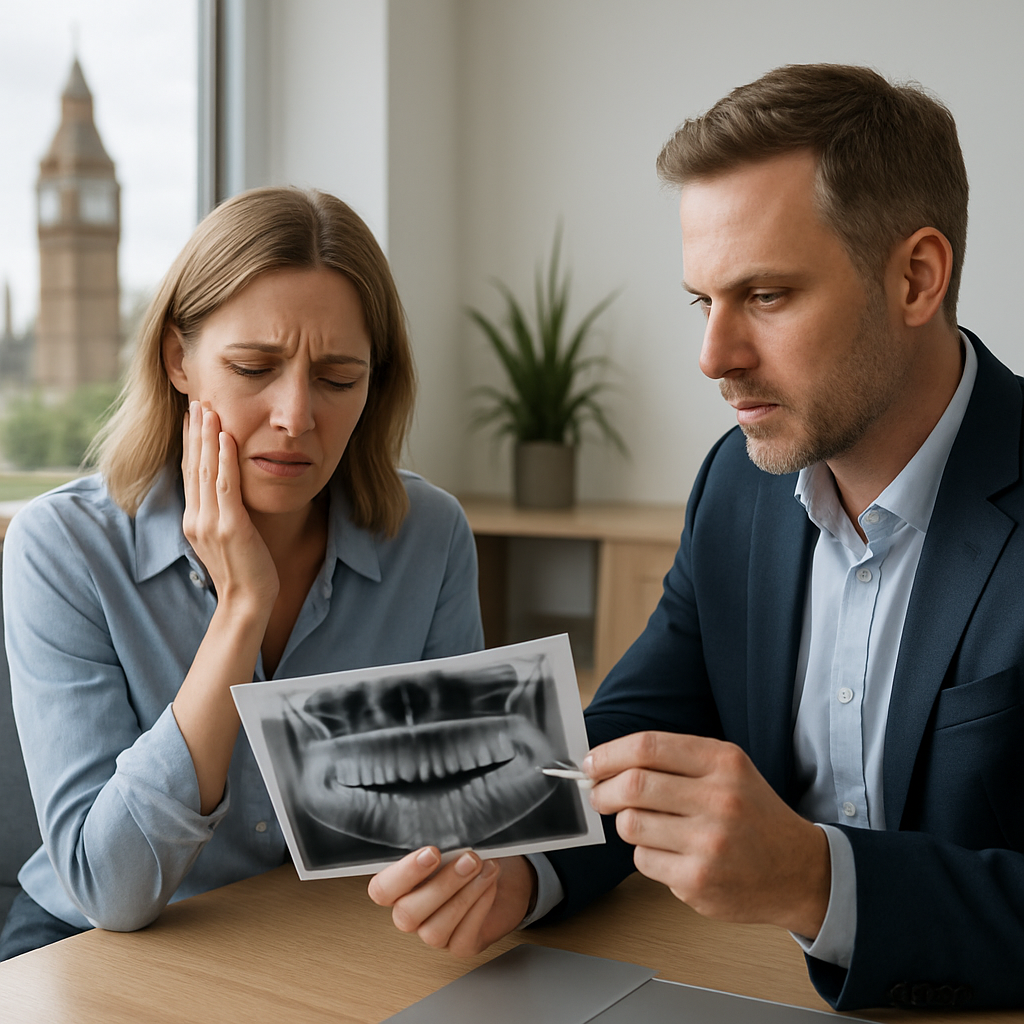
Effective management of conditions such as bruxism can significantly enhance patient outcomes, ultimately improving their quality of life. In the context of London Bruxism, it’s essential for healthcare professionals to provide comprehensive assessments and tailor interventions that cater to the individual needs of patients. Expected outcomes often include the reduction of symptoms such as teeth grinding and jaw clenching, which can lead to severe discomfort and dental complications if left untreated.
Patients seeking treatment for London Bruxism generally experience notable relief from pain and tension in the jaw. This alleviation not only contributes to physical comfort but also enhances emotional well-being, as chronic pain often correlates with increased stress and anxiety levels. Moreover, successful management of bruxism can improve sleep quality, allowing patients to achieve restorative rest and, as a result, heighten their overall functionality during the day.
Additionally, practitioners should educate patients about lifestyle modifications and the importance of stress management techniques in mitigating symptoms associated with London Bruxism. These strategies may include mindfulness practices, regular exercise, and avoiding stimulants, thereby empowering patients to take an active role in their recovery journey.
Ultimately, the anticipated outcomes for those affected by London Bruxism encompass a holistic improvement in health and well-being. By effectively addressing this condition, healthcare professionals not only alleviate immediate symptoms but also foster long-term benefits that contribute to a patient’s overall quality of life.
Long-term Benefits of Managing Bruxism
Effective management of bruxism is crucial for long-term health and well-being. Individuals suffering from this condition often experience a range of complications, including dental damage, jaw pain, and heightened stress levels. By addressing London Bruxism proactively, patients can mitigate these risks and enhance their overall quality of life.
One of the most significant long-term benefits is the preservation of dental integrity. Chronic grinding can lead to enamel wear, tooth sensitivity, and even tooth loss. Engaging with dental professionals familiar with London Bruxism can result in tailored treatment plans, such as custom mouthguards, which safeguard against wear and tear.
Additionally, managing bruxism can alleviate associated muscle pain and discomfort. Many individuals find that tension in the jaw leads to headaches or neck pain. Through targeted therapies and relaxation techniques, not only can one reduce the symptoms of London Bruxism, but they can also experience improved mobility and reduced pain overall.
Furthermore, there is a psychological aspect to consider. Many patients report anxiety related to their bruxism, often exacerbating the condition. By seeking professional guidance, individuals can learn coping strategies that address both the physical and psychological components of London Bruxism. This holistic approach enhances mental well-being, promoting a healthier lifestyle.
In conclusion, the long-term advantages of managing bruxism extend far beyond immediate relief. By prioritising care and seeking expert advice, individuals can protect their dental health, alleviate pain, and improve their overall mental state, ultimately leading to a more fulfilling life.
Real Patient Experiences
In the realm of dental health and wellness, patient narratives provide invaluable insights into the realities of living with conditions such as London Bruxism. Individuals experiencing this disorder often share their journeys, detailing the challenges they face and the impact on their day-to-day lives. Through these testimonies, we gain a deeper understanding not only of the physical toll but also the emotional and psychological ramifications stemming from chronic teeth grinding.
Patients frequently describe how London Bruxism manifests during stressful periods, leading to discomfort, headaches, and disrupted sleep patterns. Many report experimenting with various interventions—from dental mouthguards to mindfulness techniques—illustrating the diverse approaches individuals take in managing their symptoms. These real-life experiences serve as vital case studies for dental professionals, offering perspective on the efficacy of different treatments and the importance of tailored care.
Moreover, these authentic accounts highlight the necessity of creating a supportive environment for those affected. Networking with others facing similar challenges can foster a sense of community, empowering patients to share coping strategies and seek advice. For dental practitioners, understanding these real patient experiences can enhance communication and improve patient outcomes, especially in urban settings like London, where the prevalence of London Bruxism is notably high due to lifestyle factors.
In conclusion, attentively listening to and integrating the voices of patients into treatment dialogues can significantly enhance the management of London Bruxism and ensure that care remains empathetic and effective. These narratives not only bridge the gap between patient and practitioner but also elevate the standards of dental care in the community.
Case Studies: Before and After
In the realm of dental health, the significance of case studies cannot be overstated, particularly when addressing conditions like London Bruxism. Before delving into specific transformations, it is essential to understand the implications of this condition on both physical health and overall quality of life. Individuals suffering from London Bruxism often experience a variety of symptoms, including jaw pain, headaches, and disrupted sleep patterns, which can severely impact daily functioning.
Examining case studies of patients before and after treatment offers invaluable insights into the effectiveness of various interventions. For instance, an individual might present with severe wear on their teeth and chronic discomfort due to London Bruxism. Following a comprehensive assessment, various treatment options, such as customised night guards or stress management techniques, can be implemented. Observing the patient’s progression, we often witness significant improvements not only in their dental health but also in their emotional well-being.
Post-treatment assessments reveal a profound reduction in symptoms associated with London Bruxism. Patients frequently report enhanced sleep quality, diminished jaw tension, and restored confidence in their smiles. These transformative outcomes highlight the importance of comprehensive care and tailored solutions in managing London Bruxism. Furthermore, they encourage dental professionals to engage in continuous education and research, ensuring the latest treatment options are available to those in need.
Through these detailed case studies, we are reminded of the critical role that targeted interventions play in addressing common yet impactful dental issues, ultimately leading to a healthier and more fulfilling life.
Testimonials from London Bruxism Patients
Many individuals living in London have reported transformative experiences in managing their conditions associated with London Bruxism. Patients frequently describe their journeys as a blend of personal struggle and eventual relief, thanks in no small part to innovative treatment options available in the capital. One patient recounted experiencing chronic jaw pain and fatigue due to night-time grinding, which felt inescapable until they sought professional advice. After a thorough assessment, their dentist provided a customised splint, which not only alleviated their discomfort but also significantly improved their sleep quality.
Another testimonial highlights the emotional impact of London Bruxism on personal relationships. A young professional shared how their grinding habit led to embarrassment and anxiety, particularly in social settings. Following tailored guidance from a bruxism specialist, they learned effective stress management techniques alongside the implementation of a night guard. This holistic approach allowed them to regain confidence, demonstrating how addressing both the physical and psychological aspects of London Bruxism can enhance overall wellbeing.
Moreover, patients have emphasised the importance of community support and education. Many have found comfort in connecting with others who face similar challenges, often through local support groups. These shared experiences not only foster understanding but also empower individuals to take proactive steps towards managing their London Bruxism effectively. The combined insights from these testimonials underline the critical role of professional care, individual commitment, and community in navigating the complexities of bruxism in an urban setting.
Importance of Seeking Help
Seeking assistance in addressing personal challenges is pivotal for both mental and physical well-being. In particular, the issue of London Bruxism has gained prominence, affecting numerous individuals in the capital. This condition, characterised by the involuntary grinding or clenching of teeth, often arises from stress and anxiety, making the pursuit of professional help essential.
Individuals suffering from London Bruxism may experience a range of symptoms, including jaw pain, headaches, and even dental damage. Recognising the need for support can be the first step towards relief and recovery. Consulting with dental professionals or therapists familiar with London Bruxism enables individuals to explore tailored strategies for management. Such interventions might include customised mouthguards, behavioural therapies, or stress-reduction techniques, all aiming to alleviate the symptoms of this often-overlooked affliction.
Moreover, seeking help fosters a sense of community and shared experience. Many people face similar struggles, and connecting with others can provide comfort and encouragement. The act of reaching out not only addresses the physical manifestations of London Bruxism but also promotes emotional resilience.
In summary, recognising the importance of seeking help is crucial for those grappling with London Bruxism. By engaging with professionals and support networks, individuals can reclaim their health and improve their quality of life. This proactive approach not only mitigates the impact of the condition but also empowers individuals to take charge of their well-being.
When to Consult a Specialist
Recognising when to seek expert advice is crucial, particularly in complex health matters such as dental issues. For individuals suffering from conditions like London Bruxism, knowing the right time to consult a specialist can lead to more effective management and improved quality of life. Bruxism, characterised by teeth grinding or jaw clenching, often goes unnoticed until it causes significant discomfort or damage.
If you experience persistent jaw pain, headaches, or worn-down teeth, it is advisable to consult a dentist experienced in London Bruxism. These specialists are equipped to diagnose the extent of your condition and can recommend tailored treatment options, which may include custom mouthguards or techniques for stress management. Additionally, if you notice that your bruxism is affecting your sleep patterns or leading to anxiety, seeking further consultation from a healthcare professional can be beneficial.
Moreover, regular dental check-ups can help identify early signs of London Bruxism before they escalate. Dentists can monitor wear on your teeth and provide valuable insights into potential underlying causes, including bite misalignments or lifestyle factors. Ignoring these signs can lead to more severe complications, such as temporomandibular joint disorders.
In summary, if you suspect you are suffering from London Bruxism, or if your symptoms interfere with daily life, do not hesitate to consult a specialist. Early intervention is key to effective treatment and long-term relief from the discomfort associated with this condition.
The Role of Preventive Care

In contemporary healthcare, the emphasis on preventive measures has become increasingly pivotal, particularly in dentistry. This approach aims not merely at treating existing conditions, but at averting potential issues before they escalate. One prevalent concern in this field is London Bruxism, a condition characterised by the grinding or clenching of teeth, often resulting in significant dental and psychological ramifications.
Preventive care in relation to London Bruxism involves a multi-faceted strategy that encompasses education, early diagnosis, and tailored interventions. Dental professionals play a crucial role by not only identifying risk factors but also by informing patients about the implications of their habits. Regular check-ups facilitate the early detection of bruxism, allowing for timely intervention that can mitigate further damage to the teeth and jaw.
Moreover, incorporating lifestyle modifications can prove beneficial for individuals prone to London Bruxism. Stress management techniques, such as mindfulness and relaxation exercises, have been shown to reduce the frequency of grinding. Additionally, the use of custom-made night guards can protect teeth from wear and tear, serving as a physical barrier against the consequences of bruxism.
Ultimately, the landscape of dental health is shifting towards an ethos of prevention. By prioritising preventive care strategies, practitioners can significantly reduce the incidence of London Bruxism, ensuring that patients maintain not only their oral health but also their overall well-being. This proactive approach not only enhances patient outcomes but also fosters a healthier relationship between individuals and their dental care providers.