Introduction to London Dental Bridges In the realm of modern dentistry, the importance of addressing tooth loss cannot be overstated, and London Dental Bridges provide a sophisticated solution for enhancing both aesthetics and functionality. These prosthetic devices play a crucial role in restoring a patient’s smile by bridging the gap created by one or more …

Introduction to London Dental Bridges
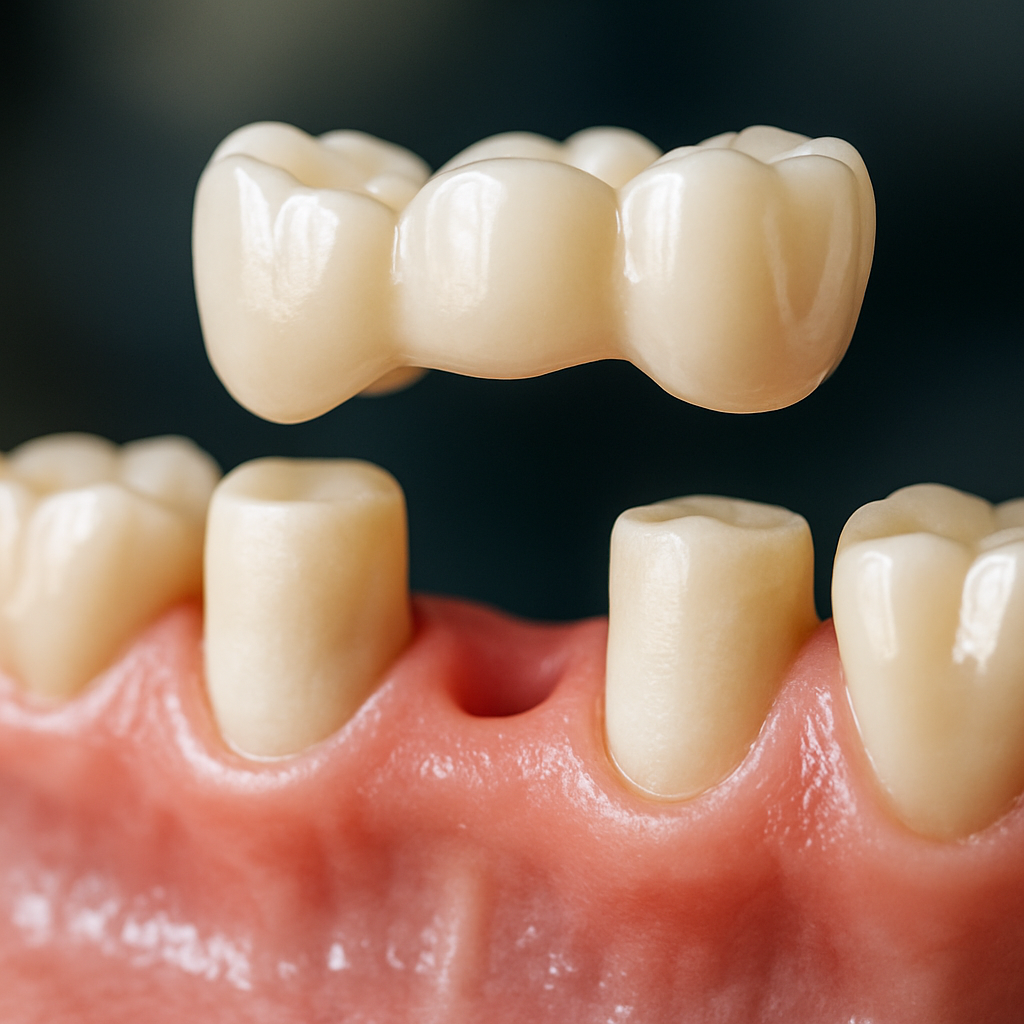
In the realm of modern dentistry, the importance of addressing tooth loss cannot be overstated, and London Dental Bridges provide a sophisticated solution for enhancing both aesthetics and functionality. These prosthetic devices play a crucial role in restoring a patient’s smile by bridging the gap created by one or more missing teeth. Typically constructed from durable materials such as porcelain or metal, London Dental Bridges are custom-designed to match the natural colour and shape of surrounding teeth, ensuring a seamless integration into the patient’s dental structure.
The procedure for obtaining London Dental Bridges often begins with a comprehensive assessment by a qualified dentist, who will evaluate the condition of the existing teeth and discuss the best options available. This collaborative approach not only enhances patient comfort but also ensures a tailored solution that meets individual needs. After preparation, the bridge is securely anchored to neighbouring teeth or dental implants, providing both stability and longevity.
Moreover, the benefits of London Dental Bridges extend beyond mere aesthetics; they help maintain the alignment of remaining teeth, facilitate proper chewing, and improve overall oral health. Patients often report heightened self-confidence and satisfaction following the restoration of their smiles. With advances in dental technology, the precision and effectiveness of London Dental Bridges continue to improve, making them an increasingly popular choice among those seeking a reliable, long-term solution for tooth loss. Thus, for individuals grappling with the challenges of missing teeth, exploring the options available in London Dental Bridges is a pivotal step towards reclaiming their oral health and personal confidence.

What are Dental Bridges?
Dental prosthetics have evolved significantly over the years, with various solutions available for restoring smiles and improving oral function. One particularly effective method is the utilisation of bridges, designed to replace one or more missing teeth. These fixtures are anchored to adjacent teeth or implants, providing a durable and aesthetically pleasing solution.
In London, dental bridges are a popular choice among patients seeking to restore their confidence and oral health. The procedure involves creating a custom-made bridge that fits seamlessly into the existing dental structure, ensuring both comfort and functionality. London Dental Bridges not only enhance appearance but also play a crucial role in maintaining the alignment of neighbouring teeth, preventing them from shifting over time.
The process typically begins with a comprehensive examination by a dental professional, who will assess the condition of the surrounding teeth and recommend the most suitable type of bridge. Options may include traditional, cantilever, or Maryland bridges, each tailored to meet the specific needs of the patient. Patients opting for London Dental Bridges can expect a significant improvement in their chewing ability and overall oral health.
Additionally, it is essential for those considering dental bridges to maintain regular dental check-ups and practice good oral hygiene. This ensures the longevity of the bridge and the health of the supporting teeth. For more detailed information on this procedure, visit this resource. Ultimately, London Dental Bridges can be a transformative solution for restoring not only functionality but also a confident smile.
Importance of Dental Bridges for Oral Health
Maintaining optimal oral health is crucial, and one significant aspect often overlooked is the role of dental bridges. When a tooth is lost, not only is the aesthetic of the smile affected, but the functional integrity of the mouth can also be compromised. This is particularly true in bustling urban areas like London, where residents often seek solutions that blend both form and function. London Dental Bridges serve as an effective remedy for gaps left by missing teeth, helping to restore normal chewing function and improve overall oral health.
The presence of gaps can lead to a host of dental issues. Adjacent teeth may shift into the empty space, resulting in misalignment, which can interfere with bite and lead to further complications. Here, London Dental Bridges become invaluable. They not only fill these gaps but also provide support to surrounding teeth, preventing them from drifting. This is essential for maintaining the structural integrity of the jaw and ensuring that the bite remains aligned.
Moreover, the procedure associated with London Dental Bridges offers a long-lasting solution that can significantly enhance an individual’s quality of life. By restoring functionality and preventing further dental complications, these bridges contribute to improved oral hygiene, reduced risk of periodontal disease, and ultimately, a more confident smile. In essence, investing in London Dental Bridges is not just about aesthetics; it is a proactive step towards sustaining long-term oral health and well-being.
Step 1: Initial Consultation
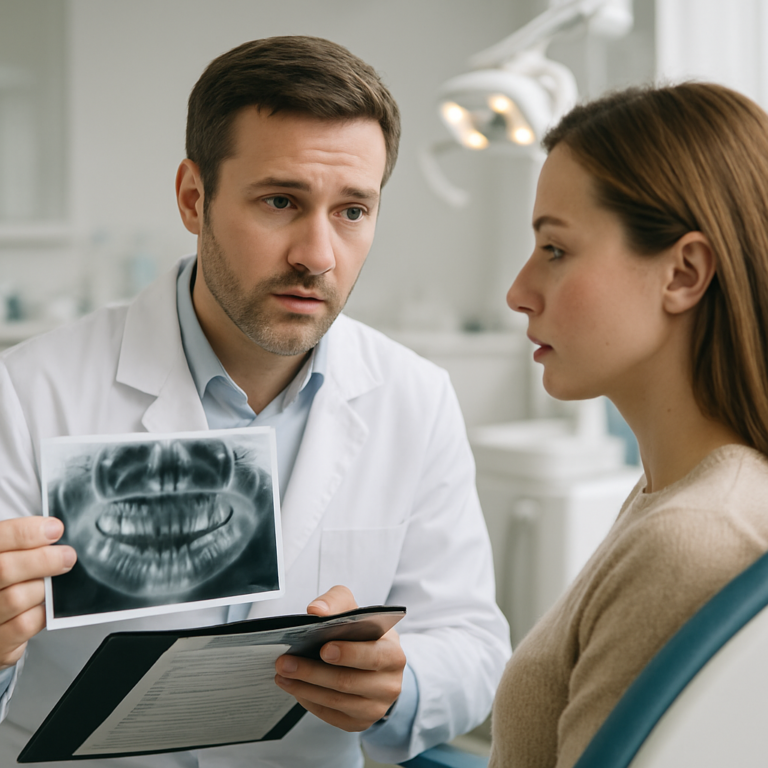
The initial consultation is a vital first step in the journey toward achieving a beautiful smile through effective dental solutions. This meeting provides an opportunity for both the patient and the dental practitioner to discuss concerns, expectations, and potential treatment options. In the realm of restorative dentistry, one of the most sought-after solutions is London Dental Bridges. During this consultation, a comprehensive assessment of the patient’s oral health is conducted to determine if they are suitable candidates for this procedure.
The dentist will evaluate the condition of the surrounding teeth and gums, ensuring that any underlying issues are addressed before proceeding with the placement of London Dental Bridges. This stage involves not only clinical examinations but also radiographic analyses to gain a complete understanding of the patient’s dental structure. Patients are encouraged to ask questions about the process, costs, and longevity of London Dental Bridges, helping to set realistic expectations.
Furthermore, this consultation fosters a relationship built on trust and open communication. By articulating their concerns, patients can receive tailored advice that aligns with their individual needs. The importance of this initial meeting cannot be overstated; it lays the groundwork for subsequent appointments and treatments, ensuring that every aspect of the dental plan is meticulously crafted. For additional insights into dentistry and its various facets, refer to this relevant resource. Ultimately, this first step is pivotal in guiding patients toward the transformative benefits of London Dental Bridges.
Discussing Your Dental Needs
Understanding and discussing your dental needs is paramount for achieving optimal oral health. When it comes to restorative dentistry, one of the most effective solutions for missing teeth is the use of London Dental Bridges. These prosthetic devices not only improve functionality but also enhance the aesthetics of your smile, contributing to an overall boost in confidence.
It’s crucial to engage in a thorough consultation with your dental professional to assess how London Dental Bridges can be tailored to your specific requirements. During this conversation, you should discuss your dental history, any preferences regarding materials, and the desired outcomes you envision. Each individual’s dental landscape is unique, and thus, a personalised approach is essential.
Moreover, the longevity and success of London Dental Bridges depend on proper oral hygiene practices and regular dental check-ups. Your dentist will likely provide guidance on maintaining these restorations, ensuring that they remain a stable and functional part of your mouth for years to come.
Should you have concerns about the procedure, cost, or recovery, do not hesitate to voice them during your appointment. The aim is to ensure you feel confident and informed in your decision-making process regarding London Dental Bridges. Addressing your dental needs comprehensively allows for a more fulfilling relationship with your dental care provider, ultimately leading to a healthier, more radiant smile. Embrace the opportunity to discuss your needs openly—it is a significant step towards achieving a better quality of life through improved dental health.
Examining Oral Health Status
The evaluation of oral health is crucial for understanding the overall wellbeing of individuals. Poor oral health can lead to a cascade of issues, not only confined to the mouth but extending to systemic health problems. Regular assessments and a proactive approach can significantly mitigate these risks. In urban centres like London, where the population is diverse and dental needs vary, it is essential to tailor oral health strategies accordingly.
One key area that has gained attention is the application and effectiveness of London Dental Bridges. These dental solutions play a pivotal role in restoring functionality and aesthetics for patients with missing teeth. By examining the oral health status of individuals requiring replacements, dental professionals can make informed decisions regarding the use of London Dental Bridges that cater to specific dental conditions. Furthermore, understanding the broader implications of oral health can help in advocating for preventative measures within the community.
Additionally, dental practitioners must remain updated on the latest advancements in dental technologies and materials related to London Dental Bridges. This knowledge enables them to offer the best possible care, ensuring that patients are well-informed about their options. Regular research and patient feedback can enhance the efficacy of these treatments, improving not only clinical outcomes but also patient satisfaction. In conclusion, a comprehensive assessment of oral health, particularly in the context of London Dental Bridges, is essential for fostering a healthier population and a robust dental practice.
Step 2: Treatment Planning
Effective treatment planning is a critical step in achieving optimal dental outcomes, particularly when addressing complex cases such as the installation of London Dental Bridges. A comprehensive assessment of the patient’s dental history, current oral health status, and specific needs lays the groundwork for a tailored treatment approach. It is vital to engage in detailed discussions with the patient, ensuring that they understand the procedures involved, potential outcomes, and any risks associated with the proposed treatment.
In the context of London Dental Bridges, practitioners must consider various factors, including the condition of adjacent teeth, the health of the gums, and the overall alignment of the bite. By employing advanced diagnostic tools, such as digital imaging and 3D scans, clinicians can create precise models that facilitate better planning and execution. Furthermore, collaborating with dental technicians during the design phase can ensure that the final product not only meets functional requirements but also aligns aesthetically with the patient’s natural teeth.
Additionally, it is essential to incorporate a follow-up strategy into the treatment plan. Monitoring the patient’s progress after the installation of London Dental Bridges ensures that any complications can be addressed promptly, thereby enhancing the longevity of the bridges. This iterative approach allows for adjustments based on patient feedback and clinical assessments, ultimately leading to enhanced satisfaction and improved patient outcomes. By prioritising thorough and bespoke treatment planning, dental professionals in London can deliver exceptional results that reflect their commitment to excellence in patient care.
Creating a Customised Treatment Plan
Crafting an effective treatment strategy is paramount for achieving optimal patient outcomes, particularly in the realm of dentistry. Each individual presents a unique anatomical and psychological profile, necessitating a tailored approach. By undertaking a comprehensive assessment, practitioners can identify specific needs and preferences. This step is crucial in the development of a bespoke treatment plan, ensuring that patients are not only comfortable but also fully informed about their options.
For instance, when considering London Dental Bridges, it is essential to evaluate the condition of the surrounding teeth and the overall oral health of the patient. This includes examining bite alignment, gum health, and aesthetic desires. Developing a customised plan involves explaining the benefits and potential risks associated with different types of dental bridges, allowing patients to make informed decisions that align with their personal goals.
Furthermore, incorporating patient feedback during the consultation process can significantly enhance the effectiveness of the strategy. This dialogue fosters a collaborative atmosphere and helps in refining the proposed plan to better meet the individual’s expectations. With London Dental Bridges, emphasis should also be placed on post-treatment care, ensuring that patients understand the importance of maintenance and follow-up visits to sustain their dental health.
In conclusion, a meticulous and personalised approach to treatment planning is vital. By centring the experience around the specific needs of the patient, particularly when discussing options like London Dental Bridges, dental professionals can enhance trust and satisfaction, paving the way for successful long-term results.
Choosing the Right Type of Bridge
When it comes to dental restoration, selecting the appropriate type of bridge is crucial for achieving optimal aesthetic and functional outcomes. Many patients in need of tooth replacement often find themselves considering London Dental Bridges, which offer various solutions tailored to individual needs. Understanding the different types available is essential for both practitioners and patients alike.
There are several types of dental bridges, including traditional, cantilever, and Maryland bonded bridges, each with its unique advantages. Traditional bridges, often supported by adjacent teeth, are popular in London Dental Bridges practices due to their durability and natural appearance. However, when adjacent teeth are not available, cantilever bridges can be an ideal alternative. Meanwhile, Maryland bonded bridges are minimally invasive and provide a conservative approach, making them suitable for younger patients or those looking to preserve tooth structure.
Another significant factor to consider is the material used in London Dental Bridges. Options range from porcelain to metal, with each material offering different levels of strength and aesthetic appeal. Patients should discuss their lifestyle and aesthetic preferences with their dental professional to ensure the chosen material aligns with their long-term goals.
Ultimately, the decision-making process should involve a thorough consultation with a qualified dental practitioner who can assess individual cases. This collaborative approach ensures that the selected type of bridge not only restores function but also enhances the overall quality of life, making the journey through dental restoration both effective and satisfying.
Step 3: Preparing the Teeth
The meticulous process of preparing the teeth is a crucial step in the practice of restorative dentistry, particularly when dealing with London Dental Bridges. This phase involves assessing the health of the existing teeth and ensuring they are adequately shaped to support the bridge. A comprehensive examination typically includes imaging studies and physical assessments, allowing practitioners to identify any underlying issues that may complicate the procedure.
Once the assessment is complete, tooth preparation begins. This requires careful reduction of the enamel and dentin of the adjacent teeth, ensuring there is sufficient space for the bridge to fit properly. The aim is not only to create an appropriate foundation but also to maintain the aesthetic and functional integrity of the surrounding teeth. Attention to detail is paramount during this stage, as improper preparation can lead to complications post-procedure.
Using high-quality materials and advanced techniques enhances the longevity and success of London Dental Bridges. Dental professionals must remain vigilant about the potential for sensitivity or discomfort following tooth preparation. Therefore, effective communication with the patient regarding what to expect is essential.
Ultimately, the combination of precise tooth preparation and a thorough understanding of the individual patient’s needs paves the way for successful outcomes. Understanding this process solidifies the foundation upon which effective, long-lasting London Dental Bridges are built, thus ensuring that patients can enjoy both enhanced aesthetics and improved oral function.
Anesthesia and Tooth Preparation Process
In the realm of dental procedures, the effective administration of anaesthesia is a pivotal element that significantly enhances patient comfort and procedural efficacy. Before initiating any dental intervention, particularly those involving the application of London Dental Bridges, practitioners meticulously assess the necessity of anaesthetic techniques tailored to individual patient needs. This consideration not only alleviates discomfort but also facilitates a more precise execution of the tooth preparation process.
Once anaesthesia is administered, the next crucial step involves the preparation of the tooth structure. This process typically encompasses the careful removal of decayed enamel and dentin, ensuring a clean and stable foundation for the placement of London Dental Bridges. The skill of the dental professional is paramount during this stage, as an insufficiently prepared tooth may lead to complications or diminish the longevity of the bridge.
Moreover, during tooth preparation, the dentist may employ various tools and techniques, such as the use of rotary instruments, to achieve the desired contour and integrity of the tooth. This attention to detail is vital, particularly when preparing for London Dental Bridges, which require precise fitting to ensure optimal functionality and aesthetic appeal.
In conclusion, the combination of effective anaesthesia and thorough tooth preparation is essential in ensuring the success of treatments involving London Dental Bridges. A meticulous approach not only guarantees patient satisfaction but also fosters long-term dental health and stability.
Impressions for Accurate Fit

In the realm of dental aesthetics, achieving a flawless outcome necessitates meticulous attention to detail, particularly concerning the fit of dental bridges. The precision of an impression plays a pivotal role in this process, ensuring that London Dental Bridges align perfectly with the patient’s natural teeth and gum contours. An accurate impression captures the nuances of the oral cavity, allowing dental professionals to create custom-fit restorations that enhance both functionality and appearance.
The importance of high-quality impressions cannot be overstated. Subpar impressions can lead to ill-fitting bridges, which may result in discomfort, improper bite alignment, and even complications in oral health. With London Dental Bridges, practitioners must employ advanced techniques and materials designed to optimise accuracy. Digital scanning technologies, for instance, have revolutionised the field, providing immediate feedback and reducing the likelihood of human error.
Furthermore, the communication between dentists and dental laboratories is critical in this process. Clear specifications and expectations regarding the impressions for London Dental Bridges ensure that the final product meets the highest standards of quality. Continuous professional development and staying abreast of innovations in impression techniques are essential for practitioners aiming to provide their patients with the best possible outcomes.
Ultimately, the journey towards perfectly fitting London Dental Bridges begins with a commitment to excellence in the impression-taking stage. By prioritising accuracy and utilising state-of-the-art methods, dental professionals can significantly enhance the overall patient experience and satisfaction.
Step 4: Fabrication of the Bridge
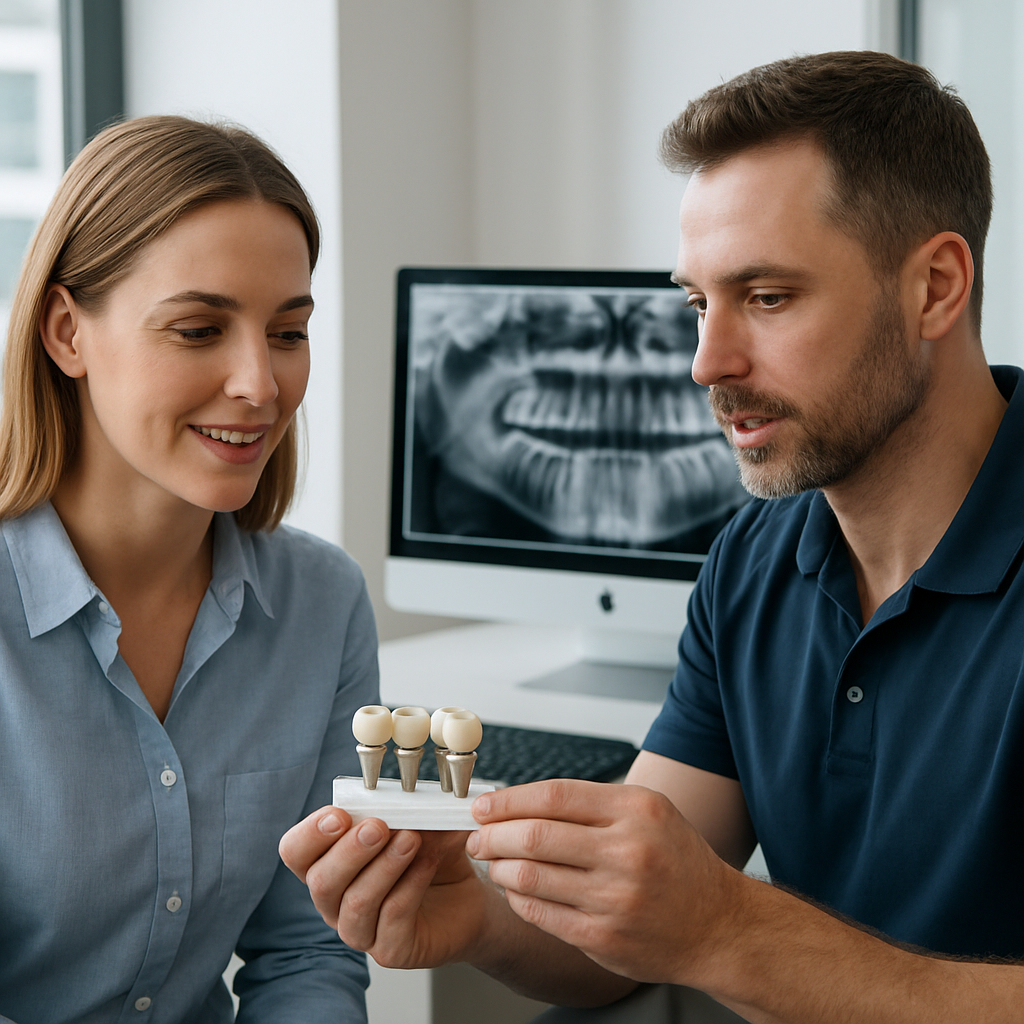
The fabrication process of dental bridges is a cornerstone in restorative dentistry, particularly for those seeking effective solutions in missing teeth replacement. In London, the demand for London Dental Bridges has significantly increased, prompting dental professionals to continuously enhance their fabrication techniques. This stage involves meticulous planning and precise execution.
Initially, dental impressions are taken to ensure an accurate fit; this is crucial for the success of any London Dental Bridges. Advanced technology, including digital scans and CAD/CAM systems, plays a vital role in achieving the necessary precision. The materials selected for the bridge, whether porcelain, metal, or a combination, must be tailored to meet both aesthetic and functional requirements.
Once the design is finalised, skilled technicians begin the fabrication process. This often includes the layering of materials to ensure that the final product not only mimics the appearance of natural teeth but also provides the required strength. During this phase, quality control is paramount, as any deviation can compromise the integrity of the London Dental Bridges.
After fabrication, the fitting process is equally critical. Dentists must ensure that the bridge aligns well with the patient’s bite while achieving optimal comfort. Regular follow-ups may be necessary to monitor the performance of London Dental Bridges, affirming their effectiveness in enhancing both functionality and patient confidence. This careful attention to detail throughout the fabrication process ultimately leads to successful outcomes in restorative dental care.
Understanding the Lab Process
In the realm of dental restoration, understanding the intricacies of the laboratory process is paramount for achieving optimal results. Dental laboratories play a critical role in the creation of various prosthetic devices, including London Dental Bridges. These sophisticated structures not only restore functionality but also enhance aesthetic appeal, making the lab’s craftsmanship essential.
The process typically begins with an impression taken by the dentist, which serves as the blueprint for the bridge. This impression is sent to the laboratory, where skilled technicians meticulously analyse it. They select appropriate materials, often employing high-quality ceramics or metal alloys, to ensure durability and a natural appearance in the final product. The design phase is particularly crucial, as precision is key in crafting London Dental Bridges that fit seamlessly within the patient’s dental arch.
Once the initial design is approved, the manufacturing process commences. Technicians use advanced technology, including CAD/CAM systems, to create custom-fitted bridges. Each stage of production requires a keen eye for detail, as even minor discrepancies can impact the bridge’s performance and comfort. After creating the bridge, it undergoes a thorough quality control process, ensuring that the finished product meets the highest standards.
In conclusion, the laboratory process behind London Dental Bridges is a complex interplay of artistry and technology. By fostering a collaborative relationship with dental professionals and maintaining rigorous quality control, laboratories ensure that patients receive prosthetic solutions that are both functional and aesthetically pleasing. Understanding this process not only enhances the practitioner’s confidence but also significantly improves patient satisfaction.
Timeframe for Fabrication
In the realm of dental restoration, understanding the timeframe for the fabrication of prosthetics is crucial for both practitioners and patients. The intricacies involved in the creation of London Dental Bridges dictate various timelines, largely influenced by the complexity of the case and the materials used. Typically, the fabrication process may extend from a few days to several weeks.
When a patient opts for London Dental Bridges, the initial consultation is vital for establishing a clear treatment plan. Following this, impressions and possibly digital scans are taken to ensure precision in the fabrication phase. The selection of materials, from traditional porcelain to modern zirconia, also plays a significant role in determining the timeframe; some materials require longer curing times.
Furthermore, the involvement of skilled dental technicians cannot be overstated. Their expertise in crafting London Dental Bridges significantly impacts the quality and speed of the process. Advanced technology, such as CAD/CAM systems, can expedite the design and manufacture of these prosthetics, allowing for quicker turnaround without compromising on quality.
Communication with patients is paramount. Setting realistic expectations regarding the timeframe ensures that individuals feel informed and involved in their care. Ultimately, while the process can vary, understanding these factors can help in forecasting the timeline for London Dental Bridges, thereby enhancing patient satisfaction and treatment outcomes. Efficient planning and execution lead to successful restorations that patients can rely on for years to come.
Step 5: Fitting the Bridge
The process of fitting dental bridges is a critical component in restorative dentistry, particularly when addressing tooth loss. Within the realm of London Dental Bridges, precision and artistry coalesce to ensure effective and aesthetically pleasing results. The fitting procedure typically commences with an assessment of the patient’s oral health and a meticulous examination of the surrounding teeth. This preliminary evaluation informs the dental professional on the most suitable type of bridge for the patient’s unique circumstances.
Once a customised bridge is crafted, usually through advanced techniques such as CAD/CAM technology, the next phase involves preparing the adjacent teeth. This preparation is crucial as it ensures that the bridge will securely adhere and function effectively, restoring both the bite and the overall oral function. In the context of London Dental Bridges, the emphasis on minimally invasive procedures is paramount, enhancing patient comfort while achieving optimal outcomes.
The actual fitting of the bridge requires not only technical skill but also an artistic eye. Dentists must ensure that the colour, shape, and alignment of the bridge harmonise with the patient’s natural dentition. After the initial fitting, adjustments may be necessary to perfect the placement and achieve a seamless integration within the mouth. The final step is typically accompanied by a follow-up appointment, which allows the dentist to assess the patient’s adaptation to the bridge, a critical aspect of successful London Dental Bridges treatment. Ultimately, the objective remains clear: to restore confidence and functionality in every smile.
Attaching the Bridge
In the realm of restorative dentistry, ensuring a seamless integration of prosthetic solutions is paramount. Among the various options available, London Dental Bridges stand out as a preferred choice for both patients and professionals alike. These dental fixtures not only restore aesthetics but also enhance functionality, bridging the gap created by missing teeth.
The process of fitting London Dental Bridges requires meticulous planning and precise execution. Dentists assess the patient’s oral health, considering factors such as gum condition and the alignment of surrounding teeth. This careful evaluation ensures that the bridge will fit securely and comfortably, thereby promoting long-term oral health.
Moreover, advancements in materials and technology have elevated the quality of London Dental Bridges. Modern bridges can be crafted from durable ceramics or metals, allowing for a natural appearance and exceptional strength. Such innovations enable practitioners to offer customised solutions tailored to individual patient needs, further enhancing satisfaction and treatment outcomes.
It is noteworthy that the selection of a skilled dental professional is crucial when opting for London Dental Bridges. Experienced practitioners not only have the technical expertise but also possess a keen eye for aesthetics, ensuring that the final result blends seamlessly with the patient’s existing dentition. Thus, for those considering restorative options, London Dental Bridges represent a robust solution that combines artistry with function, significantly improving the quality of life.
Ensuring Comfort and Functionality
In the realm of dental aesthetics and functionality, the integration of comfort is paramount. Patients seeking enhanced oral health often explore innovative solutions, with London Dental Bridges emerging as a popular option. These prosthetics not only restore the appearance of a natural smile but also play a crucial role in maintaining overall dental structure and function.
When considering London Dental Bridges, it is vital to ensure that the materials used are of the highest quality. Advanced dental technology and skilled craftsmanship contribute significantly to the comfort level experienced by patients. A well-fitted bridge can alleviate pressure points and enhance chewing efficiency, transforming the daily lives of those who wear them.
Moreover, the aesthetic appeal of London Dental Bridges cannot be overstated. They are designed to blend seamlessly with existing teeth, providing a natural look that boosts confidence. It is essential for dental professionals to prioritise individual patient needs, tailoring each bridge to match the unique contours of the patient’s mouth.
Furthermore, aftercare and regular follow-ups play a key role in the longevity of London Dental Bridges. By educating patients on proper maintenance and hygiene, dental practitioners can ensure that these fixtures remain comfortable and functional over time. This holistic approach not only addresses immediate concerns but also fosters long-term oral health.
Ultimately, the synergy between comfort and functionality within London Dental Bridges serves as a testament to the advancements in modern dentistry, highlighting the importance of careful planning and personalised care in achieving optimal patient outcomes.
Step 6: Aftercare and Maintenance
Ensuring the longevity and effectiveness of dental treatments hinges significantly on aftercare and maintenance. For individuals who have opted for London Dental Bridges, adhering to a structured aftercare regime is essential in promoting oral health and extending the lifespan of the bridges. The initial period following the placement of these dental solutions is critical. Patients should be well-informed about the best practices for maintaining their bridges, which often includes recommendations on proper oral hygiene, including brushing twice daily and using a suitable mouthwash.
It’s also crucial to schedule regular check-ups with a dental professional in London. These appointments not only allow for the timely identification of potential issues but also provide opportunities for professional cleaning, which is vital for the maintenance of London Dental Bridges. During these visits, dentists can assess the fit and condition of the bridges, ensuring they remain secure and functional.
Furthermore, patients should be educated about the potential impact of their dietary choices on the integrity of London Dental Bridges. Avoiding hard or sticky foods can prevent unnecessary stress on the bridges, thus enhancing their durability.
In summary, the success of London Dental Bridges is largely dependent on diligent aftercare and maintenance. By following a comprehensive care plan and engaging with dental professionals, patients can significantly improve their oral health outcomes while enjoying the aesthetic and functional benefits of their bridges for years to come.
Importance of Follow-Up Appointments
In the realm of dental care, follow-up appointments play an indispensable role, particularly concerning advanced procedures such as London Dental Bridges. These appointments are not merely a formality; they are critical for assessing the success of the initial treatment and ensuring optimal healing. Following the placement of London Dental Bridges, regular check-ups enable dental professionals to monitor the integrity of the bridge, manage patient discomfort, and make adjustments as necessary.
Moreover, these follow-ups provide an opportunity to educate patients on proper oral hygiene practices that are vital for the longevity of their London Dental Bridges. By reinforcing the importance of meticulous care and regular dental visits, practitioners can significantly enhance the overall outcome. Establishing a routine that includes follow-up appointments not only fosters a trusting relationship between the patient and dentist but also contributes to long-term oral health.
Neglecting these crucial visits can lead to complications, such as infections or misalignments that could jeopardise the stability of London Dental Bridges. Therefore, patients must understand that these follow-ups are integral to maintaining the aesthetic and functional qualities of their dental work. In essence, they are a proactive measure that safeguards the investment made in one’s dental health. Emphasising the significance of follow-up appointments will empower patients, leading to better adherence and ultimately, enhanced dental outcomes.
Daily Care Tips for Longevity
Maintaining good oral health is vital for enhancing longevity and overall well-being. Daily habits play a crucial role in preserving one’s dental integrity and achieving a radiant smile that lasts a lifetime. One effective approach is to establish a comprehensive oral hygiene routine that includes regular brushing and flossing. This simple practice can significantly reduce the risk of gum disease, which is linked to various systemic health issues.
In addition to proper hygiene, considering restorative options such as London Dental Bridges can be instrumental in maintaining both functionality and aesthetics. These dental prosthetics not only fill gaps left by missing teeth but also support neighbouring teeth, ensuring a balanced bite and preventing further dental complications. Regular consultations with dental professionals are essential for identifying when treatments like London Dental Bridges are necessary.
Moreover, diet plays a pivotal role in oral health. Consuming a balanced diet rich in vitamins and minerals can strengthen teeth and gums, while reducing sugary snacks helps prevent tooth decay. It is advisable to stay hydrated, as adequate saliva production aids in natural mouth cleansing.
Finally, regular dental check-ups are indispensable. They allow for early detection of potential issues and provide opportunities to discuss options like London Dental Bridges that might be beneficial. By integrating these practices into your daily routine, not only can you enhance your dental health, but you may also promote longevity and a better quality of life overall.
Conclusion: Transform Your Smile with London Dental Bridges

Improving your smile can significantly enhance your confidence and overall quality of life. For individuals with missing teeth, London Dental Bridges offer an effective solution that not only restores functionality but also ensures aesthetic appeal. These custom-designed dental restorations bridge the gap created by absent teeth, providing a seamless integration with your existing dental structure.
The procedure for obtaining London Dental Bridges is straightforward and is tailored to meet the specific needs of each patient. During the initial consultation, a skilled dentist evaluates your oral health and discusses the best options for your circumstances. Once the decision is made, the bridge is crafted to match the natural colour and shape of your teeth, ensuring a harmonious appearance.
Moreover, opting for London Dental Bridges can prevent the surrounding teeth from shifting, thus maintaining the structural integrity of your bite. With proper care, these bridges can last for many years, offering durability and longevity. Patients often report not only an improvement in their smiles but also an enhanced ability to chew and speak comfortably.
In conclusion, choosing London Dental Bridges is a proactive step towards achieving a healthier and more attractive smile. Whether you are looking to restore lost teeth or simply enhance your dental aesthetics, this solution provides a reliable and effective outcome. Embrace the opportunity to transform your smile, as it is often the first impression you leave on others.