Introduction to London Dental Bridges The realm of restorative dentistry has witnessed significant advancements, and London Dental Bridges represent one of the most effective solutions for addressing the challenges posed by tooth loss. These dental prosthetics not only restore function but also enhance aesthetics, offering patients the confidence to smile again. Crafted with precision, London …

Introduction to London Dental Bridges

The realm of restorative dentistry has witnessed significant advancements, and London Dental Bridges represent one of the most effective solutions for addressing the challenges posed by tooth loss. These dental prosthetics not only restore function but also enhance aesthetics, offering patients the confidence to smile again. Crafted with precision, London Dental Bridges serve to fill gaps left by missing teeth, effectively bridging the divide and providing a seamless transition in the dental arch.
In the heart of London, dental professionals are increasingly utilising cutting-edge materials and techniques to create bespoke bridges tailored to each patient’s unique dental anatomy. The process begins with a thorough evaluation of the individual’s oral health, ensuring that the surrounding teeth and gums are robust enough to support the bridge. Once this assessment is completed, the design phase can commence, often employing advanced imaging technologies to guarantee a perfect fit.
Moreover, patient education plays a crucial role in the successful implementation of London Dental Bridges. Individuals are informed about their options, including fixed and removable bridges, allowing them to make informed decisions that align with their lifestyle and preferences. The longevity of these bridges can significantly depend on proper oral hygiene and regular dental check-ups, highlighting the importance of ongoing patient engagement.
In summary, London Dental Bridges not only restore the functionality of a patient’s bite but also significantly contribute to their overall quality of life. As technology continues to evolve, the future of dental bridging in London looks promising, with an emphasis on durability, aesthetics, and patient satisfaction.

What Are Dental Bridges?
Dental bridges serve as a highly effective solution for individuals dealing with tooth loss, offering both aesthetic and functional restoration. These prosthetic devices are designed to bridge the gap created by one or more missing teeth, thus ensuring a complete and harmonious dental arch. Typically crafted from materials such as porcelain or ceramic, dental bridges are custom-made to match the colour and shape of your natural teeth, providing a seamless appearance.
In the context of London Dental Bridges, the procedure often involves the placement of crowns on the adjacent teeth, which act as anchors for the bridge. This method not only helps in restoring the smile but also assists in maintaining the integrity of the facial structure. By preventing the shifting of neighbouring teeth into the gap, patients can avoid potential complications that arise from misalignment.
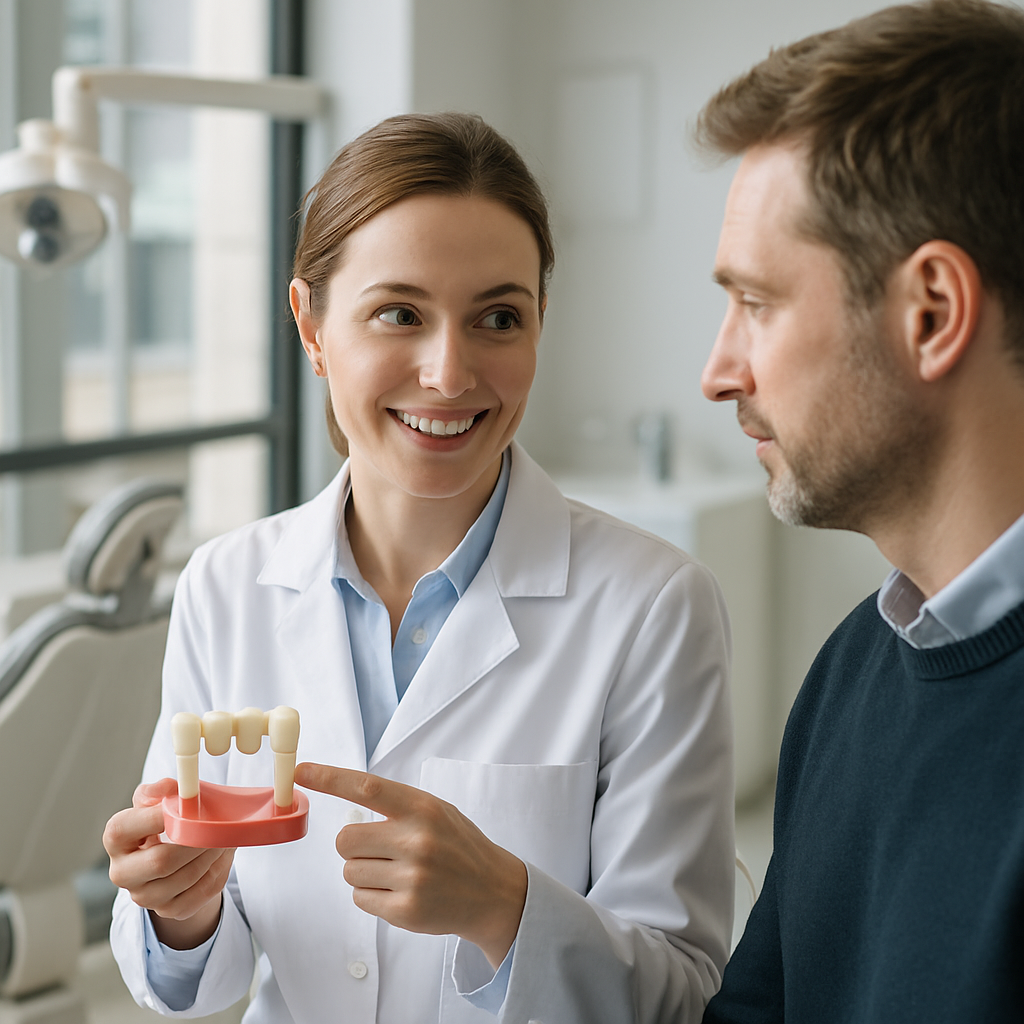
Those seeking options for London Dental Bridges should consider consulting with a qualified dental professional to explore the specific types available, including traditional, cantilever, and Maryland bridges. Each type serves unique cases and patient needs, ensuring a tailored approach to dental restoration.
Moreover, the benefits extend beyond aesthetics. Properly fitted bridges can enhance chewing function and improve speech, allowing individuals to regain confidence in their everyday activities. For further insights into the options available for restoring your smile, visit this informative resource on dental bridges. Ultimately, investing in London Dental Bridges can lead to long-term satisfaction and improved oral health.
The Procedure for Getting London Dental Bridges
Embarking on the journey to restore your smile with London Dental Bridges involves a methodical approach that prioritises both aesthetic appeal and functional integrity. Initially, a comprehensive consultation with a qualified dentist is essential. During this appointment, the dental professional will assess the condition of your teeth and gums, discussing the various options available, including the type of bridge that best suits your needs.
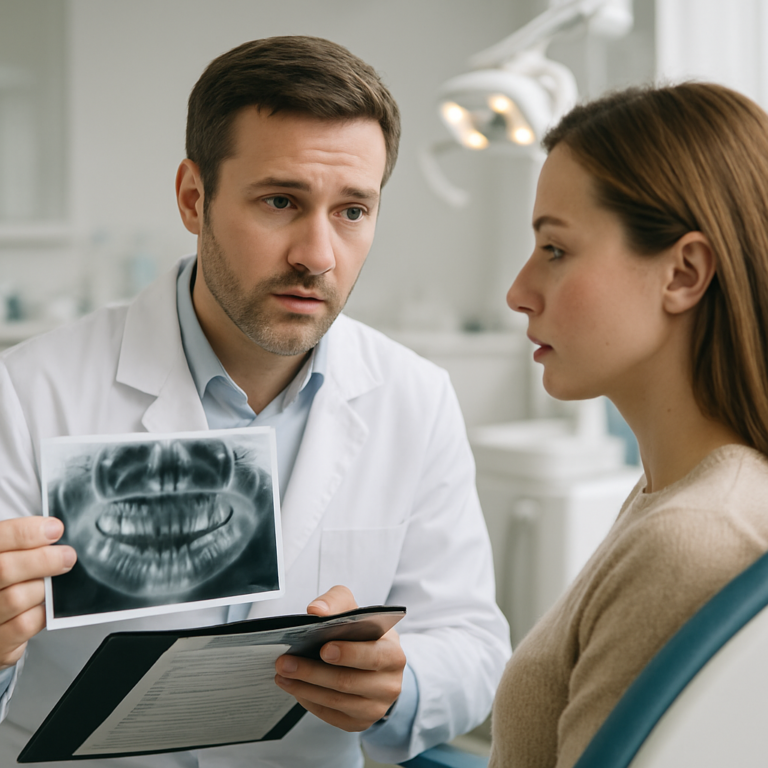
Following this assessment, detailed imaging techniques, such as X-rays or 3D scans, may be utilised to ensure an accurate representation of your oral structure. This diagnostic step is crucial for devising an effective treatment plan tailored to your unique circumstances. Once the plan is established, the next phase involves preparing the adjoining teeth to support the bridge. This may require some alteration to ensure a seamless fit, enabling the London Dental Bridges to function optimally.
After the preparatory work, impressions of your teeth will be taken to create a custom bridge that matches the shade and shape of your existing teeth. Temporary bridges may be placed while your custom solution is being fabricated, which typically takes a few weeks. When the final product is ready, your dentist will carefully position the London Dental Bridges, ensuring a comfortable and secure fit.
Regular follow-ups and proper oral hygiene practices will be emphasised to maintain the longevity and effectiveness of your London Dental Bridges. This comprehensive procedure not only restores functionality but also enhances the overall aesthetics of your smile, leading to greater confidence and well-being.
Potential Side Effects of London Dental Bridges
When considering restorative dental options, patients may find themselves intrigued by the benefits of London Dental Bridges. However, it is crucial to acknowledge that, like any dental procedure, there might be potential side effects associated with their use. One common concern is the possibility of sensitivity in the adjacent teeth following the installation of London Dental Bridges. This sensitivity can arise from the alteration of tooth structure during preparation, which may lead to discomfort when consuming hot or cold foods.
Another possible complication is the risk of gum irritation. Patients may experience inflammation or tenderness around the site of the bridge, particularly if the fit is not precise. In such cases, it is advisable to return to the dental professional for adjustments to ensure the London Dental Bridges are not causing undue pressure on the gums.
Furthermore, there is a slight chance of the bridge becoming loose over time, especially if proper oral hygiene is not maintained. Regular cleaning and check-ups are essential to prolong the lifespan of London Dental Bridges and minimise the risk of additional dental issues. In some instances, patients may also report aesthetic concerns if the colour of the bridge does not match the surrounding teeth, which underscores the importance of discussing these expectations with the dentist before proceeding.
For a deeper understanding of these procedures and their implications, one may refer to a comprehensive resource on the subject of dentistry available here. Being well-informed can significantly enhance the decision-making process regarding dental health and restorative options.
Common Discomfort and Sensitivity
Many patients experience discomfort and sensitivity when undergoing dental procedures, particularly those involving restorative treatments. A common concern revolves around the effectiveness of materials used in procedures, such as London Dental Bridges. While designed to improve functionality and aesthetics, some individuals may find that these dental bridges lead to unexpected sensitivities, particularly to temperature changes. This reaction often results from the nature of the materials employed, which can interact with the underlying tooth structure.
Moreover, the fitting process is crucial in mitigating discomfort. A poorly fitted London Dental Bridge can create pressure points, exacerbating sensitivity and leading to discomfort during regular activities such as eating or drinking. It is paramount for dental professionals to conduct thorough assessments before the procedure, ensuring that the bridge aligns perfectly with the patient’s natural bite.
In addressing sensitivity, practitioners should inform patients about the possible experiences they may encounter post-procedure. The adjustment period can often involve temporary discomfort, but this should gradually subside as the mouth acclimatises to the London Dental Bridges. Additionally, dentists should provide guidance on managing sensitivity, including the use of desensitising toothpaste or dietary modifications to help ease any initial discomfort.
Ultimately, understanding the underlying causes of discomfort related to London Dental Bridges allows both patients and practitioners to navigate these challenges effectively, ensuring a smoother and more comfortable dental experience.
Allergic Reactions to Materials
The occurrence of allergic reactions to dental materials is a growing concern within the field of dentistry, particularly when it comes to treatments such as London Dental Bridges. Patients can exhibit hypersensitivity to metals, resins, and other substances commonly used in dental prosthetics. It is crucial for dental professionals to remain vigilant and informed about the potential for these reactions, as they can lead to significant discomfort and complications for the patient.
In the context of London Dental Bridges, practitioners should conduct thorough medical histories and patient consultations to identify any known allergies. Common allergens in dental materials include nickel, palladium, and certain acrylics. If a patient presents with a history of contact dermatitis or systemic reactions, alternative materials should be considered to mitigate risks.
Furthermore, advancements in the field of dentistry have led to the development of hypoallergenic materials that can be used in London Dental Bridges, allowing patients with sensitivities to receive necessary dental care without the fear of adverse reactions. Research and innovation in biocompatible materials are essential to ensure that both aesthetic and functional requirements are met while prioritising patient safety.
Ultimately, staying updated on material science and patient care is paramount for dental practitioners. By integrating the latest findings into their practice, they can offer London Dental Bridges that not only restore function and beauty but also cater to the individual needs of each patient, ensuring a positive and safe treatment experience.
Changes in Bite and Jaw Alignment
The effective alignment of bite and jaw is crucial for optimal dental health and overall well-being. Misalignments can lead to a variety of issues, including discomfort, difficulties in chewing, and even complications in speech. In the context of modern dentistry, the role of London Dental Bridges has become increasingly significant. These restorative devices can not only enhance aesthetics but also play an essential role in addressing alignment concerns by redistributing bite forces and improving occlusion.
Patients with misaligned jaws often face chronic pain and dysfunction, which can severely impact their quality of life. The use of London Dental Bridges provides a non-invasive solution that can alleviate these symptoms while restoring functionality. By carefully planning the placement of these bridges, dental professionals can help to correct bite discrepancies, leading to an improved alignment of the jaw.
Furthermore, advancements in dental technology have enabled practitioners to create customised London Dental Bridges that cater to the unique anatomical needs of each patient. This level of precision ensures not only comfort but also durability, as they can effectively support the jaw and surrounding structures.
As awareness grows regarding the importance of bite and jaw alignment, the integration of London Dental Bridges into treatment regimens is becoming more prevalent. Patients are encouraged to consult with qualified dental professionals to explore how these bridges can address their specific alignment problems, ultimately enhancing both their oral health and their overall quality of life.
Risks Associated with London Dental Bridges

When considering dental options, it is crucial to be aware of the potential risks involved, particularly with London Dental Bridges. These restorative solutions, while effective for replacing missing teeth, can present several challenges. Firstly, the preparation of adjacent teeth for bridge placement may lead to sensitivity or even irreversible damage to the tooth structure. This is particularly concerning in cases where the supporting teeth are already compromised.
Moreover, there is a risk of improper fit with London Dental Bridges. If the bridge does not align correctly, it could cause discomfort during chewing or even lead to further dental issues, such as misalignment of the bite. Chronic pain and inflammation in the gums can also arise, which may necessitate additional treatments to rectify the problem.
Another significant consideration is the longevity of London Dental Bridges. While they are designed to be durable, wear and tear can occur over time, sometimes leading to the need for replacement or repair. Patients must also maintain a diligent oral hygiene routine, as poor care can result in decay of the supporting teeth or the bridge itself.
Lastly, it’s important to consult with a qualified dentist who has expertise in London Dental Bridges to mitigate these risks effectively. Comprehensive evaluations and personalised treatment plans are essential to ensure a successful outcome. Understanding these facets can aid patients in making informed decisions regarding their dental health and the use of bridges as a restorative option.
Tooth Decay and Gum Disease
Oral health is crucial for overall well-being, and understanding the implications of untreated dental issues is essential. Tooth decay and gum disease are two prevalent conditions that can significantly affect a person’s quality of life. The bacteria that thrive in dental plaque cause tooth decay, leading to cavities and, ultimately, tooth loss if not addressed promptly. Gum disease, on the other hand, begins with gingivitis and can escalate to periodontitis, potentially resulting in severe damage to the supporting structures of teeth.
For those seeking solutions to these oral health problems, London Dental Bridges can play a vital role. These restorative options not only enhance the aesthetics of a smile but also serve to maintain dental function by filling gaps created by missing teeth. While prevention through proper oral hygiene is imperative, many individuals may find themselves in need of these advanced solutions due to neglect or hereditary factors.
Moreover, the aesthetic benefits of London Dental Bridges cannot be overstated. They help restore confidence by providing a natural appearance, which is particularly important in a society that values a healthy smile. Regular dental check-ups and professional cleanings can help mitigate the risks of decay and gum disease.
In conclusion, awareness and proactive management of tooth decay and gum disease are key to maintaining oral health. For individuals grappling with these issues, considering London Dental Bridges can offer a practical and effective way to enhance both function and appearance, contributing positively to one’s overall quality of life.
Failure of the Bridge
In the realm of dentistry, particularly with the increasing reliance on innovative solutions, the integrity of dental restorations holds critical significance. Among these solutions, London Dental Bridges serve as a pivotal method for restoring both functionality and aesthetics in patients with tooth loss. However, instances of failure in these bridges can lead to significant complications, highlighting the necessity for rigorous standards in design and implementation.
The common causes of failure often stem from inadequate planning or a lack of proper material selection. For instance, when practitioners adopt substandard materials or overlook vital anatomical considerations, the likelihood of bridge failure escalates. In the context of London Dental Bridges, professionals must ensure that the framework is not only resilient but also compatible with the patient’s oral environment.
Another significant factor is the maintenance of the dental bridge itself. Patients must be educated on proper hygiene practices, as neglect can lead to periodontal diseases that jeopardise the stability of London Dental Bridges. It is imperative for dental practitioners to foster a collaborative approach, ensuring that patients are engaged in their treatment plans and understand the implications of their oral health on the longevity of their bridges.
Ultimately, the success of London Dental Bridges hinges on a combination of meticulous planning, quality materials, and patient cooperation. By addressing these elements, dental professionals can significantly reduce the incidence of failure, thereby enhancing patient satisfaction and improving overall outcomes in restorative dentistry.
Impact on Adjacent Teeth
The alignment and overall health of adjacent teeth can be significantly influenced by restorative procedures, particularly when utilising London Dental Bridges. These structures serve not only to replace missing teeth but also to support the surrounding dental architecture. When designed and implemented correctly, London Dental Bridges ensure that the bite force is evenly distributed, thereby safeguarding adjacent dentition from excessive wear or misalignment.
Moreover, the lack of a tooth can lead to adjacent teeth shifting into the gap, which may result in further complications, such as periodontal disease or additional tooth loss. By employing London Dental Bridges, dental professionals can maintain the proper spacing and alignment, effectively preventing these issues. The materials used in the construction of these bridges are meticulously selected to blend seamlessly with natural teeth, ensuring both aesthetic appeal and functional durability.
In addition to maintaining dental alignment, London Dental Bridges play a crucial role in enhancing oral hygiene. By filling in gaps, they prevent food particles and plaque build-up between teeth, which can otherwise lead to decay. Regular maintenance and professional check-ups are essential to ensure the longevity of the bridge and the health of adjacent teeth.
Ultimately, the impact on adjacent teeth when utilising London Dental Bridges cannot be understated. A well-placed bridge promotes a harmonious oral environment, crucial for both dental aesthetics and overall health. Therefore, it is paramount for dental practitioners to consider the broader implications of tooth restoration on the surrounding dentition.
How to Mitigate Risks and Side Effects
Navigating the complexities of dental procedures requires a keen understanding of potential risks and side effects, particularly when considering restorative options like London Dental Bridges. Effective planning and consultation can significantly reduce these concerns while enhancing patient confidence and satisfaction.
Firstly, thorough patient assessment is crucial. Dentists must evaluate medical history, oral hygiene habits, and lifestyle factors. By doing so, practitioners can identify any underlying issues that may complicate the procedure, ensuring that patients are informed and prepared for what to expect. The use of advanced imaging technology can also aid in visualising the patient’s dental structure, thereby minimising surprises during the treatment of London Dental Bridges.
Moreover, clear communication is essential. Patients should be educated about the procedure, including any possible side effects such as discomfort or sensitivity post-treatment. Providing this information not only empowers patients but also alleviates anxiety, leading to a smoother recovery process. Furthermore, offering tailored aftercare instructions can help mitigate complications that may arise after fitting London Dental Bridges.
Finally, continuous professional development and adherence to best practices play a vital role in risk management. Dentists should stay updated on the latest techniques and materials to enhance the longevity and functionality of London Dental Bridges. Collaboration with dental specialists can further ensure that any potential issues are promptly addressed, ultimately leading to successful outcomes and satisfied patients.
By focusing on these strategies, dental professionals can effectively minimise risks and side effects, providing patients with the quality care they deserve.
When to Consult Your Dentist
Understanding when to seek the expertise of a dental professional is crucial for maintaining optimal oral health. Regular check-ups are essential, yet there are specific circumstances that necessitate a more immediate consultation. For instance, experiencing persistent pain or discomfort in your teeth or gums should prompt you to reach out to a dentist without delay. Such symptoms could indicate underlying issues that may require interventions, including the application of London Dental Bridges.
Additionally, if you notice any changes in the alignment of your teeth, or if there is visible damage such as chips or fractures, it is advisable to consult your dentist promptly. These changes might not only affect your bite but could also necessitate the use of London Dental Bridges to restore your smile effectively.
Another pivotal moment to consider seeking professional advice is when your teeth appear discoloured, or if you are facing difficulties in chewing or speaking. Such conditions may signal the need for restorative procedures, including London Dental Bridges, which offer a durable solution for missing teeth.
Finally, if you have recently undergone dental surgery or procedures, following up with your dentist is paramount to ensure proper healing and to address any potential complications. Remember, prioritising your dental health means recognising when professional guidance is necessary, not only for preventive care but also for solutions like London Dental Bridges that can significantly enhance your quality of life.
Conclusion: Making Informed Decisions

In the realm of dental care, making informed decisions is paramount, particularly when considering restorative options such as London Dental Bridges. These innovative solutions not only restore functionality but also enhance aesthetics, making them a popular choice for many patients. However, the process of choosing the right bridge model requires thorough understanding and careful thought.
Firstly, it’s crucial to consult with a qualified dental professional who has extensive experience with London Dental Bridges. This consultation allows patients to discuss their specific needs and any potential concerns, ensuring they are fully informed about the various types of bridges available. Each option may differ in terms of materials, longevity, and cost, which are all essential factors to consider.
Secondly, researching the latest advancements in dental technology can significantly influence your decision-making process. The landscape of London Dental Bridges is continually evolving, and staying updated with new materials and techniques can lead to better patient outcomes. For instance, some bridges now offer improved strength and aesthetic appeal due to the introduction of cutting-edge materials.
Finally, it is advisable to evaluate the long-term implications of choosing a particular bridge. Understanding maintenance requirements and potential future treatments can help in making a fully informed choice. Ultimately, investing time in research and consultation will not only ensure the best aesthetic results but also promote long-term oral health. Opting for London Dental Bridges can be a transformative decision, and making it with confidence can lead to a more fulfilling dental experience.