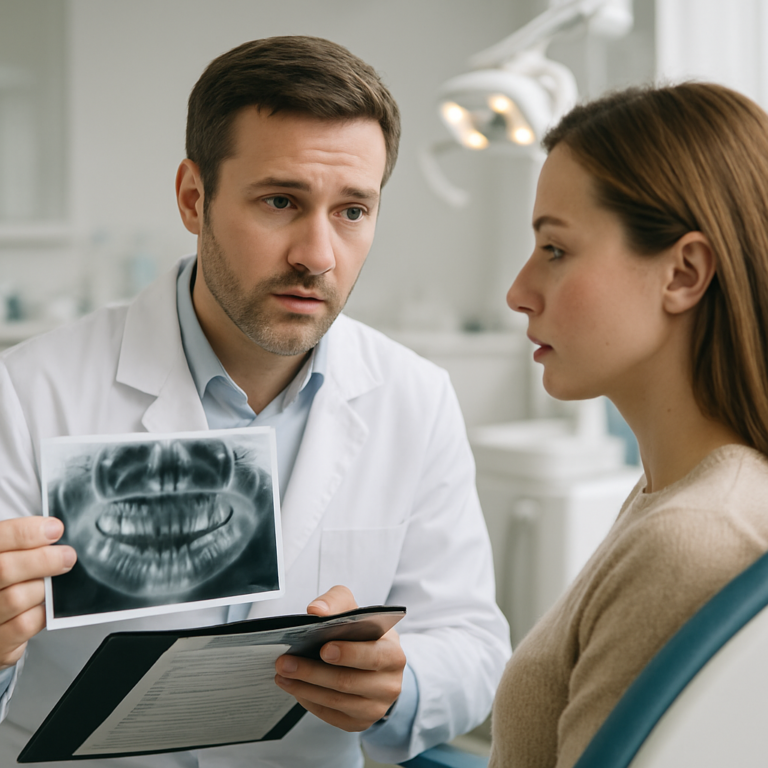
Understanding Bruxism: Causes and Symptoms Bruxism, commonly referred to as teeth grinding or jaw clenching, is a condition that affects numerous individuals, often unnoticed until significant damage occurs. acardentclinic bruxism before and after cases reveal the profound impact this condition can have on dental health. Understanding the causes of bruxism is crucial for effective management …

Understanding Bruxism: Causes and Symptoms
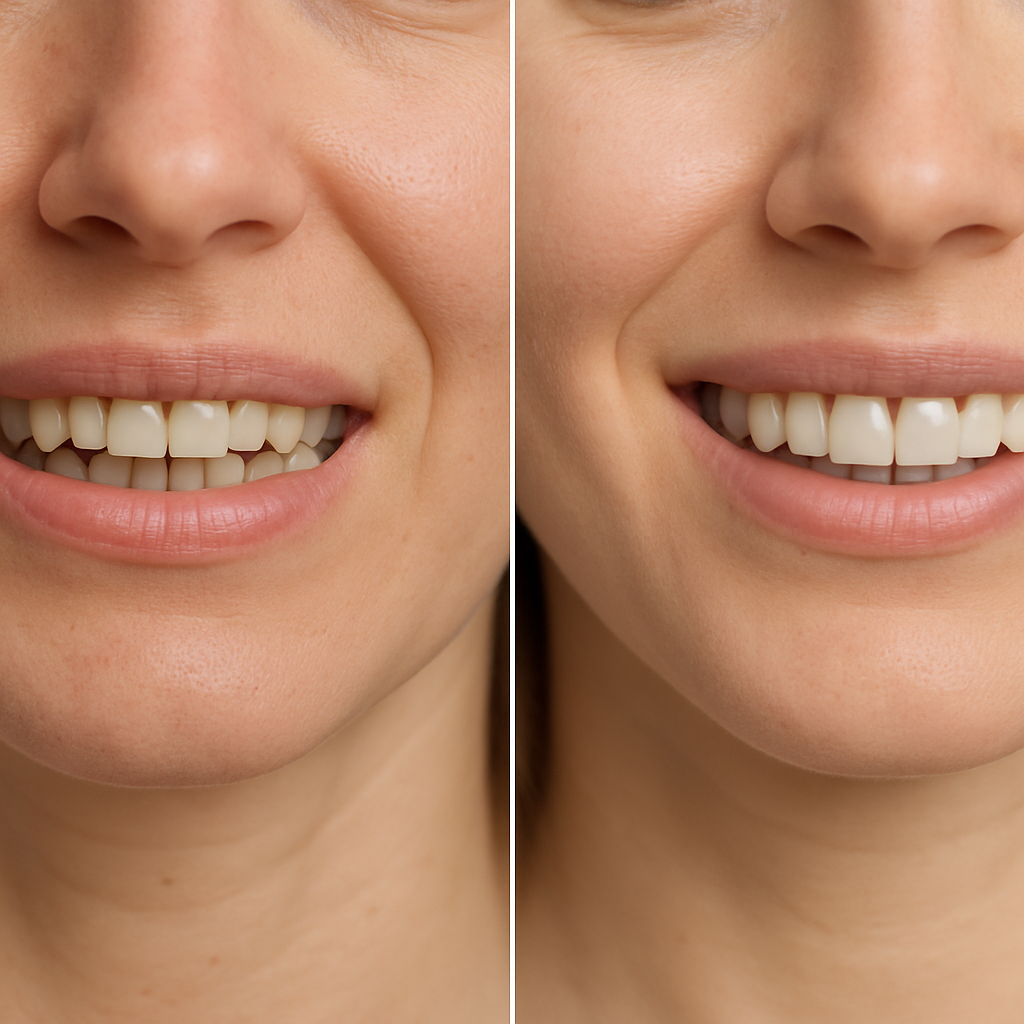
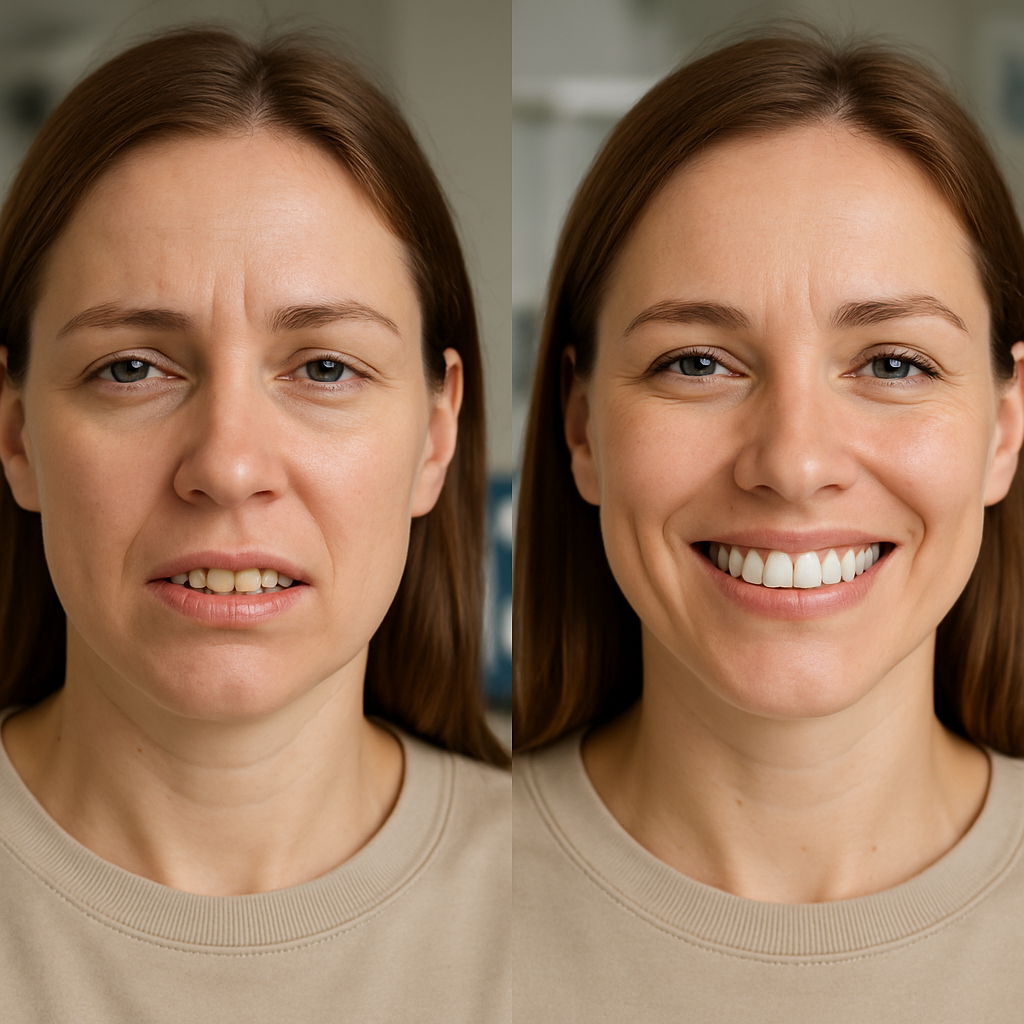
Bruxism, commonly referred to as teeth grinding or jaw clenching, is a condition that affects numerous individuals, often unnoticed until significant damage occurs. acardentclinic bruxism before and after cases reveal the profound impact this condition can have on dental health. Understanding the causes of bruxism is crucial for effective management and prevention. Factors such as stress, anxiety, misaligned teeth, and sleep disorders have been identified as prominent triggers. In some instances, certain lifestyle choices, including excessive alcohol consumption and smoking, can exacerbate the condition.
Symptoms of bruxism may vary, but they typically include jaw pain, headaches, and worn teeth surfaces. Individuals may also experience increased tooth sensitivity and even earaches, which can often be misdiagnosed. The repercussions of untreated bruxism extend beyond immediate discomfort, leading to more severe dental issues like fractures or loss of enamel. This is where the acardentclinic bruxism before and after evidence significantly highlights the transformative effect of intervention.
Effective treatment modalities often include stress management techniques, dental appliances, and lifestyle modifications. Patients who have undergone treatment showcase remarkable improvements, underscoring the importance of early detection and intervention. The acardentclinic bruxism before and after results serve as a testament to how proactive measures can significantly alleviate symptoms and restore dental health. In conclusion, comprehending the causes and symptoms of bruxism is essential for healthcare professionals to provide adequate support and guidance, ensuring patients achieve optimal oral health.

The Importance of Aftercare in Bruxism Treatment
Effective management of bruxism, a condition characterised by grinding or clenching of the teeth, necessitates a comprehensive approach that includes diligent aftercare. Aftercare is vital not only for alleviating immediate symptoms but also for preventing the condition from escalating. At the acardentclinic bruxism before and after treatment is meticulously documented, emphasizing the transformative effects of ongoing care. Following a treatment plan, patients often encounter changes in their oral health and overall well-being, making it essential to prioritise aftercare strategies.
Patients are encouraged to engage in regular follow-up appointments where they can discuss their progress and any persisting issues. This open dialogue allows practitioners to tailor aftercare recommendations to the individual needs of each patient. Additionally, implementing stress-relief techniques, such as mindfulness or relaxation exercises, can significantly enhance outcomes. The acardentclinic bruxism before and after results reflect that individuals who actively participate in their aftercare tend to achieve better long-term results.
Moreover, it’s crucial to educate patients about proper oral hygiene practices and the importance of wearing night guards as prescribed. These preventive measures significantly mitigate the risk of further dental complications. By fostering a proactive approach to aftercare, patients can enjoy a smoother transition and a more sustainable recovery journey. Ultimately, the link between effective aftercare and successful bruxism treatment is undeniable, as evidenced by the positive changes observed in the acardentclinic bruxism before and after documentation. For more insights into managing bruxism and enhancing treatment outcomes, you can visit this resource.
Initial Steps Post-Treatment
The journey following treatment is critical for optimal recovery and long-term success. Patients often find themselves navigating various challenges, especially when it comes to post-treatment care. Establishing a solid foundation is essential, and understanding what to expect can significantly ease any anxiety. Those who have experienced acardentclinic bruxism before and after treatments find that the initial weeks are particularly pivotal for achieving the desired outcomes.
During this period, it is important to adopt a proactive approach. Engage with your healthcare provider to clarify any doubts you might have regarding your recovery process. Regular follow-ups ensure that your progress is monitored, allowing for adjustments to be made as necessary. Patients often report that sharing their experiences with others who have undergone acardentclinic bruxism before and after can provide invaluable insights and emotional support during this time.
Moreover, adhering to prescribed routines, which may include specific exercises or lifestyle modifications, plays a crucial role in recovery. The commitment to these practices can enhance the long-term effectiveness of the treatment. For instance, many individuals notice significant improvements in their condition after taking consistent, small steps towards managing their symptoms post-treatment.
Ultimately, staying informed and engaged with both healthcare professionals and support networks is vital. Reflecting on the differences observed in acardentclinic bruxism before and after can motivate patients to maintain their commitment to recovery. Valuing the initial steps not only paves the way for a successful outcome but also fosters resilience, ensuring that the benefits of treatment are both enduring and meaningful.
Pain Management Techniques
Effective pain management is a critical aspect of patient care, particularly in the realm of dentistry, where conditions such as bruxism often lead to significant discomfort. Understanding various techniques is essential for practitioners aiming to alleviate symptoms and improve quality of life for their patients. One innovative approach involves the integration of physical therapy methods alongside traditional dental practices. This can include targeted exercises to strengthen jaw muscles, which may significantly reduce the intensity of pain associated with bruxism.
Another essential technique is the use of custom mouthguards, designed to prevent teeth grinding during sleep. These devices not only protect the teeth from wear but also help alleviate muscle tension in the jaw. Following their application, patients frequently report experiencing less discomfort, thereby showcasing the efficacy of such interventions. Observing acardentclinic bruxism before and after results further highlights the transformative impact of tailored treatment plans.
In addition to these methods, cognitive behavioural therapy (CBT) has proven to be beneficial for patients struggling with the psychological aspects of chronic pain. By addressing behavioural patterns and stress management, CBT can complement physical treatments, creating a holistic approach. Many dental professionals now advocate for this integrative strategy, emphasising the importance of comprehensive care.
Furthermore, advancements in technology have opened avenues for the use of transcutaneous electrical nerve stimulation (TENS) in managing pain. This non-invasive technique can provide immediate relief, making it a valuable tool in the dental arsenal. Patients often share their journeys through acardentclinic bruxism before and after testimonials, illustrating the profound changes achievable through dedicated pain management strategies.
For more insights on dental practices, refer to this relevant article.
Dietary Considerations for Recovery
Nutrition plays a pivotal role in recovery, particularly for individuals grappling with dental issues like bruxism. When considering dietary choices, it is crucial to focus on foods that bolster oral health, reduce inflammation, and promote overall healing. A diet rich in vitamins and minerals, such as calcium and vitamin D, can significantly aid in strengthening teeth and bones, essential for those experiencing the aftermath of conditions like bruxism.
Incorporating soft, nutrient-dense foods can also alleviate discomfort during recovery. Smoothies, pureed soups, and soft fruits provide essential nutrients without exerting pressure on sensitive teeth. Additionally, staying hydrated is paramount; water not only hydrates but also helps to wash away food particles, reducing the risk of dental complications.
For anyone exploring treatment options, the acardentclinic bruxism before and after cases offer valuable insights into the potential benefits of dietary adjustments in conjunction with professional care. Observing the changes in patients’ conditions post-treatment highlights the importance of integrating dietary considerations into recovery strategies.
Moreover, certain foods should be avoided during the healing process. Sugary items and acidic beverages can exacerbate dental issues and compromise recovery. Instead, a focus on whole foods—vegetables, lean proteins, and whole grains—can provide the necessary nutrients while promoting a healthier oral environment.
Ultimately, adopting a comprehensive approach that merges dietary considerations with professional guidance, such as those found in the acardentclinic bruxism before and after scenarios, can significantly enhance recovery outcomes. This balanced strategy will not only facilitate healing but also support long-term oral health.
Foods to Avoid After Treatment
Following treatment, particularly in cases involving dental issues such as bruxism, it is crucial to be mindful of your dietary choices. Certain foods can exacerbate discomfort or hinder healing, making it essential to navigate your post-treatment diet thoughtfully. For instance, hard and crunchy foods can pose a risk to sensitive teeth or any dental work performed, potentially leading to complications that could delay recovery.
Moreover, sugary and acidic foods should be approached with caution. They not only contribute to tooth erosion but can also provoke inflammation in already sensitive areas. To maintain oral health, avoiding such foods is advisable. In particular, patients who have undergone treatments related to bruxism should take extra care. The acardentclinic bruxism before and after experience underscores the importance of a balanced diet tailored to support healing.
Soft, nutritious options like smoothies, soups, and easily chewable fruits can be beneficial during this period. These choices not only provide essential vitamins and minerals but also help keep the body nourished without causing strain on the teeth. As patients transition from treatment, incorporating these gentle foods can promote recovery and enhance overall comfort.
Ultimately, understanding the implications of dietary choices post-treatment is vital. Careful consideration of what to consume can significantly impact recovery time and comfort levels. The acardentclinic bruxism before and after guidelines can assist individuals in making informed decisions about their diets, ensuring that the journey towards optimal oral health is both effective and supportive.
Recommended Nutritional Choices
Understanding the role of nutrition in overall health is pivotal, particularly when considering its impact on conditions such as bruxism. Individuals affected by this issue often overlook how dietary choices can exacerbate or alleviate their symptoms. Incorporating specific nutrients can significantly aid in managing bruxism, leading to improved well-being and functionality. For instance, foods rich in magnesium, such as leafy greens and nuts, are renowned for their muscle-relaxing properties, which can counteract the tension that contributes to teeth grinding.
Additionally, omega-3 fatty acids, found in fish and flaxseeds, not only promote cardiovascular health but may also reduce inflammation and stress levels, both of which are crucial factors for those experiencing bruxism. Moreover, a balanced diet that keeps blood sugar levels stable can help mitigate stress triggers, relevant to those seeking to understand the acardentclinic bruxism before and after context. By making conscientious dietary choices, patients can observe remarkable transformations in their condition.
Hydration is another aspect that should not be underestimated. Adequate water intake supports muscle function, preventing cramping and discomfort that could lead to bruxism episodes. It’s a multifaceted approach; for those seeking comprehensive management strategies, the acardentclinic bruxism before and after data shows a clear correlation between nutritional adjustments and symptom relief.
Ultimately, a focus on recommended nutritional choices can empower individuals to take an active role in their health management, potentially leading to a notable improvement in their quality of life as evidenced by the acardentclinic bruxism before and after results. Through informed dietary practices, one can navigate the path towards alleviating the burdens of bruxism effectively.

Oral Hygiene Practices After Bruxism Treatment
Maintaining optimal oral hygiene is crucial, particularly following treatment for bruxism. Individuals who have undergone procedures such as those provided at acardentclinic bruxism before and after often experience a shift in their dental health, necessitating a more vigilant approach to oral care. After treatment, it’s essential to adopt a comprehensive oral hygiene routine that includes regular brushing and flossing. Utilising a soft-bristled toothbrush can help protect sensitive gums, which may be more susceptible post-treatment.
Moreover, incorporating antimicrobial mouthwash can further enhance oral hygiene by reducing plaque accumulation and combating any potential infections. Regular dental check-ups should be prioritised, as these appointments allow for the monitoring of progress and ensure that the treatment outcomes are sustained over time. Notably, patients who follow up on their treatment often find significant improvements in their overall dental health, as confirmed by numerous testimonials at acardentclinic bruxism before and after.
Additionally, dietary considerations play an essential role in maintaining oral hygiene. Reducing the intake of sugary and acidic foods can contribute to healthier teeth and gums, minimising the risk of decay or further complications. Harmful habits, such as chewing on hard objects or grinding teeth, should be actively discouraged, as they can counteract the benefits of the treatment received. Ultimately, a proactive and informed approach to oral hygiene post-bruxism treatment, as exemplified by the strategies at acardentclinic bruxism before and after, will help ensure lasting dental health and comfort.
Lifestyle Changes to Prevent Relapse
Maintaining a healthy lifestyle is pivotal in preventing relapse, especially for individuals recovering from conditions such as bruxism. One of the most effective strategies involves a holistic approach that integrates physical health, mental well-being, and routine management. Regular exercise, for instance, plays a crucial role in reducing stress and tension, both of which can exacerbate bruxism. Incorporating activities like yoga or pilates can help improve body awareness and relaxation, ultimately contributing to a reduction in symptoms.
Nutrition also significantly impacts this journey. A balanced diet rich in vitamins and minerals supports overall health and can improve sleep quality, which is essential for those prone to bruxism. Substituting caffeine and alcohol with herbal teas may alleviate the triggers that lead to teeth grinding, thereby enhancing recovery outcomes.
Moreover, mindfulness practices such as meditation and deep breathing exercises can significantly reduce anxiety levels, another contributor to bruxism. Many patients have reported noticeable improvements after incorporating these strategies into their daily routines. In fact, many have shared their experiences, noting transformations when comparing acardentclinic bruxism before and after their lifestyle adjustments.
Support from professionals can further bolster these efforts. Regular consultations with specialists can provide insights and tailored recommendations to help sustain these lifestyle changes. By fostering a supportive environment and actively engaging with resources, individuals can effectively manage their condition. Ultimately, the commitment to lifestyle changes can lead to substantial improvements, reflecting the positive effects seen in acardentclinic bruxism before and after intervention strategies. Regularly evaluating one’s progress ensures continued motivation and resilience against relapse.
Stress Management Strategies
Maintaining a healthy work-life balance is paramount in today’s fast-paced environment. Effective strategies for managing stress not only enhance individual well-being but also improve overall productivity. One prevalent issue caused by stress is bruxism, a condition where individuals grind or clench their teeth, often unconsciously. This can lead to significant dental problems, pain, and discomfort. To illustrate the transformative effects of addressing such issues, consider the acardentclinic bruxism before and after cases, which showcase the positive outcomes of proper stress management.
Firstly, mindfulness and relaxation techniques, such as yoga and meditation, can be instrumental in reducing stress levels. These practices allow individuals to focus on the present, facilitating a reduction in anxiety and tension. Additionally, physical activity plays a crucial role; regular exercise not only releases endorphins but also provides an outlet for pent-up energy. Implementing these strategies can significantly lower the likelihood of developing habits like grinding teeth, as evident in the acardentclinic bruxism before and after testimonials.
Moreover, establishing clear boundaries between work and personal life is essential. This might involve setting specific work hours and communicating these boundaries to colleagues. When individuals learn to disconnect from work-related stressors, they often experience relief from symptoms associated with bruxism. The acardentclinic bruxism before and after feedback underscores how adopting a more balanced approach leads to healthier habits.
In conclusion, effective stress management strategies are vital for fostering both mental well-being and physical health, particularly in preventing conditions like bruxism. By integrating relaxation methods, physical activity, and clear boundaries, individuals can transform their lives, as demonstrated by the impactful results shared by acardentclinic bruxism before and after clients.
Sleep Hygiene Tips
Establishing proper sleep hygiene is essential for maintaining overall well-being and ensuring restorative sleep. To begin with, creating a consistent sleep schedule can significantly influence your body’s natural circadian rhythms. Aim to retire to bed and rise at the same time every day, even on weekends. This regularity helps regulate your body’s internal clock, leading to improved sleep quality.
Furthermore, the sleep environment plays a crucial role in promoting better rest. A dark, quiet, and cool room can help signal your body that it is time to wind down. Consider using blackout curtains or eye masks to block out light, and earplugs if noise is a concern. Additionally, limiting exposure to screens before bedtime can significantly enhance sleep quality. The blue light emitted by devices can interfere with the production of melatonin, the hormone responsible for sleep.
Physical health is intrinsically linked to sleep quality. For those experiencing issues such as bruxism, understanding the implications of this condition is vital. The acardentclinic bruxism before and after outcomes have highlighted the importance of effective treatments. Patients often report an improvement in their sleep patterns following intervention. Being aware of such conditions can help individuals make informed choices regarding their sleep strategies, contributing to overall health.
Incorporating relaxation techniques such as meditation or gentle yoga can also prepare the mind and body for sleep. As always, prioritising self-care is paramount. In summary, by implementing these sleep hygiene tips, you can enhance not only your sleep but your overall quality of life, much like the transformative journey seen in the acardentclinic bruxism before and after cases.
Follow-Up Care: When to Consult Your Dentist Again
Regularly assessing your oral health is paramount, particularly following any dental procedures. Many patients often wonder about the ideal time to return to their dentist after treatment. Understanding the signs that indicate a follow-up visit is essential for optimal dental health. For instance, if you have undergone treatment for bruxism, it is crucial to monitor any changes in your symptoms. The acardentclinic bruxism before and after images can provide valuable insight into what to expect post-treatment, but personal experiences can vary significantly.
Should you notice discomfort, persistent headaches, or jaw pain after your initial treatment, it may be time to consult your dentist again. These symptoms can indicate that further intervention is required. Furthermore, if you are following a prescribed treatment plan for bruxism, regular check-ups can help track your progress and ensure that the treatment is effective. Reflecting on the acardentclinic bruxism before and after scenarios may help you understand the importance of these follow-ups in achieving lasting improvement.
Moreover, for patients who have received custom dental appliances or orthodontic work, returning to the dentist for adjustments is critical. Changes in your bite or alignment can necessitate modifications to ensure comfort and functionality. Therefore, if you are unsure about your current state, referring back to the acardentclinic bruxism before and after guidelines can aid in deciding when to seek further consultation. Maintaining a proactive approach towards follow-up care can significantly enhance your overall dental well-being.
Success Stories: Real-Life Experiences from Acardentclinic Patients
Patients at Acardent Clinic have shared transformative journeys that highlight the effectiveness of their treatments, especially concerning bruxism. Many individuals arrive distressed, often unaware of the extent to which teeth grinding can impact their lives. Through comprehensive assessments and tailored interventions, the clinic has helped numerous patients rediscover comfort and confidence.
For example, one patient recounts a persistent struggle with jaw pain and worn teeth. After exploring the acardentclinic bruxism before and after treatment possibilities, they opted for a custom-designed mouthguard. The result was remarkable; within weeks, they noticed a significant reduction in pain and improved sleep quality. This experience echoes the sentiments of many who have found relief at the clinic, demonstrating that professional care can yield impressive results.
Another compelling story involves a professional whose career was hindered by the aesthetic consequences of bruxism. They often felt self-conscious about their smile due to visible damage. Post-treatment, the patient’s transformation was not solely physical. It also increased their self-esteem and professional interactions. The acardentclinic bruxism before and after scenario illustrates how effective treatments can lead to profound personal changes.
Overall, these experiences underscore the clinic’s commitment to patient care and the profound impact of addressing bruxism. As word spreads about the positive outcomes, more individuals are encouraged to seek help, leading to healthier lives and happier smiles. The acardentclinic bruxism before and after narrative continues to inspire hope and healing within the community, demonstrating the importance of expert intervention in overcoming dental challenges.