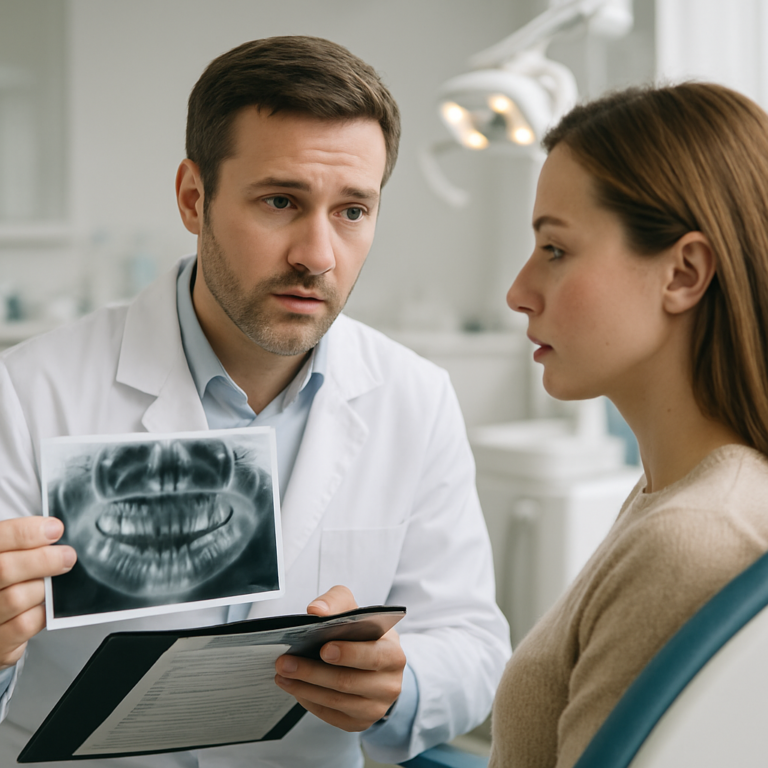
Understanding London Bruxism In recent years, there has been a significant increase in awareness surrounding London Bruxism, a condition often overlooked yet increasingly prevalent among the city’s population. This phenomenon, characterised by the involuntary grinding or clenching of teeth, typically occurs during sleep, often without the individual's knowledge. The stressors of urban life, coupled with …

Understanding London Bruxism
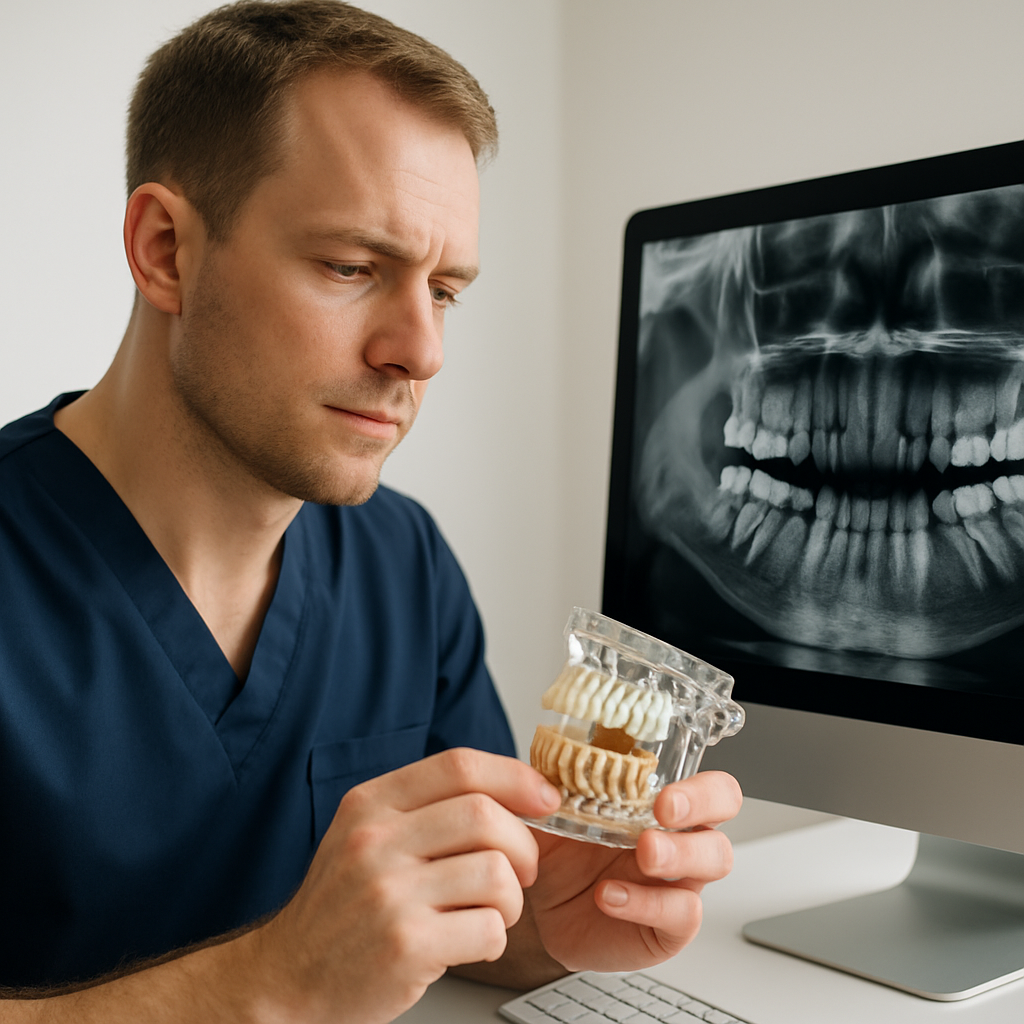
In recent years, there has been a significant increase in awareness surrounding London Bruxism, a condition often overlooked yet increasingly prevalent among the city’s population. This phenomenon, characterised by the involuntary grinding or clenching of teeth, typically occurs during sleep, often without the individual’s knowledge. The stressors of urban life, coupled with long working hours and the fast-paced environment of London, have been cited as contributing factors to this dental issue.
The implications of London Bruxism extend beyond mere discomfort; persistent grinding can lead to severe dental problems, including enamel wear, tooth fractures, and even jaw disorders. Understanding the underlying causes is crucial for effective management. Factors such as anxiety, stress, and lifestyle choices play a significant role in exacerbating this condition. As a result, individuals are encouraged to seek professional advice from dentists familiar with the nuances of London Bruxism.
Moreover, the collaborative efforts of health professionals can provide a comprehensive approach to treatment. Dentists may recommend custom night guards, stress-reduction techniques, or even cognitive behavioural therapy to alleviate the symptoms associated with London Bruxism. As awareness increases, so does the urgency for both individuals and dental practitioners to engage in proactive discussions regarding this condition, ensuring a healthier future for all Londoners affected by this dental concern. Ultimately, addressing London Bruxism is not merely about dental health; it encapsulates broader themes of well-being in the capital’s bustling lifestyle.

Definition and Symptoms of Bruxism
Bruxism is a condition characterised by the involuntary grinding or clenching of teeth, often occurring during sleep or periods of stress. Individuals suffering from this condition may not even be aware that they are engaging in such behaviour, which can lead to various complications if left untreated. Common symptoms include jaw pain, headaches, and a noticeable wear on the teeth. In some cases, those afflicted may experience disruptions in their sleep patterns, further compounding the issue.
In the context of London Bruxism, the prevalence of this condition has gained significant attention in recent years, as urban stressors and lifestyle factors contribute to an increase in incidence rates. The effects of this condition can be particularly detrimental, leading to temporomandibular joint (TMJ) disorders and other oral health issues if not addressed adequately. Patients often report discomfort and sensitivity, which may prompt them to seek professional advice.
Recognising the symptoms early is crucial for effective management. Options for treatment may range from lifestyle adjustments to the use of dental guards, aimed at reducing the pressure on the jaws. If you find yourself experiencing any symptoms associated with London Bruxism, it is advisable to consult a dental health professional. Moreover, resources and support can be found through various clinics, such as this one, which specialise in bruxism and related disorders. By understanding and addressing the symptoms, individuals can take proactive steps toward alleviating their discomfort and preserving their dental health.
Causes of Bruxism in London Residents
In recent years, an alarming rise in London Bruxism cases has become evident, reflecting broader trends in urban living. This condition, characterised by the involuntary grinding or clenching of teeth, is often exacerbated by several interconnected factors prevalent in London. One primary cause is the fast-paced lifestyle many residents lead. The intense pressures of work, commuting, and the high cost of living contribute to elevated stress levels, which can manifest as teeth grinding during sleep or even waking hours.
Furthermore, the pervasive influence of technology cannot be overlooked. With the increasing use of screens, residents often experience reduced sleep quality and heightened anxiety, both of which are significant contributors to London Bruxism. Sleep disorders stemming from excessive screen time can lead to a cycle of fatigue and stress, further complicating the issue.
Additionally, the city’s social dynamics play a role. London’s vibrant but competitive atmosphere can create a sense of constant pressure, leading to emotional strain. This emotional unrest is frequently mirrored in the physical symptoms associated with London Bruxism. Moreover, dietary habits, including high caffeine and sugar intake, can aggravate bruxism symptoms, making it imperative for residents to adopt healthier lifestyles.
As awareness of London Bruxism grows, it becomes crucial for individuals to recognise the signs and seek appropriate interventions. Professionals in the field can provide valuable resources and support, ensuring that residents of London not only understand the causes but also find effective strategies to combat this increasingly common ailment.
The Impact of Bruxism on Oral Health
Bruxism, a common yet often overlooked condition, significantly impacts oral health, prompting health professionals to raise awareness among their patients. Those who suffer from this involuntary teeth grinding or jaw clenching may not realise the long-term consequences of their behaviours. The phenomenon can lead to various dental issues, including worn enamel, tooth sensitivity, and even fractured teeth. Additionally, chronic London Bruxism can result in temporomandibular joint (TMJ) disorders, contributing to significant discomfort and pain.
The relationship between stress and bruxism has been well-documented. Stress management techniques are essential to mitigating the impacts of London Bruxism, as individuals often resort to grinding their teeth as a coping mechanism. It is crucial for dental practitioners to assess their patients for signs of this condition, particularly in urban environments like London, where stress levels tend to be higher. Early intervention can be pivotal in reducing the detrimental effects on oral structures.
Moreover, dental professionals should educate patients on the importance of protective dental devices. Mouthguards, specifically tailored to the individual’s dental architecture, can help shield teeth from the abrasiveness associated with London Bruxism. By addressing this issue proactively, both patients and practitioners can work together to preserve oral health.
For a comprehensive understanding of the field of dentistry related to such conditions, further exploration can be found through relevant resources. Therefore, individuals interested in enhancing their knowledge can refer to this informative link. Ultimately, understanding and addressing London Bruxism is essential for maintaining overall oral health and well-being.
Long-Term Effects of Untreated Bruxism
The consequences of neglecting bruxism can be profound and multifaceted, impacting both oral health and overall wellbeing. Individuals who suffer from this condition often grind or clench their teeth unconsciously, which can lead to a range of long-term complications. One prominent issue is the increased wear on dental structures; untreated cases of London Bruxism may result in significant enamel erosion, ultimately heightening the risk of cavities and necessitating extensive dental work.
Moreover, the muscular strain associated with London Bruxism can lead to heightened jaw tension and pain, potentially extending to chronic headaches and facial discomfort. Patients frequently report an overall decrease in quality of life due to the persistent pain and fatigue associated with untreated bruxism. The psychological implications cannot be overlooked either; the stress of coping with physical discomfort may lead to increased anxiety and sleep disturbances, creating a vicious cycle that exacerbates the condition.
In addition to dental and muscular issues, untreated London Bruxism can contribute to temporomandibular joint disorders (TMJ), leading to further complications in jaw function and pain management. Therefore, early intervention is crucial. Individuals experiencing symptoms should seek professional guidance, as timely treatment can mitigate these risks and help preserve both oral health and overall wellbeing. Recognising the signs of London Bruxism is the first step towards effective management, ultimately protecting one’s long-term health and quality of life.
The Emergence of Digital Dentistry
The evolution of dental technology has significantly transformed the landscape of oral healthcare, paving the way for innovative solutions and improved patient outcomes. One notable development is the rise of digital dentistry, characterised by the integration of cutting-edge technology into traditional dental practices. This transition not only enhances diagnostic accuracy but also streamlines treatment processes, ultimately benefiting both practitioners and patients alike.
Among the various conditions addressed through these advancements, London Bruxism stands out as a prevalent issue affecting many individuals. The ability to digitally assess and analyse bruxism has revolutionised how dental professionals approach this condition. With tools such as digital impressions and CAD/CAM technology, practitioners can create bespoke solutions that cater to the specific needs of their patients suffering from London Bruxism. This level of precision was unimaginable with conventional techniques, enabling a more tailored and effective approach to treatment.
Furthermore, the application of 3D imaging has significantly improved the understanding of dental structures, allowing for better identification of issues related to London Bruxism. By visualising the extent of wear and misalignment, dentists can provide proactive solutions that mitigate further complications. As digital platforms continue to evolve, the potential for remote consultations and enhanced patient engagement also emerges, offering an additional layer of convenience for those dealing with London Bruxism.
In summary, the emergence of digital dentistry has not only optimised the treatment of common dental issues but has also transformed the way professionals address specific conditions like London Bruxism, heralding a new era of efficiency and patient care in the field of dentistry.
What is Digital Dentistry?
The evolution of dental practices has seen a significant transformation with the introduction of advanced technologies, paving the way for a more efficient and patient-centric approach. Digital dentistry encompasses the integration of digital tools and techniques into dental procedures, enhancing both diagnostics and treatment planning. This modern methodology not only streamlines workflows but also elevates the accuracy of various treatments, making it an invaluable asset in contemporary dental practice.
One of the critical applications of digital dentistry is in the management of conditions such as London Bruxism. This disorder, characterised by the grinding of teeth, can lead to severe dental issues and discomfort. With digital technologies, dentists can employ advanced imaging and diagnostic tools to precisely assess the extent of London Bruxism in their patients. By utilising these digital methodologies, practitioners can create personalised treatment plans that are more effective than traditional approaches.
Moreover, digital dentistry facilitates better patient education. With tools that allow for visualisation of oral health conditions, patients suffering from London Bruxism can gain a clearer understanding of their situation, fostering a collaborative approach to their treatment. This empowerment is crucial, as informed patients are more likely to adhere to recommended care plans.
In essence, the advent of digital dentistry marks a significant leap forward in dental care. Its application in addressing concerns like London Bruxism exemplifies the dynamic interplay between technology and health, bringing forth a future where dental interventions are not only more effective but also tailored to individual needs. As the industry continues to evolve, embracing these digital innovations will be vital for dental professionals aiming to enhance patient outcomes.
Key Technologies Used in Digital Dentistry
The evolution of digital dentistry has profoundly transformed the way dental professionals approach diagnosis, treatment planning, and patient engagement. At the forefront of this transformation are technologies such as 3D printing, cone beam computed tomography (CBCT), and digital impression systems, which significantly enhance the accuracy and efficiency of dental procedures. For instance, 3D printing allows for the rapid production of dental models and prosthetics, reducing the time between diagnosis and treatment, thus providing a better experience for patients suffering from conditions such as London Bruxism.
Moreover, CBCT imaging plays a crucial role in providing high-resolution, three-dimensional views of the dental structures, which is particularly beneficial for diagnosing complex cases. This technology not only aids in identifying issues like London Bruxism but also helps clinicians plan interventions with enhanced precision. Digital impression systems, on the other hand, facilitate a more comfortable experience for patients as they eliminate the need for traditional moulding techniques, which can be uncomfortable and often unsuccessful in cases of London Bruxism.
Furthermore, teledentistry has emerged as a valuable tool, particularly in providing remote consultations and follow-ups. This is vital for patients experiencing London Bruxism, as it allows for ongoing monitoring and adjustments to treatment plans without necessitating frequent office visits. By integrating these advanced technologies, practitioners can offer personalised care that is not only more effective but also increasingly patient-centric, ultimately improving outcomes and satisfaction in the realm of dental health.
How Digital Dentistry Addresses London Bruxism
In recent years, the rise of digital dentistry has provided innovative solutions for various dental conditions, including London Bruxism. This prevalent issue, characterised by the involuntary grinding or clenching of teeth, affects many individuals in the capital, often leading to significant dental wear and associated discomfort. The integration of digital technologies into dental practices has facilitated more accurate diagnosis and tailored treatment plans, which are essential in addressing the challenges posed by London Bruxism.
Advanced diagnostic tools, such as digital scanning and 3D imaging, enable dental professionals to capture detailed images of a patient’s oral structure. This precision allows for the identification of bruxism-related damage that may go unnoticed. Furthermore, the utilisation of computer-aided design and manufacturing (CAD/CAM) technology has revolutionised the creation of custom-made night guards and splints, providing patients with effective protection against the adverse effects of London Bruxism.
Moreover, the incorporation of digital platforms for patient education and engagement is proving beneficial. These platforms offer insights into the causes and management strategies for London Bruxism, empowering patients to take an active role in their oral health. By fostering an informed dialogue between practitioners and patients, digital dentistry enhances compliance and promotes ongoing monitoring of bruxism symptoms.
Ultimately, the advancements in digital dentistry represent a significant leap forward in effectively managing London Bruxism. With enhanced diagnostic capabilities, personalised treatment options, and improved patient communication, dental professionals are well-equipped to tackle this widespread concern, ensuring a healthier future for those affected by this condition.

Diagnosis and Treatment Planning
In the realm of dental health, accurate diagnosis and comprehensive treatment planning are paramount, particularly when addressing conditions such as London Bruxism. This disorder, characterised by the involuntary grinding or clenching of teeth, often goes unnoticed until significant damage has occurred. A precise diagnosis typically begins with a thorough assessment of the patient’s medical history, lifestyle factors, and specific symptoms. The correlation between stress and London Bruxism cannot be underestimated; patients often exhibit heightened levels of anxiety that exacerbate their condition.
Once diagnosed, the treatment planning phase becomes crucial. Tailoring a management strategy for London Bruxism involves a multifaceted approach. Night guards, for instance, are commonly prescribed to protect teeth from the detrimental effects of grinding. Moreover, behavioural therapies may be implemented to help patients identify and mitigate triggers of stress, thereby reducing the propensity for bruxism.
In more severe cases, referral to specialists may be warranted, including physiotherapists or psychologists. Educational resources can also play a vital role in empowering patients to understand their condition better and engage actively in their treatment process. Ultimately, a collaborative approach involving both dental professionals and the patient is essential in effectively addressing London Bruxism. By focusing on tailored diagnosis and bespoke treatment plans, practitioners can significantly enhance patient outcomes, ensuring long-term dental health and overall well-being.
Customised Dental Appliances
In today’s dental landscape, the importance of tailored solutions cannot be overstated. Customised appliances are becoming increasingly vital in addressing specific dental issues, particularly those related to conditions such as London Bruxism. This disorder, characterised by grinding and clenching of the teeth, can lead to significant dental problems if left untreated. The development of bespoke dental appliances has proven to be a game-changer in managing this condition effectively.
These customised appliances not only alleviate discomfort but also play a crucial role in preventing further dental complications associated with London Bruxism. By providing a snug fit that caters to the unique contours of an individual’s dental architecture, these appliances help in redistributing bite forces, thereby reducing the wear and tear on teeth. Furthermore, they serve as a protective barrier, minimising the impact of grinding on both the enamel and the jaw joints.
Professionals in the dental field are recognising the need for these tailored solutions, particularly in cities like London, where the prevalence of London Bruxism is on the rise due to high-stress lifestyles. Dentists are now encouraged to engage in ongoing education regarding the latest advances in appliance technology to offer the best care for their patients. By integrating customised dental solutions into their practice, dental professionals can significantly enhance patient outcomes, ensuring that individuals suffering from London Bruxism receive the targeted support they require for improved oral health and overall well-being.
Case Studies: Success Stories in London
In the heart of London, numerous success stories highlight the ongoing battle against London Bruxism. This condition, characterised by the involuntary grinding of teeth, has emerged as a significant concern for many city dwellers. However, innovative approaches and collaborative efforts among dental professionals are yielding remarkable outcomes.
One notable case involved a leading dental clinic in the West End, which implemented a comprehensive treatment programme tailored specifically for patients suffering from London Bruxism. By integrating advanced diagnostic tools, the clinic was able to identify behavioural triggers and stress factors contributing to the condition. Consequently, the clinic introduced a series of personalised interventions, including mindfulness training and custom-made night guards. As a result, patients reported a marked reduction in symptoms, leading to improved overall wellbeing.
Another compelling example can be found in a community health initiative that focused on raising awareness about the implications of London Bruxism. Through workshops and public forums, health professionals educated residents about the links between stress management and dental health. This proactive approach not only equipped individuals with essential coping strategies but also encouraged them to seek professional help when needed. The initiative resulted in increased referrals to dental practitioners, ultimately fostering a community-wide commitment to addressing London Bruxism.
These case studies exemplify the transformative power of collaboration and education in tackling London Bruxism. As more professionals recognise the importance of addressing this prevalent issue, the future looks promising for those affected, marking a significant stride towards enhanced dental health and quality of life in London.
Real-Life Examples of Digital Dentistry Solutions
The integration of innovative digital dentistry solutions is transforming the way dentists approach patient care, particularly in managing conditions such as London Bruxism. This disorder, characterised by the grinding or clenching of teeth, not only causes dental damage but also leads to significant discomfort for patients. Advanced digital tools have emerged as game-changers in diagnosis and treatment.
For instance, the use of intraoral scanners allows clinicians to capture precise 3D images of a patient’s dental anatomy. These images facilitate the creation of custom night guards designed specifically for individuals suffering from London Bruxism. The precision of these devices ensures a better fit and increased comfort, enhancing patient compliance and ultimately leading to improved treatment outcomes.
Furthermore, digital platforms that enable remote monitoring offer an additional layer of support for patients with London Bruxism. Through the use of smartphone applications, dental professionals can track a patient’s habits and symptoms, providing real-time feedback and personalised treatment adjustments. This proactive approach not only fosters a stronger patient-dentist relationship but also encourages patients to engage actively in their oral health journey.
Incorporating advanced imaging technologies, such as cone beam computed tomography (CBCT), enhances the understanding of the underlying causes of London Bruxism. By visualising the temporomandibular joint and associated structures, dentists can devise more informed and effective treatment plans tailored to individual needs.
In conclusion, the implementation of digital dentistry solutions illustrates a significant shift towards a more integrated and patient-centred approach to managing complex dental issues like London Bruxism. These advancements empower dental professionals to deliver enhanced care, ultimately leading to healthier outcomes for patients.
Future of Bruxism Management in London
As the understanding of oral health evolves, the management of conditions such as bruxism is becoming increasingly sophisticated. In London, where stress levels are notably high due to the fast-paced lifestyle, the prevalence of London Bruxism is on the rise. This condition, characterised by the grinding of teeth, can lead to severe dental problems, including enamel wear and temporomandibular joint disorders. Consequently, dental professionals in London are exploring innovative approaches to address this growing concern.
The future of London Bruxism management will likely encompass a multidisciplinary strategy that integrates advanced diagnostic tools and personalised treatment plans. Technologies such as bite analysis and electromyography will enable practitioners to assess the severity of the condition more accurately. Furthermore, a greater emphasis on behavioural therapies, including stress management and cognitive behavioural techniques, is expected to be pivotal in reducing the incidence of teeth grinding.
In addition, the utilisation of custom-fitted splints and night guards will remain a cornerstone of treatment; however, they will be supplemented by ongoing patient education on the importance of oral health and lifestyle modifications. As the dental community in London embraces a holistic view of patient care, addressing the psychological and environmental factors linked to London Bruxism will become paramount.
Ultimately, with the convergence of dental innovation and a patient-centric approach, the future of London Bruxism management looks promising. It holds the potential not only to alleviate symptoms but also to enhance the overall quality of life for those affected by this often-overlooked condition.
Innovations on the Horizon
The future of oral health is being shaped by innovative technologies that promise to transform patient care and treatment outcomes. Among the most pressing concerns in dentistry is London Bruxism, a condition characterised by teeth grinding often exacerbated by stress and anxiety. Recent advancements in diagnostic tools and therapeutic approaches are set to offer significant improvements for those affected by this challenging disorder.
Emerging technologies, such as AI-driven diagnostic imaging, are enabling practitioners to identify London Bruxism at earlier stages. This early detection can lead to more tailored treatment plans, potentially reducing the long-term damage associated with teeth grinding. Furthermore, wearable devices that monitor muscle activity and jaw movements are being developed to provide real-time feedback, helping patients manage their symptoms more effectively.
In addition to technological innovations, researchers are exploring the psychological aspects of London Bruxism. Cognitive behavioural therapy (CBT) is gaining traction as an effective treatment option, focusing on alleviating stressors that contribute to the condition. This holistic approach could significantly enhance patient outcomes, offering a more comprehensive solution compared to traditional methods alone.
As we look to the horizon, it is clear that the integration of technology and mental health awareness will play a pivotal role in addressing London Bruxism. Dental professionals must stay abreast of these developments to ensure they provide the best possible care for their patients. Ultimately, this evolution in treatment strategies promises not only to improve quality of life for individuals suffering from London Bruxism, but also to advance the field of dentistry as a whole.
Conclusion: Embracing Technology for Better Oral Health

The integration of modern technology in dentistry has revolutionised the way we approach oral health, particularly in relation to conditions such as London Bruxism. As dental professionals increasingly harness digital tools, we are witnessing significant improvements in diagnosis, treatment planning, and patient engagement. Technologies such as intraoral scanners and 3D printing have enhanced the precision of dental appliances, providing customised solutions for individuals suffering from London Bruxism. This not only increases treatment efficacy but also contributes to a more comfortable patient experience.
Furthermore, tele dentistry offers remarkable potential for accessibility, allowing patients to consult with specialists remotely. This is particularly relevant for those suffering from London Bruxism, as timely intervention can prevent further complications. By embracing these technological advancements, practitioners can offer personalised care and ensure that patients remain informed and involved in their treatment processes.
Moreover, data analytics and artificial intelligence are poised to transform our understanding of oral health trends and patient behaviours. By analysing patterns in London Bruxism, we can develop targeted prevention strategies and interventions, tailoring our approach to meet the needs of diverse populations.
In conclusion, the marriage of technology and dentistry is not merely a trend but a significant leap towards improved oral health outcomes. For practitioners in the field, embracing these innovations will not only enhance practice efficiency but also elevate the standard of care provided to those affected by London Bruxism. As we continue to evolve, the focus must remain on utilising technology to empower patients and promote lasting oral health.