Introduction to London Dental Bridges When it comes to restoring dental function and aesthetics, London Dental Bridges offer an effective and reliable solution for individuals suffering from missing teeth. These prosthetic devices are designed to bridge the gap created by one or more absent teeth, effectively restoring both the form and functionality of the dental …

Introduction to London Dental Bridges

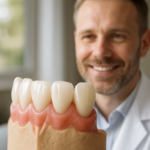
When it comes to restoring dental function and aesthetics, London Dental Bridges offer an effective and reliable solution for individuals suffering from missing teeth. These prosthetic devices are designed to bridge the gap created by one or more absent teeth, effectively restoring both the form and functionality of the dental arch. The process typically involves anchoring the bridge to adjacent teeth, which are either crowned or minimally altered, ensuring a seamless integration with the existing dentition.
In the bustling landscape of London, where aesthetic considerations often meet the rigours of dental health, London Dental Bridges are particularly beneficial. They not only enhance the smile but also contribute to improved oral health by preventing the shifting of neighbouring teeth and the associated complications. The materials used for these bridges vary, with options ranging from porcelain to metal, allowing for customised solutions tailored to individual needs and preferences.
Moreover, the procedure for obtaining London Dental Bridges is relatively straightforward, usually requiring only a couple of visits to a dental professional. This efficiency, coupled with the long-lasting nature of the restorations, makes them a popular choice among residents. With advancements in dental technology, the aesthetic outcomes are remarkable, providing results that are indistinguishable from natural teeth. As patients consider their options, consulting with a skilled practitioner in London is essential for determining the best approach to achieving a healthy and beautiful smile with London Dental Bridges.

What Are Dental Bridges?
Dental bridges are prosthetic devices designed to fill the gap left by one or more missing teeth. These custom-made appliances are typically anchored to the surrounding teeth, providing a robust solution for restoring functionality and aesthetics in one’s smile. The process of obtaining London Dental Bridges involves comprehensive assessments and meticulous planning by dental professionals to ensure a perfect fit and alignment with the patient’s dental structure.
When considering London Dental Bridges, it is essential to understand that they can be made from various materials such as porcelain, gold, or a combination of materials, depending on both practical and aesthetic requirements. The choice of material often hinges on factors such as location in the mouth, personal preference, and budget considerations.
Once fitted, London Dental Bridges not only improve the appearance of the smile but also restore essential functions like chewing and speaking. Moreover, they help maintain the shape of the face, preventing the bone loss that can occur after tooth loss.
Patients seeking London Dental Bridges should consult with a qualified dental professional who can provide tailored advice and ensure the best possible outcome for their unique situation. For further insights into the benefits and procedures involved with dental bridges, do not hesitate to explore our comprehensive guide at this link. Engaging with experienced practitioners is crucial to achieving a durable and aesthetically pleasing result that enhances both oral health and overall confidence.
How Do Dental Bridges Work?
Dental bridges serve as a pivotal solution for individuals facing the challenge of missing teeth. They are meticulously crafted prosthetic devices designed to bridge the gap created by one or more missing teeth. Typically anchored to the adjacent natural teeth, known as abutments, these bridges ensure both functionality and aesthetic appeal. In essence, a dental bridge replaces the void left by the missing tooth, restoring the patient’s ability to chew, speak, and smile with confidence.
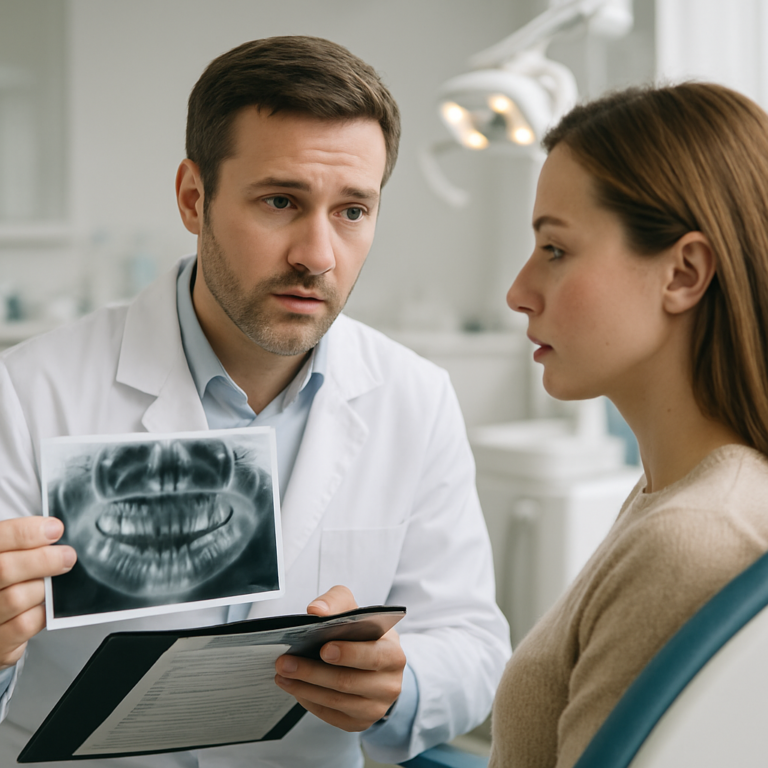
The procedure generally begins with a comprehensive assessment of the patient’s oral health, including an evaluation of the surrounding teeth and gums. Once the treatment plan is established, the adjacent teeth are prepared by removing a portion of their enamel, allowing for a secure fit of the bridge. Impressions are then taken to create a custom bridge that aligns seamlessly with the patient’s bite.
When considering options for dental bridges, London Dental Bridges stand out due to the expertise of practitioners in the region, who utilise state-of-the-art materials and techniques. The final restoration is typically fixed in place, providing a stable and durable solution. Patients opting for London Dental Bridges can expect a restoration that not only enhances oral functionality but also significantly improves their overall appearance.
Ongoing care and regular dental hygiene practices are essential for maintaining the longevity of these restorations. With the right upkeep, London Dental Bridges can last for many years, making them an invaluable investment in one’s dental health. Therefore, for those seeking to replace missing teeth, dental bridges offer a reliable and aesthetically pleasing alternative.
Importance of Recognising Warning Signs
Recognising early warning signs in dental health is crucial for maintaining optimal oral hygiene and preventing serious complications. Individuals often overlook subtle changes that may indicate underlying issues, which can lead to more significant problems over time. For instance, discomfort or mild sensitivity could be the first signals of a need for London Dental Bridges. These solutions not only restore functionality but also enhance aesthetics, making it essential to act promptly upon noticing such signs.
Ignoring these indicators can result in deteriorating dental health, necessitating more extensive and costly treatments. Regular visits to a dentist familiar with procedures like London Dental Bridges are paramount. A professional can assess conditions that may not be immediately apparent to the untrained eye. For example, changes in gum health or tooth alignment should not be dismissed, as they may require intervention before they escalate.
Furthermore, understanding the ramifications of neglecting dental warnings can empower individuals to take charge of their oral health. The link between oral health and general health cannot be overstated. Poor dental care can contribute to systemic health issues, potentially exacerbated by delays in treatment. Thus, awareness and education are key components in recognising warning signs, helping patients make informed decisions.
Investing in preventive care and being vigilant about potential issues can lead to a better quality of life. Those who understand the importance of addressing their dental concerns—especially related to procedures like London Dental Bridges—are better positioned for long-term success. Ultimately, proactive dental care is a vital aspect of maintaining overall health and wellbeing, emphasising the need for prompt action whenever warning signs are observed. For further insights into the vast field of dentistry, refer to this relevant resource.
Common Complications After Dental Bridges
When considering dental restorations, it is essential to be aware of potential complications that may arise following the placement of bridges. One common concern is the risk of decay at the abutment teeth, which support the bridge. This can often occur if oral hygiene practices are not meticulously maintained. Patients with London Dental Bridges should be particularly diligent in their brushing and flossing routines to prevent plaque accumulation around these critical areas.
Additionally, as with any dental procedure, there can be issues related to sensitivity or discomfort following the installation of London Dental Bridges. This can manifest as heightened sensitivity to temperature changes, which might be temporary but can be disconcerting for the patient. Consulting with a dental professional immediately can help address these sensations effectively.
Another complication that some patients experience is the loosening of the bridge itself. Over time, the bonding material can wear down or the underlying teeth may shift, leading to an unstable fit. Regular follow-ups are crucial for patients with London Dental Bridges to ensure the integrity of the restoration is maintained, allowing for timely adjustments if necessary.
Lastly, aesthetic concerns may arise if the colour or shape of the bridge does not match the surrounding teeth, affecting the overall appearance. In such cases, it is advisable for individuals to discuss their expectations and desires with their dentist before the final placement of London Dental Bridges. Being proactive in communication can significantly enhance satisfaction with the final outcome.
5 Critical Warning Signs to Look Out For
In the realm of dental health, recognising potential issues early can make a significant difference. For those considering London Dental Bridges, being informed about warning signs is crucial for a successful outcome. Initial discomfort or persistent pain may suggest underlying problems that need addressing before proceeding. It’s common for patients to experience some sensitivity following dental work, but prolonged discomfort could indicate complications.
Furthermore, changes in the alignment of your bite should not be overlooked. If you notice that your teeth feel misaligned after receiving London Dental Bridges, it may be a sign that the bridges are not fitting correctly, which could lead to further dental issues. Another critical aspect to observe is the condition of your surrounding teeth and gums. If there is swelling, bleeding, or persistent bad breath, these could be indicators of infection that necessitate immediate attention.
Additionally, if you experience any sudden changes in the aesthetics of your London Dental Bridges, such as discolouration or visible wear, it may be time to consult your dental professional. Such changes not only impact your smile but could also suggest that the materials used are not performing as expected.
Lastly, pay close attention to any unusual sounds, such as popping or clicking, when you bite down. This could signify improper fitting or issues with the underlying structure. By being vigilant about these warning signs, you can ensure that your journey with London Dental Bridges is a positive one, leading to a healthier, more confident smile.
Persistent Pain or Discomfort
Chronic discomfort in the oral cavity can significantly impact an individual’s quality of life, leading to not only physical distress but also emotional turmoil. Many patients experiencing persistent pain often find themselves exploring various solutions, one of which is dental bridges. In particular, London Dental Bridges offer a reliable option for those looking to restore functionality and aesthetics after tooth loss.
The pain associated with missing teeth can stem from various issues, including misalignment, difficulties in chewing, and subsequent jaw strain. Such discomfort often prompts individuals to seek professional advice. As dental technology has evolved, practitioners in London have increasingly turned to advanced methods for creating London Dental Bridges. These bridges not only alleviate pain but also improve the overall oral environment, making them an excellent choice for patients currently suffering.
Moreover, opting for London Dental Bridges can lead to long-lasting results, with many patients reporting significant improvements in their day-to-day activities. By filling the gaps left by missing teeth, these dental solutions minimise the risk of neighbouring teeth shifting, which can exacerbate discomfort.
It is imperative for individuals experiencing ongoing pain to consult with a dental professional who can provide tailored advice on the suitability of London Dental Bridges. Through thorough assessments and customised treatment plans, patients can find relief and regain their confidence, ultimately leading to a more vibrant and pain-free life.
Changes in Bite Alignment

The alignment of teeth plays a pivotal role in both oral health and aesthetic appeal. Over time, various factors such as genetics, environmental influences, and dental interventions can lead to significant changes in bite alignment. A misaligned bite, often referred to as malocclusion, can cause discomfort and affect one’s ability to chew effectively. Furthermore, it can lead to more complex dental issues if left unaddressed.
In recent years, advancements in dental technology have provided innovative solutions for managing bite alignment concerns. London Dental Bridges have emerged as a preferred option for patients seeking to restore their smile while also addressing functional problems associated with misalignment. These bridges not only fill gaps left by missing teeth but also support proper alignment, thereby promoting better bite functionality.
For many individuals, the aesthetics of their smile is closely tied to their overall confidence. The incorporation of London Dental Bridges allows for a seamless integration of restorative and cosmetic dentistry. Patients can expect a custom-fit solution that enhances their bite alignment while also elevating their facial appearance.
Moreover, regular dental check-ups and consultations with professionals can assist in monitoring changes in alignment. By incorporating London Dental Bridges into treatment plans, dentists can ensure that any alterations in bite are addressed promptly. This proactive approach helps in maintaining optimal oral health and preventing further complications, ensuring that patients enjoy both functionality and beauty in their smiles. Ultimately, understanding the importance of bite alignment is crucial for anyone looking to enhance their dental well-being.
Gum Inflammation or Infection
Inflammation or infection of the gums is a prevalent dental issue that can lead to serious complications if left untreated. Patients often present with symptoms such as redness, swelling, and discomfort in the gum area. These conditions may arise from various factors, including poor oral hygiene, tobacco use, or pre-existing medical conditions. Understanding the underlying causes is essential for effective treatment and prevention.
For those seeking restorative solutions like London Dental Bridges, addressing gum inflammation or infection is crucial before proceeding with such procedures. Dental bridges require a healthy foundation, as any infection can compromise the integrity of the surrounding teeth and gums. Dentists often recommend thorough cleaning and, in some cases, antibiotics to manage the infection effectively prior to installation of London Dental Bridges.
In addition, regular dental check-ups can play a significant role in preventing gum-related issues. Professionals advise patients to maintain a rigorous oral hygiene routine, which includes brushing and flossing, as well as the use of antimicrobial mouthwashes to minimise the risk of inflammation. Those who have already experienced gum problems should consult their dentist to determine if London Dental Bridges are a suitable option.
With timely intervention and proper care, individuals can mitigate the risks associated with gum inflammation or infection. Ultimately, ensuring optimal gum health contributes significantly to the success of restorative dental work, making it essential for anyone considering procedures like London Dental Bridges to prioritise their gum health.
Visible Damage to the Bridge
The integrity of dental structures is paramount, particularly when considering London Dental Bridges. When visible damage occurs, it raises serious concerns regarding both aesthetics and functionality. This observable deterioration can manifest in various forms, such as chips, cracks, or discolouration, which not only detract from the patient’s smile but can also compromise the structural stability of the bridge itself.
It is essential for dental professionals to assess any damage promptly. Regular inspections can help identify potential issues before they escalate, ensuring that patients are informed and able to make decisions tailored to their needs. The presence of visible flaws may indicate underlying problems, such as decay in adjacent teeth or improper fitting, which require immediate intervention.
Moreover, addressing visible damage swiftly can prevent further complications, including the necessity for more extensive repairs or replacements down the line. In the realm of London Dental Bridges, patients should be encouraged to maintain regular dental check-ups. This vigilance not only preserves the longevity of the bridge but also promotes overall oral health.
Effective communication between the dentist and the patient is crucial. Dentists must ensure that patients understand the implications of visible damage and the importance of timely treatment. In summary, vigilance regarding the condition of London Dental Bridges can significantly enhance both the durability of the dental work and the patient’s confidence in their smile. Regular monitoring and proactive care are vital components of successful dental practice.
Difficulty in Chewing or Speaking
Experiencing challenges with chewing or speaking can significantly impact one’s quality of life. Such difficulties are often linked to dental issues, including missing teeth or poorly aligned bites. For many individuals in London, addressing these concerns promptly is crucial, and one viable solution is the use of dental bridges. London Dental Bridges offer an effective means to restore functionality while also enhancing aesthetic appeal.
The process of fitting these bridges provides not only a physical restoration but also psychological benefits, as individuals regain confidence in their ability to speak and eat without discomfort. Moreover, these dental solutions are tailored to fit seamlessly within the patient’s existing oral structure, ensuring that they can chew effectively and communicate clearly.
In London, professionals in the dental field increasingly advocate for the use of London Dental Bridges due to their durability and the natural appearance they provide. When properly maintained, these bridges can last many years, representing a worthwhile investment in one’s health and well-being.
For anyone facing difficulties with chewing or speaking, seeking a consultation with a dental expert is critical. Potential patients should inquire about the latest advancements in dental technology, including the benefits of London Dental Bridges, which can facilitate improved function and comfort. Ultimately, addressing these issues promptly can lead to a more fulfilling and enjoyable lifestyle, allowing individuals to partake in social interactions without hesitation.
What to Do If You Experience These Signs
When experiencing specific dental issues, it is crucial to take prompt and informed action. Signs such as persistent tooth pain, sensitivity to hot and cold, or visible damage to your teeth can indicate that you may require attention from a dental professional. In particular, if you notice gaps or misalignments in your smile, it might be time to consider restorative options like London Dental Bridges.
The importance of addressing these symptoms cannot be overstated. Ignoring them can lead to more severe complications, including further tooth decay or loss. If you are facing difficulty in chewing or feel that your bite is misaligned, seeking advice from a dentist who specialises in London Dental Bridges is essential. They can assess your situation and outline potential treatments that not only restore functionality but also enhance the aesthetic appeal of your smile.
In addition, if you have recently lost a tooth, the emotional and physical impact can be significant. London Dental Bridges offer a viable solution to fill the void left behind, ensuring that your dental health remains optimal while boosting your confidence. It is advisable to consult with a dental professional who can provide tailored guidance based on your unique circumstances.
Always remember that proactive care is the key to maintaining your oral health. If these warning signs resonate with you, do not hesitate to reach out to a reputable dentist familiar with London Dental Bridges. Timely intervention can save you from more extensive treatments in the future, preserving both your health and your smile.
When to Consult Your Dentist
Maintaining optimal oral health is paramount, and knowing when to seek professional advice can significantly impact your overall well-being. Regular dental check-ups are essential, but certain circumstances necessitate immediate consultation. For instance, if you experience persistent pain or discomfort, it is crucial to address the issue promptly. Ignoring such symptoms may lead to more severe complications, potentially requiring extensive treatments, including the use of London Dental Bridges.
Moreover, changes in the appearance of your teeth, such as noticeable discolouration or misalignment, should prompt a visit to your dentist. These alterations might be indicative of underlying conditions that, if left untreated, can escalate. A dental professional can offer solutions tailored to your needs, including cosmetic options like London Dental Bridges, which effectively restore both functionality and aesthetics.
Additionally, if you have recently suffered an injury to your mouth or teeth, seeking immediate dental advice is essential. Trauma can result in damage that, if not addressed swiftly, could lead to tooth loss or other serious issues. This is where treatments such as London Dental Bridges become invaluable, providing a reliable solution for those affected by dental trauma.
Lastly, maintaining a dialogue with your dentist about your oral health habits and concerns can facilitate early intervention. Remember, proactive measures are always more effective than reactive ones, ensuring that your dental health remains a priority. If in doubt, do not hesitate to consult your dentist; they are your best resource for guidance and support on your journey to a healthy smile.
Preventive Measures for Dental Bridges
Maintaining the integrity and longevity of dental bridges requires a proactive approach, particularly in urban settings like London. The intricacies of London Dental Bridges necessitate continuous care and preventive measures to ensure their effectiveness. Regular dental check-ups are paramount; these appointments allow practitioners to monitor the condition of the bridge and surrounding teeth, identifying any potential issues before they escalate.
Additionally, patients should adopt a rigorous oral hygiene routine. Brushing at least twice a day with fluoride toothpaste, combined with daily flossing, helps to prevent plaque buildup around the bridge and adjacent teeth. Special attention should be paid to the specific cleaning techniques recommended for London Dental Bridges, as the bridge can create unique spaces that require targeted care.
Diet also plays a significant role in the maintenance of dental bridges. Avoiding excessive sugary foods and beverages can minimise the risk of decay, which can compromise the bridge’s stability. Furthermore, using mouth rinses that contain antibacterial properties can be beneficial in reducing oral bacteria.
Lastly, it’s worth noting that stress can also affect oral health; therefore, managing such factors is crucial. Consulting with dental professionals in London about customised care plans tailored to individual needs can further enhance the longevity of London Dental Bridges. By combining these measures, patients can significantly improve their dental health and prolong the lifespan of their dental bridges.
Regular Check-ups and Oral Hygiene
Maintaining optimal oral health is crucial for preventing a range of dental issues that can arise over time. Regular check-ups serve as an essential foundation in this regard, allowing dental professionals to monitor and identify any potential problems early. For those considering restorative options, such as London Dental Bridges, routine assessments become even more significant. These check-ups not only facilitate the prevention of cavities and gum diseases but also ensure that any existing dental work, including bridges, remains in good condition.
Additionally, proper oral hygiene practices contribute significantly to overall dental health. Brushing twice a day, flossing daily, and using mouthwash are vital habits that complement professional care. When it comes to London Dental Bridges, these practices can extend the lifespan of the restorations and support surrounding teeth, which is vital for maintaining structural integrity. Moreover, dental professionals often provide tailored advice on effective hygiene practices based on individual needs, particularly for those with specific dental appliances.
The significance of regular appointments cannot be overstated. They provide patients with the opportunity to discuss any concerns and receive guidance on how to improve their oral hygiene regime. For individuals with London Dental Bridges, this is especially important, as the success of these restorative procedures heavily relies on consistent care and maintenance. Ultimately, investing in regular check-ups and cultivating good oral hygiene are essential steps towards achieving a healthy and radiant smile.