Understanding London Dental Bridges In the realm of restorative dentistry, understanding the role of dental bridges is paramount for both patients and practitioners in London. London Dental Bridges offer a practical solution for those suffering from tooth loss, restoring not only function but also enhancing aesthetics. These prosthetic devices are designed to bridge the gap …

Understanding London Dental Bridges

In the realm of restorative dentistry, understanding the role of dental bridges is paramount for both patients and practitioners in London. London Dental Bridges offer a practical solution for those suffering from tooth loss, restoring not only function but also enhancing aesthetics. These prosthetic devices are designed to bridge the gap created by missing teeth, typically consisting of one or more artificial teeth anchored in place by dental crowns on adjacent healthy teeth.
The process of acquiring London Dental Bridges involves a comprehensive assessment by a qualified dental professional, who will take into consideration the patient’s oral health, existing teeth, and personal preferences. Various types of bridges are available, including traditional, cantilever, and Maryland bridges, each tailored to meet specific needs and circumstances.
Moreover, the longevity and success of London Dental Bridges depend significantly on proper care and oral hygiene practices. Patients are encouraged to maintain regular dental check-ups and adopt a diligent home care routine, as these measures can greatly extend the lifespan of the bridge.
In conclusion, for individuals in London seeking to address tooth loss, London Dental Bridges present an effective and aesthetically pleasing option. Understanding the intricacies of this dental solution not only empowers patients to make informed decisions but also facilitates a collaborative relationship with their dental providers, ensuring optimal outcomes and enhanced quality of life.

What are Dental Bridges?
Dental bridges serve as an effective solution for individuals who are missing one or more teeth. This prosthetic device is designed to bridge the gap created by absent teeth, ensuring both aesthetic appeal and functional restoration. Customarily fabricated from durable materials such as porcelain or metal, bridges are anchored to adjacent teeth, providing stability and support for the replacement teeth.
In London, dental bridges are increasingly popular due to their capacity to enhance oral health and improve chewing efficiency. By filling the void left by missing teeth, they help maintain the alignment of neighbouring teeth, preventing them from shifting positions. This is particularly important in preserving the integrity of one’s bite and overall dental structure.
Patients seeking London Dental Bridges often benefit from a comprehensive consultation, wherein the dental professional assesses their unique dental condition. The process typically involves multiple appointments, starting with the preparation of the abutment teeth, which will support the bridge. Subsequently, impressions are taken to create a customised bridge that seamlessly integrates with the patient’s existing teeth.
Moreover, the aesthetic qualities of London Dental Bridges cannot be understated. They are tailored to match the colour and shape of natural teeth, allowing for a seamless appearance that enhances the smile. For those considering this solution, it is advisable to consult with a skilled dentist to explore the best options available. For further information on this topic, you may refer to our specialised clinic that offers expertise in London Dental Bridges and other restorative treatments.
Ultimately, the decision to opt for dental bridges is one that can significantly improve both function and aesthetics, making it a worthwhile consideration for individuals facing tooth loss.
Types of Dental Bridges Available in London
When it comes to restoring missing teeth, dental bridges are a popular solution among patients seeking effective and aesthetically pleasing options. In London, dental practices offer a variety of bridge types to cater to individual needs and preferences. The most common types include traditional, cantilever, Maryland, and implant-supported bridges.
Traditional bridges are anchored to adjacent teeth, providing a robust framework for prosthetic teeth. This type is ideal for those with healthy neighbouring teeth, ensuring both stability and longevity. Cantilever bridges work in a similar way but are fixed only on one side, making them suitable for scenarios where adjacent teeth are absent on one side but present on the other.
Maryland bridges, also known as resin-bonded bridges, offer a less invasive alternative. They consist of a false tooth supported by a metal framework bonded to the back of adjacent teeth. This option is particularly popular for front teeth, where aesthetics is paramount. Finally, implant-supported bridges provide the highest level of stability and comfort. By anchoring the bridge to dental implants placed in the jawbone, patients can enjoy a long-lasting solution that closely mimics natural teeth.
Patients seeking London Dental Bridges should consult with experienced professionals who can recommend the best option based on their unique dental health and lifestyle. With various types available, understanding the differences and benefits of each can significantly aid in making an informed decision about which London Dental Bridges will best suit one’s needs. Investing in quality dental care in London ensures that individuals can confidently smile again, knowing they have chosen the most effective solution for their oral health.
Importance of Customizing Your Treatment Plan
In the realm of dental care, a tailored approach to treatment is paramount. Each patient presents unique dental needs influenced by their health history, lifestyle, and aesthetic preferences. Customising treatment plans not only enhances patient satisfaction but also optimises outcomes. For example, when addressing tooth loss, the selection of London Dental Bridges can significantly vary based on individual circumstances. A bespoke plan might consider the number of teeth missing, the condition of remaining teeth, and the patient’s specific preferences.
Moreover, a personalised strategy allows practitioners to integrate advanced technologies and materials that best align with the patient’s lifestyle. For instance, some may prefer the durability of traditional London Dental Bridges, while others might opt for more aesthetic solutions that blend seamlessly with their natural teeth.
Furthermore, effective communication between the dentist and the patient is essential in this process. Engaging in an open dialogue ensures that concerns are addressed, and expectations are managed. This collaborative approach can lead to increased confidence in treatment decisions, which is particularly beneficial when patients are unfamiliar with procedures involving London Dental Bridges.
Additionally, ongoing assessments throughout the treatment journey can identify any necessary adjustments to the plan, ensuring that the outcome remains aligned with the patient’s evolving needs. In conclusion, the importance of customising treatment plans cannot be overstated, as it paves the way for not only functional success but also fulfilling aesthetic results. For more insights into the intricacies of dental care, you may refer to this detailed resource.
Personalised Needs Assessment
Understanding individual requirements in dentistry is crucial for delivering optimal care. This is particularly true when it comes to restorative procedures, where the effectiveness of solutions like London Dental Bridges can significantly vary based on personal needs. A thorough needs assessment enables dental professionals to identify specific patient concerns, preferences, and expectations, which in turn facilitates tailored treatment plans.
In the context of London Dental Bridges, this personalised approach not only enhances patient satisfaction but also contributes to better clinical outcomes. For instance, a detailed evaluation may reveal underlying dental issues that could affect the longevity and functionality of a bridge. Engaging with patients in this manner builds trust and ensures that they feel valued, fostering a positive atmosphere conducive to ongoing dental health.
Furthermore, incorporating advanced diagnostic tools and patient feedback into the needs assessment process can lead to more innovative solutions. When patients understand the rationale behind the recommendation of London Dental Bridges, they are more likely to comply with care instructions and maintain their dental hygiene. Ultimately, a well-executed personalised needs assessment not only streamlines the treatment process but also enhances the overall patient experience.
Therefore, dental practitioners in London must prioritise this aspect of care. By doing so, they position themselves as leaders in the field, capable of delivering bespoke solutions that meet the evolving needs of their clientele. This commitment to personalised service will distinguish practices in a competitive marketplace, particularly with offerings like London Dental Bridges at the forefront of restorative dentistry.
Factors Influencing Your Treatment Options
Choosing the right treatment option for dental issues can often be a complex decision influenced by various factors. One of the primary considerations is the specific dental condition that requires attention. For individuals facing tooth loss or significant decay, treatment modalities such as London Dental Bridges may offer a practical solution, restoring both function and aesthetics effectively.
Another crucial aspect to consider is the overall dental health of the patient. Factors such as gum health, bone density, and the presence of any underlying medical conditions can significantly impact the viability of London Dental Bridges. It’s essential for dental professionals to conduct a thorough assessment to determine whether a bridge is the most suitable option compared to alternatives like implants or dentures.
Patient preferences also play a vital role. Many individuals are concerned about the longevity, maintenance, and comfort associated with London Dental Bridges. Understanding these preferences allows dental practitioners to tailor recommendations that align with the patient’s lifestyle and expectations.
Lastly, financial considerations cannot be overlooked. The cost of London Dental Bridges may vary widely based on the materials used, the complexity of the treatment, and the practitioner’s expertise. Patients should engage in open discussions regarding pricing structures and potential insurance coverage to ensure they make informed decisions.
In summary, the selection of appropriate treatment options hinges on a multifaceted approach, integrating clinical assessment, patient preferences, and financial realities, particularly in the context of London Dental Bridges. Each element contributes to crafting a personalised treatment plan that prioritises the patient’s wellbeing.
Steps to Create Your Custom Treatment Plan
In the intricate world of dental care, developing a tailored approach to treatment is essential for optimal patient outcomes. The initial step involves a comprehensive examination of the patient’s dental health, taking into account their unique needs and concerns. This not only includes a thorough assessment of existing dental conditions but also discusses aesthetic expectations, particularly when considering solutions such as London Dental Bridges.
Once a detailed evaluation is completed, the next phase is to engage in an open dialogue with the patient. This communication is crucial as it allows the practitioner to explain the benefits and limitations of various options, including the innovative solutions provided by London Dental Bridges. Patients should feel empowered to ask questions and express any apprehensions they might have.
The subsequent step involves designing the treatment plan itself. Here, the specifics of the patient’s dental structure and the desired outcome play a pivotal role. Customisation is key; for instance, London Dental Bridges can be crafted to match the natural colour and shape of the patient’s teeth, ensuring seamless integration and satisfaction.
Finally, it is imperative to set realistic timelines and discuss the maintenance of the proposed treatments. Follow-up appointments are essential to monitor progress, especially after the implementation of London Dental Bridges. By adhering to these steps, dental professionals can effectively create and implement a custom treatment plan that not only meets but exceeds patient expectations, fostering long-term dental health and confidence.
Initial Consultation: What to Expect

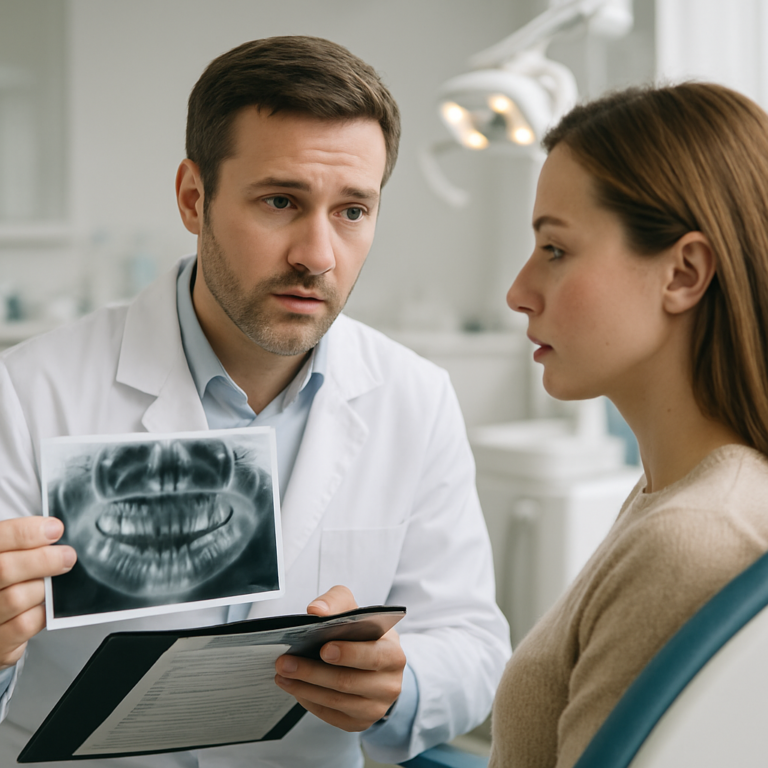
During your initial consultation, the focus will be on understanding your specific dental needs and preferences. This is a critical step, particularly when considering solutions like London Dental Bridges. The consultation typically begins with a detailed assessment of your dental health, including X-rays and a thorough examination of your teeth and gums. This allows the practitioner to identify any underlying issues that may affect the placement or success of London Dental Bridges.
You will have the opportunity to discuss your concerns and expectations in a relaxed environment. A skilled professional will guide you through the various options available, explaining the benefits and potential challenges associated with each. This is also when you might discuss the timeframe and costs involved, with London Dental Bridges often being a key focal point in these discussions.
Additionally, your dental professional will take the time to address any questions you may have about the procedure, recovery, and maintenance of your bridges. This dialogue is essential, as it ensures that you are fully informed and comfortable with your choices. Ultimately, the aim is to create a personalised treatment plan that aligns with your aesthetic goals and functional needs, paving the way for a successful outcome. By the end of your initial consultation, you will have a clearer understanding of what to expect moving forward, particularly regarding the process of obtaining London Dental Bridges tailored to your individual circumstances.
Designing Your Bridge: Materials and Aesthetics
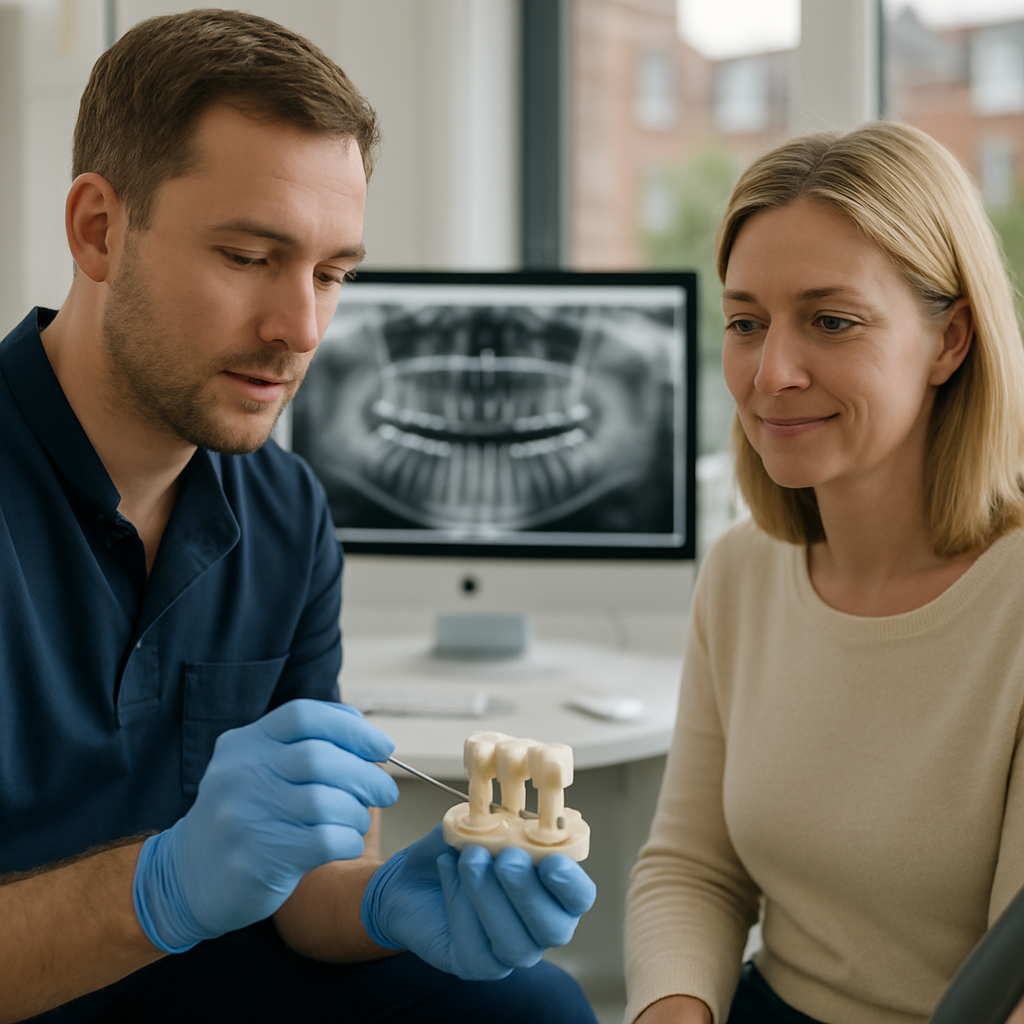
In the realm of dental restoration, choosing the right materials and aesthetics for bridges is paramount in achieving both functionality and patient satisfaction. The evolution of London Dental Bridges has seen remarkable advancements in materials, such as zirconia and porcelain, which not only enhance the durability of the restoration but also its natural appearance. Dentists must consider the unique requirements of each patient, including the location of the bridge, the colour of surrounding teeth, and personal aesthetic preferences.
Zirconia, known for its strength, is particularly useful for posterior bridges where more bite force is exerted, while porcelain offers remarkable translucency, making it ideal for anterior London Dental Bridges. The integration of these materials allows for a bridge that not only withstands the rigours of daily use but also blends seamlessly with the patient’s existing dentition.
Furthermore, the aesthetic considerations extend beyond mere colour matching. The surface texture and contour of London Dental Bridges can significantly influence the perceived naturalness of the restoration. Customisation plays a vital role, as skilled technicians can mimic the intricacies of natural teeth, ensuring that each bridge is tailored to the individual’s unique dental landscape.
In conclusion, the meticulous selection of materials and attention to aesthetic details are critical in the design of London Dental Bridges. This holistic approach not only restores functionality but also enhances the overall confidence and satisfaction of patients. As professionals in the dental field, it is essential to stay abreast of material innovations to continue delivering superior outcomes for those seeking restorative solutions.
Maintaining Your London Dental Bridges
To ensure the longevity and functionality of your dental restoration, it is essential to maintain your bridges with diligence. London Dental Bridges can effectively enhance your smile, but they require the same level of care as natural teeth. Regular dental check-ups are crucial, as your dentist can identify any potential issues before they become significant problems. This preventative approach is vital in preserving the integrity of your London Dental Bridges.
Daily oral hygiene plays an indispensable role in maintaining your dental work. Brushing at least twice a day and flossing regularly are imperative. Special attention should be paid to the areas surrounding your London Dental Bridges, as plaque accumulation can lead to complications, including gum disease. Using an antimicrobial mouthwash can further bolster your efforts in keeping your oral cavity healthy.
Additionally, be mindful of your diet. Hard and sticky foods can damage your bridges, so it’s wise to avoid them. Instead, opt for a balanced diet that promotes oral health while ensuring your London Dental Bridges remain intact.
Lastly, should you notice any changes or discomfort, do not hesitate to contact your dental professional. Timely intervention can make a significant difference in the lifespan of your London Dental Bridges. By following these recommendations, you can ensure that your dental bridges continue to provide both aesthetic and functional benefits for years to come.
Tips for Care and Maintenance
Ensuring the longevity and functionality of dental restorations, particularly London Dental Bridges, requires a dedicated approach to care and maintenance. Regular dental hygiene is paramount; brushing at least twice a day with a fluoride toothpaste can help to prevent plaque buildup around the bridge. It’s also essential to incorporate the use of interdental brushes or dental floss specifically designed for bridges, as traditional methods may not adequately clean the areas beneath the prosthesis.
In addition to daily hygiene practices, regular check-ups with a dentist experienced in London Dental Bridges are crucial. These visits allow for professional cleanings and early detection of any potential issues that may arise. During these appointments, your dentist can assess the integrity of the bridge and surrounding teeth, making necessary adjustments or repairs if needed.
Diet also plays a critical role in maintaining London Dental Bridges. It’s advisable to limit the intake of hard or sticky foods that could potentially dislodge or damage the restoration. Instead, focus on a balanced diet rich in vitamins and minerals that promote oral health.
Lastly, it’s important to be mindful of habits that could adversely affect your dental work. For example, grinding teeth can place excessive pressure on bridges, leading to premature wear or failure. If you suspect this may be an issue, discussing the possibility of a mouthguard with your dentist can provide an effective solution. By adhering to these guidelines, you can ensure that your London Dental Bridges remain functional and aesthetically pleasing for many years.
Regular Check-ups and Professional Cleanings
Regular dental examinations and professional cleanings are essential aspects of maintaining optimal oral health. These visits enable dentists to detect any potential issues before they escalate into more serious problems. In the context of restorative procedures, such as London Dental Bridges, these appointments play a pivotal role. Regular check-ups allow for comprehensive assessments of existing dental work, ensuring that solutions like London Dental Bridges remain effective and functional.
Professional cleanings, performed by qualified hygienists, complement these examinations by removing plaque and tartar that regular brushing cannot eliminate. This preventative measure not only enhances oral hygiene but also supports the longevity of dental restorations, including London Dental Bridges. During these sessions, patients receive tailored advice on maintaining their oral health, including the best practices for caring for their bridges and other dental fixtures.
Moreover, routine visits facilitate open communication between the patient and the dentist, allowing for timely discussions about any concerns regarding London Dental Bridges or other treatments. Establishing a regular dental schedule fosters a proactive approach to oral health, ultimately minimising the risk of complications.
In conclusion, prioritising regular check-ups and professional cleanings is invaluable. They not only ensure the health and aesthetics of one’s smile but also safeguard the integrity of restorative procedures such as London Dental Bridges, making them a wise investment in long-term dental well-being.
Success Stories: Real-Life Outcomes
In the realm of dental care, the transformative potential of restorative procedures is exemplified by the success stories of patients who have benefitted from London Dental Bridges. These innovative solutions not only restore functionality but also enhance aesthetic appeal, significantly improving patients’ quality of life.
Consider the case of a middle-aged professional who, after years of dealing with the discomfort and embarrassment of missing teeth, sought the expertise of a renowned clinic in London. With a customised treatment plan that included London Dental Bridges, she experienced a remarkable turnaround. Not only did her smile regain its former vitality, but she also reported an increase in confidence that positively impacted her personal and professional relationships.
Similarly, another patient, a retiree, found joy in rediscovering the simple pleasures of eating and socialising after receiving London Dental Bridges. The precision and craftsmanship involved in the fabrication of these bridges ensured a seamless fit, allowing him to indulge in foods he had long avoided. His story is a testament to the life-changing effects of skilled dental practice.
These narratives highlight the profound impact that well-executed dental procedures can have on individuals. The expertise available in London, particularly in relation to London Dental Bridges, underscores a commitment to patient-centred care, achieving outcomes that extend far beyond mere aesthetics. As these success stories illustrate, investing in restorative dental solutions can lead to significant improvements in overall well-being and life satisfaction. Through the lens of these experiences, it is clear that London Dental Bridges are more than just a dental fix; they represent a pathway to renewed confidence and enhanced quality of life.
Patient Experiences with Customized London Dental Bridges
Navigating the realm of dental solutions, patients often seek treatments that not only restore functionality but also enhance aesthetics. London Dental Bridges have emerged as a pivotal option for those looking to replace missing teeth while ensuring a seamless integration with their natural smile. The appeal of these customised dental solutions lies in their ability to cater to individual patient needs, addressing unique anatomical and aesthetic requirements.
Patients frequently express satisfaction with the process of obtaining London Dental Bridges, noting the importance of personalised consultations that allow for detailed discussions about their specific circumstances. This bespoke approach fosters trust and encourages open communication between dental professionals and patients, ultimately leading to enhanced outcomes.
Moreover, the materials used in London Dental Bridges contribute significantly to the overall experience. High-quality ceramics and metals are employed, not only for their durability but also for their ability to mimic the natural appearance of teeth. This level of craftsmanship ensures that patients can enjoy a restored smile that enhances their confidence in social interactions.
Additionally, the maintenance of London Dental Bridges is often highlighted as a positive aspect of the treatment. With proper care, these bridges can last for many years, making them a cost-effective long-term solution. Patients appreciate the minimal disruption to their daily lives and the ability to enjoy their favourite foods without concern.
In conclusion, the patient experiences surrounding customised London Dental Bridges underscore the convergence of functionality, aesthetics, and personalised care, reflecting a significant advancement in dental restoration practices.
Testimonials and Before/After Comparisons

When considering dental procedures, particularly those involving aesthetic enhancements, the value of testimonials and visual evidence cannot be understated. Prospective patients often seek assurance of the effectiveness and quality of treatments such as London Dental Bridges. Genuine testimonials from satisfied clients provide a powerful insight into the potential outcomes and overall satisfaction level associated with these treatments.
Visual comparisons before and after the procedure serve as compelling evidence of the transformative power of London Dental Bridges. These comparisons illustrate not just the physical improvements in a patient’s smile, but also the enhanced confidence and satisfaction that follow. Patients are more likely to engage in a procedure when they can see tangible results achieved by others.
Moreover, showcasing testimonials from diverse demographics can build trust and foster a sense of community around a dental practice. People are more inclined to visit a clinic that is endorsed by real experiences shared by individuals who were once in their position. For clinics specialising in London Dental Bridges, maintaining a collection of these endorsements can significantly influence patient acquisition and retention.
In conclusion, the integration of authentic testimonials and compelling before-and-after images is crucial in marketing London Dental Bridges. They not only validate the quality of care offered but also connect emotionally with potential patients, ultimately guiding them towards making informed decisions regarding their dental health.