
Understanding London Bruxism Bruxism is an often-overlooked condition that affects a significant number of individuals, particularly in urban settings like London. London Bruxism is characterised by the involuntary grinding and clenching of teeth, typically occurring during sleep or periods of heightened stress. This phenomenon has been increasingly noted among professionals facing the pressures of high-stakes …

Understanding London Bruxism
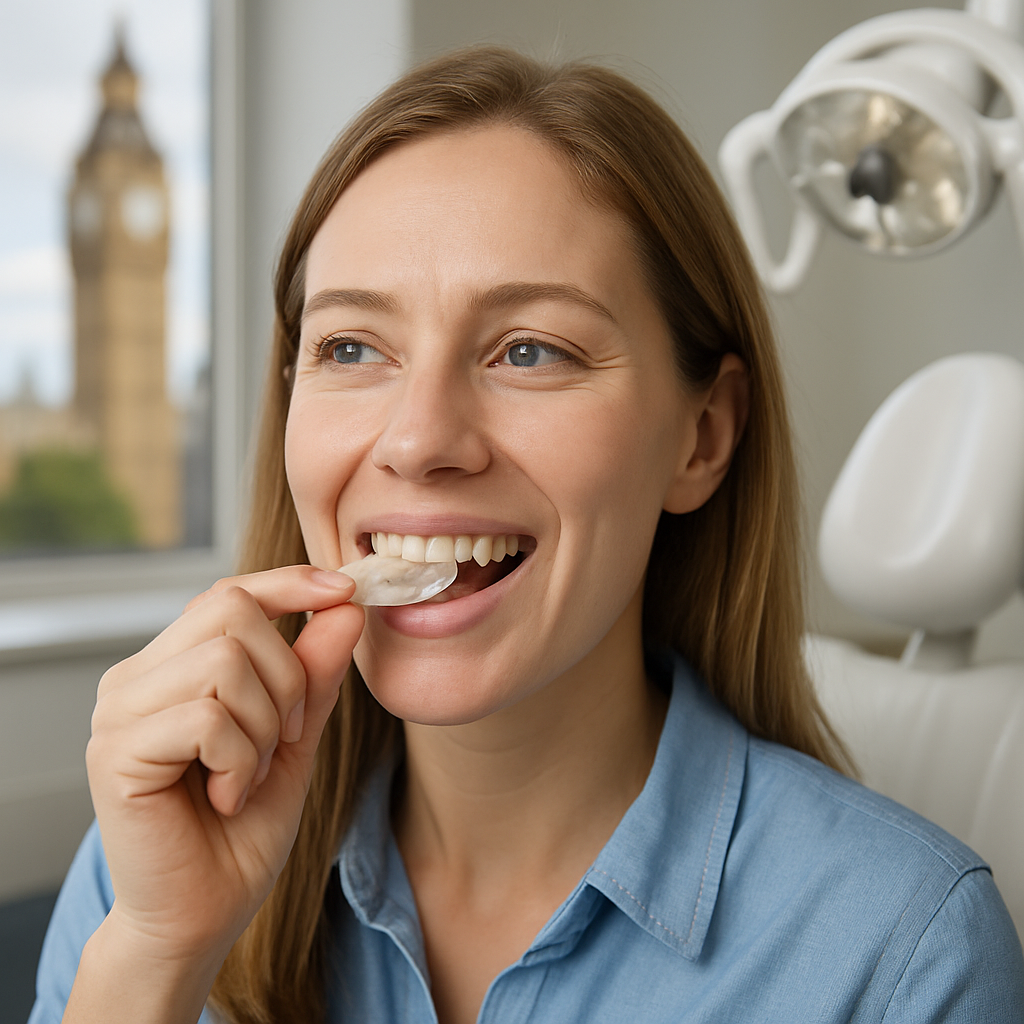
Bruxism is an often-overlooked condition that affects a significant number of individuals, particularly in urban settings like London. London Bruxism is characterised by the involuntary grinding and clenching of teeth, typically occurring during sleep or periods of heightened stress. This phenomenon has been increasingly noted among professionals facing the pressures of high-stakes environments, with stress levels contributing substantially to the prevalence of this condition.
In the bustling atmosphere of London, many individuals find themselves navigating demanding careers that can lead to anxiety and tension. As a result, the incidence of London Bruxism has seen a marked increase, prompting concerns among dental health practitioners. The repercussions of this condition extend beyond mere discomfort; they include potential dental damage, headaches, and even jaw disorders.
Understanding the underlying causes of London Bruxism is crucial for effective management. Clinicians often recommend stress-reduction techniques and lifestyle modifications as initial steps. Additionally, dental interventions such as custom mouthguards may be advised to protect teeth from the detrimental effects of grinding.
Recognising the signs and symptoms of London Bruxism early can lead to timely intervention, ultimately improving the quality of life for those affected. As awareness grows, it is imperative for both individuals and healthcare providers in London to prioritise this condition, ensuring that effective strategies are employed to tackle the challenge posed by this often-misunderstood disorder.

What is Bruxism?
Bruxism is a condition characterised by the involuntary grinding or clenching of teeth, often during sleep. This phenomenon can lead to various dental issues, including enamel wear, tooth sensitivity, and even jaw disorders. Many individuals may not be aware that they suffer from London Bruxism, as it frequently occurs subconsciously. Factors contributing to this condition include stress, anxiety, sleep disorders, and lifestyle choices such as alcohol and caffeine consumption.
In a bustling city like London, the fast-paced lifestyle can exacerbate the prevalence of London Bruxism. Individuals may find themselves grinding their teeth due to increased pressure at work or personal life. This unconscious behaviour can have significant repercussions, not only affecting dental health but also leading to headaches, jaw pain, and disrupted sleep patterns. It is essential for those in urban environments to be vigilant about their oral health, recognising the signs that may indicate they are suffering from London Bruxism.
Addressing this condition often requires a multi-faceted approach. Dentists may recommend custom-made night guards to protect teeth from damage. Additionally, lifestyle modifications such as stress management techniques and improved sleep hygiene can be beneficial. For more information on effective treatments and preventative measures, you can explore this resource, which provides insights tailored to those dealing with London Bruxism. Understanding the implications of this condition is crucial for maintaining both dental and overall health in today’s demanding world.
Causes of Bruxism
Bruxism, an involuntary grinding or clenching of the teeth that often occurs during sleep, has a myriad of underlying causes. Recognising these causes is essential for effective management, particularly in regions such as London, where stress and lifestyle factors can exacerbate the condition. One of the primary contributors to London Bruxism is stress and anxiety, commonly experienced in urban settings where the pace of life can be relentless. Individuals often unconsciously clench their jaws in response to heightened tension, leading to various dental issues.
In addition to psychological factors, physical misalignments in the jaw can play a significant role in the development of London Bruxism. Dental occlusions, where teeth do not align correctly, can create undue pressure during biting and grinding. Moreover, certain lifestyle choices, such as excessive caffeine consumption and smoking, can further intensify the propensity for this condition.
Sleep disorders, including sleep apnoea, have also been linked to London Bruxism. Patients suffering from these disorders may experience disrupted sleep patterns, which can increase the likelihood of teeth grinding during the night. Additionally, some medications, particularly those inducing drowsiness or altering neurotransmitter levels, may contribute to the manifestation of bruxism as a side effect.
Addressing these diverse factors requires a comprehensive approach, including stress management techniques, dental evaluations, and adjustments to lifestyle habits. By understanding the multifaceted causes of London Bruxism, healthcare professionals can better assist individuals in mitigating its impacts and promoting overall oral health.
The Importance of Dental Health
Maintaining optimal oral hygiene is crucial for overall health, yet it is often overlooked in day-to-day life. The ramifications of neglecting dental care can extend beyond the mouth, leading to complications such as gum disease, tooth decay, and even systemic health issues. Particularly in urban environments like London, the prevalence of stress-related conditions, including London Bruxism, further underscores the need for vigilant dental health practices. Bruxism, characterised by the grinding of teeth, often manifests in individuals who experience elevated stress levels, affecting their oral well-being.
The implications of London Bruxism can be significant, as it not only causes wear and tear on teeth but may also lead to temporomandibular joint (TMJ) disorders. For many professionals in the bustling city, managing the pressures of work can exacerbate this condition, making regular dental check-ups essential. Dentists play a vital role in identifying signs of bruxism early, offering treatments that range from mouthguards to stress management strategies.
Moreover, public awareness campaigns aimed at informing residents about the importance of dental health can be beneficial. Understanding the connection between stress and conditions such as London Bruxism empowers individuals to seek help before problems escalate. In turn, this proactive approach not only protects dental integrity but also enhances overall quality of life. For further insights into the significance of dentistry and its various facets, consider exploring this resource. Emphasising the importance of dental health is essential, particularly in a vibrant metropolis where oral hygiene can significantly impact daily living.
How Dental Health Affects Overall Wellbeing
Dental health plays a pivotal role in overall wellbeing, often overlooked in the broader context of health. The mouth is a gateway to the body, and poor dental hygiene can lead to a myriad of systemic issues. Evidence suggests that conditions such as gum disease are linked to cardiovascular diseases, diabetes, and even respiratory infections. Moreover, the psychological impact of dental health cannot be understated, as oral pain and aesthetic concerns can lead to diminished self-esteem and social withdrawal.
A prevalent condition affecting many is London Bruxism, which involves the grinding of teeth, often occurring unconsciously during sleep. This ailment is not just a dental concern; it can result in chronic headaches, jaw pain, and significant stress. The repercussions of London Bruxism extend beyond the immediate discomfort, as stress and anxiety may compound due to disrupted sleep patterns. Many individuals struggling with this condition may not realise that treating London Bruxism can enhance not only their dental health but also their overall emotional and mental wellbeing.
Additionally, maintaining good dental health through regular check-ups can help identify issues related to London Bruxism early on. Interventions such as night guards or stress management techniques can alleviate symptoms and promote healthier living. Ultimately, understanding the interconnection between dental health and overall wellbeing is vital; neglecting oral hygiene practices, including the management of conditions like London Bruxism, can have profound implications on a person’s quality of life. It is essential for individuals to recognise that investing in dental health is investing in their holistic health.
Top 5 Benefits of London Bruxism
Understanding the significance of dental health in bustling urban environments is crucial for professionals and individuals alike. In this context, London Bruxism presents a range of compelling advantages that go beyond mere awareness. Firstly, the recognition of this condition fosters a proactive approach towards dental wellness. Individuals experiencing London Bruxism often become attuned to their oral health, leading to early interventions that can mitigate severe complications down the line.
Moreover, addressing London Bruxism can enhance overall quality of life. Many individuals suffer from the discomfort of jaw pain or headaches associated with teeth grinding. By seeking treatment, people can experience significant relief, improving their daily functioning and productivity. This is particularly beneficial in a city like London, where the fast-paced lifestyle can exacerbate stress-related issues.
Another advantage lies in the collaborative efforts of dental professionals. The prevalence of London Bruxism has prompted a wave of innovative treatments and technologies, encouraging practitioners to share insights and develop best practices. This collaborative spirit not only enhances treatment outcomes but also enriches the professional community.
Additionally, public awareness campaigns regarding London Bruxism have increased, empowering individuals with knowledge about preventative measures and treatment options. This increased visibility encourages a culture of health consciousness, prompting individuals to prioritise their dental care.
Ultimately, the benefits of understanding and addressing London Bruxism extend far beyond personal health; they contribute to a more informed and proactive society, where dental wellbeing is integral to overall health.
Benefit 1: Strengthening Tooth Resilience
Maintaining optimal dental health is paramount, particularly in the context of modern lifestyle challenges. One significant concern that many individuals face is the impact of London Bruxism. This condition, characterised by the grinding or clenching of teeth, can undermine tooth resilience and lead to a myriad of dental problems. By addressing this issue proactively, individuals can significantly enhance their oral health and overall well-being.
The first step in fortifying tooth resilience is understanding the role of preventive measures. Custom night guards, for instance, can be instrumental in mitigating the damaging effects of London Bruxism. These devices not only provide a physical barrier between the upper and lower teeth but also absorb the forces generated during grinding, thereby preserving the integrity of tooth enamel. Regular dental check-ups are equally vital, as they offer professional insights and timely interventions to detect signs of wear related to London Bruxism.
Moreover, education plays a crucial role in combating this condition. By raising awareness about the symptoms and consequences of London Bruxism, individuals can take informed steps towards effective management. Emphasising stress reduction techniques and relaxation methods can further alleviate the tendencies associated with teeth grinding. In summary, strengthening tooth resilience is a multi-faceted approach that requires both preventive measures and lifestyle modifications. As we navigate the complexities of modern living, prioritising our dental health against challenges like London Bruxism remains essential for long-term well-being.
Benefit 2: Enhancing Jaw Muscle Tone

In the realm of dental health and biomechanics, achieving optimal muscle tone in the jaw is essential for various reasons, particularly for those suffering from conditions such as London Bruxism. This condition, characterised by the involuntary grinding and clenching of teeth, can lead to significant muscle fatigue and imbalances. By focusing on enhancing jaw muscle tone, individuals can alleviate some of the discomfort associated with London Bruxism, while also promoting overall oral health.
Strengthening the jaw muscles not only helps in reducing the frequency and intensity of bruxism episodes but also plays a crucial role in maintaining proper alignment of the jaw and teeth. Engaging in targeted exercises can lead to improved muscle function, which may mitigate the strain that often accompanies London Bruxism. Additionally, a well-toned jaw can enhance aesthetic facial contours, thereby improving confidence and self-esteem.
Moreover, therapeutic interventions designed to strengthen jaw muscles can be beneficial in reducing associated symptoms such as headaches, earaches, and jaw pain. Individuals often find that with improved muscle tone, their ability to manage stress is enhanced, which is vital considering that stress is a common trigger for London Bruxism. Regular assessments by dental professionals can aid in developing a tailored exercise programme that aligns with individual needs, ensuring optimal outcomes.
In conclusion, enhancing jaw muscle tone serves not only as a preventive measure against London Bruxism but also as a pathway to improved overall well-being. By prioritising this aspect of dental health, individuals can significantly enhance their quality of life.

Benefit 3: Promoting Awareness of Dental Issues
Raising awareness of dental issues is crucial for improving oral health outcomes across communities. A significant concern in this regard is London Bruxism, a condition that affects a considerable number of individuals in urban environments. By disseminating information about bruxism, we can educate patients about its causes and consequences, ultimately leading to better preventative measures.
In many cases, people are unaware of the impact that bruxism can have on their overall dental health. This lack of awareness can result in untreated symptoms, such as chronic headaches, jaw pain, and severely worn-down teeth. By promoting knowledge around conditions like London Bruxism, dental professionals can encourage early intervention and offer effective treatment options, ranging from custom mouthguards to stress management techniques.
Engaging local communities through workshops, seminars, and online resources can further aid in spreading the word. Dental practices can collaborate with local organisations to host events focused on bruxism awareness. These initiatives not only build trust within the community but also position dental professionals as trusted sources of information. Furthermore, sharing real-life testimonials of those affected by London Bruxism can illustrate the importance of seeking timely intervention.
In conclusion, by elevating the conversation around dental issues, particularly London Bruxism, we can foster a culture of preventative care. Increased awareness leads to informed patients who are more likely to engage in proactive health behaviours. Ultimately, this collective effort will contribute to improved oral health standards within the community.
Benefit 4: Supporting Regular Dental Check-ups
Regular dental check-ups play a pivotal role in maintaining oral health and preventing more serious conditions. One of the significant advantages of consistent dental visits is the early identification of potential issues, such as London Bruxism. This condition, characterised by teeth grinding and jaw clenching, can lead to various complications if not addressed promptly. Regular check-ups enable dental professionals to ascertain the presence of London Bruxism and recommend appropriate interventions, thereby safeguarding the patient’s dental integrity.
Moreover, individuals suffering from London Bruxism may not always be aware of their condition. The subtle signs, such as wear on teeth or jaw discomfort, can be overlooked. Dentists are trained to detect these symptoms during routine examinations, allowing for timely treatment. This proactive approach not only alleviates immediate discomfort but also mitigates the risk of long-term damage, including tooth loss or temporomandibular joint disorders.
Furthermore, regular visits foster a relationship between the patient and the dental practitioner, facilitating open discussions about habits that contribute to London Bruxism. Understanding the underlying causes, such as stress or misaligned teeth, empowers patients to make informed decisions regarding their oral health.
In conclusion, prioritising regular dental check-ups is essential, especially for those who may suffer from conditions like London Bruxism. These appointments are not merely about maintaining oral aesthetics; they are crucial for ensuring long-term health and well-being. By investing in preventive care, individuals can significantly reduce the risk of dental complications associated with London Bruxism.
Benefit 5: Facilitating Better Stress Management
In today’s fast-paced environment, the ability to manage stress effectively has become paramount for both individuals and professionals. The impact of stress is particularly pronounced in urban settings, such as London, where the phenomenon of London Bruxism has gained significant attention. This condition, characterised by teeth grinding or jaw clenching, is often exacerbated by high-pressure lifestyles and can lead to severe dental and psychological issues if left unaddressed.
Implementing strategies to alleviate stress not only enhances overall well-being but also mitigates the risks associated with conditions like London Bruxism. Techniques such as mindfulness, regular physical activity, and structured relaxation practices can be instrumental in reducing stress levels. The importance of fostering environments that support mental health cannot be overstated; workplaces that prioritise employee welfare often see a decrease in stress-related ailments, including those linked to London Bruxism.
Moreover, awareness and education about the symptoms of London Bruxism can empower individuals to seek help and take proactive measures. Engaging with specialists who understand the triggers and manifestations of this condition can pave the way for effective solutions. By focusing on stress management, not only can we tackle London Bruxism, but we can also foster a healthier, more productive society. Ultimately, investing in stress reduction techniques is not merely beneficial; it is essential for sustaining mental and physical health in our increasingly demanding world.
Addressing Bruxism: When to Seek Professional Help
Individuals experiencing bruxism often overlook the significance of seeking professional assistance, assuming it is merely a benign habit. However, persistent teeth grinding, commonly known as London Bruxism, can lead to a range of complications if left unaddressed. Symptoms such as jaw pain, headaches, and dental wear are frequent indicators that it is time to consult a dental professional. While occasional grinding may not warrant immediate concern, chronic cases can escalate, resulting in more severe issues including temporomandibular joint (TMJ) disorders.
It is advisable for those residing in London who suspect they may be affected by London Bruxism to seek a thorough dental assessment. Dentists can provide tailored solutions, ranging from custom mouthguards to stress management therapies, which are vital in mitigating the adverse effects of this condition. Furthermore, understanding the underlying causes of bruxism—such as stress, anxiety, or sleep disturbances—can significantly enhance treatment efficacy.
Ignoring the symptoms of London Bruxism can not only impact oral health but also affect overall wellbeing, leading to disrupted sleep and diminished quality of life. Therefore, recognising the appropriate time to engage with healthcare professionals is crucial. If you find yourself grinding your teeth consistently, or if you experience any discomfort in your jaw or teeth, it is prudent to act decisively. Early intervention is key to preventing further complications associated with London Bruxism and ensuring long-term health.
Signs You Should Consult a Dentist
Failing to recognise the signs that indicate a need for dental consultation can lead to more significant issues down the line. Persistent tooth pain is often the clearest signal that something is amiss. Individuals experiencing discomfort should consult a dentist promptly, as this could be indicative of dental caries or even an abscess. Additionally, sensitivity to hot or cold foods may suggest underlying issues requiring immediate attention.
Another critical sign to be aware of is changes in your bite or the feeling of teeth shifting. Such alterations can point towards London Bruxism, a condition characterised by teeth grinding or jaw clenching, often exacerbated by stress. Symptoms such as jaw pain or headaches upon waking can serve as warning signals that it’s time to seek professional advice.
Halitosis, or chronic bad breath, is yet another reason to consult a dentist, as this can signal gum disease or other dental health problems. If you notice bleeding gums while brushing, it’s essential to address this with your dentist to prevent potential complications.
Furthermore, if you find yourself frequently experiencing discomfort related to London Bruxism, it’s advisable to explore treatment options. A dentist can provide guidance on protective measures, such as night guards, which can alleviate the strain on your teeth and jaw. By remaining vigilant to these signs, you can maintain optimal oral health and seek timely intervention when necessary.
Conclusion: Embracing London Bruxism for Healthier Teeth

Addressing the pressing issue of teeth grinding, particularly prevalent in urban environments like London, is essential for safeguarding oral health. London Bruxism, marked by involuntary teeth clenching and grinding, poses a significant risk to dental integrity and overall well-being. The stresses of city life can exacerbate this condition, making it imperative for both individuals and dental professionals to recognise its implications.
Understanding London Bruxism is the first step towards effective management. It can lead to enamel erosion, heightened sensitivity, and even temporomandibular joint disorders if left unaddressed. Awareness campaigns and educational initiatives are crucial in guiding residents to seek assistance early. Dental professionals in the capital are increasingly encouraged to incorporate screening for bruxism into routine examinations, thereby facilitating early diagnosis and intervention.
Moreover, innovative treatment modalities for London Bruxism are emerging, including custom orthodontic devices and stress management therapies. These solutions not only alleviate symptoms but also promote a healthier dental environment. As the understanding of this condition deepens, the healthcare community must advocate for lifestyle changes and stress reduction techniques that can significantly mitigate the effects of London Bruxism.
Ultimately, fostering a culture of awareness and proactive treatment can transform how we approach oral health in London. Embracing solutions for London Bruxism not only protects our teeth but also enhances our quality of life, enabling us to enjoy the vibrancy of London without the burden of dental distress.