Introduction to London Dental Bridges The world of restorative dentistry offers various solutions for patients seeking to restore their smiles and enhance their oral health. One notable option is the application of London Dental Bridges, which serve as a reliable method for replacing missing teeth. These prosthetic devices not only improve aesthetics but also play …

Introduction to London Dental Bridges
The world of restorative dentistry offers various solutions for patients seeking to restore their smiles and enhance their oral health. One notable option is the application of London Dental Bridges, which serve as a reliable method for replacing missing teeth. These prosthetic devices not only improve aesthetics but also play a crucial role in maintaining the structural integrity of the dental arch.
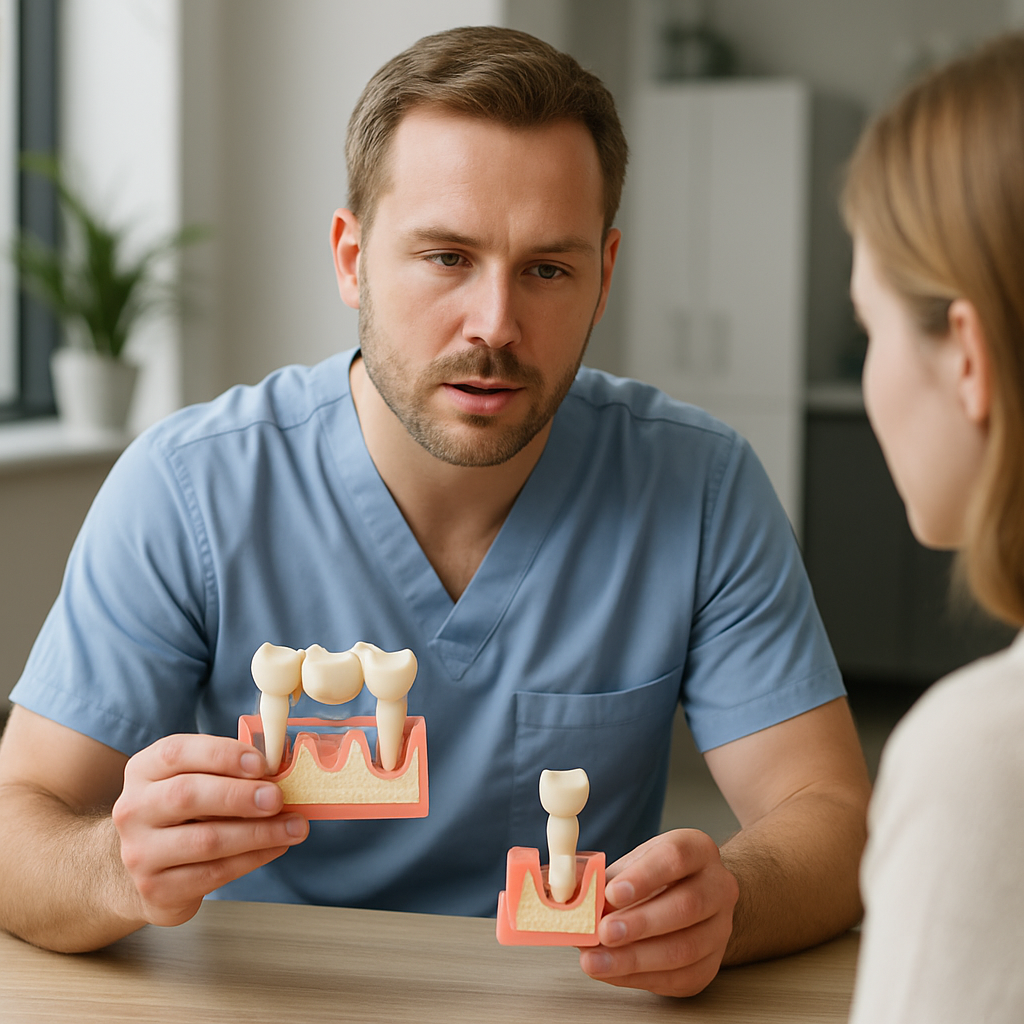
When faced with the challenge of tooth loss, many individuals may find themselves overwhelmed by the choices available. London Dental Bridges are particularly advantageous as they seamlessly blend with natural teeth, providing a functional and aesthetically pleasing outcome. Typically composed of two crowns anchored on the adjacent teeth, they effectively bridge the gap caused by missing teeth, ensuring that chewing and speaking functions are preserved.
Furthermore, the procedure for obtaining London Dental Bridges is generally straightforward, requiring minimal invasiveness compared to other restorative techniques. Dentists assess the patient’s oral health and design a customised bridge that suits their specific needs, considering factors such as bite, gum condition, and overall dental alignment.
In conclusion, London Dental Bridges emerge as a superior option for those seeking to revitalise their dental health. With advancements in material and technology, patients can expect durable and natural-looking results that not only enhance their smile but also contribute to their overall well-being. For anyone considering tooth replacement options, exploring the benefits of bridges is highly recommended.

What Are Dental Bridges?
Dental restorations play a crucial role in maintaining oral health and aesthetics, particularly when it comes to replacing missing teeth. One effective solution is the use of dental bridges, which are prosthetic devices designed to fill the gaps left by absent teeth. These bridges are anchored onto the adjacent teeth, creating a stable and durable structure that not only restores functionality but also enhances the smile’s appearance.
In the realm of restorative dentistry, London Dental Bridges are becoming increasingly popular due to their customisable nature and ability to blend seamlessly with existing teeth. They are typically made from high-quality materials such as porcelain or metal, ensuring that they are both resilient and visually appealing. The process of acquiring London Dental Bridges generally involves multiple consultations, where a dental professional will assess the condition of your teeth and gums, determine the best materials for your needs, and take precise measurements for a perfect fit.
Moreover, the longevity of London Dental Bridges is enhanced by regular dental check-ups and proper oral hygiene practices. Patients are often advised to maintain a rigorous cleaning routine, as this not only prolongs the life of the bridge but also supports overall oral health. For those seeking more information on how to achieve a flawless smile through restorative methods, it is highly recommended to consult with an experienced professional. For further insights, check our detailed guides on dental solutions. In summary, London Dental Bridges serve as a reliable option for those looking to restore their smile and confidence effectively.
The Importance of Dental Bridges in Modern Dentistry
In contemporary dentistry, the role of dental bridges is pivotal, particularly in addressing the functional and aesthetic concerns of patients. When a tooth is lost, it can lead to a cascade of dental issues, including misalignment and further tooth loss. This is where London Dental Bridges come into play, providing a practical solution to restore both the appearance and functionality of a patient’s smile.
Dental bridges are designed to span the gap created by one or more missing teeth. Typically comprising two or more crowns anchored on adjacent teeth, they effectively fill the void and prevent neighbouring teeth from shifting. This is especially relevant in bustling urban environments like London, where individuals often seek quick yet durable solutions to dental problems. The implementation of London Dental Bridges not only enhances a patient’s smile but also contributes to oral health by maintaining proper bite and chewing capabilities.
Furthermore, the longevity of dental bridges makes them a wise investment. In London, where aesthetic considerations are paramount, patients benefit from the customisation options available in modern dentistry. With materials designed to mimic natural tooth appearance, London Dental Bridges offer both resilience and a pleasing aesthetic result.
In conclusion, the significance of dental bridges in modern dentistry cannot be overstated. Their ability to restore function while enhancing aesthetic appeal positions them as a cornerstone of effective dental solutions, particularly in vibrant cities like London, where patient expectations are understandably high. Embracing the advancements in this area will undoubtedly lead to improved patient outcomes and satisfaction.
Alternatives to London Dental Bridges
In the realm of restorative dentistry, individuals seeking alternatives to traditional methods often consider various solutions when confronted with tooth loss. One prevalent option, London Dental Bridges, provides a straightforward means to replace missing teeth; however, alternatives exist that cater to diverse needs, budgets, and aesthetic preferences.
Implant-supported dentures represent an innovative alternative, offering enhanced stability and comfort compared to conventional bridges. Unlike London Dental Bridges, which rely on adjacent teeth for support, these implants are surgically placed in the jawbone, providing a more secure fit and a natural feel. Patients often find this option appealing due to its longevity and the preservation of jawbone integrity over time.
Moreover, removable partial dentures serve as a less invasive solution that can be customised to meet individual preferences. While London Dental Bridges require significant alteration of surrounding teeth, partial dentures can be easily removed for cleaning and are typically more affordable.
Another alternative gaining traction is the use of resin-bonded bridges, which are particularly suited for anterior teeth. These bridges use a minimalistic approach, adhering to existing teeth without extensive drilling, thus preserving tooth structure.
As with any dental procedure, it is essential for patients to explore their options thoroughly. Consulting with experienced professionals and considering the implications of each alternative can lead to informed decisions. For further insights into dental procedures and options, you may refer to this informative resource. Ultimately, whether opting for London Dental Bridges or exploring alternatives, the goal remains the same: restoring function and aesthetics with a tailored approach.
Dental Implants vs. Dental Bridges
When considering restorative dental options, two primary choices emerge: implants and bridges. Each method offers distinct advantages and considerations that align differently with patient needs and circumstances. Implants provide a long-term solution, integrating with the jawbone and mimicking the structure of natural teeth. This integration not only enhances stability but also preserves the integrity of adjacent teeth and bone density. However, the procedure for fitting implants can be more invasive and may require a longer healing period.
Conversely, London Dental Bridges serve as a quicker alternative, effectively bridging the gap created by one or more missing teeth. This method involves anchoring a prosthetic tooth to the adjacent healthy teeth, thus providing a solid solution that can enhance both functionality and aesthetics. For many patients, London Dental Bridges become a more accessible option, particularly if they lack adequate bone density for implants.
It is essential to consider the longevity and maintenance of both options. Implants typically boast a lifespan exceeding that of bridges, often lasting many years with proper care. In contrast, London Dental Bridges may necessitate replacements or repairs over time, depending on wear and other factors.
Ultimately, the decision between these two methods should involve a thorough discussion with a dental professional, who can offer tailored advice based on individual oral health and lifestyle factors. Patients in London seeking effective restoration solutions would benefit from understanding the nuances of both implants and London Dental Bridges, ensuring an informed choice for their dental needs.
Partial Dentures vs. Dental Bridges
When considering options for tooth replacement, patients often find themselves evaluating different restorative dental solutions. Among these, two prominent choices are commonly discussed: partial dentures and dental bridges. Each option presents unique benefits and considerations that cater to various patient needs.
Partial dentures offer a removable solution for individuals who have lost several teeth but retain some natural teeth. They are generally less invasive and can be a cost-effective alternative. However, they may require more maintenance and can sometimes feel less secure than fixed options. In contrast, dental bridges, particularly London Dental Bridges, provide a more permanent solution by anchoring artificial teeth to adjacent natural teeth. This creates a stable and aesthetically pleasing outcome, often preferred by patients seeking a long-lasting fix.
The installation of London Dental Bridges typically involves the preparation of the neighbouring teeth, which are crowned to support the bridge. This procedure, while more invasive than fitting partial dentures, can result in a seamless smile with enhanced functionality. Furthermore, London Dental Bridges are less prone to dislodgement and tend to offer superior comfort compared to their removable counterparts.
Ultimately, the decision between partial dentures and London Dental Bridges hinges on individual circumstances, including oral health, budget, and personal preferences. Consulting with a qualified dental professional can provide valuable guidance in selecting the most suitable option for restoring one’s smile effectively.
Comparing Costs of Dental Bridges and Alternatives
When considering dental restoration options, patients often weigh the costs associated with various treatments. Amongst these, London Dental Bridges are a popular choice for replacing missing teeth. However, they are not the only solution available. The financial implications can vary significantly, depending on the type of restoration selected.
London Dental Bridges typically involve the placement of artificial teeth anchored to adjacent natural teeth or implants. The initial expense can be considerable, often reflecting the quality of materials used and the expertise of the dental professional. On the other hand, alternatives such as dentures or dental implants also deserve attention. Dentures, while generally less expensive at the outset, may require more frequent adjustments and replacements, leading to cumulative costs that can rival those of London Dental Bridges over time.
Dental implants, although initially higher in price, offer a permanent solution that integrates with the jawbone, reducing future dental issues. It’s essential to consider not just the upfront costs but also the longevity and maintenance of each option. Patients should seek comprehensive consultations to assess their individual needs and preferences, as the right choice can significantly impact both budget and overall oral health.
In conclusion, while London Dental Bridges present a viable solution for many, it’s crucial to evaluate all alternatives thoroughly and consider long-term implications. Consulting with a qualified dental professional is imperative to make an informed decision that aligns with both health requirements and financial considerations.
Benefits of Choosing London Dental Bridges
When considering dental restorations, the advantages of opting for a specific type of solution can significantly influence both aesthetics and functionality. One such option that has gained prominence is the use of London Dental Bridges. These custom-fitted appliances are designed to replace missing teeth, effectively restoring the patient’s smile while enhancing oral health.
A key benefit of London Dental Bridges is their ability to create a seamless appearance. Crafted from high-quality materials, these bridges can be matched to the natural colour of your teeth, ensuring that the restoration blends harmoniously with the existing dentition. This aesthetic enhancement can be crucial for individuals looking to regain their confidence and maintain a natural-looking smile.
Moreover, London Dental Bridges provide functional advantages. They help in redistributing the bite forces evenly across the dental arch, preventing potential issues associated with missing teeth, such as bite misalignment and jaw discomfort. By filling the gaps, these bridges also facilitate easier chewing and speaking, which can enhance overall quality of life for patients.
Additionally, the longevity of London Dental Bridges makes them a worthwhile investment. With proper care, they can last many years, thereby reducing the need for frequent replacements. Patients can benefit from the expert craftsmanship and advanced dental technology that practitioners in London are renowned for.
In conclusion, the choice of London Dental Bridges not only addresses the aesthetic concerns but also supports long-term dental health, making them an excellent solution for anyone seeking to restore their smile effectively.
Seamless Aesthetics and Functionality

In the world of modern dentistry, the balance between aesthetics and functionality is paramount, particularly when it comes to restorative treatments. Patients increasingly seek solutions that not only restore their oral health but also enhance their overall appearance. This is where London Dental Bridges come into play, offering a remarkable fusion of these vital aspects.
When designed and fitted correctly, London Dental Bridges serve as an effective means to replace missing teeth while ensuring that the natural aesthetics of the smile are preserved. The materials used in these dental restorations are selected with care, allowing for a seamless integration that mimics the look and feel of natural teeth. This attention to detail is essential in cultivating patient confidence and satisfaction.
Furthermore, the functionality provided by London Dental Bridges cannot be overstated. They contribute significantly to the proper alignment of the bite and provide support for the surrounding teeth, preventing unwanted shifting and potential future dental issues. This dual benefit not only enhances the dental experience but also fosters long-term oral health.
Moreover, advancements in dental technology allow for increasingly customisable options, which further emphasises the importance of collaboration between patients and practitioners. As a result, London Dental Bridges stand out in the realm of restorative dentistry, marrying aesthetic excellence with unwavering functionality. In a competitive landscape, it is crucial for dental professionals to advocate for solutions that truly meet their patients’ needs, ensuring both beauty and practicality are achieved in every restorative endeavour.

Durability and Longevity of Dental Bridges
The durability of dental restorations is a crucial concern for both practitioners and patients. Among various solutions, dental bridges have gained popularity due to their ability to provide both aesthetic and functional benefits. When considering London Dental Bridges, it is important to assess the materials used and the specific techniques employed during their construction. High-quality bridges can last a decade or more, depending on factors such as oral hygiene, regular dental check-ups, and the skill of the dental professional.
Typically, London Dental Bridges are composed of materials like porcelain fused to metal or all-ceramic, which not only mimic the appearance of natural teeth but also offer remarkable strength. The longevity of these bridges is significantly influenced by the patient’s adherence to oral care routines; proper brushing, flossing, and routine dental visits play a pivotal role in maintaining their integrity.
Moreover, advanced bonding techniques and innovative materials have further enhanced the durability of London Dental Bridges. Dentists often recommend custom solutions tailored to individual needs, ensuring that the bridge fits perfectly and functions optimally. Patients experiencing issues with their bridges should seek prompt advice, as timely interventions can prolong the lifespan of these restorations.
In conclusion, the combination of high-quality materials, expert craftsmanship, and diligent patient care can significantly contribute to the longevity of London Dental Bridges, making them a worthwhile investment for those seeking a reliable solution for tooth loss. Investing in education about proper maintenance can also empower patients to make informed decisions regarding their dental health.
The Role of Oral Health in Bridge Selection
The importance of oral health cannot be overstated, particularly when it comes to the selection of dental bridges. A comprehensive understanding of a patient’s oral hygiene, periodontal health, and overall dental condition plays a pivotal role in determining the most suitable type of bridge. For instance, patients with compromised gums or untreated cavities may face limitations in their options for London Dental Bridges.
Moreover, the longevity and success of London Dental Bridges largely depend on the foundational health of the surrounding teeth and gums. If the underlying structures are unstable, even the most aesthetically pleasing bridge may fail prematurely. Therefore, dental professionals must assess factors such as bone density and gum tissue quality before recommending a specific type of bridge.
Additionally, patient compliance with oral hygiene practices significantly influences the durability of London Dental Bridges. Practicing good oral health not only ensures the integrity of the bridge but also prevents further dental issues that could necessitate additional treatments. A thorough evaluation often leads to tailored advice on maintaining optimal oral health, which is essential for the success of any chosen bridge.
In essence, the interplay between oral health and bridge selection underscores the necessity for a comprehensive dental assessment. By prioritising oral health, both practitioners and patients can ensure that London Dental Bridges provide a robust and lasting solution for tooth restoration. This partnership between patient care and professional guidance is vital in achieving the desired outcomes in restorative dentistry.
The Process of Getting London Dental Bridges
When considering dental solutions in London, many patients may find themselves exploring the option of bridges, specifically London Dental Bridges. This restorative method serves to replace missing teeth, ensuring both functional and aesthetic benefits. The process typically begins with a comprehensive consultation, during which your dentist will evaluate your oral health, discuss your specific needs, and develop a tailored treatment plan.
Following the initial assessment, the next stage involves preparing the adjacent teeth, which may require minor reshaping. This ensures that the bridge can be securely anchored. Impressions of your teeth are then taken, which are essential for crafting a custom-fit bridge. In the realm of London Dental Bridges, precision is paramount, and advanced techniques and materials are employed to achieve a seamless blend with your natural teeth.
Once the bridge is created, a follow-up appointment is scheduled for placement. The dentist will carefully fit the bridge and make any necessary adjustments to ensure comfort and functionality. Patients can often expect a brief adjustment period as they acclimatise to their new dental work.
It is important to maintain proper oral hygiene and attend regular dental check-ups after receiving London Dental Bridges. This not only prolongs the lifespan of the bridge but also promotes overall dental health. For those considering this restorative option, understanding the process and seeking professional advice is crucial in achieving optimal results and restoring confidence in one’s smile with London Dental Bridges.
Initial Consultation and Assessment
The initial consultation and assessment process is critical for determining the appropriate course of action for patients seeking dental solutions. During this phase, professionals engage with the patient to understand their unique needs and expectations. In a city like London, where the demand for advanced dental care is ever-increasing, addressing concerns related to aesthetics and functionality is paramount.
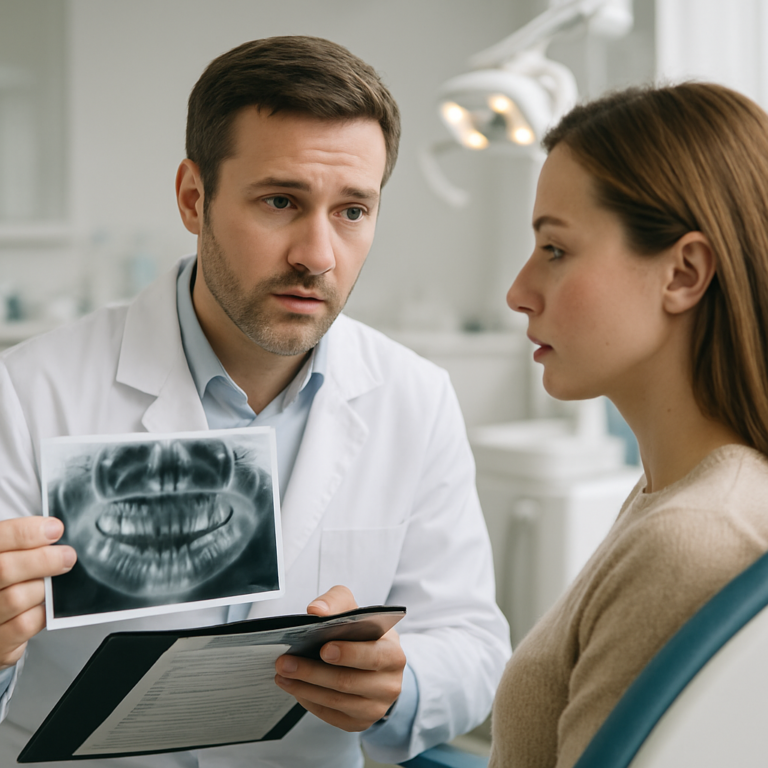
Specifically, when discussing London Dental Bridges, the assessment allows practitioners to evaluate the extent of dental issues and the condition of surrounding teeth. This not only facilitates a tailored treatment plan but also ensures that the patient feels confident in their choices. The consultation typically includes a comprehensive examination, relevant imaging, and discussions about the patient’s medical history, thereby laying a solid foundation for future treatments.
Furthermore, the opportunity to explore various options ensures that patients are well-informed about the benefits and limitations of London Dental Bridges. This dialogue cultivates trust, enabling practitioners to guide patients towards the most suitable solutions tailored to their individual circumstances.
By the end of the consultation, patients should feel empowered and equipped with the necessary information to make informed decisions regarding their dental health. It is essential to highlight that such thorough assessments do not merely focus on immediate needs but also consider long-term outcomes. Therefore, for those contemplating restorative dentistry, the initial consultation is a vital step towards achieving their desired results, particularly when opting for London Dental Bridges. Engaging with experienced professionals can significantly enhance the overall experience and satisfaction of patients embarking on this transformative journey.
The Procedure for Fitting Dental Bridges
The process of fitting dental bridges involves several carefully orchestrated steps to ensure optimal results for patients seeking to restore their smiles. Initially, a comprehensive assessment is conducted, which may include X-rays and impressions to evaluate the condition of the existing teeth and gums. This is particularly crucial in the context of London Dental Bridges, as the specific dental requirements can vary significantly among individuals.
Once the assessment is complete, the next phase involves preparing the adjacent teeth that will support the bridge. This preparation often entails reshaping these teeth to accommodate the bridge structure, ensuring a secure and comfortable fit. The dentist might also take additional impressions during this stage to create a precisely fitting custom bridge. In London Dental Bridges, the choice of materials—whether porcelain, metal, or a combination—plays a vital role in both aesthetics and functionality.
Following the preparation, a temporary bridge may be placed to protect the exposed teeth while the permanent bridge is crafted in a dental laboratory. This interim solution also allows patients to maintain their daily routines without discomfort. Once the final bridge is ready, a follow-up appointment is scheduled for fitting. During this visit, adjustments are made to ensure the bridge aligns perfectly with the bite and surrounding structures.
Ultimately, the goal of fitting London Dental Bridges is to restore not only the appearance of the smile but also the essential function of chewing and speaking. Patients are advised on care and maintenance to prolong the life of their bridges, ensuring a successful outcome for years to come.
Aftercare and Maintenance Tips
Effective aftercare and maintenance are critical components in ensuring the longevity and functionality of London Dental Bridges. Once the procedure is completed, patients must adhere to specific guidelines to maintain optimal oral health and protect their investment. Regular dental check-ups are essential, ideally every six months, as they allow professionals to monitor the condition of the bridges and surrounding teeth.
Daily oral hygiene practices cannot be overstated. Brushing twice a day with fluoride toothpaste and using interdental brushes or floss specifically designed for dental bridges will help prevent plaque buildup and gum disease. It’s advisable to avoid overly hard or sticky foods, as these can dislodge or damage London Dental Bridges. Additionally, patients should be cautious with their oral habits; for instance, biting nails or using teeth to open packages can lead to complications.
Moreover, the utilisation of mouthguards during activities that may pose a risk of dental injury, like contact sports, provides an extra layer of protection. Staying hydrated and maintaining a balanced diet full of calcium and vitamins will support overall dental health.
In summary, the careful aftercare of London Dental Bridges not only enhances their durability but also contributes significantly to your overall oral health. Implementing these maintenance tips will ensure that your bridges serve you well for many years to come, allowing you to enjoy a confident and radiant smile.
Conclusion: Making the Right Choice
When considering dental restoration options, it’s essential to weigh the benefits and drawbacks of each choice carefully. Among the various solutions available, London Dental Bridges stand out for their ability to restore both function and aesthetics. These dental appliances effectively bridge the gap created by missing teeth, offering a seamless integration with your existing dental structure.
The decision to opt for London Dental Bridges should be informed by a thorough understanding of your dental needs and long-term goals. Patients often appreciate the permanence and durability offered by bridges compared to removable dentures, which can sometimes feel less stable. Additionally, London Dental Bridges can significantly enhance your smile, boosting your confidence and improving your overall quality of life.
It is also crucial to consult with a qualified dental professional who can assess your specific situation. They will provide insights into whether London Dental Bridges are suitable for you or if alternative options might be more beneficial. Factors to consider include the health of your remaining teeth, your oral hygiene habits, and any underlying dental issues that may complicate the procedure.
Ultimately, making the right choice involves balancing aesthetics, functionality, and personal comfort. By carefully considering London Dental Bridges as a viable option, alongside professional guidance, you can ensure that your decision enhances both your dental health and your self-esteem, paving the way for a brighter, more confident smile.
Factors to Consider Before Choosing Dental Bridges

When considering dental restoration options, it’s crucial to assess various factors that can impact the effectiveness and longevity of the chosen solution. Among these, the condition of the surrounding teeth stands out. If the adjacent teeth are compromised or require treatment, this may affect the viability of London Dental Bridges. Additionally, the patient’s overall oral health plays a significant role; for instance, gum disease or tooth decay must be addressed prior to installation for optimal results.
Financial considerations are another vital aspect. The costs associated with London Dental Bridges may vary based on the materials used and the complexity of the case. Patients should engage in thorough discussions with their dental professionals to understand the full scope of expenses, including potential maintenance and adjustments in the future.
Moreover, the aesthetic aspect cannot be overlooked. Patients often seek a natural appearance, and the quality of the materials used in London Dental Bridges can significantly influence this outcome. Dentists typically offer a range of options that can cater to different cosmetic needs, ensuring the final result is both functional and visually pleasing.
Lastly, patient lifestyle and preferences should guide the decision-making process. Those who lead an active lifestyle or have specific dietary habits may benefit from a certain type of London Dental Bridges that is more durable or easier to maintain. Ultimately, a comprehensive evaluation involving these various factors will empower patients to make an informed choice regarding their dental restoration journey.