
Introduction to London Dental Filling In the heart of the UK, dental practices are increasingly embracing advanced procedures to enhance patient care, with London Dental Filling taking centre stage as a fundamental treatment. The prevalence of dental caries necessitates effective intervention, and fillings serve as a primary solution to restore both the function and aesthetics …

Introduction to London Dental Filling
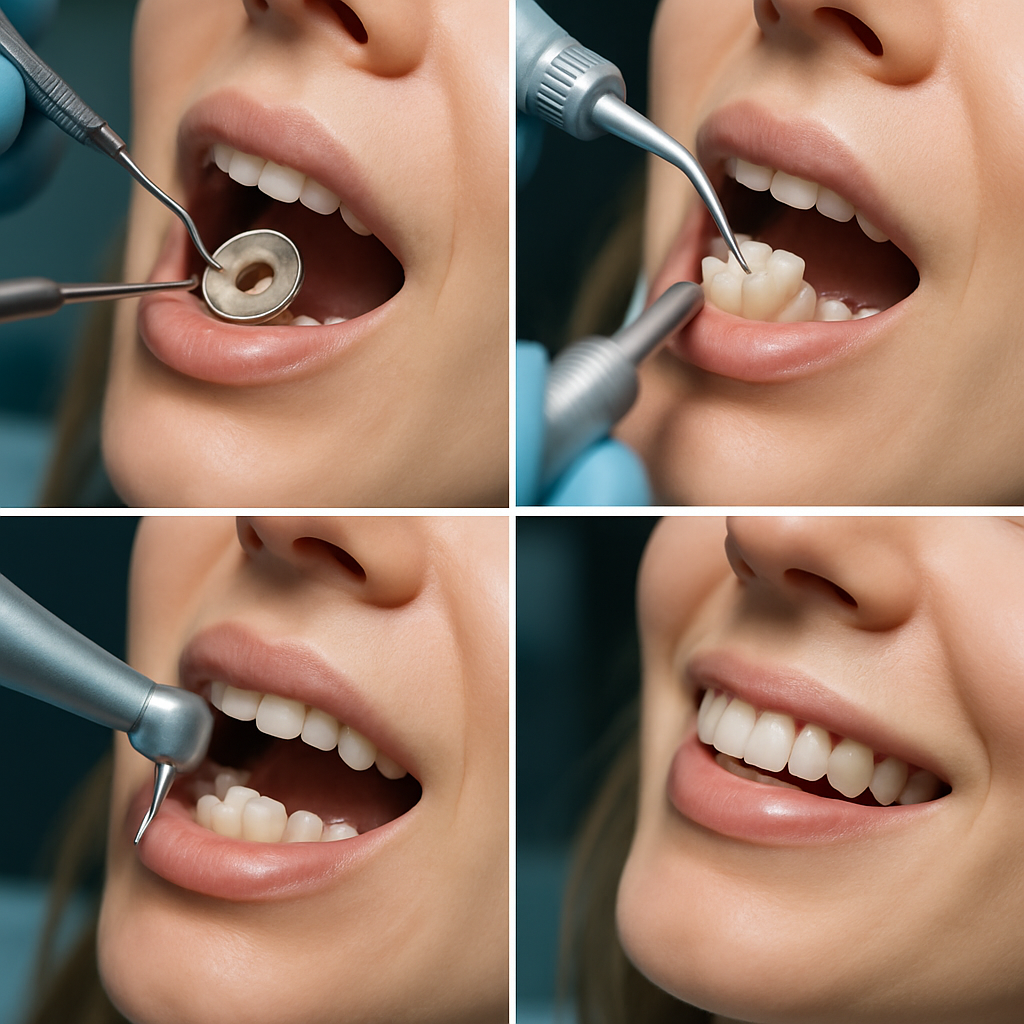
In the heart of the UK, dental practices are increasingly embracing advanced procedures to enhance patient care, with London Dental Filling taking centre stage as a fundamental treatment. The prevalence of dental caries necessitates effective intervention, and fillings serve as a primary solution to restore both the function and aesthetics of affected teeth. In London, dental professionals are well-trained in utilising a variety of materials, including composite resins, ceramics, and amalgams, each chosen based on the specific needs of the patient and the location of the cavity.
The journey towards achieving optimal oral health begins with a thorough assessment by a skilled dentist, who will evaluate the extent of decay and recommend the most suitable type of filling. Patients in the capital can expect a combination of traditional techniques and cutting-edge technology, ensuring a comfortable experience that minimises anxiety. London Dental Filling procedures are designed not only to address immediate concerns but also to promote long-lasting health through preventative measures.
Moreover, the importance of aftercare cannot be overstated. Patients are educated on maintaining their fillings and overall dental hygiene to prevent future issues. As dental technology continues to evolve, the scope of London Dental Filling treatments expands, offering innovative options such as digital impressions which enhance precision and comfort. Ultimately, the commitment to excellence in dental care ensures that residents of London receive the highest standard in restorative dentistry, paving the way for healthier smiles across the city.

What is a Dental Filling?
Dental fillings are a common and essential procedure in modern dentistry, utilised to restore the functionality and integrity of a tooth that has been compromised by decay or damage. The process involves the removal of the decayed portion of the tooth, followed by the application of a restorative material to fill the cavity. This not only alleviates discomfort but also helps in preventing further deterioration of the tooth structure.
In London, dental fillings are performed using various materials, ranging from amalgam to composite resin, each possessing unique properties that cater to different patient needs. The choice of material often depends on factors such as the location of the filling, the extent of the decay, and the patient’s personal preference. For instance, London Dental Filling practices frequently offer tooth-coloured composite options, which provide aesthetic advantages for fillings in visible areas of the mouth.
The procedure is typically straightforward and can often be completed in a single visit to the dentist. After the filling is placed, patients are usually advised on proper aftercare to ensure the longevity of the filling. Regular dental check-ups remain vital, as they can help in identifying any issues early on, thereby increasing the chances of preserving the tooth for years to come.
It’s crucial to choose a reputable dental clinic for your London Dental Filling needs, as the expertise and experience of the practitioner can significantly influence the outcome. For more information on what to expect, consider visiting this resource. In summary, understanding the role and process of dental fillings is essential for maintaining oral health and function.
Importance of Timely Dental Care
Timely dental care is paramount for maintaining oral health and preventing complications that can arise from neglect. Regular check-ups enable early detection of issues such as cavities, which, if left untreated, can lead to more severe problems requiring extensive procedures. In the realm of restorative dentistry, one common solution is London Dental Filling, a straightforward procedure to address decay. Opting for this treatment promptly can save patients from experiencing pain, potential infections, or the need for more invasive interventions down the line.
Moreover, the importance of prevention cannot be overstated. Through professional examinations and cleanings, dental practitioners can identify areas susceptible to decay and recommend treatments like London Dental Filling before significant damage occurs. This proactive approach not only conserves dental resources but also promotes a healthier, more confident smile.
Furthermore, timely interventions are essential for children, whose dental health can profoundly impact their overall development. For instance, childhood cavities treated effectively with London Dental Filling can set the foundation for a lifetime of good oral hygiene practices. Parents are encouraged to engage in regular dental visits, ensuring that their children receive necessary treatments without delay.
In conclusion, prioritising timely dental care, including procedures like London Dental Filling, is crucial for preserving overall oral health and preventing the escalation of dental issues. Engaging with dental professionals regularly empowers individuals to maintain optimal dental hygiene and enjoy a healthy, vibrant smile throughout their lives.
Step 1: Initial Consultation
The initial consultation is a crucial first step for anyone considering London Dental Filling services. During this phase, patients are encouraged to express their concerns and expectations, while dental professionals perform a thorough assessment of their oral health. This dialogue not only establishes trust but also helps to identify specific dental needs that may require attention.
Understanding the patient’s dental history is vital. Dentists examine past treatments, current oral hygiene practices, and any discomfort the patient may be experiencing. This comprehensive evaluation allows for a tailored approach when discussing potential London Dental Filling options. The aim is to ensure that patients leave the consultation feeling informed and empowered about their choices.
Moreover, this session is an opportunity for dentists to educate patients on the significance of timely intervention. Delaying treatment for cavities or decay can lead to more complex issues, which might necessitate extensive procedures beyond a simple London Dental Filling. Hence, clear communication about the benefits and necessity of fillings is vital during this initial meeting.
Another essential aspect is the discussion around the materials used for London Dental Filling procedures. Various options are available, such as composite resins or amalgam, each with its own advantages and considerations. The dentist provides insights into the longevity, aesthetic appearance, and potential side effects of these materials.
In conclusion, the initial consultation serves not only to diagnose and discuss potential treatments but also to foster a collaborative relationship between patient and dentist, which is fundamental for successful outcomes. For more information on dental practices, visit this related link.
Assessment of Dental Health
An effective assessment of dental health is crucial for maintaining optimal oral hygiene and preventing potential complications. Regular check-ups can significantly impact an individual’s dental well-being, allowing for early detection of issues such as cavities or gum disease. In urban settings like London, where lifestyle choices often lead to increased dental problems, a proactive approach is essential. One common procedure that stems from such assessments is London Dental Filling, a treatment designed to restore teeth affected by decay.
Patients often overlook the importance of such evaluations, yet they serve as an opportunity for professionals to educate them about their oral health. During these assessments, dentists can recommend necessary treatments and preventive measures tailored to each individual’s needs. The London Dental Filling process not only addresses existing issues but also reinforces the importance of maintaining regular dental visits. By highlighting the benefits of timely intervention, practitioners can encourage a culture of proactive dental care.
Moreover, the assessment can help identify risk factors associated with poor oral health. Factors such as diet, hygiene practices, and even genetic predispositions can all contribute to an individual’s dental condition. Through thorough evaluation and the implementation of appropriate treatment, including London Dental Filling, practitioners can significantly enhance the quality of care delivered to patients. Ultimately, prioritising assessments not only leads to healthier outcomes but also fosters a greater understanding of the significance of dental health within the community.
Step 2: Diagnostic Imaging
In the realm of dentistry, accurate diagnosis is paramount for effective treatment planning. The role of diagnostic imaging cannot be overstated, particularly in the context of procedures such as London Dental Filling. This imaging technique allows practitioners to obtain detailed visual information about a patient’s oral health, enabling them to identify issues that may not be visible during a standard examination.
Utilising advanced imaging technologies such as digital X-rays and cone beam computed tomography, dental professionals can assess the underlying structures of teeth and bone with remarkable precision. For instances requiring London Dental Filling, these images provide crucial insights into the extent of decay or damage, facilitating a more targeted and successful intervention. Moreover, the ability to share high-quality images with patients fosters a transparent dialogue, enhancing their understanding and trust in the treatment process.
As we advance into a more digitally-centric era, integrating these imaging techniques into routine practice is essential. It not only streamlines the workflow but also contributes to better patient outcomes. Practitioners focusing on London Dental Filling should invest in the latest diagnostic imaging technologies to stay ahead in this competitive field. The clarity and detail offered by these images can significantly influence the treatment path, ensuring that both practitioners and patients are aligned in their expectations and treatment goals.
In conclusion, the implementation of sophisticated diagnostic imaging is a critical step in modern dentistry, particularly when addressing needs related to London Dental Filling. As awareness of these technologies increases, so too does the potential for enhanced care and patient satisfaction.
Understanding Cavities and Damage
The prevalence of dental cavities remains a pressing concern within oral health, necessitating a thorough understanding of their formation and subsequent damage. Cavities form as a result of the demineralisation of tooth enamel, often exacerbated by poor oral hygiene and high sugar consumption. Once established, these lesions can lead to significant pain and, if left untreated, may result in extensive damage to the tooth structure, potentially necessitating interventions such as a London Dental Filling.
It’s imperative for dental professionals to educate patients about the importance of early detection and intervention. Regular check-ups enable dentists to identify cavities in their initial stages, allowing for less invasive treatment options. In many cases, a simple London Dental Filling can prevent further deterioration of the tooth and save the patient from more complex procedures in the future.
Moreover, understanding the materials used in London Dental Filling procedures can also enhance patient comfort and satisfaction. Modern fillings offer aesthetic benefits and improved durability, making them a preferred choice among practitioners.
Preventive measures such as proper brushing techniques, flossing, and the use of fluoride can significantly reduce the risk of cavity formation. As dental professionals, it is our responsibility to convey these practices effectively, ensuring patients are equipped with the knowledge necessary to maintain their oral health. In summary, recognising the early signs of cavities and understanding the implications of treatments like London Dental Filling is essential for preserving dental integrity and promoting long-term wellbeing.
Step 3: Treatment Planning
The foundation of effective dental care lies in meticulous treatment planning, a pivotal step that determines patient outcomes and satisfaction. When addressing restorative needs, particularly those concerning London Dental Filling, it is crucial to consider a comprehensive assessment of the patient’s dental status. This involves not only a thorough clinical examination but also a discussion of the patient’s expectations and lifestyle, ensuring that the treatment aligns with their individual requirements.
In the realm of London Dental Filling, planning must account for various factors, including the extent of decay, the type of filling material preferred, and any potential allergies. Moreover, professionals should evaluate the long-term prognosis of the tooth in question, ensuring that the chosen filling is not merely a temporary solution but a durable fix. Additionally, the visual aesthetics should be considered, particularly in visible areas, where composite options may be more suitable.
Engaging patients in the decision-making process enhances their understanding and acceptance of the proposed treatment plan. By explaining the benefits and limitations of different filling materials, dental professionals can promote informed choices, thus improving compliance and satisfaction.
Furthermore, follow-up care must be incorporated into the treatment plan, ensuring that patients understand the importance of regular check-ups post-filling to monitor the integrity and longevity of their London Dental Filling. A well-structured treatment plan not only addresses immediate dental issues but also lays the groundwork for ongoing oral health. This strategic approach ultimately fosters a trusting relationship between dental professionals and patients, leading to better overall outcomes.
Selecting the Right Filling Material
The choice of filling material is critical in dental practice, influencing not only the longevity of the restoration but also patient satisfaction. When considering the best options available, practitioners must weigh various factors, including the material’s durability, aesthetics, and biocompatibility. In urban environments like London, where the demand for quality dental care is high, the selection process becomes even more significant.
Among the popular choices for restorations, composite resins have gained favour due to their aesthetic appeal and ability to bond effectively with tooth structure. However, for cases requiring more strength, materials such as porcelain or glass ionomer can be advantageous. The right London Dental Filling will depend on the specific clinical scenario, including the extent of decay and the location of the filling.
Additionally, economic considerations cannot be overlooked. The cost of materials and the potential need for future replacements must guide the selection process. Patients in London often prefer options that balance cost with quality, making it essential to engage in transparent conversations regarding the pros and cons of each filling type.
Ultimately, the aim is to provide restorations that not only function well but also blend seamlessly with the natural dentition. By carefully selecting the appropriate London Dental Filling, dental professionals can enhance the overall experience for their patients, ensuring that both health and aesthetics are optimally addressed. As technology advances, staying informed about the latest materials and techniques will be vital in maintaining a competitive edge in dental practice.
Step 4: Preparing the Tooth
In the realm of dental practices, meticulous preparation of the tooth is vital for achieving optimal outcomes. This stage is crucial, particularly when considering procedures such as London Dental Filling, where precision and attention to detail play a significant role in patient satisfaction and long-term oral health. The initial step entails a comprehensive examination of the affected tooth, ensuring that all decay is effectively identified and assessed.
Once the diagnosis is confirmed, the next phase involves the careful removal of any compromised enamel and dentine. This not only prepares the tooth for the filling but also ensures that the restoration will bond securely, minimising the risk of future decay. In London Dental Filling treatments, the choice of materials is equally important; dental professionals often select from a variety of options, including composite resins and amalgam, each with its unique benefits depending on the specific case.
Furthermore, the tooth’s surface must be cleaned thoroughly to eliminate any debris or bacteria that could hinder the filling’s adhesion. This step is often overlooked, yet it plays a pivotal role in the success of the London Dental Filling process. Dentists may also apply a conditioning agent to enhance the bond between the filling material and the tooth structure.
In summary, the preparation of the tooth is an essential phase that lays the groundwork for successful dental restorations. By adhering to meticulous standards during this process, practitioners can ensure that their London Dental Filling procedures yield durable and aesthetically pleasing results, ultimately contributing to a patient’s overall dental health and confidence.
Local Anesthesia Administration
In the realm of dentistry, the effective management of pain is paramount, particularly in procedures involving London Dental Filling. The administration of local anaesthesia has revolutionised patient experiences, enabling them to undergo treatments with minimal discomfort. This technique involves the precise injection of an anaesthetic agent into the targeted area, providing numbing effects that allow for work on hard and soft tissues without pain.
The success of local anaesthesia in London Dental Filling procedures largely depends on the practitioner’s expertise. Proper dosage and knowledge of anatomical landmarks are essential to ensure that the anaesthetic effectively blocks sensation in the intended region. Dentists must remain vigilant to avoid complications, such as vascular penetration or inadequate anaesthesia, which can lead to patient distress and hinder the procedure.
Moreover, understanding patient anxiety and their perception of pain is crucial in enhancing their overall experience. Before commencing any treatment, including London Dental Filling, practitioners should communicate effectively with patients, explaining the steps involved and addressing any concerns regarding the anaesthesia. This rapport not only fosters trust but also aids in achieving a more relaxed environment, where patients feel comfortable.
Ultimately, the administration of local anaesthesia plays a vital role in modern dentistry, significantly influencing the outcomes of procedures like London Dental Filling. By prioritising effective pain management, dental professionals can improve patient satisfaction, ensuring that each visit is as pleasant as possible while delivering high-quality care.
Step 5: Removing Decayed Material
In the realm of dental care, particularly when addressing cavities, the removal of decayed material is a critical step that should not be overlooked. This process ensures that the affected tooth can be restored to its natural function and aesthetics. During a London Dental Filling procedure, dental professionals employ advanced techniques to meticulously clear away decay, allowing for a clean surface for subsequent filling materials.
The efficacy of this removal process is paramount. Not only does it prevent further deterioration of the tooth, but it also minimises the risk of infection. Skilled practitioners in the field recognise that the precision with which decayed material is excised can significantly influence the longevity and success of the filling. In many London Dental Filling cases, the use of state-of-the-art tools and equipment enhances the ability to see and access decay effectively, thus ensuring that all compromised tissue is eliminated.
Furthermore, the decision on how much material to remove often hinges on the dentist’s judgement and expertise. A thorough assessment is usually conducted to determine the extent of decay, ensuring that the health of the surrounding tooth structure is preserved. Once the decay has been completely removed, the area is prepared for the filling, which plays a vital role in restoring not just the tooth’s integrity, but also its function in the patient’s overall dental health. Therefore, a meticulous approach to decayed material removal is indispensable in the London Dental Filling process, ultimately impacting patient outcomes and satisfaction.
Cleaning the Cavity

In the intricate world of dentistry, ensuring that every aspect of oral health is meticulously addressed is paramount. One of the essential procedures that dental professionals frequently undertake is the meticulous cleaning of cavities. This crucial step not only prepares the tooth for a London Dental Filling, but also plays a significant role in preventing further decay and ensuring the longevity of the restoration.
When a cavity is identified, it becomes imperative to remove any decayed material thoroughly. This is because residual decay can lead to complications, undermining the integrity of the London Dental Filling. The cleaning process typically involves the use of advanced tools that enable dentists to reach every nook and cranny, ensuring that the affected area is free from bacteria and debris. This meticulous attention to detail is crucial, as it directly influences the success of the subsequent filling procedure.
Moreover, the choice of filling material and the technique used can vary depending on the cavity’s size and location. Dentists in London often recommend aesthetically pleasing options such as composite resins, which can be seamlessly integrated into the natural tooth structure. This is particularly vital for visible teeth, where the appearance of the London Dental Filling can significantly impact a patient’s confidence.
In conclusion, cleaning cavities effectively is an art and a science, underpinning the success of the London Dental Filling process. A thorough approach not only ensures optimal results but also fosters overall oral health, empowering patients to maintain their beautiful smiles for years to come.

Step 6: Filling the Cavity
In the intricate process of dental care, addressing cavities is paramount for maintaining oral health. The final step involves effectively filling the cavity, which is essential for preventing further decay and restoring the tooth’s structure. A comprehensive approach is necessary to ensure that the filling material adheres properly, providing both durability and aesthetics.
During this stage, practitioners typically assess the cavity’s size and shape, selecting the most suitable filling material. Options such as composite resins or amalgam are commonly considered in London Dental Filling practices. Each material has its own benefits, with composites offering a more natural appearance, while amalgams provide robust strength for posterior teeth.
Once the appropriate material is chosen, the dentist meticulously prepares the site by cleaning the cavity to eliminate any debris or decay. This preparation is crucial as it influences the longevity of the filling. After ensuring a clean surface, the selected material is placed into the cavity, often in layers, and cured if necessary. The finishing touches involve shaping and polishing the filling to ensure a seamless fit with the natural tooth structure.
Moreover, aftercare guidance is vital. Patients are advised on the best practices to maintain their fillings and overall dental health. Regular check-ups, especially in London Dental Filling clinics, play a significant role in monitoring the condition of fillings and addressing any potential issues early. The ultimate aim is to ensure that patients leave with not only a restored tooth but also enhanced confidence in their smile. Through meticulous attention to detail in this step, dental professionals significantly contribute to the long-term health of their patients.
Technique for Applying the Filling
In the field of restorative dentistry, the technique for effectively applying fillings is paramount. A meticulous approach is essential, particularly when considering the rising demand for London Dental Filling services. Practitioners must ensure that the area to be treated is thoroughly cleaned and dried to promote optimal bonding. This initial step not only enhances the longevity of the filling but also significantly reduces the risk of postoperative sensitivity.
Once the preparation is complete, the choice of filling material plays a crucial role. Composite resins are increasingly popular among dentists in London, owing to their aesthetic appeal and ease of application. During the procedure, the material must be carefully layered to avoid air bubbles, which can compromise the integrity of the London Dental Filling. Each layer should be cured adequately under a light source, ensuring a robust bond that withstands the test of time.
Moreover, attention must be given to the finishing touches. The filling should be shaped and polished to replicate the natural contours of the tooth, allowing for seamless integration with the surrounding dentition. A well-executed London Dental Filling not only restores function but also ensures patient satisfaction, as aesthetics play a significant role in modern dental practices.
In conclusion, mastering the technique for applying fillings requires a combination of skill, precision, and an understanding of materials. As the demand for quality dental care continues to grow in London, so does the need for practitioners to refine their techniques and offer exceptional London Dental Filling solutions that meet the expectations of patients.
Step 7: Shaping and Polishing
The process of refining dental fillings is paramount in achieving optimal functionality and aesthetics. By meticulously shaping and polishing the London Dental Filling, dental professionals ensure that the restoration aligns seamlessly with the surrounding dentition. This step is not merely about enhancing appearance; it plays a crucial role in preventing plaque accumulation and ensuring patient comfort.
To begin, the initial shaping of the London Dental Filling involves using specific instruments to contour the material accurately. This requires a keen eye for detail, as any irregularities can lead to complications, such as bite issues or discomfort. Following this, the polishing phase utilises finer abrasives to achieve a smooth surface. A well-polished filling not only appears more natural but also reduces the risk of wear to the opposing teeth.
Furthermore, the choice of materials used in London Dental Filling procedures significantly impacts the shaping and polishing outcomes. Advanced composites today allow for a more refined finish, closely mimicking the natural enamel’s translucency. Dental practitioners must remain abreast of the latest advancements in materials and techniques to deliver superior results.
In summary, the shaping and polishing phase is an integral component of the London Dental Filling procedure, blending artistry with science. It ensures not only the longevity of the restoration but also enhances the patient’s overall dental experience, reinforcing the importance of skill and precision in dental practices. As professionals, our commitment to excellence during this stage will undoubtedly reflect in our patients’ satisfaction and oral health.
Ensuring a Natural Bite
In the realm of modern dentistry, achieving an optimal bite is paramount for both aesthetic and functional outcomes. Patients often underestimate the profound impact that dental fillings can have on their overall bite and jaw alignment. With advancements in materials and techniques, the process of London Dental Filling has evolved significantly, allowing practitioners to ensure that fillings not only restore teeth but also promote a natural bite.
The intricacies of occlusion and the way teeth interact are vital considerations in this process. A poorly executed London Dental Filling can lead to misalignment, resulting in discomfort and long-term issues such as temporomandibular joint disorders. Therefore, skilled practitioners focus not only on the immediate cosmetic benefits but also on the functional aspects of the filling.
Moreover, the choice of filling material plays a crucial role in this equation. Contemporary options, such as composite resins, provide the dual advantage of durability and aesthetic appeal, closely mimicking the natural tooth structure. This proximity to natural dentition ensures that the patient’s bite remains unaltered post-procedure.
Regular follow-ups and assessments after London Dental Filling procedures are essential in maintaining the integrity of the dental work and ensuring that the bite continues to function as intended. Thus, a collaborative approach between patient and dentist is crucial, ensuring that any arising issues are promptly addressed, ultimately leading to a harmonious and natural bite.
Step 8: Post-Procedure Care
Post-procedure care is pivotal in ensuring optimal recovery and long-lasting results following dental treatments. After a London Dental Filling, patients must adhere to specific guidelines to promote healing and prevent complications. Initially, it is essential to avoid consuming hot foods or beverages for at least 24 hours. This precaution helps in avoiding undue discomfort, especially in the case of local anaesthesia, which might impair the sensation in the mouth.
Moreover, maintaining excellent oral hygiene is crucial. Patients should continue brushing and flossing, but care must be taken around the filling area to avoid disturbing the material until it has fully set. Dentists often recommend using a soft-bristled toothbrush to minimise any potential irritation. Additionally, it is advisable to avoid sticky or hard foods for a few days post-treatment, as these can dislodge or damage the new filling.
Regular follow-up appointments are also key. During these visits, your dentist can monitor the integrity of the London Dental Filling and address any concerns that may arise. If any discomfort persists beyond a few days, it is imperative to seek professional advice promptly.
Lastly, staying hydrated and adhering to a balanced diet can support overall oral health and recovery. Following these post-procedure care guidelines will significantly enhance the longevity of your London Dental Filling and contribute to a healthier smile in the long run. Patients are encouraged to communicate openly with their dental professionals about any questions or uncertainties regarding their care following treatment.
Guidelines for Recovery
Recovery in dental care is a critical phase that ensures the longevity of restorative procedures and the overall health of the patient. Understanding the specific guidelines for managing recovery after a London Dental Filling is essential for both practitioners and patients alike. Following the procedure, it’s important to inform patients about the immediate post-operative care they should undertake.
Firstly, patients should be advised to avoid eating until the local anaesthetic has fully worn off to prevent accidental biting of the cheek or tongue. After a London Dental Filling, discomfort may occur, and patients should be encouraged to use over-the-counter pain relief as needed, while also being aware of any unusual pain that may indicate complications.
Additionally, maintaining excellent oral hygiene is paramount. Dentists should recommend gentle brushing and rinsing techniques around the filling site to prevent any irritation. Regular follow-ups should be scheduled to monitor the filling’s integrity and the surrounding gum tissue.
Moreover, dietary considerations play a role in the recovery process. It is prudent to recommend avoiding hard, sticky, or extremely hot foods for at least 24 hours post-treatment. This not only aids in the recovery after a London Dental Filling but also ensures that the filling sets properly and adheres fully to the tooth structure.
Finally, educating patients on the importance of regular dental check-ups will contribute significantly to their long-term oral health and the success of their London Dental Filling. By adhering to these guidelines, practitioners can foster a smoother recovery experience, ensuring both satisfaction and ongoing dental health for their patients.
Step 9: Follow-Up Appointment
Following an initial consultation, the importance of scheduling a follow-up appointment cannot be overstated, particularly in the realm of dental care. This subsequent visit plays a crucial role in ensuring a patient’s ongoing oral health and satisfaction, especially when it comes to procedures such as London Dental Filling. During this appointment, practitioners can assess the effectiveness of the treatment provided and address any concerns that may have arisen since the last visit.
The follow-up session not only serves as a platform for assessing the success of the London Dental Filling but also allows for patient education. Dental professionals can guide patients on proper oral hygiene practices that will help maintain the longevity of their dental work. Furthermore, it presents an opportunity to discuss any additional treatments that may be necessary, thereby reinforcing the importance of proactive dental care.
In London, where dental practices are highly competitive, a well-structured follow-up appointment can significantly enhance patient retention. Dentists who prioritise this step demonstrate their commitment to quality care, fostering trust and loyalty among their clientele.
Moreover, feedback gathered during these appointments can be invaluable for continuous improvement within the practice. Listening to patients’ experiences can inform future adjustments in services offered, particularly in areas such as London Dental Filling, ensuring that the practice stays at the forefront of patient satisfaction. Ultimately, follow-up appointments should be considered not just as a routine part of dental care, but as a vital component of a comprehensive treatment strategy.
Ensuring Filling Longevity
In the competitive landscape of dental care, practitioners must prioritise the durability of restorations to enhance patient satisfaction and reduce the frequency of revisits. Achieving lasting results with London Dental Filling procedures depends on a combination of materials, techniques, and patient compliance. High-quality composite resins and dental amalgams are often preferred for their resilience, but the selection should align with the specific demands of each case.
Moreover, the skill of the dental professional plays a crucial role. Proper application techniques, including meticulous layering and curing of the filling materials, can significantly impact the longevity of the restoration. Additionally, an understanding of occlusion and the patient’s bite is essential to ensure that the filling withstands normal wear and tear. Regular follow-ups should be encouraged to monitor the condition of London Dental Filling restorations, allowing for timely adjustments or replacements when necessary.
Patient education is equally important; informing individuals about the best practices in oral hygiene can support the longevity of their London Dental Filling. This includes regular brushing, flossing, and routine dental check-ups. By fostering a collaborative relationship with patients, dentists can help ensure that restorations remain intact for as long as possible.
Ultimately, the focus on longevity not only serves to enhance the patient experience but also reflects the practitioner’s commitment to high-quality dental care. Investing time and resources into these aspects will yield substantial benefits for both the dental professional and the patients they serve, solidifying trust and satisfaction in London Dental Filling interventions.
Common Questions About Dental Fillings
Dental fillings are a common solution for addressing cavities and tooth decay, yet many individuals still harbour uncertainties about the procedure. Understanding the purpose and process of a filling is essential for anyone considering treatment. Typically, a dental filling involves the removal of decayed dental material, after which the cavity is filled with a suitable substance to restore the tooth’s function and integrity.
In the realm of London Dental Filling, several materials are typically employed, including composite resin, amalgam, and ceramic. Each option has its advantages and is suited for particular situations based on factors such as location of the cavity, aesthetic preferences, and budget. Patients often inquire about the longevity of fillings; while some materials can last over a decade, others may require replacement sooner due to wear or additional decay.
Many people also wonder about the sensation during the procedure. Fortunately, advancements in dentistry have made London Dental Filling procedures relatively painless, primarily due to the use of local anaesthesia. Post-treatment sensitivity is not uncommon; however, this usually subsides within a few days.
Additionally, maintaining good oral hygiene plays a crucial role in the durability of fillings. Regular check-ups with a dentist can ensure that any potential issues are identified early, thus prolonging the life of a filling. Ultimately, by consulting a knowledgeable dental professional, patients can make informed decisions regarding their London Dental Filling options, ensuring optimal oral health and longevity of their treatments.
FAQs on London Dental Filling
When considering dental care, many individuals have questions regarding specific treatments, particularly concerning London Dental Filling procedures. This method is essential for addressing cavities or damaged teeth, allowing patients to restore their oral health effectively.
Patients often inquire about the materials used in London Dental Filling processes. Common options include amalgam, composite resin, and even porcelain. Each material has unique benefits, such as durability or aesthetic appeal, making it crucial for individuals to discuss their preferences with their dental professionals.
Another frequent question involves the procedure’s duration and discomfort level. Generally, a standard London Dental Filling session can be completed within one appointment, lasting approximately 30 to 60 minutes. While some patients may experience minor discomfort during the anaesthesia application, the procedure itself is typically painless, as modern techniques and materials have significantly advanced.
Cost also remains a top concern among potential patients. The price of London Dental Filling can vary depending on factors such as the material chosen and the complexity of the cavity. It’s advisable to consult various clinics to obtain a clear understanding of the financial implications.
Lastly, many seek guidance on aftercare following a filling. It is essential to maintain good oral hygiene and follow any post-treatment instructions provided by the dentist, ensuring the longevity of the London Dental Filling and overall dental health. By addressing these common queries, individuals can approach their dental care with greater confidence and understanding.
Conclusion
In the ever-evolving landscape of dental care, the significance of effective treatments cannot be overstated, particularly when considering procedures such as London Dental Filling. As we draw our discussion to a close, it is essential to reflect on the critical aspects that underpin the success of these interventions. Patients in London are increasingly seeking reliable and advanced solutions to address dental issues, and London Dental Filling has emerged as a prominent choice due to its effectiveness and durability.
The advancements in materials and techniques used for London Dental Filling have led to better patient outcomes and satisfaction. It’s not merely about filling a cavity; it’s about restoring function and aesthetics, thus enhancing the patient’s overall oral health. Professionals in the field must remain vigilant in adopting the latest advancements and ensuring that they are well-informed about the materials available, as this knowledge ultimately influences patient choices and trust.
Moreover, patient education regarding London Dental Filling is crucial. Dentists must engage patients in discussions about the benefits and potential risks associated with various filling materials. By fostering an environment of transparency and empowerment, practitioners can ensure that patients feel confident in their treatment choices.
In summary, the future of dental care in London, especially concerning London Dental Filling, hinges on innovation, education, and a commitment to patient-centred practices. As dental professionals continue to navigate these complexities, they play a pivotal role in shaping the standards of care that patients receive, thereby reinforcing the importance of this essential dental service.
Maintaining Oral Health After Fillings
Ensuring optimal oral health post-treatment is crucial, especially after undergoing a procedure such as a filling. Many patients, particularly those in urban environments like London, often choose London Dental Filling services for their restorative needs. However, the journey does not end once the anaesthetic wears off. Proper aftercare is vital to maintain the integrity and longevity of the filling, alongside overall dental wellbeing.
Firstly, patients should adhere to a strict oral hygiene routine. Brushing twice a day with fluoride toothpaste and flossing regularly helps to prevent plaque buildup around the newly filled area. It is also advisable to avoid extremely hot or cold foods for the first 24 hours, as the filling material may still be settling. While London Dental Filling procedures typically utilise resilient materials, extremes in temperature can compromise the bond initially established.
Moreover, maintaining regular dental check-ups is essential after receiving a filling. Practitioners often recommend a follow-up appointment to ensure that the filling is functioning correctly and to assess any potential complications. This is particularly pertinent for patients who may not have visited a dentist in a while; preventive measures can catch any issues early on.
Lastly, it’s worth considering dietary choices. Limiting sugary snacks and beverages can significantly reduce the risk of further decay and protect the integrity of the filling. Engaging in conversations with your dentist about personalised advice could also provide additional strategies tailored to individual needs. Ultimately, the commitment to proper care and regular professional guidance will ensure the success of your London Dental Filling for years to come.