Understanding London Bruxism Bruxism, a condition characterised by the involuntary grinding or clenching of teeth, is a prevalent issue that many individuals in London may face, often without even realising it. This phenomenon, known as London Bruxism, has garnered attention not only for its discomfort but also for its potential long-term repercussions on dental health. …

Understanding London Bruxism
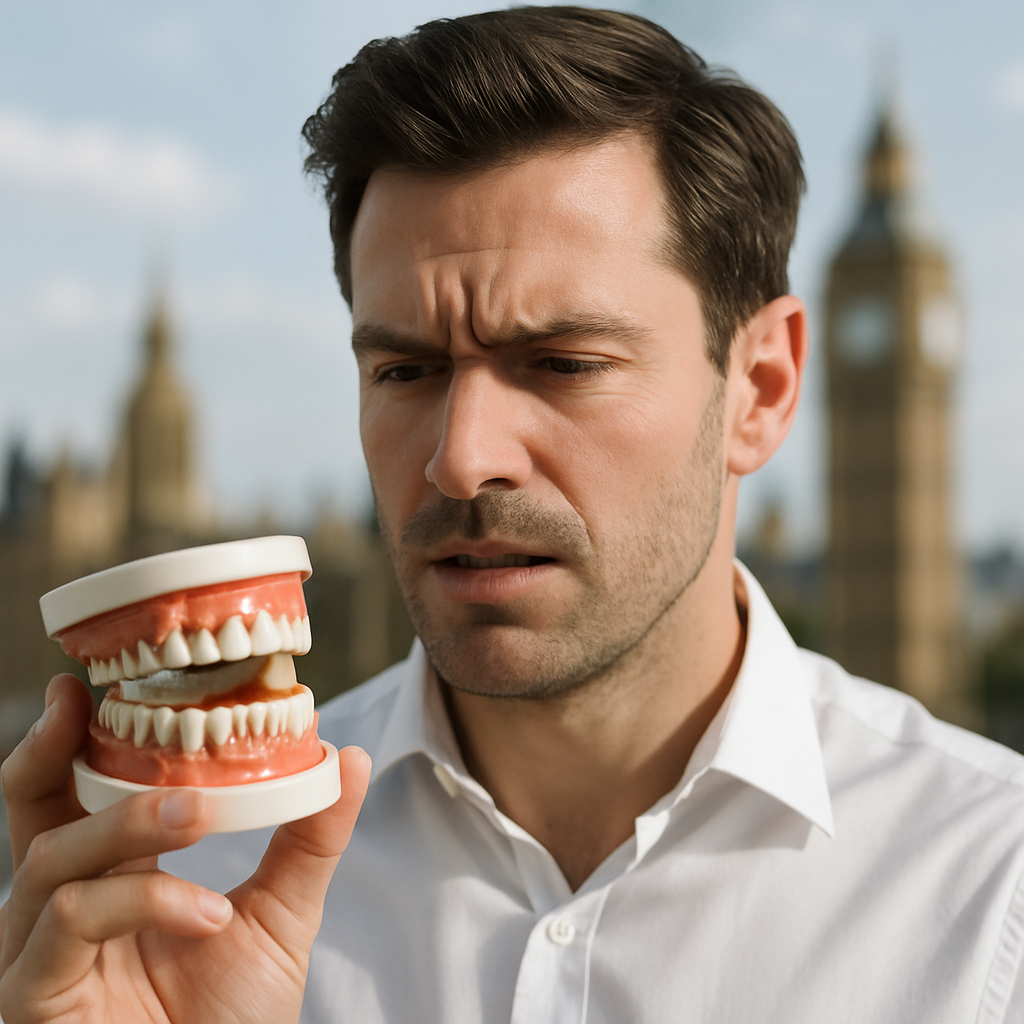
Bruxism, a condition characterised by the involuntary grinding or clenching of teeth, is a prevalent issue that many individuals in London may face, often without even realising it. This phenomenon, known as London Bruxism, has garnered attention not only for its discomfort but also for its potential long-term repercussions on dental health. Stress and anxiety, often exacerbated by the fast-paced lifestyle typical of urban living, are significant contributors to this condition.
Professionals in the dental field are increasingly recognising the impact of London Bruxism on their patients. Symptoms can range from tooth wear and fractures to more severe issues such as temporomandibular joint disorders. The rise in awareness has prompted many to advocate for preventive measures and treatment options that cater specifically to those living in London’s unique environment.
Moreover, understanding the root causes of London Bruxism is crucial for effective management. Urban professionals may find themselves under immense pressure, leading to both physical and psychological strains that manifest in this dental issue. It is essential for both patients and practitioners to engage in open discussions about stress management techniques, which can significantly alleviate the symptoms associated with this condition.
In summary, London Bruxism is not merely a dental concern but a reflection of the lifestyle challenges faced by many in the city. Collaborative efforts between dental professionals and individuals can pave the way for effective strategies to combat this growing issue, ultimately improving overall well-being.

What is Bruxism?
Bruxism is a condition that affects a significant portion of the population, characterised by the involuntary grinding or clenching of teeth, often during sleep. This phenomenon can lead to a range of dental and health issues if left untreated, including tooth wear, jaw pain, and headaches. In the bustling environment of a city like London, bruxism is becoming increasingly prevalent, likely linked to the stresses of urban life. London Bruxism is not merely a dental concern; it can also reflect broader mental health challenges, such as anxiety and stress disorders.
The symptoms of this condition can vary, but typically include noticeable wear on the teeth, increased sensitivity, and discomfort in the jaw muscles. Those suffering from London Bruxism may find themselves experiencing disrupted sleep patterns, which can further exacerbate their overall well-being. It is essential for individuals in high-pressure environments to be aware of the signs and to seek appropriate interventions.
Effective management strategies include stress reduction techniques, dental splints, and lifestyle changes tailored to the individual’s needs. Professionals in the field recommend regular dental check-ups to monitor any progress related to London Bruxism. For those seeking further information or assistance, dental clinics in London can provide comprehensive evaluations and tailored treatment plans. Understanding and addressing this condition is crucial for maintaining both oral and overall health in today’s fast-paced world.
Common Causes of Bruxism
Bruxism, a condition characterised by the involuntary grinding or clenching of teeth, often occurs unknowingly during sleep or while awake. Various factors contribute to this phenomenon, making it a complex issue for many. Stress and anxiety are commonly cited as significant triggers for London Bruxism, with individuals often resorting to teeth grinding as a coping mechanism in response to daily pressures. The modern urban lifestyle, particularly in bustling cities like London, can exacerbate these feelings, leading to increased incidences of this dental concern.
Additionally, an imbalance in dental alignment may play a pivotal role in the development of London Bruxism. Malocclusion, where the teeth do not fit together properly, can prompt an individual to grind their teeth in an unconscious effort to relieve discomfort. Furthermore, certain lifestyle factors, such as excessive caffeine or alcohol consumption, can heighten the risk of experiencing this condition. These substances may affect sleep quality and contribute to heightened anxiety levels, further intensifying the likelihood of London Bruxism.
Understanding the underlying causes of bruxism is crucial for effective management and treatment. Dental professionals in London are increasingly recognising the importance of addressing both psychological and physical factors when formulating a treatment plan. While night guards and other dental interventions are commonly recommended, exploring stress-reduction techniques and lifestyle modifications can also be beneficial. By taking a comprehensive approach, individuals can combat London Bruxism and improve their overall dental health.
Identifying Symptoms of Bruxism
Bruxism, commonly characterised by the involuntary grinding or clenching of teeth, often occurs during sleep or periods of high stress. Identifying the symptoms is paramount for timely intervention and management. Individuals suffering from this condition may experience various signs, including chronic jaw pain, frequent headaches, and noticeable wear on dental enamel. In many cases, those affected may not even be aware of their teeth grinding habits, making education and awareness crucial in addressing London Bruxism.
One of the most telling indicators is the presence of facial muscle fatigue or tightness, which can significantly impact daily life and overall wellbeing. Moreover, auditory signals, such as the grinding noise during sleep, may be reported by partners or family members. This aspect of London Bruxism highlights the importance of a collaborative approach in diagnosis, as those closest to the individual are often the first to notice the symptoms.
Dental professionals play a vital role in identifying London Bruxism through routine examinations. They may observe signs of wear on the occlusal surfaces of teeth or detect gum recession stemming from excessive grinding. Given the potential long-term consequences, including temporomandibular joint disorders, recognising these symptoms early is essential.
For further reading on dental implications, you can explore this relevant article. Understanding the intricacies of London Bruxism can empower both patients and practitioners to take proactive measures towards effective management and improved quality of life.
Signs You Might Be Grinding Your Teeth
Teeth grinding, or bruxism, is a common condition that can lead to various dental and health issues if left unaddressed. One of the primary indicators is the presence of unexplained tooth sensitivity or wear, as individuals often unknowingly grind their teeth during sleep. Additionally, you might experience persistent jaw pain or discomfort, particularly in the mornings. This is frequently associated with London Bruxism, where urban stressors exacerbate the condition.
Another sign to watch for is the sound of grinding, which may be noticeable to your partner or even yourself. Frequently, this symptom is accompanied by frequent headaches, particularly tension headaches, which can stem from the strain placed on facial muscles. If you notice that your teeth appear flatter or more worn down than usual, it is advisable to consider the possibility of London Bruxism.
Moreover, if you find yourself clenching your jaw during stressful moments, this behaviour could contribute significantly to the onset of teeth grinding. Stress management is crucial, especially for those living in bustling cities like London, where such conditions are prevalent. Lastly, earaches and facial muscle fatigue can also be associated symptoms, indicating that the problem may extend beyond mere dental concerns.
In conclusion, recognising these signs early can help mitigate the effects of London Bruxism and promote better oral health. If you suspect you might be grinding your teeth, consulting a dental professional is a prudent step towards addressing this condition effectively.
When to Seek Professional Help
Recognising when to seek professional assistance is a critical component in managing health concerns, particularly those related to dental issues. Many individuals experience symptoms such as jaw tension, headaches, or disturbed sleep, which can signify underlying conditions like London Bruxism. This condition, characterised by involuntary teeth grinding or jaw clenching, often goes unnoticed until significant damage has occurred.
Professionals recommend consulting a dentist if you notice frequent occurrences of discomfort in your jaw or frequent headaches. These signs may indicate that London Bruxism is at play, and early intervention is key to preventing further complications, such as tooth wear or temporomandibular joint disorders.
Additionally, if you’re experiencing noticeable changes in your oral health, such as chipped teeth or increased sensitivity, it’s prudent to seek advice from a specialist. They can provide tailored strategies to manage London Bruxism effectively, which may include custom mouthguards or stress-relief techniques.
In some cases, individuals may find that lifestyle adjustments, such as reducing caffeine or practising mindfulness, can alleviate symptoms. However, these measures should complement professional advice rather than replace it. Consulting a dentist familiar with London Bruxism is essential for a comprehensive approach to treatment, ensuring you receive the most effective care and guidance tailored to your specific needs. Remember, timely intervention can significantly improve your quality of life and overall dental health.
Safe Strategies for Managing London Bruxism
Managing the complexities of London Bruxism requires a multifaceted approach that tailors strategies to individual needs while considering the broader implications of this condition. Often manifesting as teeth grinding or jaw clenching, London Bruxism can result in significant dental wear and emotional distress if left unaddressed.
A key strategy involves identifying and mitigating stressors that contribute to this condition. Many individuals in London lead demanding lives, where workplace pressures and urban lifestyle contribute to heightened anxiety levels. Regular mindfulness practices, such as meditation or yoga, can help alleviate stress, ultimately reducing the frequency of London Bruxism episodes. Moreover, seeking professional support, whether through therapy or counselling, can provide individuals with coping mechanisms that address the root causes of their bruxism.
Furthermore, the incorporation of dental interventions is crucial. Custom night guards are an effective measure to protect teeth from damage caused by grinding during sleep. Dentists specialising in London Bruxism can offer tailored solutions that suit individual dental structures and specific grinding patterns, ensuring maximum comfort and efficacy.
Finally, public awareness campaigns within London can play a vital role in educating the public about the signs and symptoms of London Bruxism. By fostering a better understanding of this condition, individuals are more likely to seek timely intervention, leading to improved quality of life. In summary, effectively managing London Bruxism necessitates a combination of stress management, professional dental care, and community education, creating a comprehensive approach to a widespread yet often overlooked issue.
Lifestyle Changes to Reduce Bruxism
Bruxism, often exacerbated by stress and anxiety, manifests as involuntary teeth grinding or jaw clenching, particularly during sleep. For those in London grappling with this condition, adopting specific lifestyle changes can significantly mitigate its effects. First and foremost, it is essential to address stress management. Techniques such as mindfulness, meditation, or regular physical exercise can help reduce anxiety levels, subsequently decreasing the frequency of London Bruxism episodes.
Moreover, individuals should consider reviewing their diet. Reducing caffeine and alcohol intake, particularly in the evening, can lead to improved relaxation and a more restful sleep. Additionally, staying hydrated and maintaining a balanced diet rich in vitamins can positively influence muscle tension and overall health, thus helping to alleviate London Bruxism symptoms.
Establishing a calming bedtime routine is also beneficial. Engaging in relaxing activities such as reading or taking a warm bath can prepare the mind and body for sleep, reducing the likelihood of teeth grinding during the night. Furthermore, the use of a mouthguard can be an effective physical barrier against the damaging effects of London Bruxism, protecting teeth from wear and tear.
Finally, consulting with dental professionals or therapists specialising in sleep disorders can provide tailored strategies and support, ensuring that individuals can effectively manage their symptoms. By implementing these lifestyle changes, those affected by London Bruxism may find substantial improvement in both their oral health and overall well-being.
The Role of Mouth Guards in Treatment

In the realm of dental health, particularly concerning conditions such as bruxism, the utilisation of custom-fitted mouth guards has become increasingly significant. Individuals suffering from London Bruxism often experience involuntary teeth grinding, which can lead to a myriad of dental issues, including wear, sensitivity, and even temporomandibular joint disorders. Therefore, mouth guards serve as a protective barrier, effectively reducing the impact of teeth clenching while promoting relaxation of the jaw muscles.
Furthermore, the efficacy of these devices extends beyond mere protection. For those grappling with London Bruxism, a well-designed mouth guard can facilitate better sleep quality by minimising the disturbances caused by grinding. As the prevalence of bruxism continues to rise in urban environments, particularly in a bustling metropolis like London, dental professionals are increasingly recognising the necessity of mouth guards as a fundamental component of treatment plans.
The process of creating a mouth guard tailored to the individual’s dental structure not only enhances comfort but also optimises effectiveness. This bespoke approach is particularly critical for patients enduring the symptoms of London Bruxism, as a poorly fitted guard can exacerbate the condition rather than alleviate it.
In conclusion, the role of mouth guards in treating London Bruxism cannot be overstated. They are not merely protective devices but essential tools in managing a condition that affects many in our society, ensuring patients can maintain both their oral health and overall well-being. As awareness surrounding the implications of bruxism grows, so too does the need for informed dental care that incorporates these vital aids.

Stress Management Techniques
In today’s fast-paced environment, the importance of effective strategies to manage stress cannot be overstated. Many individuals are increasingly recognising the profound impact that stress has on both mental and physical health. One particularly concerning manifestation of stress is London Bruxism, a condition characterised by teeth grinding and jaw clenching, often exacerbated by anxiety and pressure. Addressing stress through tailored techniques can significantly alleviate symptoms associated with this and other stress-related issues.
Mindfulness practices, such as meditation and deep-breathing exercises, are invaluable for those facing daily stressors. These techniques foster a sense of calm, allowing individuals to regain control over their emotional responses. Moreover, physical activity is paramount; regular exercise not only enhances overall well-being but also serves as a potent antidote to the psychological toll of stress. In the case of London Bruxism, engaging in activities that promote relaxation, such as yoga or tai chi, can lead to a reduction in the frequency and severity of teeth grinding.
Additionally, adopting a balanced diet rich in essential nutrients may support mental resilience. Limiting caffeine and sugar can also play a crucial role, especially for those prone to London Bruxism, as these stimulants can heighten anxiety levels. Seeking professional assistance, such as therapy or counselling, often proves beneficial in developing coping strategies tailored to individual needs. Ultimately, embracing a holistic approach to stress management not only addresses immediate concerns like London Bruxism but fosters long-term health and resilience.
Professional Treatments Available for London Bruxism
Bruxism, a condition characterised by the involuntary grinding or clenching of teeth, often occurs during sleep and can lead to a range of dental and health issues. In London, where stress and lifestyle factors contribute significantly to this ailment, individuals are increasingly seeking professional treatments for London Bruxism. Effective management of this condition not only alleviates discomfort but also prevents long-term damage to dental structures.
One of the most common treatments involves the use of custom-made night guards. These devices are designed to fit comfortably over the teeth, providing a protective barrier that absorbs the pressure caused by grinding. In addition to night guards, dental professionals in London may recommend orthodontic interventions, particularly if misalignment is a contributing factor to London Bruxism. Correcting bite issues can significantly reduce the tendency to grind or clench teeth.
Cognitive behavioural therapy (CBT) is another effective approach, particularly for those whose bruxism is linked to stress and anxiety. By addressing the psychological triggers, patients can learn techniques to manage stress more effectively, thus reducing the likelihood of teeth grinding at night. Furthermore, some practitioners may suggest relaxation techniques, such as mindfulness or meditation, as a complementary approach to treating London Bruxism.
For those seeking comprehensive solutions, a combination of these treatments tailored to individual needs can be highly beneficial. Addressing London Bruxism with a multifaceted strategy ensures not only immediate relief but also long-term dental health, enabling residents to enjoy a better quality of life.
Dental Procedures and Interventions
In the ever-evolving landscape of dental care, a variety of procedures and interventions play a crucial role in enhancing oral health and patient comfort. Among these, the management of conditions such as London Bruxism has gained significant attention due to its widespread impact on individuals’ quality of life. Addressing the repercussions of teeth grinding, dental professionals are now adopting a multifaceted approach that includes both preventive measures and therapeutic solutions.
For instance, the use of custom-made occlusal splints is a common intervention aimed at alleviating the symptoms associated with London Bruxism. These devices not only protect the teeth from excessive wear but also help to relieve tension in the jaw muscles, thereby reducing discomfort. Furthermore, advancements in neuromuscular dentistry have provided practitioners with enhanced techniques to diagnose and treat this condition effectively.
Other interventions may include behavioural therapy and stress management strategies, recognising that London Bruxism often has psychological underpinnings. Dental practitioners are encouraged to adopt a holistic view, integrating lifestyle modifications alongside traditional dental treatments to ensure comprehensive care.
As research continues to unfold, the importance of ongoing education in recognising the signs of London Bruxism cannot be overstated. Dental professionals must remain vigilant, as early intervention often leads to more favourable outcomes. Ultimately, the commitment to improving patient care through innovative procedures and a deeper understanding of conditions like London Bruxism will continue to shape the future of dentistry.
Exploring Alternative Therapies
As the quest for holistic health solutions continues to gain momentum, many individuals are turning to alternative therapies to complement conventional medical practices. Among these, the exploration of techniques such as acupuncture, aromatherapy, and herbal remedies has become increasingly popular. For those suffering from conditions like London Bruxism, these therapies could provide a pathway to alleviation.
London Bruxism often manifests in stress and anxiety, making it essential to address not only the physical symptoms but also the underlying emotional factors. Practices such as mindfulness meditation and yoga have shown promise in reducing stress levels, thereby potentially mitigating the effects of London Bruxism. Additionally, certain herbal remedies, known for their calming properties, can play a supportive role in this context.
Acupuncture, a cornerstone of traditional Chinese medicine, is gaining recognition in the UK for its efficacy in treating various ailments. Research indicates that it may also help those experiencing London Bruxism by targeting specific points associated with tension relief. Moreover, integrating aromatherapy into daily routines could enhance emotional well-being, potentially reducing clenching and grinding behaviours linked to London Bruxism.
Incorporating these alternative therapies requires a personalised approach, taking into account individual circumstances and preferences. Collaborating with healthcare professionals experienced in both conventional and alternative methods can lead to a more integrated treatment plan. Ultimately, exploring these options may not only assist in alleviating the discomfort associated with London Bruxism but also foster a greater sense of overall health and well-being.
FAQs About London Bruxism
Bruxism, a common but often overlooked condition, affects many individuals in London. Characterised by teeth grinding or jaw clenching, this phenomenon can lead to various dental and health issues if not addressed properly. Understanding the implications of London Bruxism is essential for both patients and healthcare professionals.
Many people experiencing London Bruxism may not even be aware that they have the condition, as it often occurs during sleep. Symptoms can include jaw pain, headaches, and even damage to the teeth. It is crucial for individuals to seek professional advice if they suspect they might be grinding their teeth. Dentists in London are increasingly aware of this issue and can provide tailored solutions, such as custom mouthguards, to protect against the detrimental effects of London Bruxism.
For those living in a fast-paced environment like London, stress is a significant contributor to bruxism. Managing stress through relaxation techniques, mindfulness, or therapy can be beneficial alongside professional dental interventions. Furthermore, educating oneself about the causes and preventive measures associated with London Bruxism can empower individuals to take control of their oral health.
In summary, addressing London Bruxism is critical for maintaining dental well-being and overall health. By recognising the symptoms and seeking appropriate treatment options, individuals can mitigate the long-term effects of this condition. Engaging with dental professionals who specialise in bruxism will ensure that London residents receive the best care and advice possible.
How Does Bruxism Affect Overall Health?
Bruxism is a condition characterised by the involuntary grinding or clenching of teeth, often occurring during sleep but can also manifest during waking hours. While many regard it as a mere dental issue, the implications of London Bruxism extend far beyond oral health. This condition can significantly impact overall well-being, leading to a cascade of physical and psychological complications.
Chronic teeth grinding often results in dental problems such as worn enamel, increased sensitivity, and even tooth fractures. However, the ramifications can be more profound. Individuals suffering from London Bruxism frequently experience heightened levels of stress and anxiety. The physical act of grinding can contribute to muscular tension in the jaw, neck, and shoulders, leading to discomfort and chronic pain. This muscular tension can create a feedback loop, where pain exacerbates anxiety, further intensifying the bruxism cycle.
Moreover, sleep disturbances are a common consequence of London Bruxism. The grinding can disrupt the sleep cycle, leading to insomnia and fragmented rest. This, in turn, affects cognitive functions and emotional health, resulting in fatigue and irritability throughout the day. Recognising the multifaceted impact of bruxism is crucial for healthcare professionals, as addressing this condition can significantly improve a patient’s quality of life. Thus, effective management strategies are essential to mitigate the broader health implications associated with London Bruxism, underscoring the need for comprehensive assessments and tailored treatment plans.
Can Children Experience Bruxism?
Bruxism, commonly characterised by the involuntary grinding or clenching of teeth, is not exclusively an adult affliction. In recent studies, the prevalence of this condition among children has garnered increased attention, particularly within the context of London Bruxism. Various factors contribute to this phenomenon, including stress, anxiety, and even the presence of dental misalignments.
Paediatric dentists in London report that many young patients exhibit signs of teeth grinding, often without parents being aware of the problem. Symptoms can range from facial pain and headaches to more severe dental issues if left unaddressed. The ramifications of London Bruxism can extend beyond the immediate discomfort, potentially leading to orthodontic complications as children grow.
It is crucial for parents and guardians to remain vigilant for signs of bruxism, which can manifest during sleep or in stressful situations during the day. Regular dental check-ups are essential for early detection. Dentists specialising in London Bruxism can recommend various interventions, including the use of mouthguards or relaxation techniques to alleviate stress.
As awareness of this condition grows, the need for education on its impact is paramount. Professionals in the field must work collaboratively to provide comprehensive care and support for children affected by bruxism. By addressing this condition early, we can mitigate its effects and promote a healthier future for our children, ensuring that London Bruxism does not hinder their development.
Conclusion: Taking Control of Your Bruxism

Managing bruxism is not merely about alleviating discomfort; it is about regaining control over a condition that can significantly impact your quality of life. Individuals suffering from London Bruxism often find themselves grappling with various physical and emotional challenges. Recognising the signs early on is crucial, as it allows for timely intervention and appropriate management strategies.
Lifestyle modifications play a vital role in addressing London Bruxism. Simple changes such as reducing caffeine and alcohol intake, engaging in relaxation techniques, and maintaining a consistent sleep schedule can yield substantial benefits. Additionally, the incorporation of stress management practices like yoga or meditation may significantly reduce the frequency and intensity of grinding episodes.
Professional guidance is equally important in the journey towards managing London Bruxism effectively. Dental professionals can offer tailored solutions, including the provision of custom-made mouthguards that protect teeth during sleep and mitigate the effects of grinding. Furthermore, cognitive behavioural therapy has proven effective for some, helping to identify underlying triggers and develop healthier coping mechanisms.
Ultimately, taking control of your bruxism involves a multi-faceted approach that combines self-awareness, lifestyle adjustments, and professional support. By acknowledging the impact of London Bruxism and seeking proactive solutions, you can significantly improve your overall well-being and enjoy a pain-free life. Remember, the journey to manage this condition begins with a single step towards awareness and action.