Introduction to London Dental Bridges When considering restorative dental procedures, many individuals turn to London Dental Bridges as an effective solution for replacing missing teeth. These prosthetic devices are designed to bridge the gap created by one or more missing teeth, restoring both functionality and aesthetics to a patient’s smile. The importance of addressing tooth …

Introduction to London Dental Bridges
When considering restorative dental procedures, many individuals turn to London Dental Bridges as an effective solution for replacing missing teeth. These prosthetic devices are designed to bridge the gap created by one or more missing teeth, restoring both functionality and aesthetics to a patient’s smile. The importance of addressing tooth loss cannot be overstated, as it can lead to a host of oral health issues, including misalignment and jawbone deterioration.
The process of obtaining London Dental Bridges typically begins with a thorough consultation, where dental professionals assess the patient’s oral health and discuss suitable options tailored to individual needs. The customisable nature of these bridges allows for a seamless integration with the natural dentition, ensuring that both appearance and bite are optimally restored.
Moreover, advancements in dental technology have considerably enhanced the durability and comfort of London Dental Bridges. Modern materials, such as porcelain fused to metal, can closely mimic the look and feel of natural teeth, while also providing strength and resilience. Patients can expect a significantly improved quality of life post-procedure, including the ability to eat comfortably and speak clearly.
Ultimately, for those in London who find themselves facing the challenges of tooth loss, London Dental Bridges present a reliable and aesthetically pleasing option. By working closely with skilled dental practitioners, patients can regain both confidence in their smile and assurance in their dental health.

What Are Dental Bridges?
Dental prosthetics play a crucial role in restoring oral functionality and aesthetics, particularly when it comes to filling gaps left by missing teeth. A dental bridge serves as a pivotal solution in such scenarios, effectively linking adjacent teeth to replace one or more missing teeth. This form of restorative dentistry not only enhances the smile but also contributes to overall oral health by preventing the surrounding teeth from shifting out of alignment.
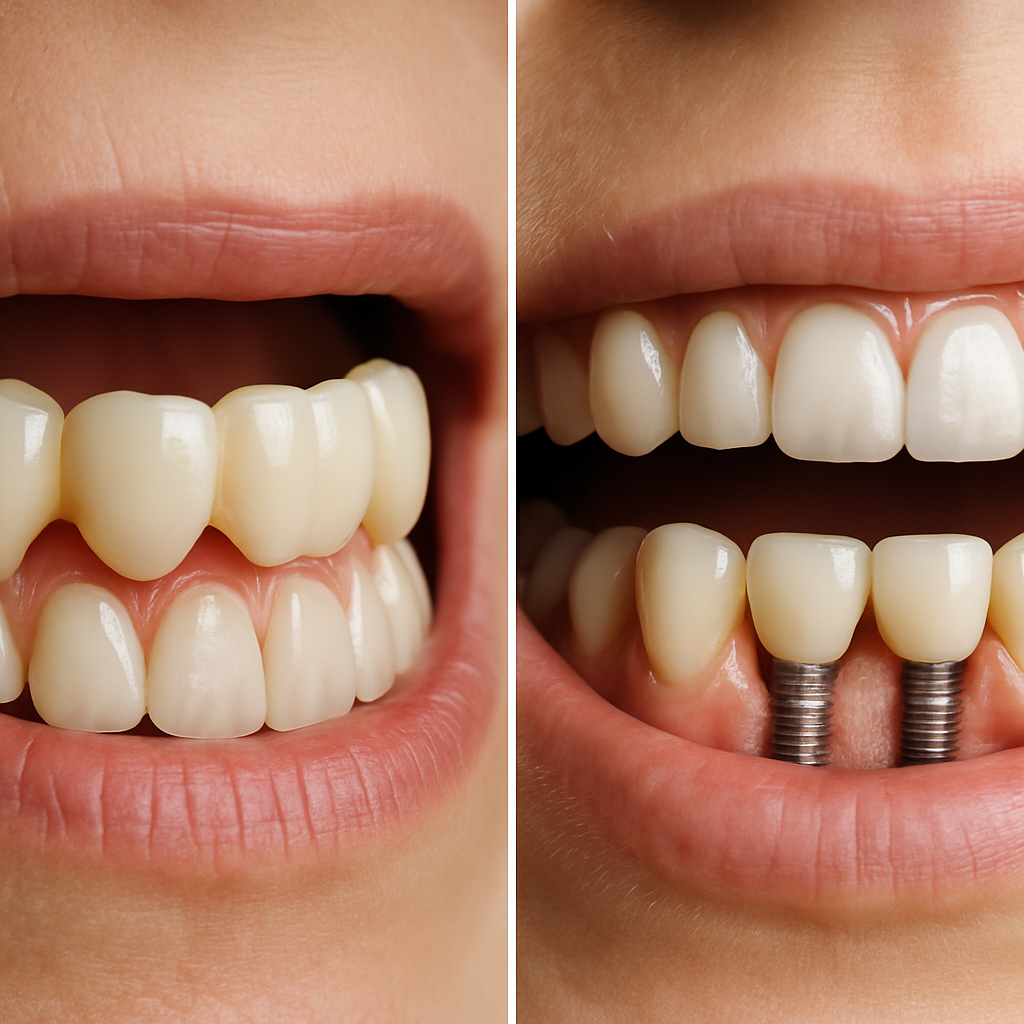
In the realm of London Dental Bridges, various options are available, including traditional bridges, cantilever bridges, and those supported by implants. The choice often depends on the specific needs of the patient, including the number of teeth missing and the health of the surrounding teeth. A traditional bridge, for instance, involves the use of crowns on the adjacent teeth, whereas an implant-supported bridge offers a more permanent solution by anchoring the prosthetic to dental implants.
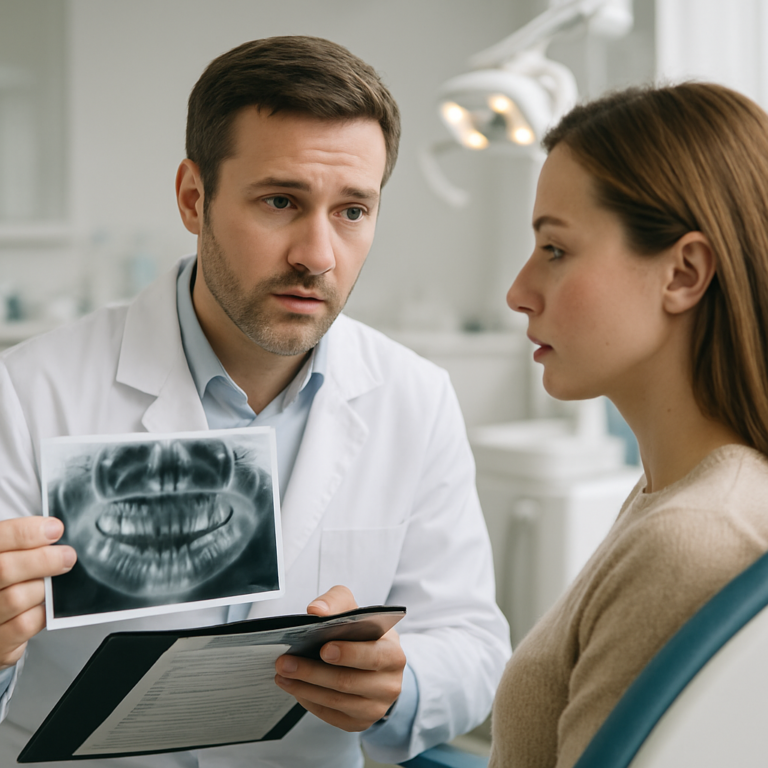
Patients seeking London Dental Bridges should consult with a qualified dental professional to evaluate their options. Assessments typically include x-rays and a thorough examination of oral health to ensure the best possible outcome. Moreover, a well-fitted bridge not only restores functionality but can significantly improve one’s confidence and quality of life.
For those considering their options in restoring their smiles, learning about the available treatments—and understanding the benefits of London Dental Bridges—is essential. For more information on bridging solutions, visit this informative site to see how you can achieve the smile you desire.
Definition and Purpose
In the realm of dentistry, understanding the nuances of various treatments is essential for both practitioners and patients alike. One such treatment, London Dental Bridges, plays a pivotal role in restorative dentistry. These devices are instrumental in bridging the gaps created by missing teeth, thereby enhancing both functionality and aesthetics. The primary purpose of London Dental Bridges is to restore a patient’s ability to chew effectively, while simultaneously improving their smile.
By anchoring on adjacent teeth, London Dental Bridges provide a stable solution, ensuring that the dental arch is restored to its natural form. This restoration not only allows for improved oral function but also aids in maintaining the structural integrity of the jaw. When teeth are missing, the neighbouring teeth can shift, leading to further complications such as bite misalignment. Therefore, the timely application of London Dental Bridges can prevent such issues, reinforcing the importance of proactive dental care.
Moreover, the aesthetic benefits of London Dental Bridges cannot be overlooked. A complete smile contributes significantly to an individual’s self-esteem and overall confidence. Patients often report a remarkable improvement in their quality of life following the placement of these bridges. Thus, in both functional and cosmetic terms, London Dental Bridges serve a dual purpose that is invaluable in contemporary dentistry. Understanding their definition and purpose is fundamental for those seeking to enhance their dental health or those professionals committed to providing the highest standard of care.
Types of Dental Bridges
Dental bridges serve as an effective solution for patients experiencing tooth loss, providing both functional and aesthetic benefits. Among the various types, traditional bridges, cantilever bridges, Maryland bridges, and implant-supported bridges stand out. Traditional bridges comprise one or more artificial teeth anchored by crowns on either side, offering robust support. In contrast, cantilever bridges are ideal for scenarios where adjacent teeth are present only on one side, making them suitable for specific cases.
Maryland bridges, known for their conservative approach, utilize a metal or porcelain framework that is bonded to existing teeth, eliminating the need for extensive alteration. This type is particularly favoured for replacing anterior teeth due to its minimal invasiveness. Lastly, implant-supported bridges have gained popularity in recent years, involving dental implants that provide a permanent and stable foundation for multiple artificial teeth. This method not only enhances durability but also supports bone health, making it a preferred choice among those seeking long-term solutions.
In London, dental procedures have evolved significantly, with clinics offering a variety of advanced options for dental bridges tailored to individual needs. The selection of the appropriate type often depends on factors such as the number of teeth missing, patient preference, and the condition of surrounding teeth. For those interested in understanding dental practices better, a comprehensive resource can be found at this link. As such, consulting with experienced practitioners in London Dental Bridges can ensure that patients receive the most suitable and effective treatment for their oral health. The advancements in London Dental Bridges reflect a commitment to patient care and innovative dental practices.
Traditional Dentistry: The Conventional Approach
In the realm of oral health, traditional methods have long been the backbone of dental practice. Dentists employing conventional techniques offer a range of services designed to maintain and restore dental functionality and aesthetics. Among these, London Dental Bridges stand out as an exemplary solution for patients confronted with the challenge of tooth loss. This method not only provides a practical solution for missing teeth, but also serves to maintain the structural integrity of the surrounding teeth, thereby preventing further dental complications.
Patients in London are increasingly turning to London Dental Bridges as a reliable option due to their durability and natural appearance. The process involves the meticulous crafting of a bridge that securely fits into the gap left by missing teeth, supported by adjacent teeth or dental implants. This ensures a seamless integration into the patient’s oral landscape, enhancing both function and appearance.
Moreover, the advantages of London Dental Bridges extend beyond mere aesthetics. They are instrumental in restoring proper bite, enabling effective chewing, and improving speech. The conventional approach also emphasises the importance of regular dental check-ups, allowing for timely interventions should complications arise.
While advancements in dental technology continue to evolve, the tried-and-true practices of traditional dentistry, such as the implementation of London Dental Bridges, remain invaluable. They not only exemplify the art and science of dentistry but also highlight the ongoing commitment to patient care and satisfaction in the ever-changing landscape of oral health.
Materials Used in Traditional Bridges
Traditional bridge construction has long relied on a variety of materials, each chosen for their unique properties and suitability for specific engineering challenges. Commonly, timber, stone, and metal have formed the backbone of such structures. Timber, cherished for its natural aesthetic and availability, has been used in many historic bridges, particularly in rural settings where creativity in design meets practicality. However, the longevity and strength of stone make it a favourite for more substantial constructions, particularly in areas rich in local quarried material.
In modern applications, metal has gained prominence, particularly steel, due to its impressive tensile strength and versatility. This shift not only demonstrates advancements in engineering but also reflects changing aesthetic preferences in bridge design. For instance, London Dental Bridges are often an analogy used to illustrate the precision and intricacy involved in both dental and structural engineering, highlighting the importance of achieving a flawless fit in both disciplines.
Another consideration is the environmental impact and sustainability of materials used in bridge construction. Recent trends have seen a resurgence in the use of composite materials, which offer the advantages of traditional substances while minimising ecological footprints. As the industry moves forward, the legacy of traditional materials remains significant, influencing the design and construction of contemporary bridges.
In conclusion, the choice of material in traditional bridges is not merely a technical decision but also an artistic one, reflecting cultural values and engineering capabilities through the ages. The comparison with London Dental Bridges serves to emphasise the attention to detail and the importance of foundational strength in both fields.
The Procedure and Timeline
When considering restorative dental solutions, the procedure and timeline associated with London Dental Bridges are crucial aspects for patients to understand. The journey typically begins with an initial consultation, where a thorough examination of oral health is conducted, and the necessity for a bridge is assessed. During this phase, dental professionals evaluate existing teeth and take necessary imaging to develop a comprehensive treatment plan tailored to the individual’s needs.
Following the consultation, the next step involves the preparation of the adjacent teeth, which will support the bridge. This often requires the removal of a small amount of enamel to make room for the bridge’s crowns. Once the teeth have been prepared, impressions are taken to create a custom-fitted bridge. Patients will then receive a temporary bridge while the permanent one is being crafted, a phase that usually takes approximately two weeks.
The placement of the permanent London Dental Bridges marks the final step in this transformative process. During this appointment, the dentist ensures a precise fit and aesthetic alignment before securing the bridge in place. This final phase may take a single visit, although multiple adjustments can be necessary to achieve optimal comfort and function.
Overall, patients can expect the complete procedure for London Dental Bridges to span several weeks, incorporating careful planning and execution to ensure lasting results. Understanding this timeline allows patients to approach their restorative dental journey with clarity and confidence, ultimately leading to enhanced oral health and quality of life.
Modern London Dental Bridges: An Overview
In the realm of modern dentistry, the advancement in restorative techniques has significantly enhanced the functionality and aesthetics of dental reconstructions. Among these innovations, London Dental Bridges have emerged as a popular solution for individuals seeking to replace missing teeth. These bridges not only restore the smile’s appearance but also play a crucial role in maintaining oral health by preventing adjacent teeth from shifting.
The design of London Dental Bridges has evolved with the use of cutting-edge materials such as porcelain fused to metal or all-ceramic options. These materials mimic the natural translucency and colour of teeth, offering a seamless integration into the patient’s existing dentition. Moreover, modern techniques allow for customisation to meet individual anatomical requirements, ensuring that each installation is uniquely tailored to the patient’s needs.
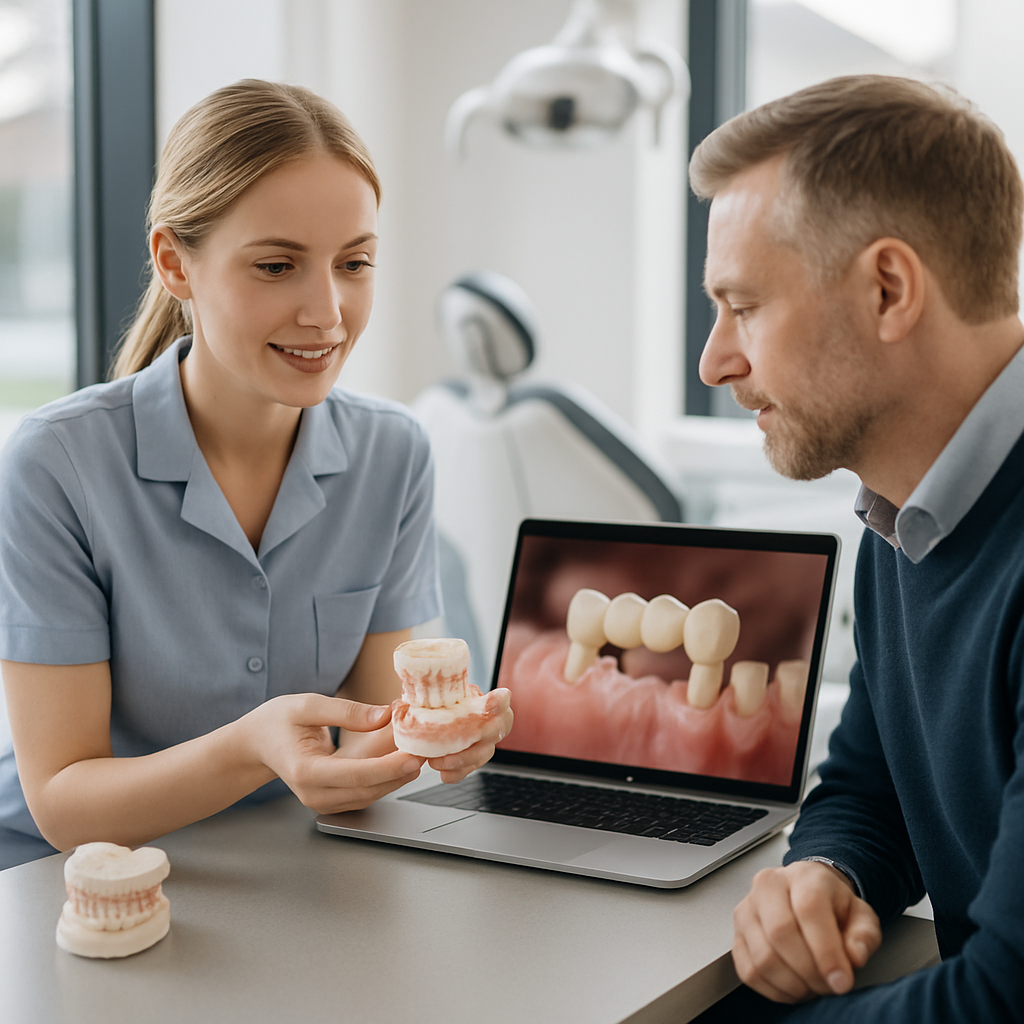
Dentists in London are increasingly adopting digital technology for the planning and fabrication of London Dental Bridges. This method enhances precision, reduces chair time, and improves overall patient experience. By utilising advanced imaging methods, practitioners can assess the oral landscape in detail, facilitating a more accurate and efficient bridge construction.
Furthermore, the role of London Dental Bridges extends beyond cosmetic appeal; they contribute to the overall integrity of the dental arch, supporting proper bite and chewing function. As awareness grows regarding the importance of dental aesthetics and oral health, the demand for high-quality restorative solutions like London Dental Bridges continues to rise, underscoring their significance in contemporary dental practice.
Innovative Materials and Techniques
The dental industry is witnessing a remarkable evolution, driven by the advent of innovative materials and techniques that enhance both functionality and aesthetics. Among these advancements, London Dental Bridges have emerged as a cornerstone in restorative dentistry, offering patients effective solutions for tooth loss. The integration of high-strength ceramics and modern bonding agents has transformed traditional bridgework. These materials not only provide exceptional durability but also mimic the natural appearance of teeth, thus ensuring that patients can enjoy both confidence and comfort.
The craftsmanship behind London Dental Bridges is further elevated by the adoption of digital technology, enabling precise imaging and personalised fittings. This paradigm shift allows dental professionals to create tailored solutions that cater to the unique anatomical requirements of each patient. As a result, the fit and finish of bridges have improved significantly, reducing the need for adjustments and enhancing patient satisfaction.
Moreover, the use of biocompatible materials in London Dental Bridges is a testament to the industry’s commitment to patient health and safety. These materials not only minimise the risk of allergic reactions but also promote better integration with existing tooth structures, leading to long-lasting results. The continual research and development in this realm promise even more exciting innovations on the horizon, allowing dental professionals to deliver restorative solutions that are both cutting-edge and compassionate.
In conclusion, the blend of innovative materials and techniques is redefining the landscape of restorative dentistry, with London Dental Bridges at the forefront of this transformation. The future looks promising, as ongoing advancements are poised to further enhance the quality of care for patients in need of dental rehabilitation.
Customisation and Aesthetics

In today’s competitive landscape, the significance of personalisation in the dental sector cannot be overstated. Patients are increasingly seeking treatments that not only address their functional needs but also align with their aesthetic desires. This is particularly evident in the domain of London Dental Bridges, where the ability to customise solutions plays a pivotal role in patient satisfaction.
Modern dentistry allows for a myriad of options when it comes to the creation of dental bridges. Each patient presents unique needs based on their dental history, facial structure, and personal preferences. By offering tailored solutions, practitioners can enhance the aesthetic appeal of London Dental Bridges, ensuring they blend seamlessly with the patient’s existing teeth. Materials such as porcelain or zirconia allow for a degree of customisation that can replicate the natural look of teeth, making it crucial for practitioners to stay updated on the latest advancements.
Furthermore, the aesthetic outcome of London Dental Bridges can significantly impact a patient’s confidence and overall quality of life. When patients feel that their dental work reflects their individuality, they are more likely to engage positively with their treatment journey. This connection between customisation and aesthetics underscores the importance of effective communication between dental professionals and their clients. As the industry continues to evolve, those who prioritise bespoke solutions will undoubtedly thrive, ensuring that every patient walks away with a smile that is uniquely theirs.
Key Differences: Traditional vs. Modern
The evolution of dental practices has led to significant distinctions between traditional and modern approaches, particularly in the realm of restorative techniques. In the past, treatments often relied on basic materials and techniques that, while effective to an extent, frequently fell short of meeting patients’ aesthetic and functional expectations. Traditional methods for bridges predominantly utilised metal frameworks, which could sometimes result in a less natural appearance.
In contrast, contemporary practices have ushered in an era of advanced materials and techniques that enhance both the functionality and aesthetics of dental restorations. For instance, London Dental Bridges now often incorporate innovative materials such as ceramic and composite resins that not only mimic the natural appearance of teeth but also provide superior durability. The integration of technology, such as 3D printing and digital impressions, further sets modern approaches apart. These advancements allow for a more precise fit and reduced treatment times, leading to a more comfortable patient experience.
Furthermore, modern practices emphasise a patient-centric approach, focusing on individual needs and preferences. This shift has transformed London Dental Bridges into a bespoke solution tailored to each patient’s unique dental anatomy and cosmetic desires. As a result, individuals seeking restorative dentistry in London can anticipate outcomes that closely resemble their natural dentition, both in appearance and function. This evolution not only reflects changes in materials and techniques but also highlights a broader commitment to improving patient satisfaction and overall dental health.
Durability and Longevity
In the realm of dental aesthetics and functionality, the emphasis on durability and longevity cannot be overstated. Patients seeking robust solutions for tooth replacement should consider London Dental Bridges as an ideal option. These bridge systems not only restore the aesthetic integrity of one’s smile but also offer remarkable resilience against the rigours of everyday use. Quality materials are essential in the construction of London Dental Bridges, ensuring they withstand significant wear while providing a natural feel.
Moreover, the expertise of dental professionals in London plays a pivotal role in the longevity of these bridges. When meticulously crafted and fitted, London Dental Bridges can last for many years, significantly enhancing a patient’s quality of life. Regular dental check-ups and proper oral hygiene are crucial in maintaining the health of both the bridge and surrounding teeth, thus prolonging their lifespan.
Patients often express concerns regarding the need for replacements; however, with proper care, London Dental Bridges can serve as a long-term solution, reducing the frequency of dental interventions. It is essential for individuals to have open discussions with their dentists about the best materials and techniques available, tailored to their specific needs. Ultimately, investing in London Dental Bridges not only promises immediate aesthetic benefits but also secures a lasting solution that stands the test of time, combining functionality with beauty. This dual focus on durability and longevity is what makes them a preferred choice among discerning patients in London.
Comfort and Fit
In the realm of dental aesthetics, the significance of comfort and fit cannot be overstated, particularly when considering options like London Dental Bridges. Patients increasingly seek solutions that not only enhance their smiles but also provide a natural feel and seamless integration with their oral anatomy. The design of these bridges must cater to individual needs, ensuring that they align perfectly with the existing dental structure while offering optimal comfort.
When a patient chooses London Dental Bridges, the focus is often on the functional aspects, such as durability and longevity. However, the subjective experience of comfort plays a critical role in the acceptance of any dental restoration. It is essential for dentists to engage with patients about their preferences, lifestyle, and any previous experiences they may have had. This dialogue fosters a partnership where the clinician can customise the bridge to ensure that it fits snugly, thereby minimising any potential discomfort.
Moreover, advancements in materials and technology have significantly enhanced the fit and comfort of London Dental Bridges. Modern dental teams often employ precision imaging and computer-aided design to tailor each bridge to the unique contours of the patient’s mouth. This meticulous attention to detail not only enhances the aesthetic appeal but also ensures that the bridge remains stable and comfortable during daily activities.
Ultimately, the success of London Dental Bridges hinges on achieving a balance between aesthetics, comfort, and functionality, which is paramount in fostering patient satisfaction and promoting long-term oral health. As dental professionals, it is our duty to prioritise these elements to deliver exceptional care.
Aesthetic Outcomes
In today’s competitive landscape, aesthetic outcomes are paramount for dental professionals aiming to enhance their practice’s reputation and client satisfaction. The rise of cosmetic dentistry has transformed the approach to dental care, where procedures such as London Dental Bridges play a crucial role. These bridges not only restore functionality but also significantly improve the visual appeal of a patient’s smile.
A meticulous focus on aesthetics can dramatically influence a patient’s self-esteem and overall quality of life. When utilising London Dental Bridges, practitioners must consider various factors including materials, colour matching, and the natural contours of the teeth and gums. Advanced techniques and technologies ensure that these bridges not only blend seamlessly with existing natural teeth but also withstand the test of time, enhancing both appearance and durability.
Moreover, the integration of digital dentistry has revolutionised the fabrication of London Dental Bridges. By employing 3D imaging and CAD/CAM technology, dentists can achieve precise measurements and custom designs catering to each individual’s anatomical nuances. This level of customization has set a new standard in the pursuit of aesthetic excellence.
Ultimately, achieving superior aesthetic outcomes through procedures like London Dental Bridges requires a holistic understanding of dental artistry and patient psychology. By prioritising these elements, dental professionals can elevate their practice, ensuring clients leave not only with restored function but also with a confident, radiant smile that reflects their enhanced self-image. Such outcomes are essential for fostering long-term patient loyalty and satisfaction.
Choosing the Right Option for You
Selecting the appropriate dental solution is pivotal to achieving a confident smile and ensuring long-term oral health. This decision becomes particularly significant when considering restorative options such as London Dental Bridges. These structures not only fill gaps caused by missing teeth but also restore functionality and improve aesthetic appeal. Understanding your unique dental requirements is essential in making an informed choice.
When contemplating London Dental Bridges, various factors come into play. Firstly, consider the condition of your remaining teeth; they serve as the foundation for the bridge. Consulting a qualified dental professional in London is crucial, as they will evaluate your oral health and discuss the suitability of bridges versus other restorative options, such as implants or dentures.
Additionally, think about the longevity and maintenance of London Dental Bridges. These typically require regular dental visits and good oral hygiene practices to ensure their durability. While they offer an excellent solution for many, the specific materials and techniques used can vary, potentially influencing both cost and comfort.
Ultimately, the choice of London Dental Bridges should align with your lifestyle and dental needs, ensuring that it complements your overall oral health strategy. Engaging with a knowledgeable dentist will empower you to weigh the advantages and disadvantages effectively, guiding you toward a decision that enhances both your smile and your confidence.
Factors to Consider
When contemplating dental solutions, several essential factors emerge that significantly impact the decision-making process. In the realm of restorative dentistry, London Dental Bridges represent a vital option for individuals seeking to enhance both functionality and aesthetics. It is imperative to evaluate the specific needs of the patient, as well as the intricacies of their dental history before proceeding with treatment.
Firstly, the condition of the surrounding teeth plays a critical role. London Dental Bridges require anchorage on adjacent teeth, making their health and stability paramount. A thorough examination will help determine if additional procedures, such as root canal treatment or crowns, are necessary prior to installation. Furthermore, the choice of materials is crucial; options range from traditional porcelain to advanced ceramic or even metal frameworks, each with distinct benefits and drawbacks.
Moreover, the expertise of the dental professional cannot be overstated. Selecting a practitioner experienced in London Dental Bridges ensures a high standard of care, minimising the risk of complications and enhancing the longevity of the bridge. Patient comfort and aesthetic preferences should also be considered, ensuring that the final result not only restores function but also blends seamlessly with existing dentition.
Lastly, financial aspects are unavoidable; understanding the costs associated with London Dental Bridges, including potential insurance coverage, is essential for informed decision-making. By weighing these factors judiciously, patients can embark on their journey towards a healthier, more confident smile.
Consultation with Professionals
Engaging with experts in the dental field is paramount for those seeking effective solutions for oral health challenges. When it comes to restorative dentistry, London Dental Bridges serve as a viable option for individuals requiring assistance in bridging gaps caused by missing teeth. Consulting with professionals allows potential patients to explore the latest advancements in dental technology and materials, ensuring the best possible outcomes.
Patients interested in London Dental Bridges benefit immensely from tailored consultations that address their specific needs. During these meetings, dental practitioners assess individual conditions, discuss aesthetic preferences, and outline the procedure’s intricacies. The expertise of professionals ensures that patients receive comprehensive information about the benefits and potential risks associated with the treatment, fostering informed decision-making.
Moreover, professional consultations provide an opportunity for patients to inquire about the longevity and maintenance of London Dental Bridges. Understanding the care required post-procedure is crucial for sustaining the aesthetics and functionality of the dental work. Well-informed patients are more likely to have realistic expectations and better oral health practices moving forward.
Ultimately, the relationship between patients and dental professionals in London is fundamental to the successful implementation of solutions like London Dental Bridges. Leveraging expert insights not only enhances the quality of care but also builds confidence and trust, ensuring that individuals are well-equipped to make decisions regarding their dental health. In a city renowned for its dental excellence, a thorough consultation is the first step towards achieving a radiant smile.
Conclusion: The Future of Dental Bridges in London

As the landscape of dentistry evolves, the future of restorative solutions such as London Dental Bridges appears promising. Recent technological advancements and innovative materials are set to transform how dental professionals approach bridgework. In London, practitioners are increasingly adopting state-of-the-art techniques, enhancing both the functionality and aesthetic appeal of dental bridges. This shift is largely driven by patient demands for more natural-looking results and the long-term durability of their dental restorations.
Moreover, the integration of digital dentistry plays a vital role in improving the precision of London Dental Bridges. With the advent of CAD/CAM technology, dentists can create highly customised solutions that cater to the unique anatomical needs of each patient. This not only expedites the treatment process but also significantly elevates patient satisfaction. Furthermore, the emphasis on preventative care alongside restorative procedures suggests that patients will seek out practices that offer comprehensive solutions, solidifying the role of London Dental Bridges in modern dental care.
Looking ahead, sustainability within the dental industry will likely influence the materials used in creating London Dental Bridges. Biocompatible and eco-friendly options are increasingly favoured, aligning with the growing consumer awareness of environmental impact. This shift will not only enhance patient safety but also contribute to the overall sustainability of dental practices.
In conclusion, as we observe advancements in technology, materials, and patient expectations, the future of London Dental Bridges stands at the cusp of an exciting transformation, promising enhanced care and outcomes for patients across the city.