Introduction to London Bruxism Bruxism, an often overlooked yet prevalent condition, has garnered increased attention in urban settings like London. Specifically, London Bruxism refers to the involuntary grinding or clenching of teeth, typically occurring during sleep or times of heightened stress. This phenomenon is particularly concerning in a bustling metropolis where the fast-paced lifestyle can …

Introduction to London Bruxism
Bruxism, an often overlooked yet prevalent condition, has garnered increased attention in urban settings like London. Specifically, London Bruxism refers to the involuntary grinding or clenching of teeth, typically occurring during sleep or times of heightened stress. This phenomenon is particularly concerning in a bustling metropolis where the fast-paced lifestyle can exacerbate stress-related symptoms.
The impact of London Bruxism extends beyond mere discomfort; it can lead to significant dental issues, including enamel erosion, tooth sensitivity, and temporomandibular joint (TMJ) disorders. As healthcare professionals in London become more attuned to this condition, the importance of early diagnosis and appropriate intervention cannot be overstated. Furthermore, the rising awareness among the public about dental health has placed London Bruxism at the forefront of discussions regarding overall well-being.
Recognising the signs of London Bruxism is crucial for effective management. Individuals may experience morning headaches, facial pain, or visible wear on their teeth, prompting them to seek professional advice. Dentists are increasingly employing custom mouthguards as a preventive measure, while also advocating for lifestyle changes that can alleviate symptoms.
In conclusion, London Bruxism is not merely a dental concern but a reflection of the challenges faced by many in a metropolitan environment. By fostering greater awareness and understanding, both practitioners and patients can work towards mitigating its effects and promoting better oral health outcomes in the vibrant city of London.

What is Bruxism?
Bruxism is a condition characterised by the involuntary grinding or clenching of teeth, often occurring during sleep or as a response to stress. This dental disorder affects a significant portion of the population, leading to various complications such as tooth wear, jaw pain, and headaches. Notably, London Bruxism has emerged as a pressing concern, with many practitioners in the capital reporting increased cases linked to the high-stress lifestyles prevalent in urban settings.
Individuals suffering from this condition often remain unaware of their teeth grinding habits until they experience symptoms. The impact of London Bruxism can be quite detrimental, as it not only affects oral health but can also lead to broader issues such as temporomandibular joint (TMJ) disorders. Consequently, understanding the underlying triggers—be they anxiety, misaligned teeth, or lifestyle factors—becomes essential in managing this condition effectively.
Treatment options for London Bruxism vary widely, ranging from stress management techniques to dental interventions, such as custom mouthguards. Seeking professional advice from dental experts is crucial, as they can provide tailored solutions based on individual needs. For those looking to delve deeper into the subject, resources can be accessed through specialised clinics. A comprehensive approach that combines awareness, lifestyle changes, and professional guidance is paramount for anyone affected by London Bruxism. To learn more about effective management strategies, visit this informative resource.
Causes of Bruxism in London
The prevalence of teeth grinding has become a pressing concern in urban environments, particularly in bustling cities such as London. Various factors contribute to this phenomenon, commonly referred to as London Bruxism. Stress and anxiety are two of the most significant psychological triggers, often exacerbated by the fast-paced lifestyle characteristic of city living. The relentless demands of work, social expectations, and the high cost of living can lead individuals to experience heightened tension, manifesting in unconscious grinding or clenching of the teeth during sleep.
Additionally, lifestyle choices, including caffeine consumption and smoking, are prevalent in London, further increasing the risk of London Bruxism. Both caffeine and nicotine are stimulants that can disrupt sleep patterns and amplify stress, thus compounding the likelihood of grinding. Furthermore, dental issues such as misaligned teeth or missing molars can create physical discomfort, leading individuals to unconsciously grind their teeth as a coping mechanism.
The impact of this condition extends beyond dental health, potentially resulting in severe headaches, jaw pain, and even temporomandibular joint disorders. For those affected by London Bruxism, seeking professional advice is crucial. Dental practitioners can offer guidance on managing the condition, which may include stress-reduction techniques, lifestyle changes, and custom-fitted mouthguards to protect the teeth during sleep. Understanding the root causes of London Bruxism is essential to addressing this often-overlooked issue and improving the well-being of urban residents.
Understanding the London Bruxism Procedure
The London Bruxism procedure is gaining recognition as an essential intervention for individuals suffering from teeth grinding and jaw clenching, conditions that are often exacerbated by stress and anxiety. The primary aim of this procedure is to alleviate the physical and psychological discomfort associated with bruxism while preventing further dental complications.
In practice, the London Bruxism treatment typically begins with a comprehensive assessment by a dental professional. This involves evaluating the patient’s dental history, symptoms, and lifestyle factors contributing to their condition. Following this evaluation, a customised treatment plan is developed, which may include the use of night guards designed to protect the teeth from excessive wear. These appliances can significantly reduce the intensity of grinding, thereby improving sleep quality and overall wellbeing.
Additionally, some patients may benefit from therapeutic approaches, including stress management techniques and counselling. Understanding the underlying causes of bruxism is crucial for effective treatment, which can range from behavioural therapies to medical interventions. The holistic nature of the London Bruxism approach means that both dental health and psychological support are considered, ensuring a comprehensive solution for the patient.
In conclusion, the London Bruxism procedure represents a multidisciplinary approach to a common yet often overlooked condition. For more detailed information about dental practices related to bruxism, you may refer to this relevant resource. By seeking professional assistance, individuals can take significant steps towards alleviating their symptoms and enhancing their quality of life.
Initial Consultation: What to Expect
During your initial consultation regarding any concerns related to London Bruxism, it is essential to understand the process and what you can expect. This meeting serves as a critical first step in addressing your issues, as the practitioner will gather comprehensive information about your dental history, lifestyle, and specific symptoms associated with bruxism.
Typically, the consultation begins with a detailed discussion where you will be encouraged to articulate your concerns and experiences. The practitioner will inquire about the frequency and intensity of your teeth grinding or jaw clenching, as well as any related symptoms, such as headaches or facial discomfort. This dialogue is vital; it allows for a thorough assessment of how London Bruxism has impacted your daily life and wellbeing.
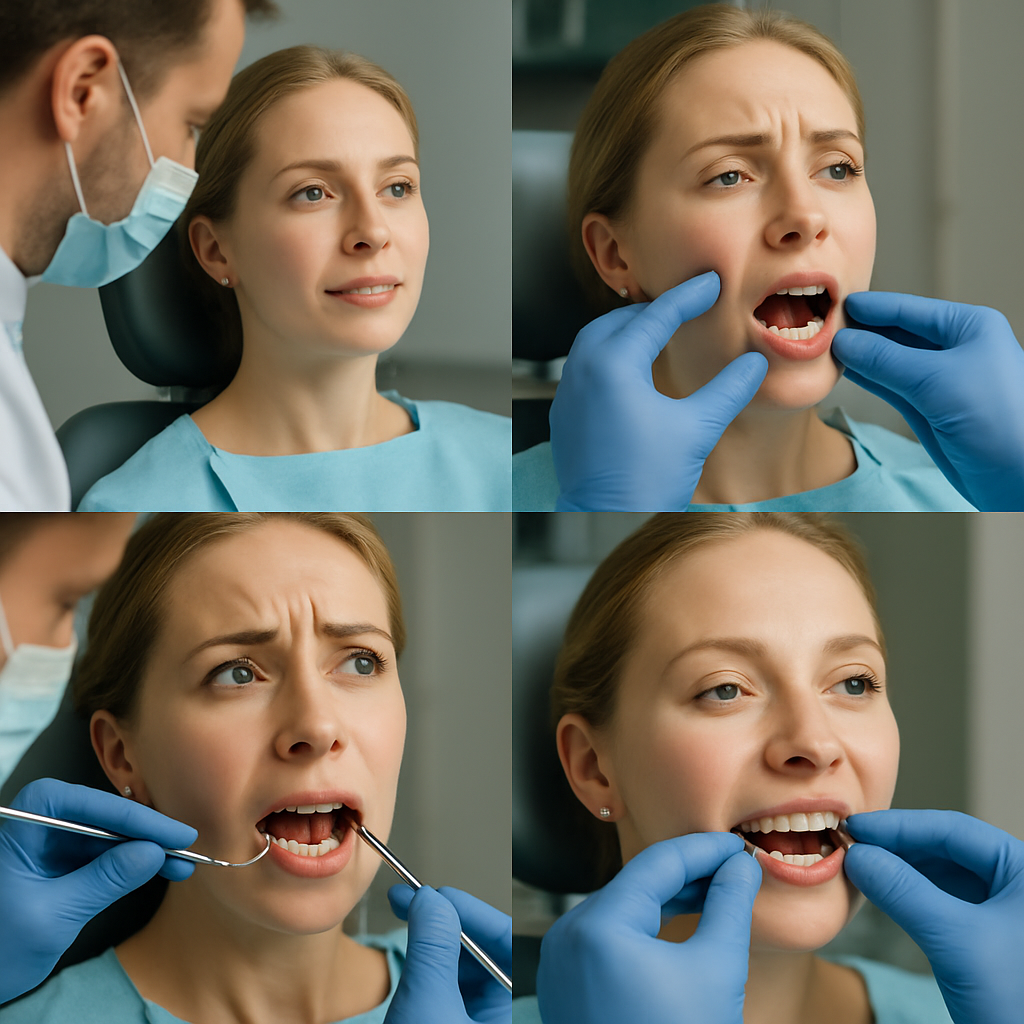
Following the discussion, a physical examination of your teeth and jaw may be conducted. The practitioner might also recommend diagnostic imaging if they suspect significant damage or other underlying issues. Given that London Bruxism can lead to wear and tear on your dental structure, it is crucial to identify any signs of enamel erosion or misalignment.
As the session concludes, the professional will outline potential treatment options tailored to your individual needs. They may suggest a combination of dental appliances, behavioural therapy, or lifestyle modifications to manage your condition effectively. Ultimately, this initial consultation is not just about identifying London Bruxism; it is about setting the foundation for a comprehensive treatment plan that prioritises your long-term oral health.
Diagnostic Tools Used in London
In the realm of dental health, the increasing prevalence of conditions such as London Bruxism has prompted the need for advanced diagnostic tools. These innovative technologies enable dental professionals to accurately assess and manage bruxism, which, if left untreated, can lead to significant oral health issues, including worn enamel and jaw pain.
Recent developments in dental imaging, such as cone beam computed tomography (CBCT), have revolutionised the diagnosis of London Bruxism. This imaging method provides comprehensive three-dimensional views of a patient’s occlusion, allowing for precise identification of teeth wear patterns and jaw alignment. Additionally, electromyography (EMG) has emerged as a crucial tool in evaluating muscle activity associated with bruxism. By monitoring jaw muscle function, practitioners can determine the severity of the condition and tailor personalised treatment plans.
Moreover, wearable devices that monitor sleep patterns have gained traction among dental professionals examining London Bruxism. These devices track grinding episodes during sleep, providing invaluable data for diagnosis and subsequent intervention. With this wealth of information, dentists can engage in informed discussions with their patients about the importance of managing bruxism to prevent long-term complications.
As the understanding of London Bruxism evolves, so too does the toolkit available to practitioners. By utilising these advanced diagnostic tools, dental professionals in London can significantly enhance their ability to diagnose and treat this increasingly common condition, ensuring better health outcomes for their patients. With continuous research and innovation, there is hope for more effective management strategies to emerge in the near future.
Step-by-Step Breakdown of the Procedure
Understanding the intricacies of dental procedures is pivotal for anyone affected by dental health issues, particularly those suffering from conditions such as London Bruxism. This condition, characterised by excessive teeth grinding and jaw clenching, can lead to significant oral health complications if not managed promptly and effectively.
Initially, a thorough assessment by a qualified dentist is crucial. This involves a detailed discussion of symptoms and medical history, followed by an examination of the teeth and jaw. The dentist may request imaging studies to evaluate the extent of wear on the enamel and any underlying structural issues that may contribute to London Bruxism.
Once a diagnosis is confirmed, the next step typically involves discussing treatment options. These may include the fitting of a custom night guard, designed to protect teeth from the effects of grinding while promoting relaxation in the jaw muscles. Additionally, behavioural strategies might be recommended, such as stress management techniques or physical therapy, which can alleviate some of the muscle tension associated with London Bruxism.
Regular follow-up appointments are essential to monitor progress and make any necessary adjustments to the treatment plan. This ongoing support not only helps manage symptoms effectively but also contributes to the overall understanding of how London Bruxism is impacting the individual’s dental health.
By taking a methodical approach to treatment, individuals can mitigate the effects of this condition, ensuring their long-term dental well-being. Implementing these steps not only addresses immediate concerns but also lays the foundation for a healthier future free from the complications of London Bruxism.
Step 1: Comprehensive Oral Examination

A thorough oral examination serves as the foundation for understanding the complexities of dental health, particularly in cases related to London Bruxism. This condition, characterised by involuntary grinding or clenching of teeth, often manifests during sleep or periods of stress. Conducting a comprehensive examination allows dental professionals to identify signs of wear on the enamel, assess jaw alignment, and evaluate any potential damage to the temporomandibular joint (TMJ).
A meticulous approach is essential, as London Bruxism can lead to a variety of complications, including dental erosion, increased sensitivity, and even chronic headaches. The examination should encompass a detailed patient history, focusing on stress levels, lifestyle factors, and any previous dental issues. High-quality imaging tools, such as X-rays, can provide invaluable insights into the underlying bone structures and assist in diagnosing any abnormalities related to London Bruxism.
Moreover, this initial assessment is instrumental in developing a tailored treatment plan. Patients experiencing London Bruxism could benefit from solutions ranging from the use of custom dental splints to stress management techniques. Comprehensive oral examinations not only identify the immediate dental concerns but also pave the way for long-term health strategies.
In conclusion, a thorough oral examination is paramount in addressing London Bruxism, enabling professionals to deliver precise and effective interventions. Understanding the nuances of this condition will ultimately lead to improved patient outcomes and enhanced overall dental health.

Step 2: Custom Treatment Planning
Effective management of London Bruxism necessitates a tailored approach, recognising that each patient’s needs and symptoms can vary significantly. Custom treatment planning begins with a thorough assessment of the patient’s dental health, lifestyle, and specific bruxism patterns. This comprehensive evaluation not only identifies the severity of the condition but also assists in determining the most appropriate interventions, be they behavioural, therapeutic, or mechanical.
Upon gathering detailed information, a multidisciplinary method may be employed, involving collaboration between dental professionals, psychologists, and physiotherapists. Such teamwork ensures that all aspects of the patient’s experience with London Bruxism are addressed, encompassing both physical and psychological contributors. For instance, if stress is identified as a significant trigger, cognitive behavioural strategies may be recommended alongside physical treatments like splints or night guards.
Additionally, patient education plays a pivotal role in the success of the treatment plan. Empowering individuals to understand the causes of London Bruxism and encouraging them to adopt lifestyle modifications, such as relaxation techniques and improved sleep hygiene, can greatly enhance treatment efficacy.
Regular follow-ups are essential to monitor progress and make necessary adjustments to the treatment plan. This iterative process not only helps in alleviating symptoms but also ensures that the treatment remains relevant as the patient’s circumstances evolve. Ultimately, effective custom treatment planning for London Bruxism requires a holistic, patient-centred approach, fostering both immediate relief and long-term management.
Step 3: Implementation of Solutions
Implementing effective solutions in the context of London Bruxism requires a systematic approach that focuses on both immediate relief and long-term management strategies. First and foremost, it is crucial to assess the specific needs of the individual experiencing bruxism. This assessment should include a thorough evaluation of their oral health, lifestyle factors, and any underlying issues contributing to the condition.
Once a comprehensive understanding is established, various interventions can be tailored. For many, the introduction of a custom-fitted night guard proves beneficial, protecting teeth from the damage associated with grinding and clenching. Furthermore, educating patients about stress management techniques can significantly alleviate symptoms. Given that stress is often a precursor to London Bruxism, incorporating mindfulness practices or cognitive behavioural therapy may enhance the effectiveness of treatment.
In addition, collaborating with dental professionals who specialise in temporomandibular joint disorders can further optimise outcomes. Their expertise can guide the implementation of advanced therapies, such as neuromuscular dentistry, which focuses on realigning the bite and reducing the strain on jaw muscles.
Ultimately, the successful implementation of these solutions not only addresses the physical aspects of London Bruxism but also fosters a holistic approach to overall well-being. Regular follow-ups are essential to monitor progress, allowing for adjustments in treatment strategies as needed. By taking a proactive, comprehensive stance, health professionals can significantly mitigate the impact of London Bruxism on their patients’ lives, paving the way for improved oral health and quality of life.
Step 4: Follow-Up and Adjustments
In the pursuit of effective management strategies for conditions such as London Bruxism, it is essential to implement a robust follow-up and adjustment system. After an initial assessment and the establishment of a treatment plan, regular check-ins with patients can provide invaluable insights into their progress. This not only fosters a stronger practitioner-patient relationship but also allows for timely adjustments based on feedback.
When dealing with London Bruxism, it is crucial to recognise that each individual’s experience may vary considerably. Therefore, personalised adjustments to treatment plans—whether they involve changes in lifestyle recommendations, therapeutic options, or even the adaptation of dental appliances—are fundamental. An ongoing dialogue encourages patients to express any discomfort or unexpected changes they may encounter, which can significantly influence the effectiveness of the prescribed interventions.
Furthermore, analysing data collected during follow-up visits can reveal trends that inform future practices. For instance, if a particular modality consistently yields better results for a subset of patients suffering from London Bruxism, it can be prioritised in treatment protocols. This iterative process not only enhances patient outcomes but also contributes to the broader knowledge base surrounding bruxism treatment.
Ultimately, the effectiveness of managing London Bruxism hinges on adaptability and responsiveness to patients’ evolving needs. By establishing a rigorous follow-up mechanism and remaining open to necessary adjustments, healthcare professionals can significantly improve the quality of care and ensure that interventions are both relevant and effective.
Effective Solutions for Bruxism Management
Bruxism, or the involuntary grinding and clenching of teeth, has become an increasingly prevalent concern, particularly in urban settings such as London. The impacts of London Bruxism can be profound, not only affecting dental health but also leading to significant stress and discomfort. Addressing this condition requires a multi-faceted approach to ensure effective management and relief for those affected.
One of the most effective solutions for London Bruxism is the use of custom-fitted mouthguards. These devices not only protect the teeth from excessive wear but also help in alleviating the muscle tension associated with grinding. Dental professionals in London are increasingly recommending these as a first line of defence, tailored specifically to the individual’s dental structure.
Furthermore, cognitive behavioural therapy (CBT) has shown promising results for those where stress and anxiety are contributing factors to London Bruxism. By addressing the psychological triggers, patients can learn to manage their clenching behaviours more effectively. Additionally, relaxation techniques, including yoga and mindfulness practices, can be beneficial in reducing overall anxiety levels, indirectly alleviating the symptoms of bruxism.
Lastly, lifestyle modifications play a crucial role. Encouraging patients to reduce caffeine and alcohol intake and to establish a calming bedtime routine can significantly impact the frequency and intensity of grinding episodes commonly seen in London Bruxism. In summary, a combination of protective dental devices, therapeutic interventions, and lifestyle changes can lead to effective solutions for managing bruxism, promoting overall health and well-being for affected individuals in London.
Night Guards and Their Benefits
The increasing prevalence of stress-related disorders in urban environments has prompted a growing awareness of the importance of dental health, particularly in relation to issues such as London Bruxism. Night guards have emerged as a crucial solution for those suffering from this condition, offering a myriad of benefits that extend beyond mere protection of the teeth.
When an individual grinds or clenches their teeth during sleep, it can lead to a host of problems, including tooth wear, jaw pain, and headaches. Night guards act as a barrier between the upper and lower teeth, effectively alleviating the pressure associated with London Bruxism. This protective device not only helps prevent damage to the enamel but also mitigates discomfort that often accompanies the disorder.
Moreover, the psychological aspect of London Bruxism cannot be overlooked. Many individuals experience heightened stress levels that exacerbate their grinding habits. By providing a physical safeguard, night guards can inadvertently contribute to a more relaxed sleep environment, allowing users to awaken refreshed rather than fatigued.
In addition to their protective capabilities, many night guards are custom-fitted, enhancing comfort and wearability. This bespoke approach ensures that individuals can wear their guards without experiencing significant discomfort, thereby increasing compliance and effectiveness.
In summary, night guards are an invaluable tool for managing London Bruxism. They not only protect dental health but also play a significant role in improving overall well-being. For those grappling with tooth grinding, investing in a high-quality night guard may prove to be a wise and beneficial decision.
Stress Management Techniques
In today’s fast-paced world, effective strategies for managing stress have become essential for both personal well-being and professional success. One key aspect that often goes unnoticed is the connection between stress and physical manifestations, such as London Bruxism. This condition, characterised by teeth grinding and jaw clenching, can be exacerbated by high-stress levels, leading to a vicious cycle that affects both mental and physical health.
To address stress effectively, individuals can explore various techniques tailored to their unique circumstances. Mindfulness practices, such as meditation and deep-breathing exercises, have been proven to promote relaxation and reduce anxiety. Incorporating regular physical activity into one’s routine can also alleviate stress symptoms significantly. Exercise releases endorphins, which help elevate mood and counteract the effects of London Bruxism.
Additionally, maintaining a balanced diet plays a pivotal role in stress management. Certain nutrients, such as magnesium and omega-3 fatty acids, can contribute to enhanced emotional regulation. For those experiencing London Bruxism, consulting with dental professionals can provide insights into potential mitigation strategies, including mouthguards and stress-relief techniques.
Establishing a support network is equally crucial; discussing feelings and experiences with trusted friends or professionals can foster emotional resilience. By adopting a holistic approach to stress management—encompassing physical, emotional, and lifestyle factors—individuals can significantly improve their quality of life and reduce the incidence of conditions like London Bruxism. Ultimately, it’s vital to recognise that effective stress management is not merely a personal endeavour but a collective responsibility within workplaces and communities.
Conclusion: Moving Forward with Confidence

As we look towards the future, it is crucial for both individuals and practitioners in the field to approach challenges with a renewed sense of confidence. The increasing prevalence of conditions such as London Bruxism necessitates a proactive mindset. Professionals need to embrace innovative solutions and collaborate with patients to address the complexities associated with this condition. An understanding of the underlying causes and their manifestations is vital in providing effective treatment.
Research into London Bruxism has expanded our knowledge base, revealing not only the physical ramifications but also the emotional and psychological implications for those affected. By prioritising comprehensive assessments, practitioners can tailor interventions that address both the symptoms and the root causes of bruxism. This holistic approach encourages a stronger patient-practitioner relationship, fostering trust and compliance with prescribed treatments.
Moreover, continuous education and professional development are imperative for specialists. Keeping abreast of the latest findings related to London Bruxism equips professionals with the tools necessary to implement evidence-based practices. This commitment to learning not only enhances individual competency but also elevates the standard of care across the sector.
In conclusion, by confidently embracing new strategies and focusing on collaboration, we can significantly improve outcomes for those suffering from London Bruxism. It is essential to adopt a forward-thinking attitude, ensuring that we are prepared to meet the evolving needs of our patients. The journey ahead holds promise for innovation and improved quality of life for many, and it is our responsibility to lead with assurance.